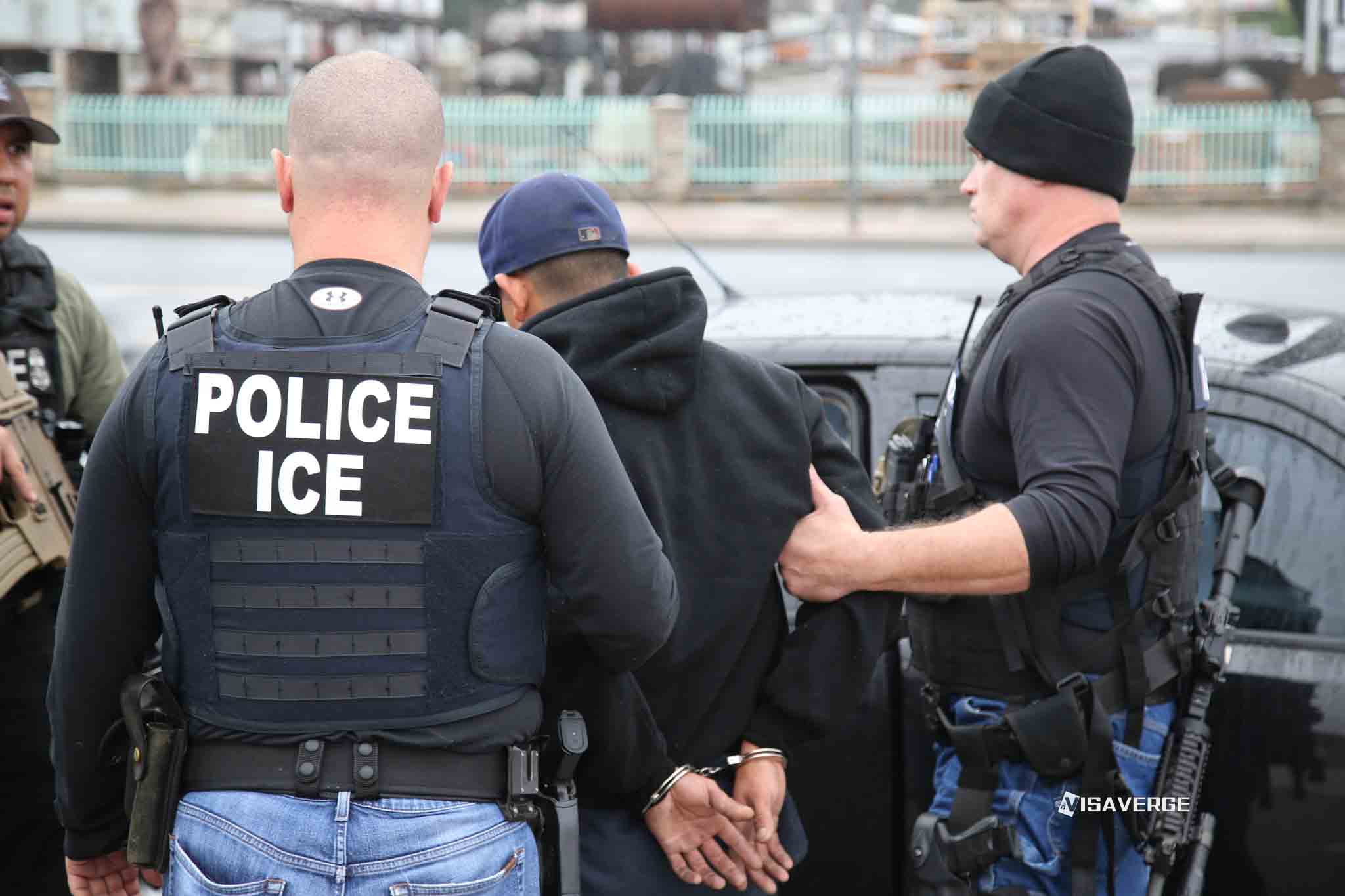
- Day laborer Pedro Vasquez Perdomo challenged federal immigration sweeps following his arrest in Pasadena.
- A federal judge ordered legal counsel access for detainees held at the B-18 basement facility.
- The lawsuit recently survived a dismissal motion, allowing the civil rights case to proceed.
(PASADENA, CALIFORNIA) — Pedro Vasquez Perdomo says he was arrested on the morning of June 18, 2025, while waiting for work at a Metro bus stop outside a Winchell’s Donuts in Pasadena.
He says he then spent three weeks detained in Downtown Los Angeles at the B-18 basement facility. That story now sits at the center of Vasquez-Perdomo v. Noem, a federal lawsuit that has become a test of how far immigration enforcement can go during a high-volume immigration sweep without violating basic constitutional rights.

Section 1: Case overview and timeline — what happened and why it matters
Vasquez-Perdomo v. Noem was filed in July 2025 by the ACLU and later joined by the City of Pasadena. The lead plaintiff is Pedro Vasquez Perdomo, described in the case as a 54-year-old day laborer.
Defendants include Department of Homeland Security (DHS) leadership, ICE, and DHS Secretary Kristi Noem. At its core, the lawsuit challenges two connected practices the plaintiffs describe as unconstitutional.
- Street-level stops that allegedly relied on race or ethnicity rather than specific evidence.
- Detention and processing conditions that allegedly blocked meaningful counsel access, especially at B-18.
Three court terms come up repeatedly in this case and help explain the litigation posture.
- Temporary Restraining Order (TRO): A fast, short-term court order meant to pause certain conduct while a judge reviews the case further. A TRO does not decide who ultimately wins. It buys time.
- Supreme Court stay: An order that pauses the effect of a lower-court ruling while appeals continue. It is not a final decision on whether the challenged practices are lawful.
- Preliminary injunction: A longer-lasting order than a TRO, usually issued after more briefing and evidence. It can require or forbid conduct while the lawsuit continues.
Important: Court rulings described are ongoing and subject to further appeals or changes in posture; readers should verify current docket status.
The legal fight has unfolded alongside other fast-moving immigration court disputes, including asylum shutdown lawsuits that also turn on access, process, and federal authority.
Section 2: Key facts and allegations — stops, detention conditions, and constitutional claims
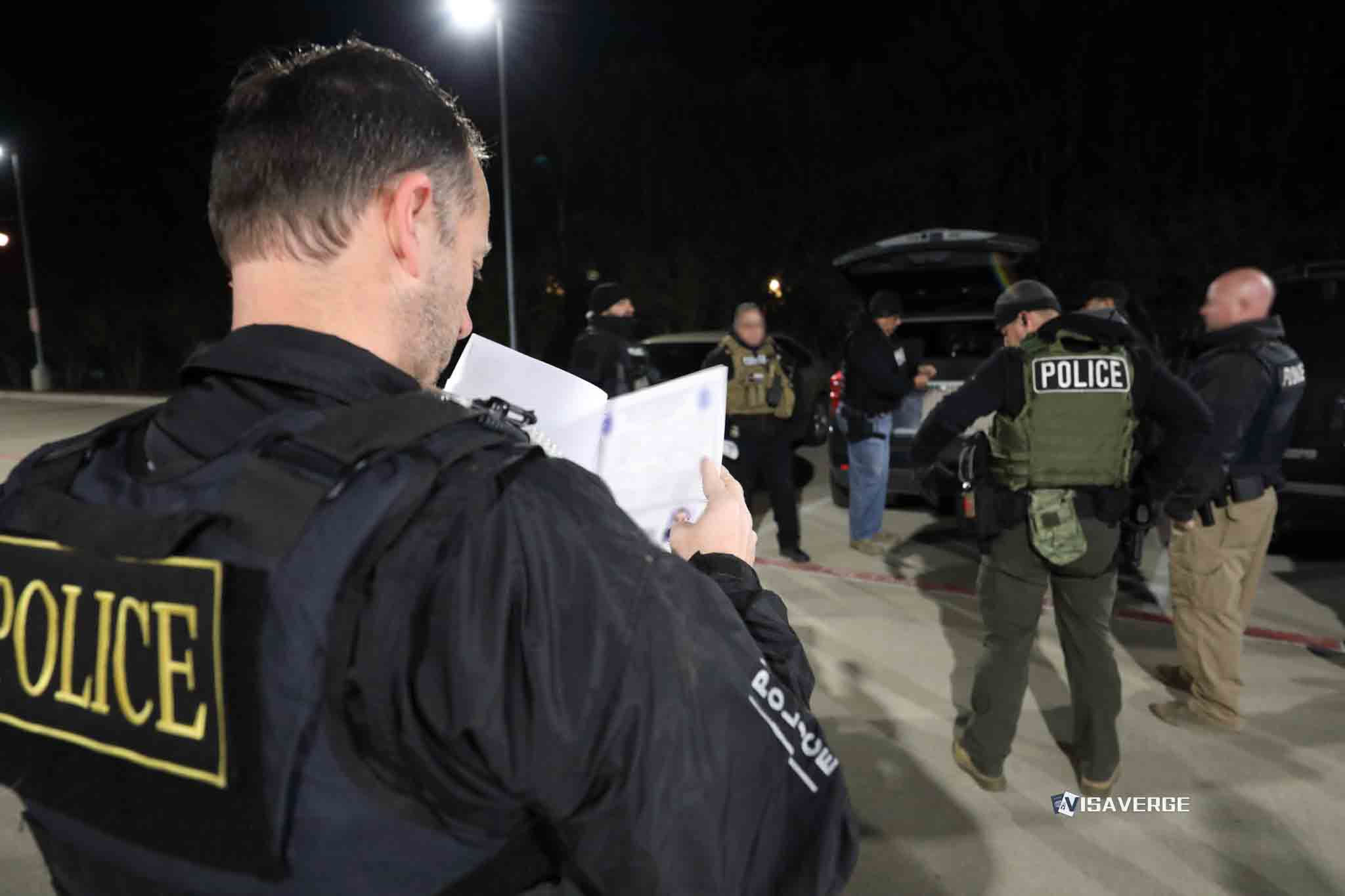
Plaintiffs describe an enforcement approach they call “roving patrols.” In plain terms, that means mobile teams looking for people to stop and question in public places, rather than serving a named warrant at a known address.
The lawsuit argues some stops were suspicionless—meaning officers lacked specific, individualized facts suggesting a person had violated the law. A central dispute is what officers relied on in the moment.
If stops were based mainly on perceived race or ethnicity, plaintiffs say that crosses a constitutional line. The complaint raises three main legal concerns.
- Fourth Amendment: Protects against unreasonable searches and seizures. In many cases, that means the government needs a lawful basis to stop and detain someone, not a hunch tied to appearance.
- Fifth Amendment: Protects due process. In detention settings, due process often includes a fair chance to challenge custody and seek relief.
- Counsel access: The lawsuit says people held at the B-18 basement facility could not reliably speak with lawyers, get legal orientation, or coordinate filings that can determine whether they stay or are removed.
Plaintiffs’ claims remain allegations unless proven. The government disputes key points. Detention-rights questions like these show up in other challenges, including reporting on people detained by ICE and how access barriers affect real cases.
Even for people who later seek immigration relief through agencies like USCIS, early access to counsel can matter. A missed deadline or an inability to gather documents in detention can shape what options are available later.
Section 3: Official statements and judicial developments — what each side is arguing
Federal lawyers have urged the court to narrow or end the case. In filings tied to the government’s dismissal effort, U.S. Department of Justice (DOJ) attorney Jonathan Ross argued that plaintiffs’ allegations arose from discrete June 2025 operations that the Supreme Court “recognized as lawful exercises of statutory authority.”
Ross also argued conditions at B-18 had “normalized,” and said the government would “do the right thing” regarding access to counsel. Judge Maame E. Frimpong, of the U.S. District Court (Central District of California), has not issued a final ruling on the merits.
Still, her orders have shaped what ICE can do while the case continues. A key procedural moment came on January 15, 2026, when Judge Frimpong declined to dismiss the case.
A denial of a motion to dismiss usually means this: the lawsuit continues into evidence-gathering, and the court is not deciding yet which side’s facts are true. Public messaging has also been forceful.
In January 2026, White House spokeswoman Abigail Jackson said: “President Trump and Secretary Noem are committed to restoring law and order in Los Angeles and around the country. No lawsuit, this or any other, is going to change that.” She also criticized Democratic leaders on January 15, 2026.
Earlier, on December 19, 2025, Kristi Noem described the administration’s immigration enforcement as historic and said the administration “won’t rest until the job is done.” Statements like these can signal priorities and politics.
They are not the same as court findings. The judge’s orders—and what they legally require—control the parties in court. Coverage of related filings has tracked how plaintiffs frame the dispute after key rulings in LA raids litigation.
Important: Court rulings described are ongoing and subject to further appeals or changes in posture; readers should verify current docket status.
Section 4: Enforcement context and statistics — what the numbers suggest (and what they don’t)
The lawsuit sits within the administration’s Operation at Large, described as a 2025 mass deportation initiative. DHS has reported large totals, including 622,000 deportations (2025) and 1.9 million self-deportations (2025).
In Southern California, DHS reported at least 2,800 arrests (June 2025, first month of Southern California sweeps). Big enforcement numbers can change daily behavior. Families may avoid reporting crime, workers may skip shifts, and parents may hesitate to send children to school or seek medical care.
Those effects can appear even when enforcement actions are legally authorized. It also helps to separate common terms and how they are used in public discussion.
- Arrests are the act of taking someone into custody.
- Deportations generally refer to formal removals carried out by the government.
- Self-deportations is often used to describe people leaving on their own after enforcement pressure or fear.
- Returns can describe people sent out without the same formal removal process, depending on the context.
The lawsuit also alleges an arrest quota—3,000 arrests per day (alleged quota)—which plaintiffs say created pressure for dragnet tactics. If a quota were proven, it could raise oversight questions and shape field decision-making.
The government has not conceded that such a quota controlled operations. Debates about enforcement tactics and protected spaces have surfaced elsewhere too, including a places of worship lawsuit.
Section 5: Court orders and procedural posture — TROs, stays, injunctions, and what remains unresolved
Judge Frimpong’s orders did not end the case. They set temporary ground rules. A TRO is the court’s emergency brake and is often issued quickly to prevent harm while the judge reviews the record more closely.
In July 2025 (TRO issued), Judge Frimpong issued a TRO against stops based solely on race or ethnicity. On September 8, 2025, the U.S. Supreme Court issued a stay of the TRO, pausing its effect and allowing challenged operations to continue while litigation proceeded.
A preliminary injunction typically follows more briefing and a more developed record than a TRO. On November 14, 2025, Judge Frimpong issued a preliminary injunction requiring ICE to provide detainees at B-18 with access to legal counsel.
Then came January 15, 2026, when the judge denied the government’s bid to dismiss. That keeps the case alive, with the next phase usually involving document requests, testimony, and disputes over what happened during stops and inside detention.
| Date | Event | What it did | Implication for the case |
|---|---|---|---|
| June 18, 2025 | Arrest of Pedro Vasquez Perdomo | Triggered the central factual dispute | Became a focal event for the lawsuit’s claims |
| July 2025 | Lawsuit filed | Opened federal court review of alleged practices | Put stops and counsel access under judicial scrutiny |
| July 2025 (TRO issued) | TRO issued | Temporarily barred stops based solely on race or ethnicity | Short-term restriction while the court assessed claims |
| September 8, 2025 | Supreme Court stay | Paused the TRO’s effect | Allowed enforcement to continue during litigation |
| November 14, 2025 | Preliminary injunction | Ordered access to legal counsel at B-18 | Set enforceable rules for detention operations |
| January 15, 2026 | Dismissal denial | Rejected the government’s motion to dismiss | Case proceeds to evidence and further litigation |
Important: Court rulings described are ongoing and subject to further appeals or changes in posture; readers should verify current docket status.
Section 6: Practical impacts and community response — what readers can do now
Federal litigation can affect day-to-day enforcement before a final judgment. Agencies sometimes adjust practices to reduce legal risk or comply with injunction terms.
Even small changes—phone access, attorney visiting protocols, written notices—can shape whether someone can pursue bond, asylum, or other relief. Local leaders have also spoken out. Karen Bass criticized the enforcement tactics as “un-American” and a “danger to working families.”
City statements can influence local services and coordination, but they cannot, by themselves, stop federal enforcement. Lawful preparedness tends to focus on basics.
- Keep key documents and emergency contacts organized.
- Make a child-care and school pickup plan.
- Seek legal screening early when possible, especially if a household member has prior court dates or orders.
- If detention occurs, track where the person is held, ask about attorney calls, and document barriers to counsel access.
✅ Know your rights and how to seek counsel if you or a loved one is detained; consult verified legal aid resources and primary court documents for updates.
Section 7: Official sources and how to follow updates
Fast-moving cases generate rumors. Primary sources cut through noise. Start with official agency channels for announcements and litigation posture: Department of Homeland Security (DHS) and the U.S. Department of Justice (DOJ).
For court filings and orders, use the U.S. District Court (Central District of California) site and locate the case docket for Vasquez-Perdomo v. Noem. Docket entries typically show when an order is issued, whether it is paused, and what it requires.
When reading updates, separate three categories: court orders (binding on parties), agency statements (policy and messaging), and allegations in complaints (claims that must be proven).
That discipline matters most where personal liberty is on the line, including claims about the B-18 basement facility and whether people could reach counsel. This article analyzes ongoing litigation and does not constitute legal advice; readers should consult qualified counsel for individualized guidance.
All statements about court orders and agency actions should be verified against primary sources and docket entries.