
Official VisaVerge Logo Official VisaVerge Logo
  • Home
  • Airlines
  • H1B
  • Immigration
    • Knowledge
    • Questions
    • Documentation
  • News
  • Visa
    • Canada
    • F1Visa
    • Passport
    • Green Card
    • H1B
    • OPT
    • PERM
    • Travel
    • Travel Requirements
    • Visa Requirements
  • USCIS
  • Questions
    • Australia Immigration
    • Green Card
    • H1B
    • Immigration
    • Passport
    • PERM
    • UK Immigration
    • USCIS
    • Legal
    • India
    • NRI
  • Guides
    • Taxes
    • Legal
  • Tools
    • H-1B Maxout Calculator Online
    • REAL ID Requirements Checker tool
    • ROTH IRA Calculator Online
    • TSA Acceptable ID Checker Online Tool
    • H-1B Registration Checklist
    • Schengen Short-Stay Visa Calculator
    • H-1B Cost Calculator Online
    • USA Merit Based Points Calculator – Proposed
    • Canada Express Entry Points Calculator
    • New Zealand’s Skilled Migrant Points Calculator
    • Resources Hub
    • Visa Photo Requirements Checker Online
    • I-94 Expiration Calculator Online
    • CSPA Age-Out Calculator Online
    • OPT Timeline Calculator Online
    • B1/B2 Tourist Visa Stay Calculator online
  • Schengen
VisaVergeVisaVerge
Search
Follow US
  • Home
  • Airlines
  • H1B
  • Immigration
  • News
  • Visa
  • USCIS
  • Questions
  • Guides
  • Tools
  • Schengen
© 2025 VisaVerge Network. All Rights Reserved.
Legal

Ninth Circuit Backs DHS and Restores Some Temporary Protected Status

The Ninth Circuit has reinstated the termination of TPS for Honduras, Nepal, and Nicaragua. This stay suspends TPS protections and work authorizations while the government's appeal continues. Affected individuals should check for alternative legal status and monitor USCIS updates. Employers are advised to review I-9 records as TPS-based documents may no longer be valid for continued employment during this legal pause.

Last updated: February 17, 2026 5:06 pm
SHARE
Key Takeaways
→The Ninth Circuit reinstated DHS terminations of TPS for Honduras, Nepal, and Nicaragua.
→TPS-based work authorization is currently not in effect during the ongoing legal appeal.
→Over 60,000 individuals must seek alternative lawful bases to remain or work in the U.S.

(UNITED STATES) — A Ninth Circuit stay has reinstated DHS terminations of Temporary Protected Status for Honduras, Nepal, and Nicaragua, meaning TPS protections and related work authorization are not in effect while the National TPS Alliance v. Noem case proceeds on appeal.

What you’ll need before you act
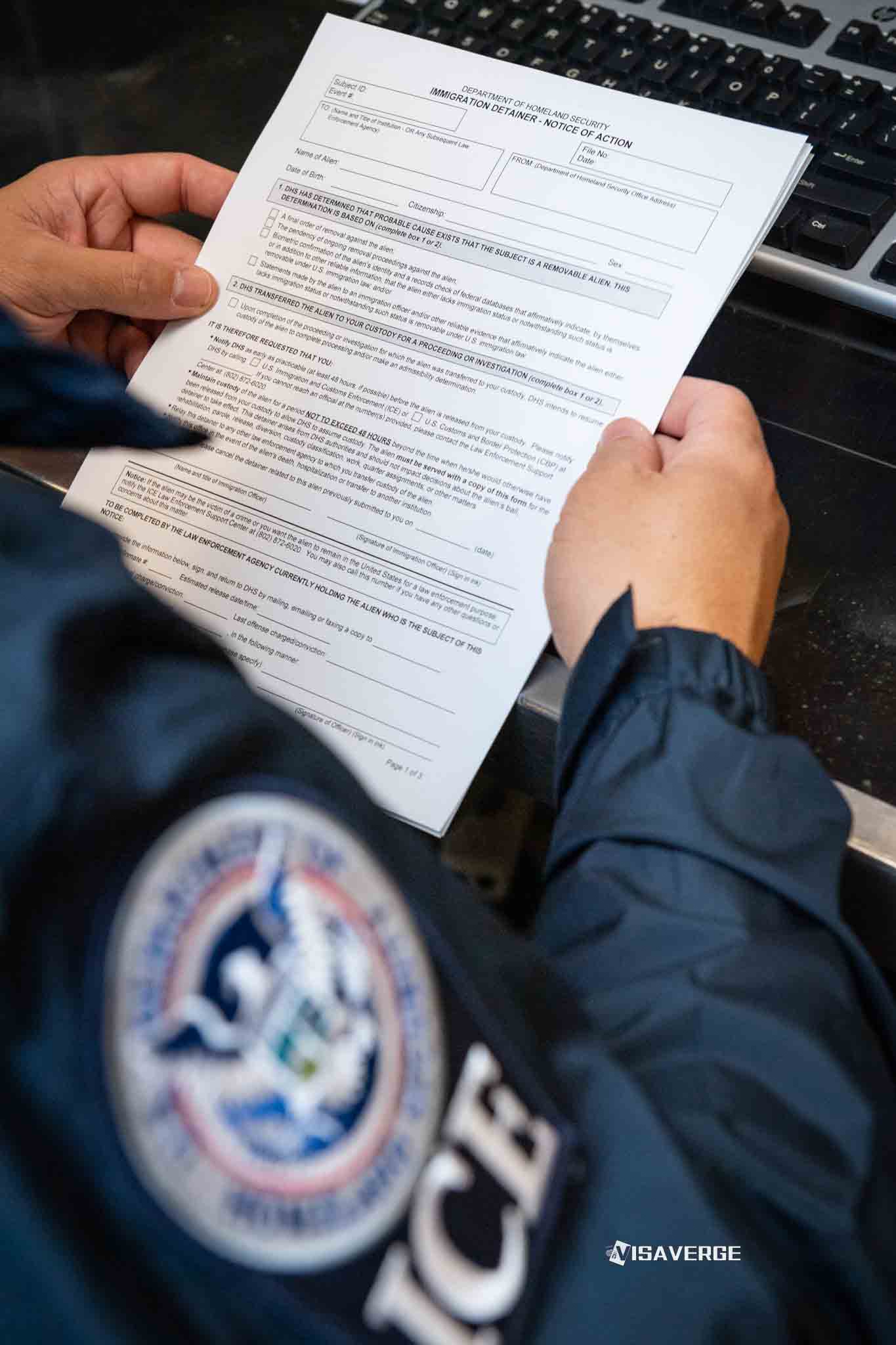
Ninth Circuit Backs DHS and Restores Some Temporary Protected Status
  • Your current immigration documents (EAD card, I-94, approval notices, receipt notices).
  • Any proof of another lawful basis to work or stay (for example, an asylum-related receipt and EAD category, DACA documents, or an adjustment filing and related EAD).
  • Your employer’s Form I-9 records contact (HR or compliance), if you are working.
  • A plan to check official updates on USCIS TPS pages and key court dockets.

1) Overview: what the Ninth Circuit stay does right now

On February 9, 2026, the U.S. Court of Appeals for the Ninth Circuit issued an appellate stay in National TPS Alliance v. Noem (also called NTPSA II). A stay is a court order that pauses the effect of a lower court ruling while an appeal continues.

For TPS holders, the practical result is immediate. The stay pauses the U.S. District Court for the Northern District of California’s district court vacatur that had blocked DHS from ending TPS for Honduras, Nepal, and Nicaragua. DHS’s termination posture is restored during the appeal.

USCIS confirms TPS terminations are reinstated during the Ninth Circuit stay
→ URGENT POLICY CHANGE
USCIS TPS webpage updates reflect reinstated DHS terminations during the stay
  • Affected designations: Honduras, Nepal, Nicaragua
  • TPS-based employment authorization tied solely to these designations is treated as not valid while the stay is in effect
→ Note
If you are following multiple TPS court cases, track each designation separately—different countries can be under different court orders at the same time. Rely only on the notice tied to your country’s designation and the most recent court action affecting it.

Expect the legal posture to shift again. A stay is not a final merits decision.

Table 1 — Affected TPS designations and immediate effects

Designated Country TPS Status After Stay Affected EAD Validity Notes
Honduras DHS termination restored pending appeal TPS-based EADs are treated as not valid if tied solely to TPS for this designation District court relief is paused during appeal
Nepal DHS termination restored pending appeal TPS-based EADs are treated as not valid if tied solely to TPS for this designation District court relief is paused during appeal
Nicaragua DHS termination restored pending appeal TPS-based EADs are treated as not valid if tied solely to TPS for this designation District court relief is paused during appeal

2) Background and legal context: how the case got here

December 31, 2025 marked the key district court step. The Northern District of California vacated DHS terminations of Temporary Protected Status for Honduras, Nepal, and Nicaragua, and it accepted claims tied to the Administrative Procedure Act (APA) plus Fifth Amendment allegations.

DHS asked the Ninth Circuit for emergency relief. The government argued it was likely to succeed on appeal, including by challenging jurisdiction under the TPS statute, 8 U.S.C. § 1254a, and by disputing the APA and constitutional theories. The Ninth Circuit stay granted that request and put the district court’s order on hold while the appeal continues.

→ Analyst Note
Confirm which category your work authorization is based on before taking action. Check your EAD category code and approval notices, then compare them to your current immigration filings. If your only basis was TPS, consult counsel immediately about alternative options or filings.
Ninth Circuit stay — operational effect date
February 9, 2026
→ EFFECT
From this date, TPS-based protections and TPS-based EAD reliance for the affected designations are treated as not valid while the stay remains in place

APA review often turns on whether an agency decision was “arbitrary” or “capricious,” or failed to follow required reasoning. Under 8 U.S.C. § 1254a, DHS has statutory authority to designate, extend, and terminate TPS. Courts then assess whether DHS acted within that authority and complied with the APA’s standards.

Different TPS designations can sit in different procedural tracks at the same time. Haiti and Venezuela are frequently discussed alongside NTPSA II, but they are not the same court posture. Keep them separate.

3) Immediate effects on TPS holders and TPS-based EAD validity

→ Recommended Action
Set a recurring calendar check (weekly during active litigation) to review the USCIS TPS page for your country and any new court orders. Save PDFs or screenshots of each update you rely on, in case employers or agencies request proof of what was posted.

Loss of TPS protection is the first operational change. During the stay, TPS-based protection tied to the Honduras, Nepal, and Nicaragua designations is not in effect. In many cases, that means you no longer have TPS as a defense against removal based on that designation alone.

Work authorization changes at the same time. TPS-based EADs tied solely to TPS for Honduras, Nepal, or Nicaragua are treated as not valid during the stay. USCIS has updated its TPS webpages for Honduras, Nepal, and Nicaragua to reflect that posture.

Over 60,000 TPS holders are affected by the combined impact estimate cited in the litigation. Individual consequences vary, since some TPS holders also have another lawful basis to remain or work.

Haiti and Venezuela require extra care in conversation. Haiti’s TPS posture has been addressed in separate district court activity, and Venezuela-related litigation has raised distinct questions about DHS authority under 8 U.S.C. § 1254a. Those tracks do not change the stay’s effect on Honduras, Nepal, and Nicaragua.

4) What TPS beneficiaries should do now (Honduras, Nepal, Nicaragua)

Start by separating TPS from everything else you may have filed. Many people with TPS also have pending or approved applications that can support lawful presence, a separate protection claim, or separate work authorization.

Use this step-by-step check:

  1. Confirm whether your work authorization is TPS-based. Look at your EAD category and approval notices. If your ability to work depends only on TPS for Honduras, Nepal, or Nicaragua, the stay means that TPS-based work authorization is not available during the appeal.
  2. Check for a second, independent basis to work or stay. Common examples include an asylum-related EAD category, DACA, an adjustment-related EAD, or a valid nonimmigrant status with work authorization. Some people have more than one category. Details matter.
  3. Prepare for an I-9 conversation if you are employed. Employers must maintain Form I-9 verification. If your prior documents were TPS-based, you may need to present other valid documents that meet I-9 rules. In many cases, HR will ask for updated documentation.
  4. Consider enforcement exposure realistically. Without TPS-based protection, risk of removal proceedings can rise, especially if no other lawful status applies. Outcomes vary by facts, location, and DHS priorities.
  5. Track USCIS updates frequently. USCIS implementation can change quickly during active appellate litigation. Monitor USCIS and your online case tools at my.uscis.gov if you have pending filings.

✅ If you are a TPS holder for Honduras, Nepal, or Nicaragua, assess other authorized statuses and consult employer I-9 guidelines; monitor USCIS TPS pages and court updates for changes

5) What employers should do: I-9 compliance under fast-changing rules

Employers face a narrow problem with a wide operational footprint. The Ninth Circuit stay means some workers’ TPS-based documentation may no longer support continued employment authorization for Honduras, Nepal, and Nicaragua.

A practical employer workflow often includes:

  1. Identify roles potentially affected without targeting by nationality. Use neutral, compliance-based triggers tied to document expiration or reverification rules. Avoid selective checks that can create discrimination risk.
  2. Follow standard I-9 rules on acceptable documents. Employers must accept any valid document or combination of documents that satisfies Form I-9 requirements. Do not demand a specific document from a specific worker.
  3. Handle reverification consistently. If reverification is required, apply the same process across similarly situated employees. Recordkeeping should follow standard retention requirements.
  4. Expect volatility. En banc review at the Ninth Circuit, or an emergency filing at the Supreme Court, can shift effective rules quickly. Employer policies should be ready to adjust on short notice.

USCIS may revise TPS web guidance again as the appeal develops. Assign someone internally to check updates routinely.

6) Next steps in the case and what to watch

Merits briefing and a merits decision come next at the Ninth Circuit. A stay is temporary. It keeps DHS’s terminations in place during the appeal, but it does not decide the final legality of the terminations.

Several procedural paths remain possible:

  1. A Ninth Circuit merits decision affirming or reversing the district court.
  2. En banc proceedings if the full Ninth Circuit agrees to rehear the case.
  3. Supreme Court involvement, including emergency applications about stays, or later review of a final judgment.

Monitoring needs to be practical:

  • Check USCIS TPS country pages on uscis.gov for Honduras, Nepal, and Nicaragua wording changes.
  • Watch docket activity for National TPS Alliance v. Noem in federal courts, including the U.S. Court of Appeals for the Ninth Circuit and the Northern District of California.
  • Employers should also watch for updated compliance-facing guidance tied to I-9 verification.

⚠️ This is an interim stay pending full merits review; outcomes are uncertain and may change with en banc or Supreme Court action


This article reflects ongoing litigation and does not constitute legal advice. Readers should consult an attorney for individual guidance.

YMYL compliance: statements about rights, removal proceedings, or work authorization require careful, qualified language.


Learn Today
Stay
A court order that temporarily stops a judicial proceeding or the execution of a judgment.
Vacatur
A court order that cancels or annuls a previous legal proceeding or decision.
EAD
Employment Authorization Document, a card issued by USCIS that proves the holder is authorized to work in the U.S.
APA
Administrative Procedure Act, a federal law that governs how agencies propose and establish regulations.
Reverification
The process where employers must re-examine an employee’s work authorization documents upon expiration.
VisaVerge.com
Share This Article
Facebook Pinterest Whatsapp Whatsapp Reddit Email Copy Link Print
What do you think?
Happy0
Sad0
Angry0
Embarrass0
Surprise0
Visa Verge
ByVisa Verge
Senior Editor
Follow:
VisaVerge.com is a premier online destination dedicated to providing the latest and most comprehensive news on immigration, visas, and global travel. Our platform is designed for individuals navigating the complexities of international travel and immigration processes. With a team of experienced journalists and industry experts, we deliver in-depth reporting, breaking news, and informative guides. Whether it's updates on visa policies, insights into travel trends, or tips for successful immigration, VisaVerge.com is committed to offering reliable, timely, and accurate information to our global audience. Our mission is to empower readers with knowledge, making international travel and relocation smoother and more accessible.
Subscribe
Login
Notify of
guest

guest

0 Comments
Inline Feedbacks
View all comments
H-1B Workforce Analysis Widget | VisaVerge
Data Analysis
U.S. Workforce Breakdown
0.44%
of U.S. jobs are H-1B

They're Taking Our Jobs?

Federal data reveals H-1B workers hold less than half a percent of American jobs. See the full breakdown.

164M Jobs 730K H-1B 91% Citizens
Read Analysis
March 2026 Visa Bulletin Predictions: What you need to know
USCIS

March 2026 Visa Bulletin Predictions: What you need to know

Dutch Tax Unrealized Gains Box 3 Actual Return Tax Law January 1, 2028
Digital Nomads

Dutch Tax Unrealized Gains Box 3 Actual Return Tax Law January 1, 2028

Dual Nationals Must Use British Passport for UK Entry from 25 February
Passport

Dual Nationals Must Use British Passport for UK Entry from 25 February

DHS Shutdown 2026 Puts ICE Operations at Risk in Partial Government Shutdown
Immigration

DHS Shutdown 2026 Puts ICE Operations at Risk in Partial Government Shutdown

IRS 2025 vs 2024 Tax Brackets: Detailed Comparison and Changes
News

IRS 2025 vs 2024 Tax Brackets: Detailed Comparison and Changes

US Citizens Transiting Heathrow Airside Still Do Not Need an ETA
Travel

US Citizens Transiting Heathrow Airside Still Do Not Need an ETA

Reddit, Meta and Google Hand Over Anti-ICE Users’ Data to DHS
News

Reddit, Meta and Google Hand Over Anti-ICE Users’ Data to DHS

H-1B Visa: Key Dates, Deadlines, and Timelines Explained
H1B

H-1B Visa: Key Dates, Deadlines, and Timelines Explained

Year-End Financial Planning Widgets | VisaVerge
Tax Strategy Tool
Backdoor Roth IRA Calculator

High Earner? Use the Backdoor Strategy

Income too high for direct Roth contributions? Calculate your backdoor Roth IRA conversion and maximize tax-free retirement growth.

Contribute before Dec 31 for 2025 tax year
Calculate Now
Retirement Planning
Roth IRA Calculator

Plan Your Tax-Free Retirement

See how your Roth IRA contributions can grow tax-free over time and estimate your retirement savings.

  • 2025 contribution limits: $7,000 ($8,000 if 50+)
  • Tax-free qualified withdrawals
  • No required minimum distributions
Estimate Growth
For Immigrants & Expats
Global 401(k) Calculator

Compare US & International Retirement Systems

Working in the US on a visa? Compare your 401(k) savings with retirement systems in your home country.

India UK Canada Australia Germany +More
Compare Systems

You Might Also Like

Switching Jobs on OPT: Essential Rules for F-1 Students in 2025
F1Visa

Switching Jobs on OPT: Essential Rules for F-1 Students in 2025

By
Sai Sankar
TN Visa at Canadian Border During Shutdown: Are Officers Processing?
Immigration

TN Visa at Canadian Border During Shutdown: Are Officers Processing?

By
Oliver Mercer
Russia’s Forced Citizenship for Crimeans Sparks Global Concern
Citizenship

Russia’s Forced Citizenship for Crimeans Sparks Global Concern

By
Visa Verge
Cotton Urges DHS to Review Biden-Era Visas After Louisiana Hamas Case
Immigration

Cotton Urges DHS to Review Biden-Era Visas After Louisiana Hamas Case

By
Jim Grey
Show More
Official VisaVerge Logo Official VisaVerge Logo
Facebook Twitter Youtube Rss Instagram Android

About US


At VisaVerge, we understand that the journey of immigration and travel is more than just a process; it’s a deeply personal experience that shapes futures and fulfills dreams. Our mission is to demystify the intricacies of immigration laws, visa procedures, and travel information, making them accessible and understandable for everyone.

Trending
  • Canada
  • F1Visa
  • Guides
  • Legal
  • NRI
  • Questions
  • Situations
  • USCIS
Useful Links
  • History
  • USA 2026 Federal Holidays
  • UK Bank Holidays 2026
  • LinkInBio
  • My Saves
  • Resources Hub
  • Contact USCIS
web-app-manifest-512x512 web-app-manifest-512x512

2026 © VisaVerge. All Rights Reserved.

2026 All Rights Reserved by Marne Media LLP
  • About US
  • Community Guidelines
  • Contact US
  • Cookie Policy
  • Disclaimer
  • Ethics Statement
  • Privacy Policy
  • Terms and Conditions
wpDiscuz
Welcome Back!

Sign in to your account

Username or Email Address
Password

Lost your password?