- Lawmakers introduced S. 3745 to allow federal lawsuits against ICE and CBP for constitutional violations.
- The bill proposes mandatory body-worn cameras and stricter evidence retention rules for immigration officers.
- Provisions aim to limit qualified immunity following high-profile fatal incidents in Minneapolis during 2026.
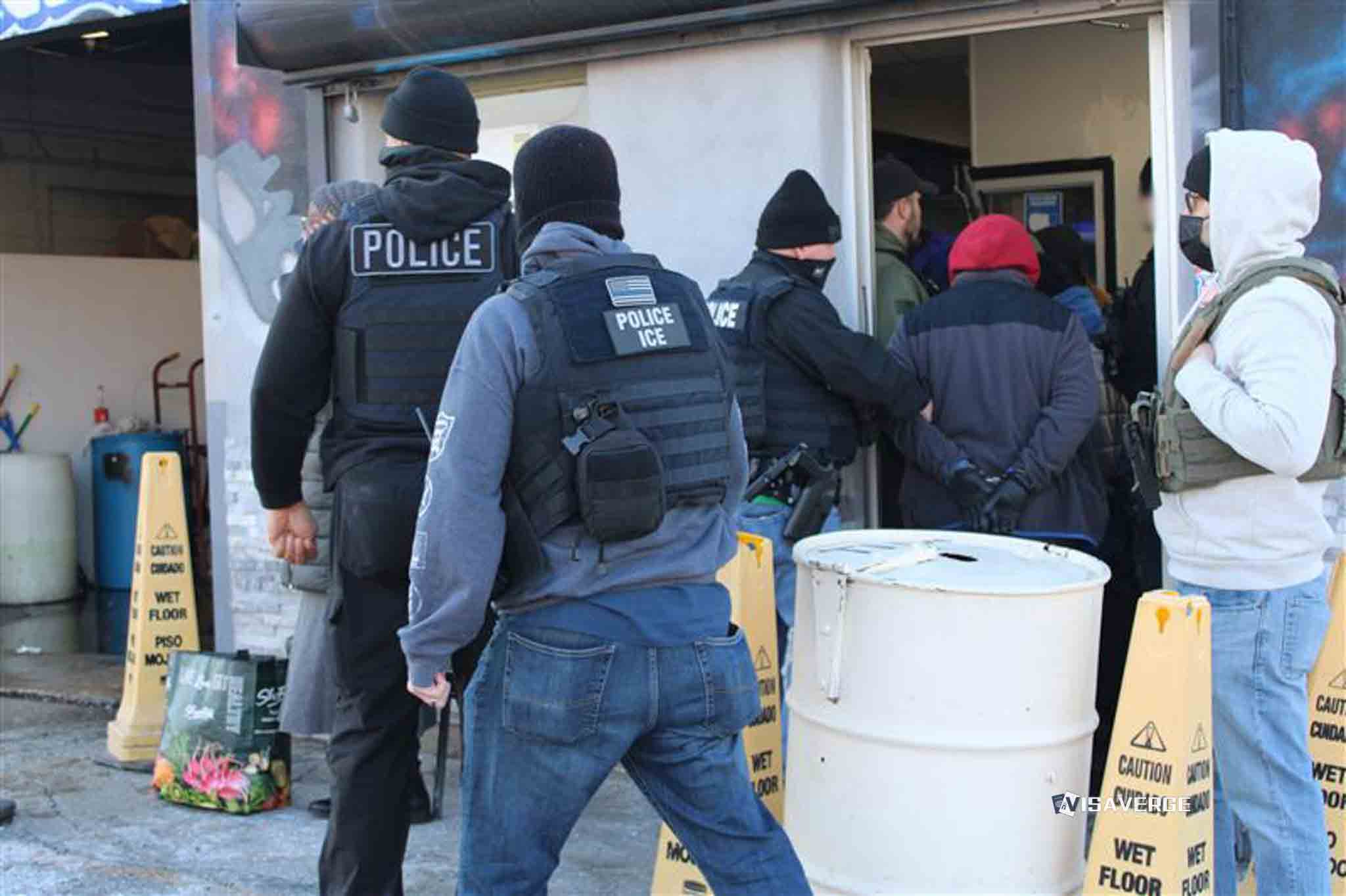
(MINNESOTA) — A newly introduced bill aims to curb alleged constitutional abuses by ICE and CBP by creating a federal right to sue, mandating body-worn cameras, and rethinking officer immunity amid a backdrop of high-profile Minneapolis incidents and a funding surge.
Section 1: Overview of the ICE and CBP Constitutional Accountability Act (S. 3745)
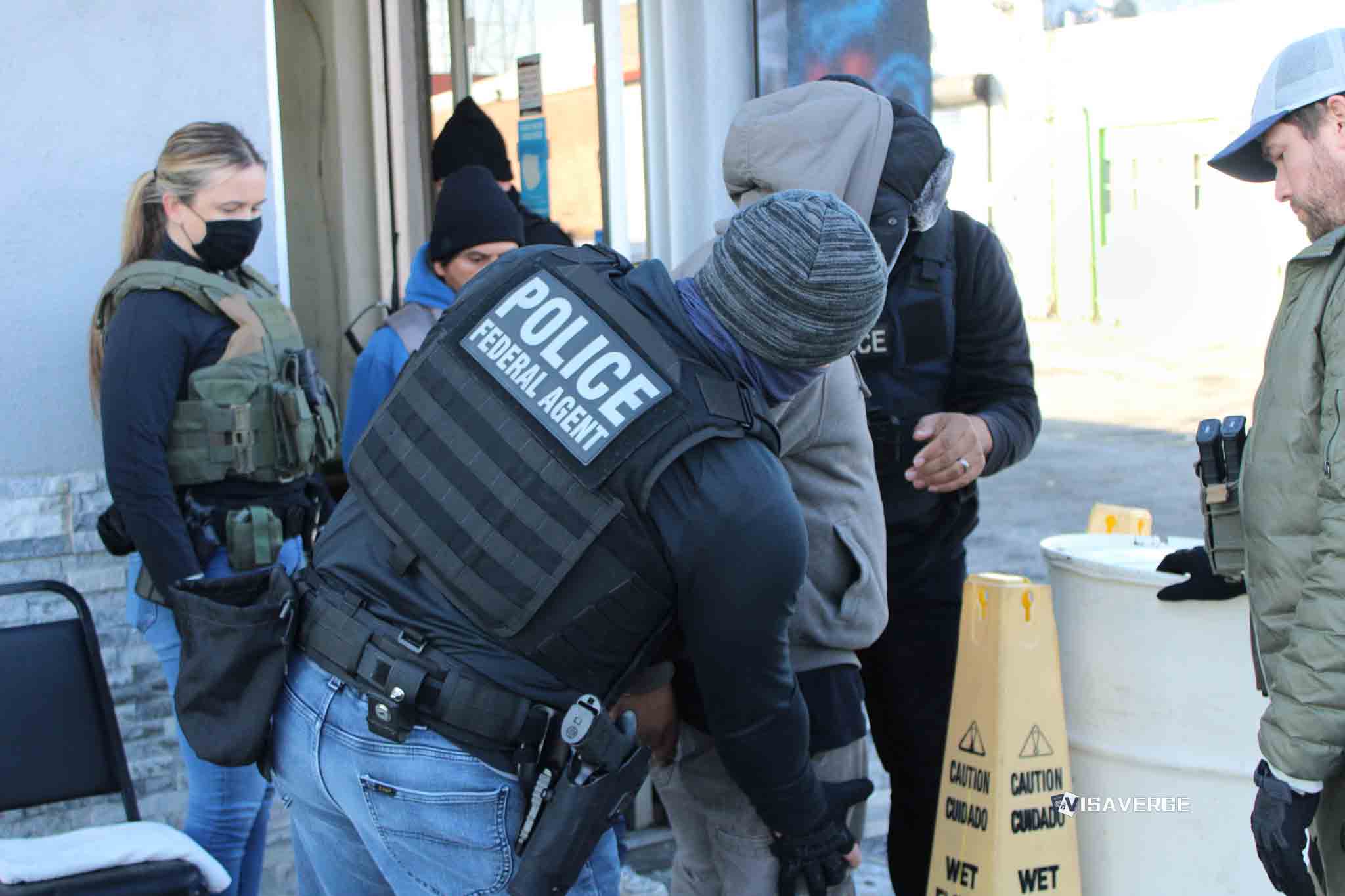
On February 2, 2026, lawmakers introduced the ICE and CBP Constitutional Accountability Act, also known as S. 3745. Supporters describe it as a response to repeated claims that federal immigration enforcement actions have crossed constitutional lines, especially during street-level operations.
S. 3745 is proposed legislation, not current law. That distinction matters: nothing in the bill changes anyone’s rights or remedies unless Congress passes it and it is signed into law.
Until then, existing constitutional rules, federal civil rights doctrines, and agency policies continue to govern ICE and CBP enforcement actions in the United States. The bill’s target is narrow but direct: constitutional violations by federal immigration officers during enforcement actions such as stops, searches, arrests, and uses of force.
Section 2: Key provisions and policy mechanisms
Three mechanisms sit at the center of S. 3745: a new federal cause of action, mandatory body-worn cameras, and changes meant to test the reach of qualified immunity.
A federal cause of action is a legal right written into federal law that lets a person bring a claim in federal court. It answers: “Who can sue, over what, and in which court?” Under the bill, individuals could seek civil damages from the federal government for constitutional violations committed by ICE or CBP officers.
Many enforcement disputes turn on Fourth Amendment protections, which generally restrict unreasonable searches and seizures. Common fact patterns include entry into a home, detention without adequate legal basis, or force used during an arrest.
Body-worn cameras are the second pillar. The bill would require federal immigration officers to wear cameras during enforcement activities and set footage retention rules. Retention matters because video can become evidence in internal reviews, civil litigation, and public accountability processes.
Qualified immunity is the third pillar, and it is often misunderstood. It is a judge-made doctrine that can shield individual officers from personal liability unless prior court decisions clearly established that the exact conduct was unlawful.
Limiting qualified immunity, as supporters describe, would not automatically create liability in every case. It could make it easier in some situations to get past early motions to dismiss and reach fact-finding, where videos, reports, and witness testimony become central.
Operationally, these changes would likely mean more documentation, which can slow disputes down. Litigation also runs on timelines, including deadlines for preserving evidence, filing claims, and responding to government defenses.
Core provisions and affected parties explained in prose rather than a table:
- Federal cause of action for constitutional violations. Applies to individuals alleging harm from ICE/CBP enforcement actions with claims brought in federal court against the federal government. Key impact: creates an explicit pathway to seek civil damages for constitutional claims, often tied to Fourth Amendment protections.
- Body-worn camera mandate and retention standards. Applies to federal immigration officers during enforcement activity and to agencies responsible for storage and compliance. Key impact: expands evidence preservation, supports oversight, and may affect how disputes are investigated and litigated.
- Qualified immunity-related changes. Applies to legal defenses raised in cases involving immigration officers. Key impact: could narrow certain immunity shields, potentially allowing more cases to proceed into evidence-gathering stages.
Section 3: Funding context and criticisms
Debate over S. 3745 is happening alongside a broader fight about money and oversight. Critics have pointed to OBBBA—signed in July 2025—as a key driver of expanded enforcement capacity.
OBBBA provided over $150 billion to DHS, including $75 billion for ICE, across a four-year period. Multi-year funding can change congressional leverage because annual appropriations votes are a recurring checkpoint where lawmakers can attach reporting requirements, restrict uses of funds, or demand policy changes.
Agencies and their supporters argue that stable funding supports mission execution, training, officer safety, and operational readiness. That argument is likely to remain central as Congress debates whether accountability reforms should be tied to future DHS funding choices.
| Funding Mechanism | Amount Highlighted | Potential Oversight Implications |
|---|---|---|
| OBBBA multi-year DHS funding | $150 billion | Fewer annual funding votes may reduce routine opportunities to attach conditions, reporting, or limits |
| OBBBA ICE allocation | $75 billion | Critics argue expanded resources can accelerate enforcement tempo; supporters argue it improves staffing and safety over a four-year period |
Section 4: Significant context: Operation Metro Surge and high-profile incidents
Operation names can sound abstract until people see them on the street. Operation Metro Surge has been described as a high-intensity enforcement initiative concentrated in major cities.
Such operations can raise constitutional questions quickly because they often involve rapid decisions about stops, detention, searches, and force. Minneapolis has been a focal point after two deaths that supporters of S. 3745 cite as catalysts for action.
Renée Nicole Macklin Good was killed in Minneapolis on January 7, 2026. Reporting has identified Jonathan Ross as the ICE agent involved. DHS Secretary Kristi Noem said in a January 2026 press conference that Good “weaponized her vehicle,” describing the event as an attack on officers.
Bystander video descriptions circulated publicly have been cited by critics, but the legal significance of any video typically depends on full context and forensic review. Full investigations and reviews of footage are central to assessing claims and defenses.
Alex Jeffrey Pretti died in Minneapolis on January 24, 2026 after an encounter involving Border Patrol agents while he was filming an enforcement action. Assistant Homeland Security Secretary Tricia McLaughlin said officers tried to disarm him, described violent resistance, and stated an agent fired defensive shots.
Politics has moved quickly as well. A three-day partial government shutdown ended on February 3, 2026, after lawmakers reached a temporary deal extending DHS funding while negotiations continued over enforcement restrictions.
Shutdowns and short-term funding extensions tend to intensify scrutiny and can become leverage points, because operational planning and oversight demands get debated under deadline pressure.
Section 5: Impact on individuals and local/state responses
For individuals, the biggest practical change—if enacted—would be a clearer path to seek damages for constitutional violations by ICE or CBP officers. A dedicated federal cause of action can reduce threshold fights over whether a claim is even allowed.
It may also focus litigation on factual questions: what happened, what the video shows, and whether conduct was reasonable under the Constitution. Video is not a cure-all, but it can change disputes by confirming timelines, identifying officers, and testing competing accounts.
Retention rules also matter when someone is detained, injured, or deported quickly, because evidence can disappear fast. Limits remain: federal enforcement authority is generally not controlled by state law, a concept often described as federal preemption.
States and cities can shape cooperation policies, set rules for their own officers, and create documentation requirements within local systems, but they typically cannot block federal officers from acting under federal authority.
Several local and state responses show the direction of travel. Chicago has promoted an “ICE On Notice” approach aimed at documenting and investigating alleged crimes by federal agents within city limits.
California has discussed a “No Kings Act,” and Colorado has weighed Colorado SB 26-005. Those efforts can influence litigation posture and public record-building even when the central dispute involves federal officers.
Section 6: Official statements and quotes surrounding the bill
Supporters have framed S. 3745 as a civil-rights accountability measure aimed at deterrence and redress. Rep. Andrea Salinas said on February 2, 2026: “President [Donald] Trump’s immigration enforcers are violating our constitutional rights.”
She argued the bill would “forc[e] accountability” by allowing people to sue when ICE and CBP violate rights, adding: “No one is above the law.” Sen. Jeff Merkley, a co-sponsor, said on February 2, 2026 that the legislation would give people “legal tools to hold the federal government accountable for misconduct by immigration officers.”
Agency leaders have pushed back, emphasizing officer safety and legal compliance. DHS Secretary Kristi Noem described the January 7, 2026 shooting as a response to what she called an attempted vehicle attack on officers and labeled it “an act of domestic terrorism.”
Assistant Homeland Security Secretary Tricia McLaughlin, addressing the January 24, 2026 incident, stated officers attempted to disarm an armed suspect, said he resisted, and described the shooting as defensive.
✅ If you or someone you know believes rights were violated, consult a qualified immigration attorney to understand potential eligibility and procedures under existing law (not a substitute for the bill’s passage).
Section 7: Timeline and status to watch
Bills move in stages. After introduction, S. 3745 would typically be referred to committee, where hearings may occur and amendments can be offered. A committee vote (often called a markup) can send it to the Senate floor.
Passage in one chamber is not the end: the House and Senate must pass the same text, or reconcile differences before final approval. A House track matters here too: a House version is being led by Rep. Andrea Salinas, and House action is a separate procedural path that may move on a different timetable.
Funding deadlines can also shape attention. Continuing resolutions, shutdown threats, and DHS funding fights often pull enforcement oversight into the center of budget negotiations, even when bills are not formally linked.
⚠️ Read official bill text on Congress.gov for exact definitions and standards; this article summarizes proposals and current law may differ.
Section 8: Official government sources and where to read more
Start with Congress.gov for the complete text of S. 3745, its summary, actions, and cosponsors. For agency statements, use the DHS Newsroom.
To keep enforcement separate from benefits processing, follow the USCIS newsroom for immigration benefits updates and policy announcements: https://www.uscis.gov/news
Verification is a habit, not a slogan. Read the bill language itself before relying on headlines or social media summaries, especially on terms like “cause of action,” “damages,” and “qualified immunity.”
This article discusses proposed legislation and current events related to immigration enforcement. It is not legal advice. For specific guidance, consult a licensed attorney and rely on official bill texts and agency statements.
Quoted material should be attributed to the original speakers and interpreted in context.