Section 1: Overview: Kansas ICE detention center poised to open amid local Catholic objections
Wednesday, February 11, 2026 — A massive warehouse in south Kansas City is being eyed for a regional immigrant detention complex, a plan backed by DHS/ICE with no-bid funding while local Catholic leaders and city officials challenge its scale and legal footing.
The proposal centers on converting an industrial building in the 49 Crossing industrial district near the former Richards-Gebaur Air Force Base into what many residents describe as a “mega-center.” Federal officials frame the project as part of a broader expansion of detention capacity. Critics argue it would intensify family separation and harm human dignity.
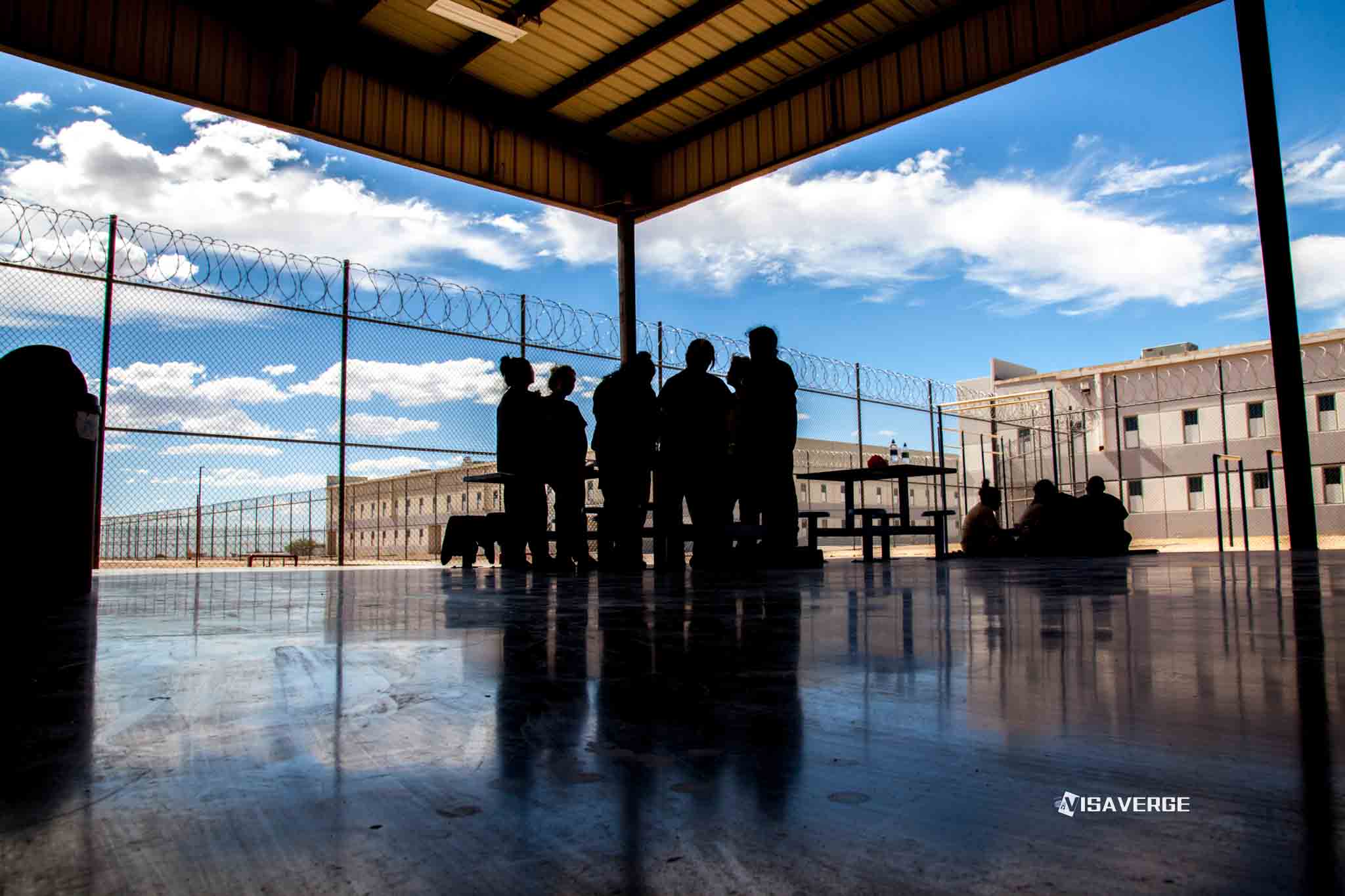
Local Catholics have become a visible part of the opposition. Clergy, parishioners, and community groups have urged the project’s backers to stop the sale and reconsider the site. Kansas City officials, including Mayor Quinton Lucas, have also moved to slow the project through local land-use controls.
At the heart of the dispute is a basic question with major consequences: when federal immigration enforcement seeks new detention space, how much can a city do with zoning and permitting to block or reshape the plan?
Section 2: Official statements and federal positioning
DHS has publicly defended detention expansion as a national priority tied to enforcement goals and new funding. In a January 30, 2026 statement, the Department of Homeland Security said ICE was “actively working to expand detention space,” presenting detention as a public safety step taken before removals.
ICE, for its part, has tried to separate detention facilities from the image of improvised holding sites. In a February 3, 2026 press statement, ICE rejected the claim that it was “warehousing” people. The agency said the sites would be “well structured detention facilities” that meet “regular detention standards.” That language signals the federal position on oversight expectations, including staffing, medical care, and conditions of confinement.
On the ground, local officials and advocates have emphasized different risks. They point to the proposed scale, the industrial setting, and the community impacts that can come with a large detention facility. The result is a split-screen debate. Federal authorities stress standards and mandate-driven capacity needs, while opponents focus on ethics, neighborhood effects, and the human cost of detention.
Section 3: Facility facts & statistics
South Kansas City, MO is the proposed hub for the project. The targeted building sits in an industrial area that has drawn attention because of its size and highway access. Plans described by local officials and advocates would turn the warehouse into a regional detention complex, not a small short-term site.
Ownership and deal structure have also become part of the story. Platform Ventures, led by Terry Anderson and Ryan Anderson, controls the property. The company has publicly stated that negotiations over a sale to the federal government were complete.
Early federal contracting activity suggests the project is not just an idea on paper. A no-bid award to Kpb Services LLC was described as supporting “due diligence and concept design” for mega-centers. that kind of work typically covers site feasibility, early layouts, cost modeling, and compliance planning. It can be a step that precedes a build-out or conversion.
Shawn Byers, ICE Chicago Deputy Field Office Director, toured the Kansas City site with local officials on January 15, 2026. Local leaders took that visit as confirmation that federal teams were scouting for a large regional footprint.
Table 1: Facility facts snapshot
| Item | Detail |
|---|---|
| Proposed facility type | Regional immigration detention mega-center (warehouse conversion) |
| Site | 14901 Botts Road, South Kansas City, MO |
| Area context | 49 Crossing industrial district; former Richards-Gebaur Air Force Base |
| Size (reported) | 920,000–1,000,000 sq ft |
| Detention capacity (projected) | 7,500–10,000 detainees |
| Ownership/control | Platform Ventures |
| Key individuals tied to owner | Terry Anderson; Ryan Anderson |
| Federal contracting tied to planning | $29.9 million no-bid award to Kpb Services LLC |
| Contract purpose (described) | “Due diligence and concept design” for mega-centers |
| Notable site visit | Shawn Byers tour on January 15, 2026 |
Section 4: Objections from local Catholics & clergy
Archbishop Joseph Naumann and other Kansas Catholic bishops framed immigration enforcement tactics in moral terms months before the Kansas City plan drew national attention. In a joint pastoral letter dated August 14, 2025, they warned that “unnecessary raids, mass detentions, and family separations betray the values of our nation and the Gospel.” Many local Catholics now point to that language as a guide for civic action.
Visitation Parish has been pulled into the controversy because of reported connections between prominent parish donors and the warehouse ownership. Critics argue that a business deal enabling a large detention center clashes with Catholic social teaching on welcoming migrants and protecting families. Supporters of the sale, by contrast, have argued the transaction is a property matter, while responsibility for detention conditions lies with federal agencies and contractors.
Organizing has taken several forms. Clergy have spoken at community events, parishioners have pressed for public accountability, and advocacy groups such as Decarcerate KC have helped coordinate protests. A repeated demand has been direct: rescind the sale.
Religious opposition here is not only symbolic. It can shape local politics by rallying voters, influencing elected officials, and keeping pressure on institutions connected to the deal.
Section 5: Local government response & significant context
Mayor Quinton Lucas and the Kansas City Council have tried to slow the project through local land-use authority. On January 15, 2026, the council approved a moratorium aimed at permits and zoning approvals for non-municipal detention facilities. The stated purpose was to pause rapid development while the city assessed impacts tied to safety, infrastructure, and humane treatment.
Local action has limits, though. Cities typically control zoning, building permits, and some public safety rules. Federal agencies often argue they cannot be blocked by local policy when carrying out federal duties. That tension is why immigration detention proposals can turn into litigation, even when a city acts quickly.
Representative Emanuel Cleaver II has also pressed the federal government for answers. On January 13, 2026, he wrote to DHS Secretary Kristi Noem and ICE Acting Director Tom Lyons seeking transparency. Lawmakers in this posture commonly ask for facility plans, contracting explanations, compliance assurances, and the rationale for site selection.
Regional context adds urgency. In Leavenworth, KS, a separate immigration detention center operated by CoreCivic has advanced through local processes. A Planning Commission vote on February 3, 2026 moved that project closer to opening. For Kansas City opponents, nearby development can feel like momentum. For federal planners, it can look like a regional buildout of detention capacity.
Section 6: Impact and legal status
Federal preemption is the key legal friction point. Under the Supremacy Clause, federal law can override state and local rules in many settings. In practice, when a federal agency claims a local measure interferes with a federal mandate, the dispute may shift from city hall to federal court.
DHS and ICE positions in similar disputes often rely on two related arguments. One is preemption, meaning local controls cannot block a federal program. The other is a form of immunity, where the federal government says it is not subject to certain local regulations when acting in its official capacity. In this dispute, Kansas City leaders have pointed to the federal stance that “ICE is immune from any local regulation that interferes with its federal mandate.”
A likely battleground is whether the detention center is treated as a federal project insulated from local zoning, or as a facility that must comply with municipal permitting because of how it is built, owned, or operated. Cases like this often end up in federal district court, where parties may seek injunctions, declaratory rulings, or orders clarifying which rules apply.
Residents watching the Kansas ICE detention center debate can look for practical signals that typically matter in these fights: new federal contracting steps, site preparation activity, city enforcement actions, and court filings that ask a judge to pause or compel permitting.
✅ Monitor federal contracting milestones and local government actions (moratorium status, court filings) to gauge movement on the project.
Section 7: Official sources and references
DHS statements about detention expansion are typically posted through the DHS newsroom on dhs.gov. ICE statements about detention standards and facility expectations are generally published through the ICE newsroom on ice.gov.
Kansas City’s official actions, including moratorium text and legislative records, are usually available through City of Kansas City communications and public meeting documentation.
Faith-based statements, including pastoral letters cited by local Catholics and clergy, are commonly published by the Archdiocese of Kansas City in Kansas and related diocesan channels. Readers looking for the full text of the August 14, 2025 letter can check archdiocesan pastoral letter postings.
This article discusses legal and policy matters related to immigration detention; it does not constitute legal advice.
Readers should consult official DHS/ICE statements and local government documents for current policies and actions.