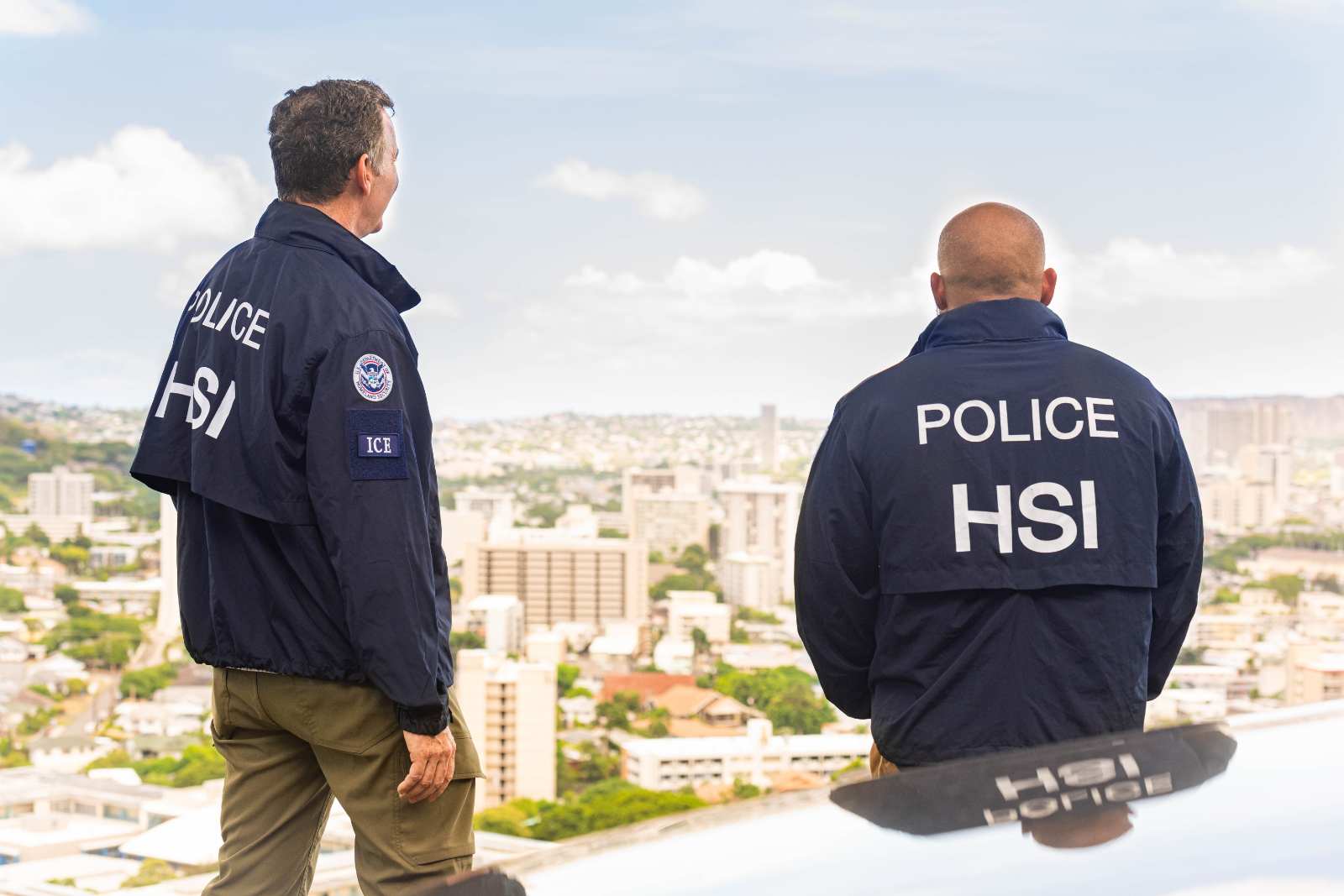
- Vice President JD Vance visits Minneapolis today to oversee massive federal immigration enforcement operations.
- Operation Metro Surge utilizes thousands of federal agents for targeted arrests and removals.
- A controversial court ruling allows the use of force and pepper spray against protesters.
(MINNEAPOLIS, MINNESOTA) — As Vice President JD Vance visits Minneapolis to observe ICE activity tied to Operation Metro Surge, residents are getting a clearer look at the scale of federal enforcement, the legal tools agents say they are relying on, and the growing friction between federal actions and local “sanctuary city” rhetoric.
Section 1: Visit Details and Purpose
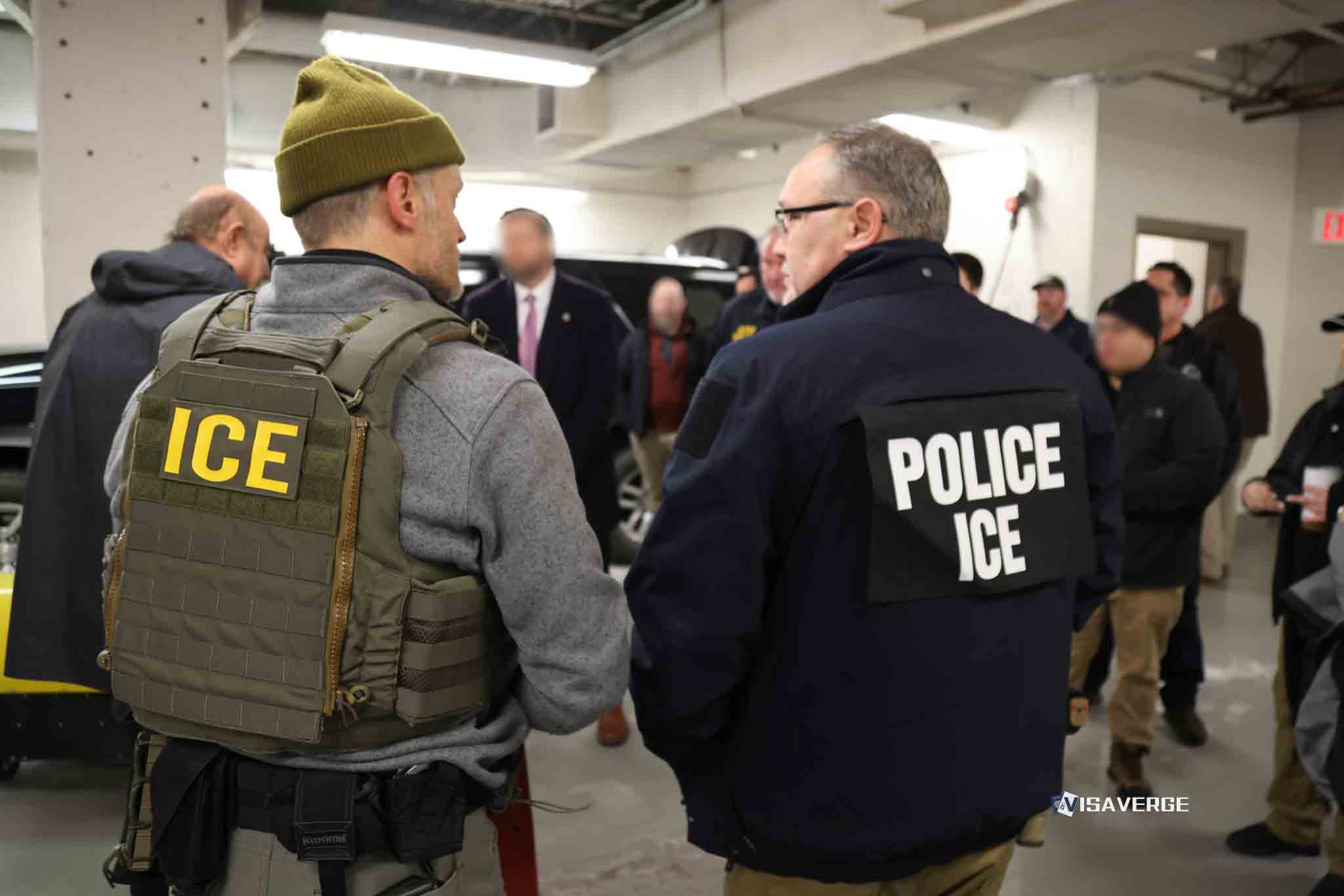
Vice President JD Vance’s schedule in Minneapolis, Minnesota includes meeting with Immigration and Customs Enforcement (ICE) agents and holding a roundtable with local leaders. The visit lands in the middle of Operation Metro Surge, a high-visibility enforcement push centered on the Minneapolis–St. Paul area.
In practical terms, trips like this usually do two things at once. They signal political backing for federal officers, and they increase operational visibility.
That can change how the public interprets day-to-day enforcement activity, even when the legal authority for that activity comes from statutes, warrants, and court orders—not speeches.
The timing matters as much as the location. The Vice President’s travel date is Thursday, January 22, 2026, and the visit is framed as connected to broader federal immigration enforcement priorities, with Minneapolis as the focal point.
Section 2: Official Statements and Quotes
White House messaging around the trip has leaned on a “law and order” frame and a sharp critique of local sanctuary policies. A White House official said the Vice President would highlight the administration’s commitment to restoring law and order in Minneapolis and support for federal immigration officials.
The official also criticized Minneapolis’s sanctuary city policies, arguing they degrade public safety and endanger ICE officers. DHS statements have used a similar posture, but with emphasis on officer safety and constitutional limits.
DHS spokesperson Tricia McLaughlin said DHS is taking “appropriate and constitutional measures” to uphold the rule of law and protect officers and the public from “dangerous rioters.”
Homeland Security Secretary Kristi Noem added a more sweeping claim, stating DHS has arrested “over 10,000 criminal illegal aliens” and blaming Minnesota Governor Tim Walz and Minneapolis Mayor Jacob Frey for refusing to protect residents. Vice President JD Vance, in earlier remarks, argued chaotic scenes occur in “blue sanctuary cities” where local officials resist federal law enforcement.
Public statements like these can shape public perception and may influence enforcement priorities in subtle ways, such as where leadership attention goes or how agencies describe their targets. Still, messaging is not the same thing as legal authority.
A press statement does not replace a warrant. It also does not override a court order. Federal power to arrest, detain, and remove noncitizens comes from statutes and regulations, plus the facts of individual cases. Court orders then set boundaries on what the government may do and how it may do it.
⚠️ Verify dates, numbers, and official statements with DHS/ICE White House sources before publication
Section 3: Key Facts and Policy Details
Operation Metro Surge is described as a major federal deployment to the Minneapolis–St. Paul area, pulling from ICE and U.S. Customs and Border Protection (CBP). The reported scale is large—thousands of agents—and DHS has cited thousands of arrests over a six-week period.
The enforcement scope described by officials includes arrests of people the government says have final removal orders, plus people it claims are connected to gang activity. Those categories are targets as described by the government, not verified outcomes for every person arrested.
A key legal issue is the kind of warrant used at the moment of contact. A May 12, 2025 memo is described as authorizing agents to use force to enter residences based on administrative warrants rather than judicial warrants.
Here is the plain-language difference:
- Administrative warrants are typically issued within the executive branch in immigration matters. In many contexts, they are signed by immigration officials rather than a judge.
- Judicial warrants are issued by a court. They are usually signed by a judge or magistrate and are common in criminal investigations.
That distinction matters for residents and institutions because the legal rules about entry into a home can be stricter than rules about approaching someone in public. Many people hear the word “warrant” and assume a judge signed it. That is not always true in immigration enforcement.
Another major development is the reported involvement of the U.S. Department of Justice. DOJ has issued grand jury subpoenas to Governor Tim Walz and Mayor Jacob Frey tied to allegations described as “obstruction” of federal immigration duties.
A subpoena is not a finding of guilt. It is a legal demand for testimony or documents. Grand jury subpoenas are often used early in investigations. Typical due process steps can include motions to quash, negotiations over scope, court supervision if disputes arise, and later decisions by prosecutors about charges.
Readers can separate confirmed legal actions from messaging by asking one question: is it in a court filing or court order? Press releases can describe a position. Court documents define enforceable limits.
| Aspect | Details from source | Implications |
|---|---|---|
| Agencies involved | ICE and CBP | Joint operations can broaden staffing and resources in one metro area. |
| Staffing level | 2,000 to 3,000 federal agents | Higher visibility may increase community reports of enforcement activity and raise coordination issues with local agencies. |
| Reported enforcement results | 3,000 arrests in six weeks | Arrest totals do not, by themselves, describe legal status, due process steps, or final case outcomes for individuals. |
| Described target categories | Final removal orders; alleged gang involvement | These are claimed targeting criteria; each case still turns on identity, records, and procedures. |
Section 4: Context and Significance
Recent violence and contested narratives form the backdrop to the Vice President’s appearance. Federal officials have portrayed the trip as a show of support for agents after two early-January ICE-related shootings.
On January 7, 2026, ICE Agent Jonathan Ross fatally shot Renee Nicole Good, a 37-year-old U.S. citizen, during a federal operation. The administration has characterized that shooting as self-defense, while local leaders and witnesses have contested that account.
A second shooting occurred on January 14, 2026, when an ICE agent shot a Venezuelan immigrant in North Minneapolis. The FBI later described it as a case of mistaken identity.
Disputed facts do not stay confined to courtrooms. They affect public trust, the willingness of witnesses to cooperate, and the political temperature around enforcement.
Litigation has also shifted what agents may do in crowd-control settings. On January 21, 2026, the 8th U.S. Circuit Court of Appeals issued a stay of a lower court’s injunction. A stay is a court order that pauses an earlier ruling while the dispute continues.
Operationally, that stay allowed federal agents to resume use of pepper spray and other force against protesters. It changes the ground rules quickly. It also raises the stakes for protesters and officers alike.
Section 5: Impact on Affected Individuals
Large-scale, visible enforcement can reshape daily life even for people who are not arrested. Some residents describe a “militarized” feel when federal agents appear in tactical gear or conduct operations near sensitive locations.
Anxiety tends to spread fast in neighborhoods with mixed-status families. Workplaces can also see disruptions when employees fear commuting or reporting in.
School-adjacent activity is especially sensitive. In Columbia Heights, school officials reported that several students, including a five-year-old boy, have been detained or otherwise affected by these operations.
Families who believe a child was affected may want to keep careful records—dates, names of agencies stated, and any paperwork provided—because documentation can matter later in school attendance disputes, custody issues, or requests for records.
For many families, the first reliable updates will come from the school district and official notices, not viral posts. Civic reactions are also building. Local labor groups and activists have called for a general strike on Friday, January 23, 2026.
That is a political and community response, not a change in immigration rules. Still, it may affect city services, commuting patterns, and the flow of reliable information.
Section 6: Official Government Sources
DHS, ICE, and the White House each maintain official newsroom pages where they post press releases, statements, and occasional links to supporting documents. DOJ announcements may also appear through its press office, and court records may be accessible through filings when litigation is active.
When checking an official page, focus on three items. First, look for time stamps and updates that supersede earlier language. Second, distinguish a press release from a court filing. Third, look for named spokespeople and contact information that allows verification.
⚠️ Verify dates, numbers, and official statements with DHS/ICE White House sources before publication
✅ Direct readers to official newsroom pages for updates (DHS Newsroom, ICE Newsroom, White House Briefing Room) and to review court filings when available
This article discusses enforcement actions and policy statements that may affect individuals’ rights. Readers should consult official sources and legal counsel for personal guidance.
Evolving legal standards and court orders may alter enforcement practices; verify updates with official government communications.