- The IRS opened examinations into about one hundred billion dollars in pandemic-loan discrepancies on September 23, 2026.
- The review compares SBA loan applications with tax filings; a mismatch alone does not prove fraud.
- A separate enforcement surge involved more than 160 defendants and about $245 million in intended losses.
The IRS opened examinations on September 23, 2026, into discrepancies tied to approximately $100 billion in loans from the Paycheck Protection Program (PPP) and COVID Economic Injury Disaster Loans. The Small Business Administration announced the review.
The figure marks loans with identified discrepancies. It is not a final finding that the full amount was fraudulently obtained.
Free toolCSPA Age-Out Calculator Online
The agency’s earlier referral to tax authorities covered more than $200 billion in suspected pandemic-loan fraud. Examiners are comparing borrower information submitted to the SBA with data reported on tax filings.
SBA Administrator Kelly Loeffler said the effort is intended to hold borrowers accountable when records show false payroll claims, fabricated employee counts, falsified business documents or other misrepresentations. The review is not a blanket audit of pandemic-era borrowers.
The programs at issue served different business needs. The Paycheck Protection Program offered loans tied to payroll expenses, while the COVID Economic Injury Disaster Loan program provided relief loans to businesses affected by the pandemic.
An examination can lead to additional tax liabilities and civil penalties. Fraud-related sanctions are also possible, depending on the facts in an individual case.
Federal officials tie the review to a wider fraud push
The SBA described the examinations as part of a broader, cross-government effort that includes the White House fraud task force. Vice President JD Vance was cited as part of that initiative.
Officials have described the review as a way to test loan claims against tax information. Mismatches involving payroll, business revenue, employee totals or loan-forgiveness records could draw scrutiny, but the existence of a mismatch alone is not a confirmed fraud finding.
Loeffler said borrowers who supplied false information could face scrutiny from both the loan agency and tax authorities. Her statement pointed to inflated payroll, invented employee counts and falsified business records as examples.
Related enforcement cases have brought criminal proceedings. Attorney General Todd Blanche said pandemic aid was intended to support businesses, not enrich fraudsters.
“Pandemic loan relief was meant to keep American small businesses alive during government lockdowns – not line the pockets of fraudsters.”
The SBA Inspector General William Kirk described Operation No Doze as a coordinated effort to pursue fraud in pandemic relief programs.
“Operation No Doze brings a focused and coordinated approach to pursuing fraud in SBA’s pandemic relief programs.”
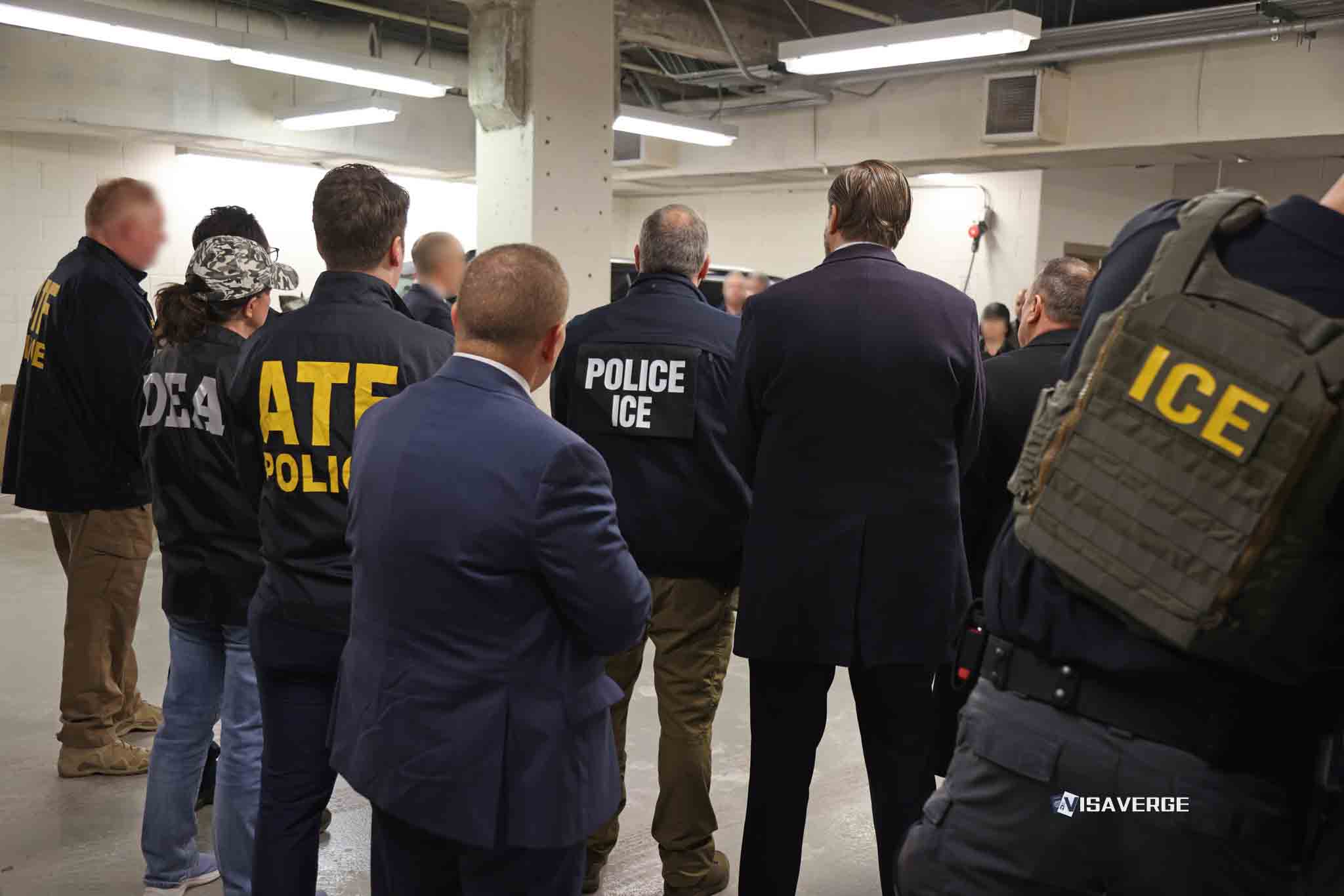
The examinations and criminal cases are separate enforcement tracks. A tax review may produce an assessment or penalties, while suspected criminal conduct can prompt federal law enforcement action.
The 2026 enforcement surge produced separate case figures
The SBA and federal enforcement agencies also reported a nationwide surge in pandemic-loan cases. Those figures describe a separate set of enforcement actions, not the amount under examination by tax authorities.
| Enforcement detail | Reported figure or period |
|---|---|
| Nationwide surge takedown | June 12 to Sept. 1, 2026 |
| Criminal defendants | More than 160 |
| Newly charged defendants | Approximately 80 |
| Intended loss in the surge cases | About $245 million |
| Suspended borrowers linked to suspected activity | 870,000 |
| Suspected fraudulent loan activity associated with suspended borrowers | $39 billion |
The totals show the breadth of the enforcement push, but they should not be combined with the examination figure. The roughly $100 billion concerns loan discrepancies identified for review; the separate $39 billion figure is linked to suspended borrowers in reported enforcement activity.
On Sept. 24, 2026, public accounts repeated the SBA’s figures and Loeffler’s statement. The agency had announced the examinations the previous day.
Repayment demands and collections remain possible
The review could affect tax returns as well as loan records. The agency may examine whether reported income, claimed payroll and other tax information align with the details borrowers supplied to obtain or retain relief funds.
That process does not establish that every borrower with a mismatch committed fraud. Outcomes depend on the records and circumstances in each examination.
The SBA has said suspected fraudsters may receive demand letters and face Treasury collections if they do not repay debts. It has also pointed to possible federal law enforcement action.
This article is for informational purposes only and does not constitute tax advice. Consult a qualified tax professional or CPA about your specific situation.