- Leaked documents reveal ICE is evaluating three sites for expanded detention capacity in North Carolina.
- Proposed locations include Rivers Correctional Facility and two potential sites in the Greensboro area.
- The expansion coincides with a 107,000-bed target and increased federal enforcement actions nationwide.
Section 1: Overview: ICE detention expansion in North Carolina
North Carolina is at the center of a nationwide effort to expand ICE detention capacity, with records showing three NC sites under consideration and a broader context of increasing beds, budget, and enforcement actions. For immigrants and families, the stakes can be immediate. Where you are held affects access to counsel, the ability to gather documents, and whether family can visit. For local governments, new ICE detention sites can raise questions about zoning, public safety messaging, and who controls what.

January 29, 2026 brought new detail into view when the ACLU released 98 pages of redacted documents obtained through FOIA litigation. Those records describe ICE market research and planning steps tied to potential detention capacity increases, including three locations in North Carolina. Separate DHS announcements and public statements around enforcement in the state add policy context, but they do not equal a signed contract or a facility opening.
Use a simple frame when reading developments like these:
- Confirmed: ICE is examining options and collecting information from private operators and sites in North Carolina.
- Proposed: Specific properties and operators are being discussed as candidates.
- Under review: Contracts, scopes of work, oversight terms, and activation timelines can change before any detainees arrive.
Detention expansions can also change transfer patterns. People arrested in one city may be moved hours away to fill beds. That can complicate attorney meetings and court hearing logistics, especially when counsel is based near the place of arrest.
⚠️ Note: DHS/ICE have not finalized approvals; documents describe potential activation timelines and procurement steps.
Section 2: Proposed North Carolina sites and operators
Start by separating “sites mentioned in planning records” from “facilities that will open.” Early procurement documents often come from RFI activity, which is typically market research. An RFP (or a contract award) is a later step that can set pricing, standards, monitoring, and start dates.
1) Rivers Correctional Facility (Winton, NC) — GEO Group, Inc.
Rivers Correctional Facility in Winton, NC is described in records as an “idle” option proposed by GEO Group, Inc., which owns and operates the facility. An idle facility can be attractive to planners because it may be brought online faster than new construction. Still, “ready” on paper is not the same as operational reality.
What activation can imply in practice:
- Ramp-up and staffing: A fast start may still require hiring, training, and vendor setup.
- Transfers into the state: If beds become available, ICE may move people from other regions to fill them.
- Access to counsel: New detention geography can strain local legal aid and private counsel capacity.
Records include procurement milestones tied to the Rivers proposal, including the June 9, 2025 RFI response date and language about activation speed after an award.
2) Former American Hebrew Academy (Greensboro, NC) — The Baptiste Group
The Former American Hebrew Academy (Greensboro, NC) is linked in records to The Baptiste Group. The property previously had a federal use connected to HHS for unaccompanied children, and that contract ended April 1, 2025. A shift from youth placement to adult ICE detention would be a major operational and community change, even if the physical campus exists.
If this site advances, key questions typically include:
- Detention standards and monitoring: What rules govern medical care, discipline, and use-of-force reporting?
- Transportation and court access: How will people reach immigration court or remote hearings, and how will attorneys meet clients?
- Community impact: Traffic, service demands, and local coordination can follow, even without local control of federal decisions.
3) “Greensboro Detention Facility” — The Baptiste Group (limited public detail)
Records also reference a Greensboro Detention Facility with ties to The Baptiste Group in or near Greensboro, NC. The name is not, by itself, a confirmed address or an opened site. When you see a label like this, treat it as a planning reference until a contract, licensing path, or official siting details appear.
How to verify responsibly without spreading rumors:
- Check for official city/county statements about contact or negotiations.
- Ask whether procurement has moved past market research into an award stage.
- Confirm the operator’s role (owner, manager, subcontractor) before assuming who controls daily operations.
Table 1: Proposed NC sites, operators, and status
| Site | Operator | Status/Readiness | What it implies for activation |
|---|---|---|---|
| Rivers Correctional Facility (Winton, NC) | GEO Group, Inc. | Described as “idle” and presented as quickly activatable in procurement language | Could add beds without new construction; may drive transfers and create immediate demand for local legal services |
| Former American Hebrew Academy (Greensboro, NC) | The Baptiste Group | Listed as a potential site; prior federal use ended April 1, 2025 | A change in use could reshape detention geography for the region; oversight terms would be central |
| Greensboro Detention Facility | The Baptiste Group | Referenced with limited identifying detail | Requires careful confirmation of location, contracting status, and standards before treating as an imminent opening |
Section 3: Official statements and quotes from DHS/administration
Public messaging can shape enforcement posture even before a facility opens. Staffing surges, arrest priorities, and coordination with field offices can increase detention intake. Contracting steps, however, are separate from speeches and statements.
Assistant Secretary Tricia McLaughlin made a public-safety case for a North Carolina surge on November 15, 2025, saying DHS was “surging” law enforcement to Charlotte, NC and criticizing “sanctuary” politicians. On February 1, 2026, McLaughlin said the administration would continue to pursue “arrest, detention, and removal” of people described as having no right to be in the country.
Secretary Kristi Noem appeared publicly on February 4, 2026 to highlight border-security messaging and internal enforcement. Those statements do not announce a North Carolina detention contract by themselves. Yet they can still influence day-to-day decisions, including where arrests are focused and how quickly custody decisions are made.
Section 4: Key facts and statistics
Capacity planning is being discussed at a national scale, and the numbers help explain why North Carolina sites are being evaluated.
Start with the budget line. A detention budget figure is not just “money in the bank.” It can reflect congressional allocations for contracts, transportation, staffing, medical care, and facility operations. It can also drive procurement interest by private operators. Recent figures have been described as over $45 billion for ICE detention.
Next comes the bed target. Internal roadmaps have pointed to 107,000 beds by the end of 2026. A target like that can change where detention happens, since ICE can add beds through new sites, reopened sites, or expanded contracts.
Daily population counts are another piece. ICE has reported 70,000 in custody in early February 2026. That figure is a snapshot. It does not show the full flow of people in and out over weeks.
Oversight becomes more urgent when capacity rises. Official notifications have cited six deaths in ICE custody within the first three weeks of 2026. Death reporting, medical reviews, and incident documentation often become central points for advocates and lawmakers during expansion periods.
⚠️ Note: DHS/ICE have not finalized approvals; documents describe potential activation timelines and procurement steps.
Section 5: Context, operations, and local response
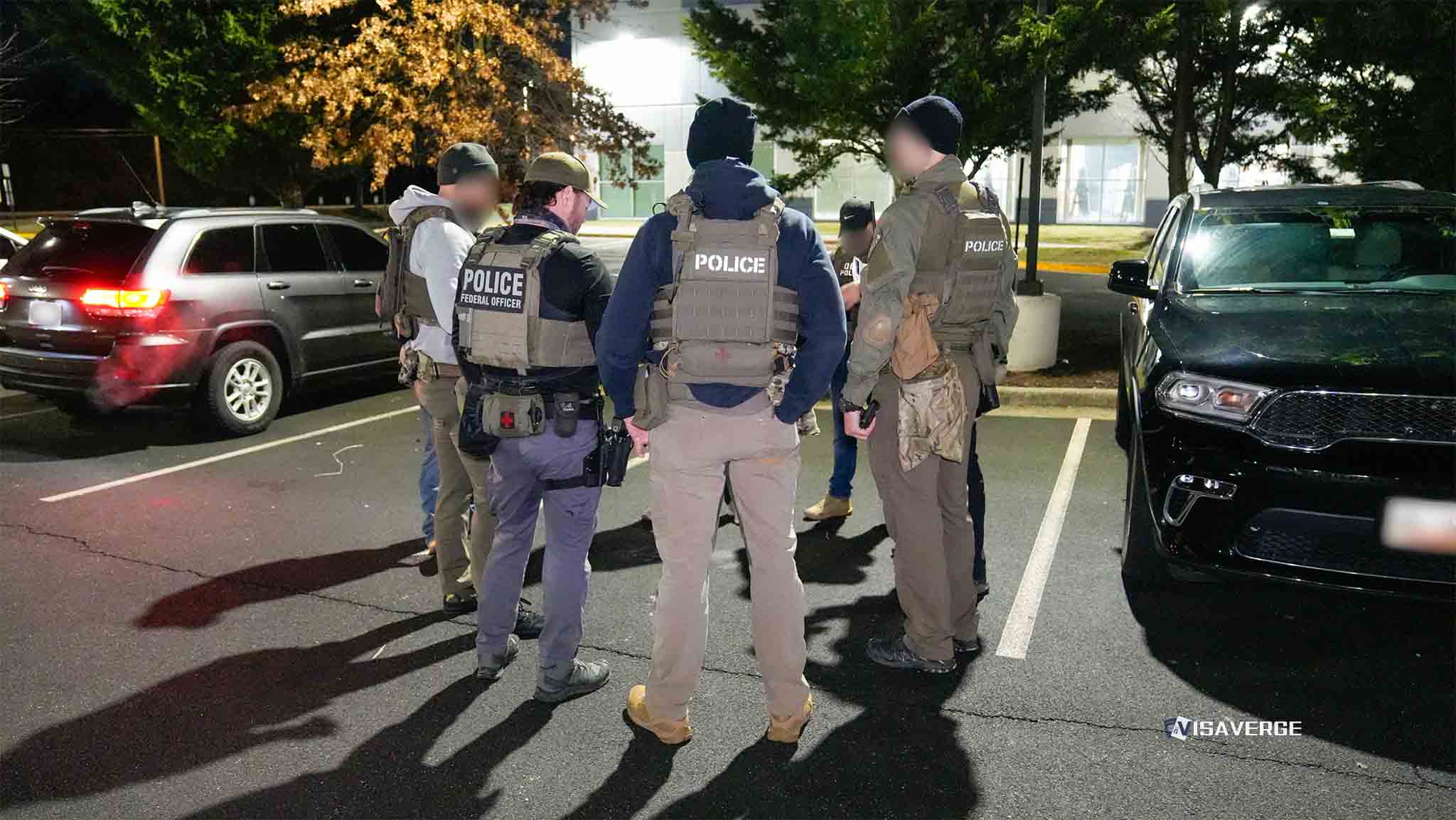
Enforcement operations can change detention demand fast. Operation Charlotte’s Web was described by DHS as a targeted effort in North Carolina tied to “sanctuary” policy disputes, with activity centered on places like Charlotte, NC. Operations like this can increase arrests, which can increase bookings into ICE custody. That, in turn, can increase pressure to find beds nearby.
Greensboro’s position is a separate checkpoint. City officials said on February 6, 2026 that they have not been contacted about a potential detention site and have not entered negotiations. That matters because it signals either an early federal planning stage or a pathway that does not rely on city-led dealmaking.
Oversight also shifted in early 2026. A federal court order on February 2, 2026 required DHS and ICE to restore unannounced congressional inspections of detention facilities after reports tied to overcrowding and medical neglect. Unannounced inspections typically examine living conditions, use-of-force logs, medical access, segregation practices, and grievance systems. Inspection findings can affect contract pressure, operational changes, and public scrutiny.
✅ Verify local government communications and confirm any official outreach or negotiations with Greensboro officials or other NC jurisdictions.
Section 6: Impact on affected individuals and communities
Facility history can matter as much as location. Advocates have raised safety concerns tied to Rivers Correctional Facility, including past findings of violence and sexual assault that contributed to prior federal contract losses. A record like that can shape litigation risk, oversight demands, and the decisions attorneys make about documenting conditions.
For people in custody, legal pinch points often show up early:
- Bond and custody reviews: Timing and access to documents can affect preparation.
- Credible fear and asylum-related screenings: Transfers can interrupt attorney-client contact at critical stages.
- Attorney access and evidence gathering: Phone access, mail delays, and distance from counsel can slow case preparation.
- Medical issues: Care access and recordkeeping can become urgent, especially for chronic conditions.
Families and employers can feel the effects even without a local detention facility opening. Fear of transfers can reduce court attendance, school engagement, and reporting of workplace issues. Anxiety may be heightened for Dreamers and undocumented residents as enforcement messaging increases, but outcomes differ widely by person and case posture.
Protect yourself from scams if you are seeking help:
- Use licensed attorneys or recognized legal service providers.
- Get fee agreements in writing and keep copies of receipts.
- Avoid anyone guaranteeing results in immigration matters.
This article discusses detention policy and enforcement actions. People affected should consult licensed attorneys for legal advice.
The information reflects records up to February 7, 2026 and may evolve with ongoing government actions.