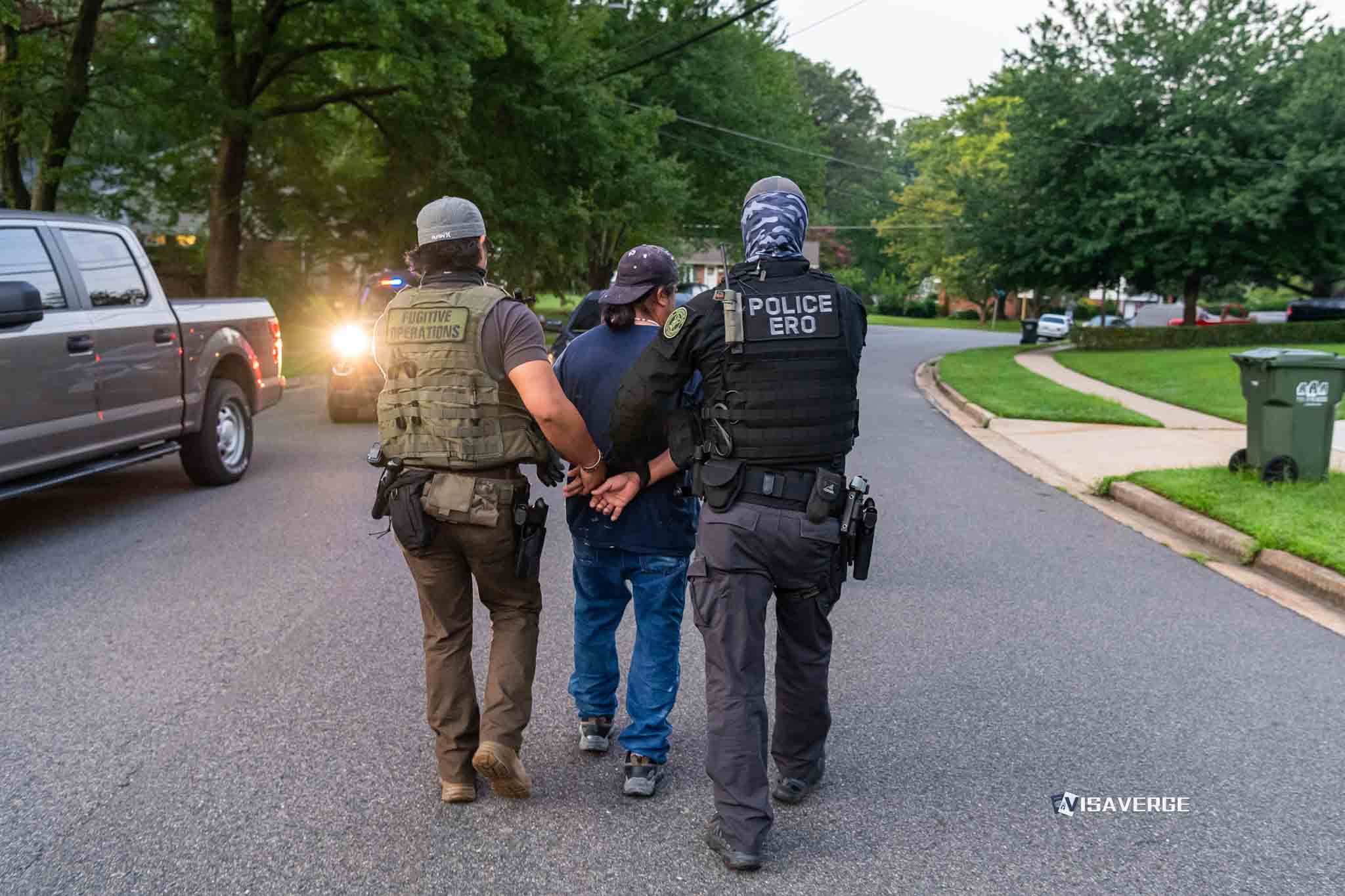
- ICE agents detained a U.S. citizen during subfreezing weather in St. Paul during a mistaken-identity enforcement action.
- The Minnesota DOC confirmed the intended target was already in prison during the time of the residential raid.
- Minnesota’s Attorney General filed a federal lawsuit against Operation Metro Surge alleging unconstitutional tactics and serious record errors.
(ST. PAUL, MINNESOTA) — January 18, 2026, in St. Paul, Minnesota, ICE detained ChongLy “Scott” Thao, a U.S. citizen, in subfreezing conditions while his target was believed to be someone else, prompting a statewide data-accuracy dispute and a federal lawsuit.
Section 1: Incident Overview and Core Facts
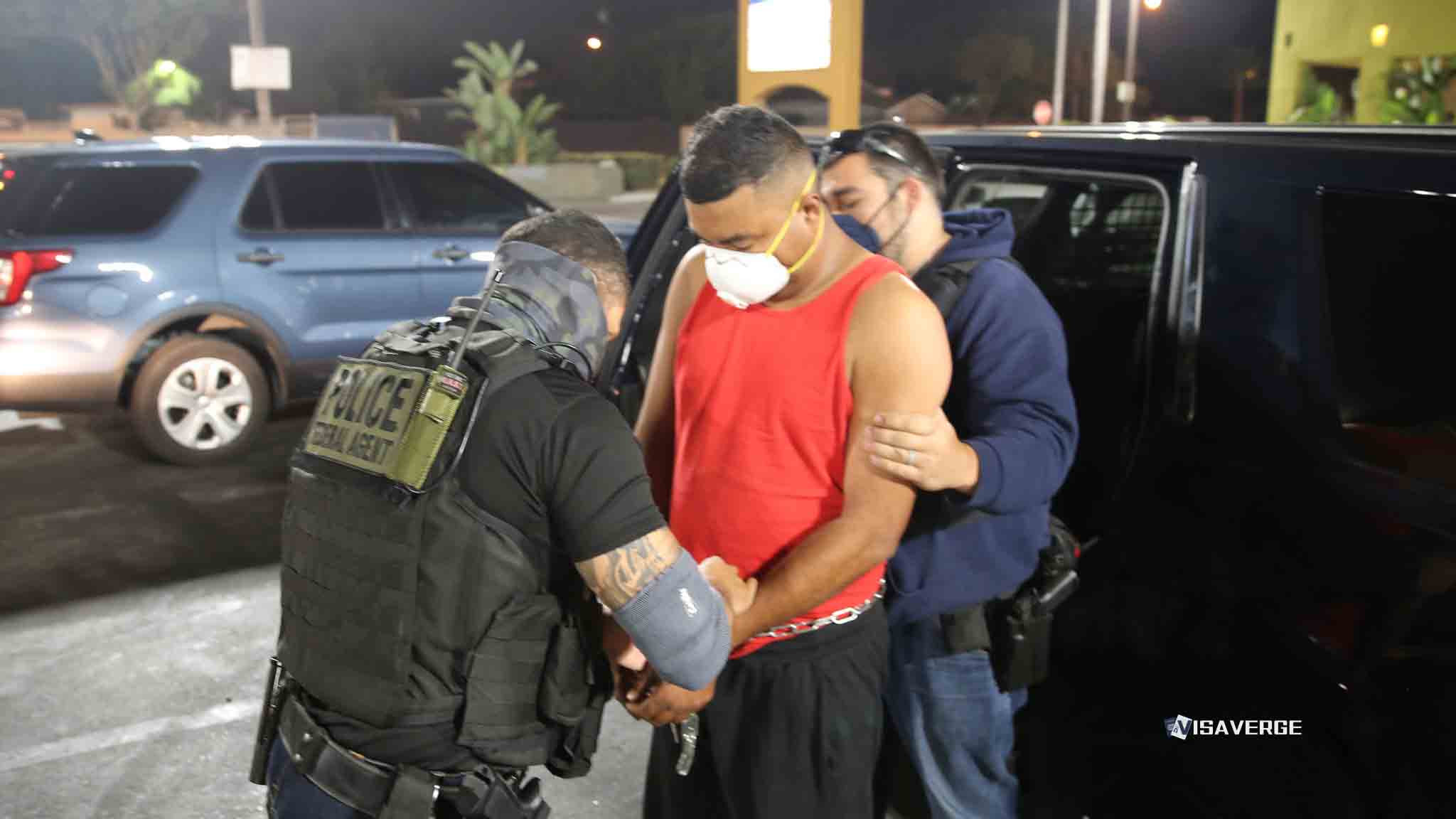
Early accounts describe a fast-moving residential encounter tied to Operation Metro Surge, a stepped-up federal enforcement effort in Minnesota.
ICE agents entered or forced entry into a St. Paul home and detained ChongLy “Scott” Thao, described as a 56-year-old U.S. citizen.
Family descriptions say Thao was brought outside in minimal clothing during subfreezing weather. A 1 child, his 4-year-old grandson, was reportedly present during part of the encounter.
Those details matter because residential enforcement actions raise higher privacy and due-process concerns than many street encounters. They also create a risk of trauma for bystanders.
By the family’s account, agents transported Thao for roughly an hour before confirming his identity through fingerprinting. He was then returned home.
Reports say no charges were filed against him, and no apology was offered at the scene. Operation Metro Surge provides the broader context; DHS leadership has framed the surge as a public-safety initiative.
Local and state officials, meanwhile, have raised questions about errors, accountability, and the legal basis for home-based actions.
Section 2: Official DHS/ICE/USCIS-Adjacent Statements and Claims
Department of Homeland Security (DHS) officials defended the enforcement action as part of a targeted effort to arrest people they described as serious offenders.
Tricia McLaughlin, a DHS Assistant Secretary, said agents believed they were acting on information linking the residence to two targets: Lue Moua and Kongmeng Vang.
McLaughlin’s public description included two key points about identity checks. First, she said Thao “matched the description of the targets.” Second, she said Thao refused fingerprinting or facial identification during the encounter, and DHS portrayed the temporary detention of people inside the residence as a safety protocol for officers and the public.
Separately, Kristi Noem, the DHS Secretary, praised Operation Metro Surge in broad terms. Her public statement described arrests of “3,000 criminal illegal aliens” over a six-week period and presented the surge as a major public-safety win.
For readers, one point often gets mixed up in coverage: U.S. Immigration and Customs Enforcement (ICE) and USCIS are both components of DHS, but they do different jobs. ICE runs enforcement operations like arrests and detentions. USCIS primarily handles benefit adjudications, such as applications for immigration status.
Identity verification can matter in both settings, yet the purpose differs. ICE uses identity checks to decide whether it has the right person in custody. USCIS uses identity checks to confirm eligibility and prevent fraud in applications.
When DHS says fingerprinting or facial identification was refused or could not be completed, that claim does not, by itself, resolve whether the correct person was initially seized. It speaks to what the agency says happened during verification attempts.
The central question in mistaken-identity events is whether officers had reliable identifiers before and during the encounter, and how quickly errors are corrected once biometrics are available.
Section 3: Minnesota Department of Corrections Refutation and Record-Accuracy Dispute
Paul Schnell, Commissioner of the Minnesota Department of Corrections (DOC), publicly challenged the idea that one named target could have been located at that St. Paul residence at the time.
On January 22, 2026, Schnell said Lue Moua had already been incarcerated at the Minnesota Corrections Facility in Faribault, Minnesota since September 2024, with release not expected until January 2027.
Schnell’s criticism went beyond one person’s location. He warned about “serious records problems” and said DHS statements had, in other instances, implied Minnesota had recently released people who were actually transferred to ICE much earlier.
Conflicting custody records matter because enforcement teams rely on cross-agency data to plan operations. Those systems may include corrections databases, law-enforcement indexes, and immigration records.
A mismatch can lead to wrongful stops, home entries aimed at the wrong person, or reliance on stale addresses. Even when an error is corrected later, the detention itself can raise constitutional and civil-rights questions.
| Person | Custody Status (DOC) | Detention Date | Notes |
|---|---|---|---|
| ChongLy “Scott” Thao | Not in DOC custody (described as U.S. citizen) | January 18, 2026 | Detained during Operation Metro Surge; identity later confirmed by fingerprinting per reports |
| Lue Moua | In DOC custody (incarcerated in Faribault, Minnesota) | N/A | DOC said he was already imprisoned at the time of the St. Paul detention |
Section 4: Key Facts and Operational Details: What Typically Happens in a Mistaken-Identity Detention
Mistaken-identity detentions often follow a predictable sequence. A team arrives with a target name and identifiers. An encounter happens quickly; control of the scene comes first, then verification catches up.
Reports from St. Paul describe an entry and a detention that family members say was frightening, including an alleged show of force and the presence of a young child. In many cases, officers try to confirm identity through a mix of steps: checking a physical ID, asking biographical questions, running database queries, and using biometrics such as fingerprints.
Facial recognition may also be used in some settings, depending on agency policy and available systems. Delays can occur for mundane reasons: devices fail, connectivity drops, a person’s name is similar to someone else’s, or data in a database may be wrong or outdated.
In a home setting, speed and tension can magnify the consequences of any mismatch. Reports say Thao was fingerprinted after transport and then released.
“Released without charges” typically means no criminal complaint was filed in that moment. It does not necessarily mean the incident leaves no paper trail. Many enforcement encounters generate internal logs, radio traffic, or booking records, even when no prosecution follows.
Operation Metro Surge adds another layer. Minnesota has seen heightened attention on ICE activity since the surge began in December 2025. Separate reporting about a fatal shooting of Renee Good by an ICE agent on January 7, 2026, has also increased scrutiny of training, rules of engagement, and oversight.
⚠️ Legal and civil-rights implications: A residential detention without clear corroborating custody records can raise due-process and Fourth Amendment concerns, especially if the wrong person is seized. In many cases, the fastest safeguard is basic identity confirmation—documents plus database checks—followed by biometric verification like fingerprints. People may ask what agency is involved, whether there is a warrant, and what the basis is for the detention. Outcomes vary by facts and jurisdiction.
Section 5: Significance, Impact, and Community/Legal Reactions
ChongLy “Scott” Thao’s family has described lasting stress and health effects after the incident, including a reported flare-up of chronic psoriasis. Those personal impacts often appear in civil-rights complaints because they help courts evaluate harm, not just technical errors.
Political reactions in Minnesota have been pointed. Kaohly Her, the St. Paul Mayor, condemned the described tactics as unacceptable. Keith Ellison, the Minnesota Attorney General, filed a federal lawsuit seeking to halt Operation Metro Surge, alleging dangerous, illegal, and unconstitutional stops and arrests.
Lawsuits in this setting often aim at policy-level changes. Plaintiffs may seek injunctions that limit warrantless home actions, require clearer verification steps, impose reporting requirements, or mandate training upgrades.
A court fight can focus on procedure and constitutional standards rather than the character of any one officer. It can also push agencies to explain how records are sourced, updated, and shared across systems.
Separating categories of claims helps readers evaluate updates:
- Allegations include the described warrantless entry, being held at gunpoint, and being detained in minimal clothing in subfreezing weather.
- Official DHS claims include that agents believed they had the right location and that Thao matched target descriptions, plus DHS assertions about refusal of fingerprinting or facial identification at the scene.
- Verified state-custody records, as described by Minnesota DOC, include the Faribault incarceration status of Lue Moua during the relevant period.
Section 6: Official Sources and How to Follow Verified Updates
Readers tracking this story can look for primary, dated records rather than reposts or screenshots. Start with DHS newsroom releases and attributed statements (watch for dates, named spokespeople, and whether DHS issues clarifications).
Also consult Minnesota DOC briefings or written updates that confirm custody status and corrections data, and federal court filings tied to the lawsuit brought by Keith Ellison (motions for injunctions, declarations, and any court orders affecting Operation Metro Surge).
For general legal background on constitutional standards, Cornell Law School’s Legal Information Institute can be a starting point: Cornell Law School Legal Information Institute.
Credibility checks help. Look for an original posting, a clear attribution line, and a timestamp. Compare statements across agencies when they reference the same person or the same date. Corrections often appear as quiet edits, so change logs and follow-up statements can matter.
Specific changes worth watching include custody-status corrections, revised target lists, new DHS directives on residential enforcement, and any court order setting limits or requiring reporting during Operation Metro Surge.
✅ Update watch: Monitor official DHS and Minnesota DOC updates for custody corrections and any court filings related to Operation Metro Surge.
This article discusses legal and policy matters related to immigration enforcement. The information reflects official statements and court-record considerations as of the dates cited.
Not legal advice. For individual legal concerns, seek qualified counsel.