- The UK will eliminate physical visa documents and transition fully to eVisas by late 2026.
- Travelers must create a UKVI account to access their digital immigration status and verify identity.
- A new £16 electronic travel authorisation launches February 2026 for visa-exempt visitors from specific countries.
(UNITED KINGDOM) — UK Visas and Immigration (UKVI) rolled out a full shift to eVisas that links immigration status to an online record, setting out a timeline to end visa vignette stickers and other physical documents by late 2026.
The Home Office-run system replaces paper-based and card-based proof with a digital status that people access through a UKVI account, a change that UKVI says will ultimately scrap physical documents such as BRPs and vignettes.
Overview of the change
Under the new approach, travellers and residents rely less on a physical document that can be lost or damaged and more on keeping their digital record accurate and accessible when they need to prove status.
UKVI built the shift around phased changes in how it issues visit visas and certain other routes, while already moving work and study applicants onto the new system in 2025.
Phased timetable
Key dates and steps in UKVI’s rollout are described below. The timeline moves from a mixed sticker-plus-digital period to fully account-based digital records by late 2026.
- From 12 January 2026. Most successful applicants for visit visas and certain other routes receive both an eVisa and a visa vignette sticker, giving a transitional period where the digital record becomes the primary reference.
- From 25 February 2026. UKVI stops issuing visa vignette stickers to new successful applicants for visit visas and some other types; those travellers must access their eVisa through a UKVI account before travel.
- Later in 2026. UKVI stops issuing all visa stickers entirely, making eVisas mandatory across the system and fully scrapping physical documents like BRPs and vignettes.
UKVI had already replaced stickers for main applicants on work and study visas submitted on or after 15 July 2025, bringing large parts of the system under the account-based model before the visit visa changes in 2026.
What an eVisa is
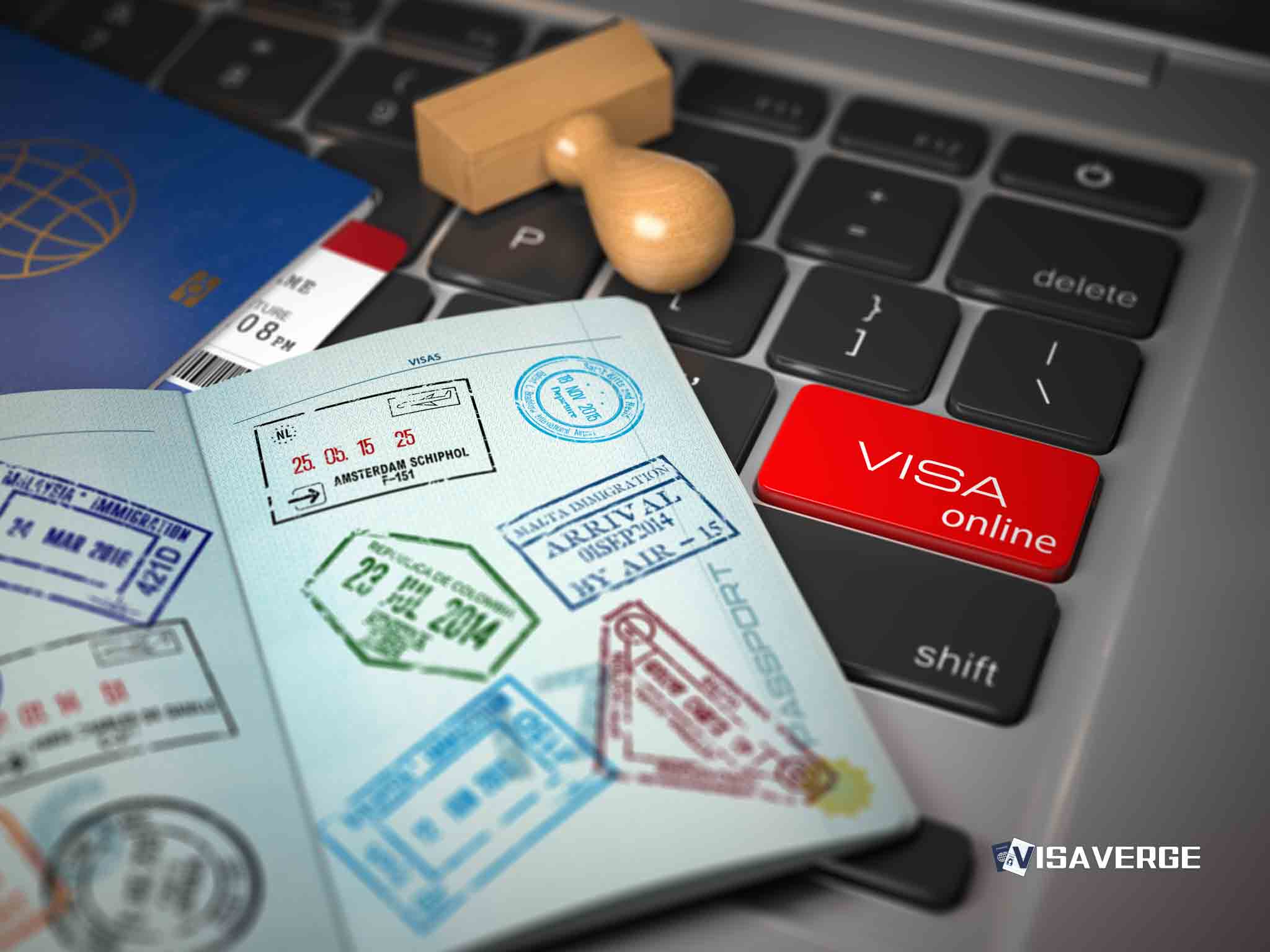
An eVisa, in UKVI’s terms, is a digital record of a person’s immigration status rather than a physical endorsement in a passport.
The move away from visa vignette stickers means the act of proving permission shifts toward logging into a UKVI account and ensuring the status is correctly linked to a passport.
How travellers must prepare
For travellers, the change puts more responsibility on pre-travel readiness. Instead of relying on a sticker at departure, people need to make sure they have created an account where required, completed any identity checks, and kept personal details current so digital checks return a clear match.
- Ensure you have a UKVI account and can access it.
- Complete identity checks via the UK Immigration: ID Check app if prompted.
- Keep name and passport details up to date in the account, especially after changes or renewals.
- Have access to the email and phone number used for the account when travelling.
How to access and use your eVisa
UKVI directs people to create a UKVI account on GOV.UK/eVisa, using their date of birth, an email and mobile number, and a reference number such as a BRP number, UAN, or GWF application number.
That information functions as the bridge between a person’s application history and the digital status record, and it also reflects what travellers may need access to when they are away from home, including their email or phone number.
Identity verification runs through the UK Immigration: ID Check app, which asks users to photograph their identity document, such as a passport, and then take a passport-quality face photo.
UKVI also supports a laptop-to-phone pathway by linking via a QR code if a person starts on a laptop, recognizing the app-based nature of the identity check even when setup begins on another device.
If you start account setup on a laptop, use the QR code option to complete identity checks via the ID Check app on your phone.
Electronic Travel Authorisation (ETA) and fees
The shift also sits alongside a related change for visitors who do not need a visa for short stays. From 25 February 2026, visa-exempt travellers for short stays up to 6 months need an Electronic Travel Authorisation (ETA) before boarding.
UKVI sets the ETA fee at £16. It describes the ETA as valid for multiple entries over 2 years or until passport expiry, linking the authorisation to the travel document and creating a reason for travellers to track passport validity alongside permission to travel.
British and Irish citizens and certain CTA residents are exempt, UKVI says, leaving the new ETA requirement focused on visa-exempt travellers who previously could travel for short stays without pre-travel authorisation.
The ETA must be approved before travel, aligning with the broader move toward pre-departure digital checks by carriers as the UK immigration system relies more on electronic confirmation.
This section leads into an interactive tool that will help travellers determine whether they need an ETA and calculate fees based on passport and travel dates.
Who is affected and exceptions
As UKVI expands eVisas and introduces the ETA requirement, it acknowledges that the move to a digital immigration system does not affect everyone in the same way at the same time.
Some groups, which UKVI says are detailed on GOV.UK, do not need eVisas yet, leaving a mixed environment where requirements depend on the person’s route and status.
UKVI also points to funded support for people who may struggle with the shift to digital proof. It says an additional £400,000 supports vulnerable people via 25 organizations until 31 March 2026.
The support is designed to help those with limited digital access or difficulty completing app-based checks.
Support for people with older or unusual documents
UKVI says people with a Form for Affixing a Visa (FAV) or expired documents can now access eVisas, addressing situations where older or unusual documentation might have made it harder to fit a person’s status into a digital record.
Practical implications for carriers and borders
Airlines and border officials verify a person’s status digitally, UKVI says, shifting the practical pre-departure focus from checking a sticker to ensuring the traveller can be matched to a digital record.
At the UK border, travellers show their passport while carriers receive digital confirmation from the Home Office, bringing airlines into the process of status checks that previously leaned more heavily on visual inspection of a physical sticker.
The same travel flow can extend beyond the UK. For transit through other countries, some may require eVisa proof, adding a planning step for travellers whose itinerary includes connections where officials or carriers may ask for evidence of permission to enter the UK.
Identity verification details
Identity verification uses the UK Immigration: ID Check app. The app asks users to photograph their identity document, such as a passport, and then take a passport-quality face photo.
UKVI also supports linking from laptops to phones via QR code for the app-based checks, emphasizing the mobile nature of identity verification even if setup begins on another device.
Transition management and communications
During the transition, UKVI says it emails select vignette holders to set up accounts, while others are not required unless they are notified.
That approach means some people will move to digital proof through direct prompts, while others may still rely on their existing permission until UKVI requires an account step.
Practical checklist for travellers
- Create a UKVI account on GOV.UK/eVisa if required.
- Have access to the email and mobile number used for account setup during travel.
- Complete the ID check via the UK Immigration: ID Check app and link your passport details.
- Update the account immediately after any name or passport changes.
- Check whether your itinerary or transit countries require visible eVisa proof.
For people travelling after 25 February 2026 on a newly granted visit visa that comes without a sticker, the eVisa becomes the proof of permission.
UKVI’s message is that travellers should not treat the absence of a physical visa vignette sticker as an administrative detail, because carriers and border officials verify the status digitally.
Connectivity, devices and practical considerations
The system’s reliance on connectivity and devices remains a practical consideration. UKVI says the digital system requires reliable internet access and proactive account management to prove status.
That requirement can show up at key moments: before a trip when a carrier needs digital confirmation, at the border when an officer checks status against a passport, or during a passport renewal when a traveller must update details so the record links to the new document.
End state: late 2026
By late 2026, UKVI’s plan to stop issuing all visa stickers entirely completes the shift. At that stage, the immigration system no longer relies on a physical sticker for any category, and physical documents like BRPs and vignettes are scrapped in favour of digital status.
UKVI’s earlier move for work and study main applicants submitted on or after 15 July 2025 offers a preview of how that all-digital approach functions, placing emphasis on app-based identity verification and ensuring passport details line up with Home Office records.
For people who already hold permission documented through earlier processes, UKVI’s approach of emailing select vignette holders about account setup, while not requiring others unless notified, leaves room for a gradual shift. Still, the end point is fixed: the UK immigration system becomes digital, and the era of visa vignette stickers ends later in 2026.