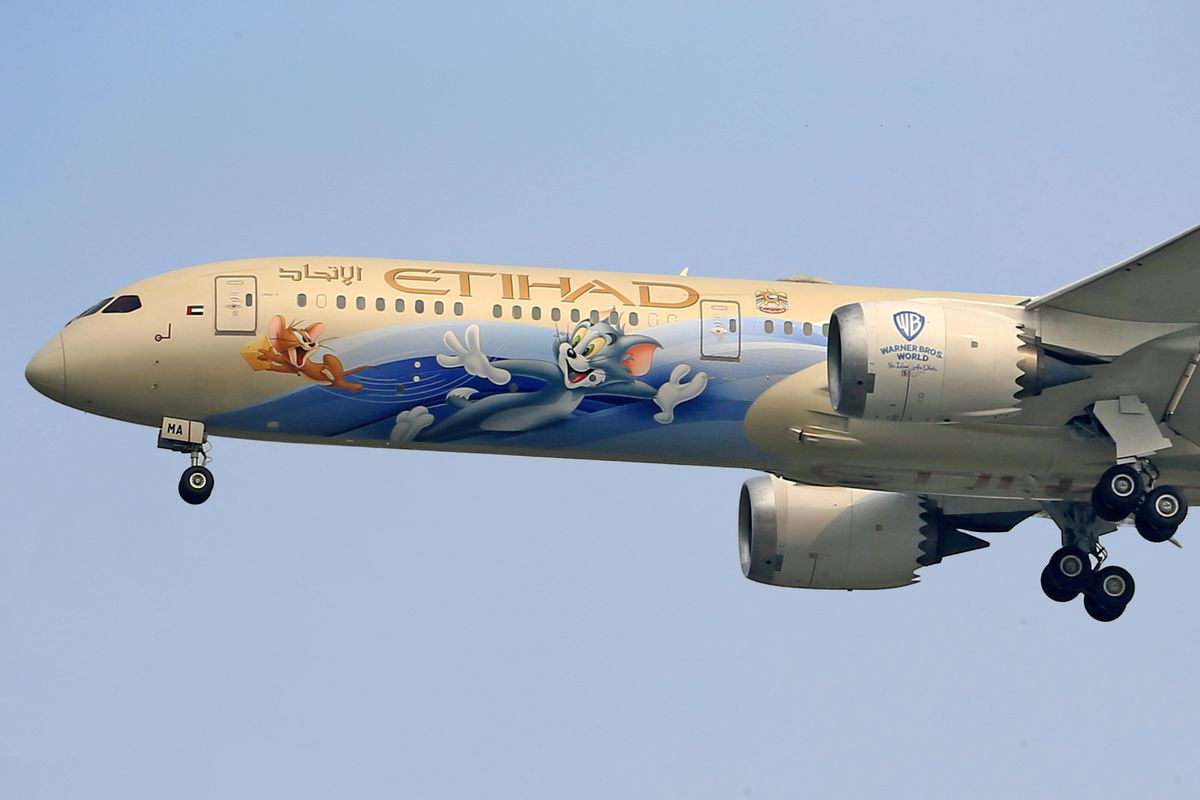
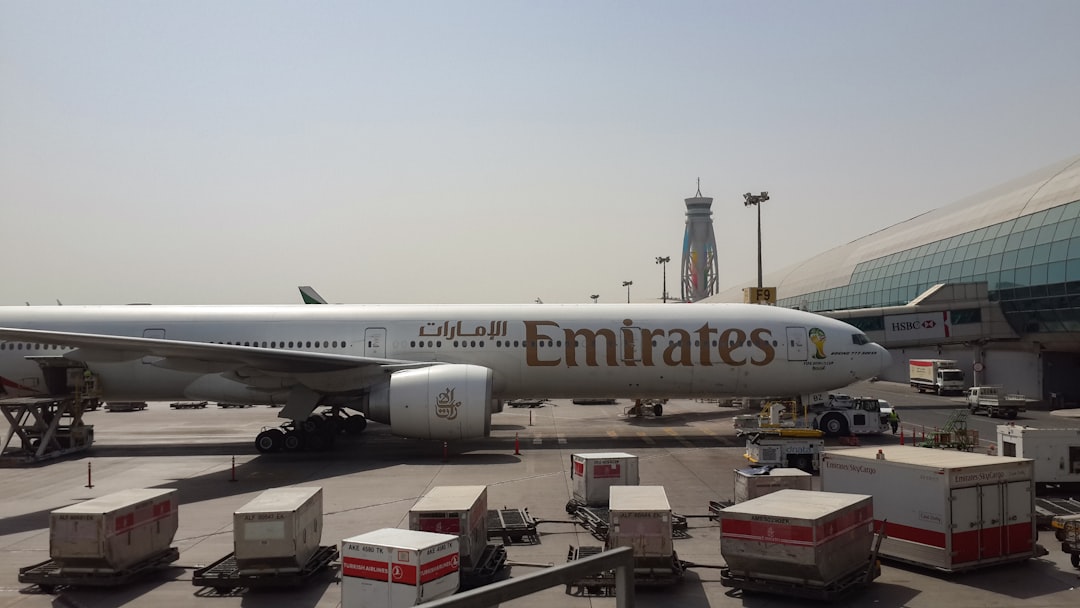
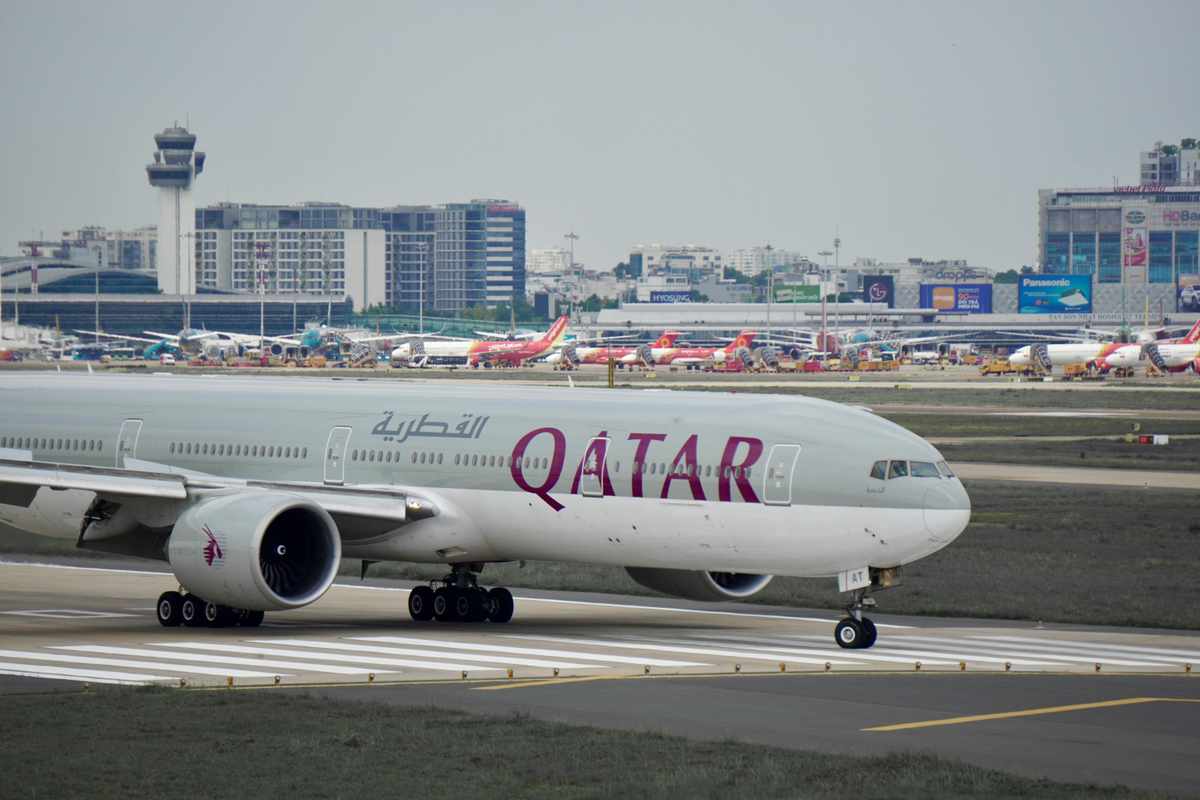
- Reliable travel requires booking foreign airlines into Manas for better rebooking options.
- Mountain weather and limited landing system categories cause frequent flight diversions.
- Kyrgyzstan aims for removal from EU safety list by mid-2026 after audits.
(BISHKEK, KYRGYZSTAN) — If you’re booking Kyrgyzstan in 2026 and you care about getting in on time, your safest play is simple: fly into Manas International Airport (FRU) on a non‑Kyrgyz airline, then connect onward with generous buffers. It costs a bit more, but it’s the most reliable option while low‑visibility landing limits and EU safety restrictions still shape the market.
This matters most in winter and shoulder seasons. Fog, low clouds, and mountain weather can turn a short hop into a diversion.
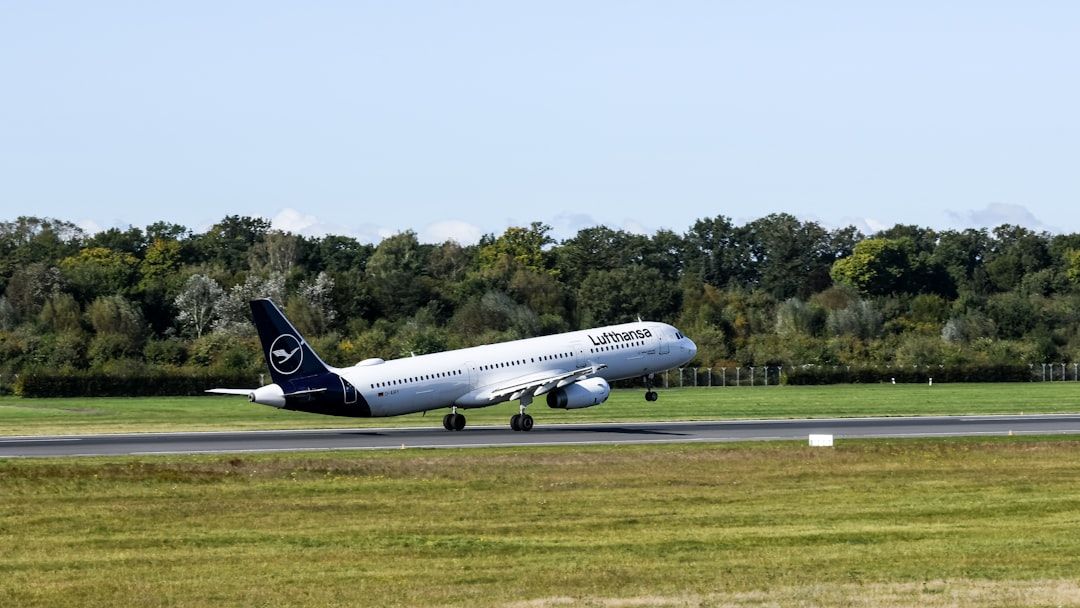
The catch is infrastructure and oversight. At the center is the Instrument Landing System (ILS) capability at Manas, and the country’s continued presence on the EU Air Safety List.
Below is the practical comparison most travelers end up making.
Quick comparison: Two ways to book Kyrgyzstan right now
| Category | Option A: Foreign airline into FRU + local onward | Option B: Kyrgyz carrier for more of the itinerary |
|---|---|---|
| Reliability in poor weather | Stronger overall, especially on the long‑haul segment | More variable, especially on regional segments |
| Exposure to ILS limits at Manas | Still exposed, but better rebooking networks | Exposed, with fewer backup options |
| EU Air Safety List impact | Minimal if you avoid listed carriers | High, including insurance and codeshare limits |
| Connections to Schengen / UAE | Easier via major hubs and alliances | Often requires separate tickets or non‑alliance routings |
| Miles and points earning | Better earning on major programs and credit card portals | Limited partner earning, fewer award sweet spots |
| Best for | First‑timers, tight schedules, business trips | Flexible travelers, budget hunters, regional flyers |
| What can go wrong | Missed connections without buffers | Reaccommodation can be slower after cancellations |
1) Why planes can’t reliably land in some regions of Kyrgyzstan
When travelers hear “planes can’t land,” it sounds political or arbitrary. It’s usually the opposite: it’s math, safety rules, and weather.
Every approach has minimums. If the cloud ceiling is too low, or visibility is too poor, the crew must go around. If conditions stay below minimums, the flight diverts or cancels.
In Kyrgyzstan, this bites harder because several factors combine to raise risk and limit options.
- Mountain weather changes fast. Valleys trap fog and low cloud.
- Remote airports have fewer alternates. That’s a big deal for dispatch planning.
- Terrain raises complexity. Safe approaches need strong nav aids and training.
- There are fewer equipped airports nearby. Diversions can mean long bus rides.
That’s why places like Naryn and Kazarman get hit first. Even if the runway exists, reliable service needs a chain: approach capability, alternates, crew training, and workable dispatch rules.
Manas International Airport is the hub most itineraries depend on. Its landing capability sets the tone for the whole network.
2) ILS category at Manas: why CAT II or III changes everything
An Instrument Landing System (ILS) guides aircraft to the runway during low visibility. The “category” is the level of low‑visibility operation the airport, aircraft, and crew are certified to perform.
Think of it as a three‑part lock: airport equipment and lighting, aircraft systems, and pilots and airline procedures. If one piece is missing, you don’t get the lower minimums.
Categories matter in practice. CAT I approaches typically require a 200‑foot decision height and about 550 meters of runway visual range. CAT II commonly drops to a 100‑foot decision height and around 300 meters RVR. CAT III goes lower still, with variants down to under 50 feet and as low as 75–200 meters RVR, depending on IIIA or IIIB.
Lower minimums mean more “landable” hours in fog and low cloud, which yields fewer diversions and cancellations. That reliability changes airline scheduling and insurance comfort.
Kyrgyz officials have pointed directly to Manas’s current equipment category as a limiting factor. Without higher‑category capability like CAT II or III, airlines have fewer legal and safe options when Bishkek goes gray.
Competitive context helps: many major hubs in Europe and the Gulf built reputations on bad‑weather reliability. Airports like Amsterdam, Frankfurt, and Dubai invested heavily in approach systems, lighting, and procedures. That’s why winter fog often causes delays, not shutdowns, at those hubs.
3) The EU Air Safety List: what it signals, even if you’re not flying to Europe
The EU Air Safety List is often called a “blacklist.” For travelers, it’s a warning label about state oversight and airline compliance, not just one bad incident.
If carriers from a country are listed, it can mean several operational and commercial impacts that ripple beyond Europe.
- Airlines can’t operate commercial flights into EU airspace.
- Codeshares with EU carriers become harder.
- Insurance and leasing can get more expensive.
- Partnerships dry up, which limits routes and rebooking options.
Kyrgyzstan has been dealing with this for years. The issues cited are familiar across many developing aviation regulators: regulatory capacity, fleet compliance, inspector staffing, and salary constraints.
Even if your trip is Bishkek to Dubai, the list still matters. Airlines want interline agreements and travelers want protection during disruptions. A restricted carrier often has fewer tools on bad days.
4) Reform milestones: what they mean, and why the process takes years
Aviation reform doesn’t flip overnight. It’s paperwork, training, audits, and proof that the system works repeatedly.
Below is the timeline Kyrgyz officials have pointed to, in plain terms, and why each step matters as part of a longer certification and oversight process.
- 2006: EU ban era begins for Kyrgyz carriers, tied to oversight concerns.
- 2012: Prior officials publicly cite fleet and regulatory gaps again.
- 2023–2024: ICAO audits are completed, signaling progress on global standards.
- March 2025: An EU audit takes place, focused on oversight and compliance evidence.
- October 7, 2025: A Kyrgyz delegation meets EU officials in Brussels.
- December 2025: A “final audit” step occurs in the process.
- December 16, 2025: The European Commission sends a letter acknowledging improvements.
- January 2026: Restrictions still remain in place pending EU approval.
- May 2026: Officials expect a decision window on possible removal.
Two important translation notes help you read this correctly. First, ICAO audits and EU decisions are not the same thing. ICAO looks at conformance with international standards, while the EU looks at sustained enforcement and documentation.
Second, “acknowledged improvements” is encouraging but not the same as removal. Regulators often wait for a full cycle of proof; they want to see the system working after the audit team leaves.
5) Who does what: regulators, airports, airlines, and IATA
It’s easy to lump everything into “the airline.” In reality, different institutions control different levers.
- The Civil Aviation Agency sets rules, conducts oversight, and proves compliance to foreign regulators.
- Airports control runway lighting, ILS equipment, maintenance standards, and emergency capability.
- Airlines control pilot training, aircraft certification, and operating procedures.
- IATA often supports training, operational programs, and industry standard adoption.
Kyrgyz officials have also talked about modernizing air navigation and digitizing services. That can mean better dispatch, better reporting, and cleaner compliance evidence.
When you read official statements, separate what’s confirmed from what’s projected. “Meeting with IATA” signals intent and support. A published certification and operational approval is what changes your flight options.
6) What this means for regional travel, tourism, and your itinerary choices
If you’re trying to get beyond Bishkek, reliability matters more than the ticket price. A missed regional flight can wipe out a whole trek.
If landing capability and oversight continue improving, travelers could see more consistent schedules to regional airports and fewer weather cancellations during fog season.
- More consistent schedules to regional airports.
- Fewer weather cancellations during fog season.
- Better connections through partners, which helps bags and protection.
- More competition, which can lower fares over time.
For now, plan for reality. Winter mornings can be the worst for fog. Mountain routes can be fickle. If a flight can’t legally get in, it won’t.
Practical expectations for the next few months:
- Build longer connection windows at Manas International Airport.
- Consider overnights in Bishkek before heading to remote regions.
- Keep ground backup options in mind for Naryn‑area trips.
7) One paragraph of history that matters for today
Kyrgyz aviation has been working through recurring themes since at least the mid‑2000s. Fleet condition, oversight staffing, and enforcement consistency have been cited for years.
That’s why the EU process focuses on sustained change. One strong audit is good. Several years of repeatable compliance is what restores confidence.
8) So which booking strategy should you choose?
Choose Option A (foreign airline into FRU + onward) if…
- You have fixed dates for work, weddings, or tours.
- You want easier reroutes through major hubs.
- You care about miles, status credit, and partner earning.
- You’re connecting from the Schengen area and want fewer surprises.
Miles and points angle: bookings on major airlines usually earn more predictably and give you more award options later. If you’re chasing status, that matters.
Choose Option B (more flying on Kyrgyz carriers) if…
- Your schedule is flexible by a day or two.
- You’re price‑sensitive and can absorb a disruption.
- You’re doing domestic hops where options are limited anyway.
- You prefer direct routings when they operate.
Miles and points angle: expect limited partner earning and fewer ways to “fix” your trip with points mid‑disruption.
Schengen and UAE travel requirements: keep the basics straight
Travel rules change, but two evergreen planning points help. For Schengen, ensure your passport validity and entry conditions match your nationality.
Many travelers also need proof of onward travel. For the UAE, double‑check visa eligibility by passport, and keep hotel and return details handy.
If you’re connecting through the UAE as your main hub, you’re also more likely to find multiple daily options. That matters when fog hits Bishkek.
A fair read in January 2026 is this: Kyrgyzstan’s reform timeline is moving, but travelers should still book as if disruptions are possible.
If you want the safest bet for a spring or early summer trip, build your itinerary around stronger networks now, then reassess after the expected May 2026 decision window and the next EU Air Safety List update.
This guide outlines the logistical challenges of flying into Kyrgyzstan in 2026. It highlights how mountain weather and technical landing categories (ILS) impact reliability. It explains the significance of the EU Air Safety List for travelers and tracks the ongoing reform timeline. Ultimately, it recommends using major foreign carriers and building flexible schedules until regulatory improvements are fully implemented and verified by international authorities.