

(UNITED STATES) — Winter Storm Fern is already triggering widespread flight cancellations, and airlines are now activating storm waivers that can save you hundreds in change fees. If you’re flying this weekend or connecting through a major hub, you should assume disruption, make a rebooking decision early, and protect your refund options.
Overview of the disruption
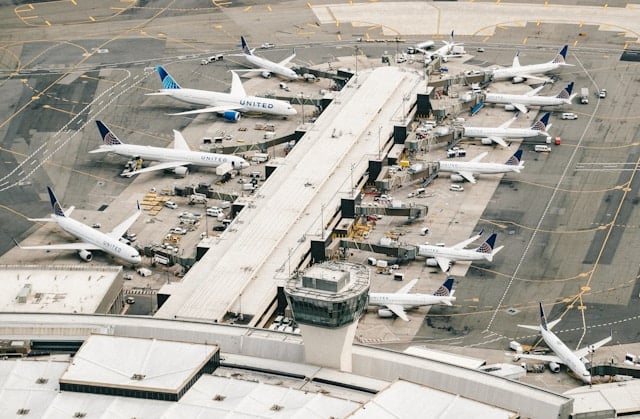
Winter storms don’t just snarl one city. They ripple across the entire U.S. air system for days.
Fern is doing exactly that, with cancellations piling up through the weekend and into early next week. Airlines run hub-and-spoke networks with tight aircraft and crew rotations, which amplifies the effects of delays.
When de-icing lines grow, gates stay occupied longer and aircraft end up in the “wrong” city. Crews time out and can’t reposition, while air traffic control adds flow programs and ground stops that slow everything down even where skies look fine.
Your immediate goal over the next 48–72 hours is simple: confirm whether your itinerary is high-risk, avoid an unnecessary trip to the airport, and lock in the best rebooking or refund choice before seats disappear.
- Confirm whether your itinerary is high-risk
- Avoid an unnecessary trip to the airport
- Lock in the best rebooking or refund choice before seats disappear
This is also the moment to think about trip purpose. If you can arrive a day later and still win, delaying travel can be smarter than fighting the system on peak cancellation days.
Flight cancellations and scale: what it means for your booking
By the numbers, the weekend is shaping up as a classic “systemwide” event. Airlines have canceled more than 3,300 flights for Saturday and nearly 6,000 for Sunday, using FlightAware-style tracking.
When Sunday is worse than Saturday, it usually signals compounding issues. Crews and aircraft don’t reset overnight.
Operationally, that means three things for you. First, the odds of disruption jump even if your flight still shows “on time.” A flight can look fine at 10 a.m. and cancel at 2 p.m. when the inbound aircraft never arrives.
Second, rebooking inventory tightens fast. When thousands of people are chasing the same handful of seats, the “good” options vanish first, including nonstop flights, earlier departures, and reasonable connections.
Third, connections through stressed hubs are far more fragile than point-to-point flying. Airports like Atlanta (ATL), Dallas-Fort-Worth (DFW), and Charlotte (CLT) are seeing extreme cancellation risk. If your itinerary touches those airports, plan as if you will be disrupted.
If you’re choosing between two imperfect options, a nonstop that departs earlier often wins. It reduces your exposure to missed connections and crew timing limits.
Before/After: what airlines’ storm waivers change for you
| Before a waiver (typical rules) | After a storm waiver (typical rules) | |
|---|---|---|
| Change fees | Often $0 on many U.S. carriers, but fare difference applies | Usually still $0, and fare difference may be reduced or waived within limits |
| Eligible travel dates | Whatever your ticket allows | Only specific travel windows count (often a few days) |
| Eligible airports | Your exact ticketed cities only | Expanded to “to/from/through” a list of airports |
| Rebooking deadline | Normal fare rules | A firm “rebook by” date (miss it and normal rules return) |
| Seat availability | Whatever is for sale | Still limited by inventory, even during waivers |
| Refund rights | Usually limited to cancellations or major schedule changes | Still tied to cancellation rules, not the waiver itself |
Delta and American are both using familiar waiver frameworks. Delta’s waiver concept covers dozens of eastern airports, with a rebook deadline of Jan. 28, 2026.
American’s waiver concept targets 34 U.S. airports. It applies to tickets bought by Jan. 19 for travel Jan. 23–25, with changes required by Jan. 25.
American also added 3,200 extra seats via additional flights. That’s a small but real relief valve and can create better reroute options, especially in crowded hubs.
📅 Key Date: Delta customers generally need to rebook by Tuesday, Jan. 28, 2026 to keep waiver flexibility.
⚠️ Heads Up: American’s waiver rules are tighter. If you wait past Saturday, Jan. 25, you may lose the free-change window for covered flights.
Newark Airport (EWR): why this storm hits harder there, plus the international angle
Newark Airport is a frequent winter trouble spot. It has limited slack on gates, ramps, and taxiways during de-icing pushes.
When departure banks bunch up, you’ll see long queues for de-icing and runway access. Even flights that board can sit for extended periods.
For travelers, Newark’s biggest risk isn’t just a cancellation. It’s the chain reaction: a delayed inbound aircraft triggers a late departure, the crew hits duty limits, and a late-night international arrival can miss onward connections.
International carriers can face different constraints than domestic airlines. Aircraft rotations are longer, crews are specialized, and reaccommodation options are fewer.
Air India has canceled all flights to and from New York and Newark on Jan. 25–26. If you’re holding one of those tickets, don’t just check the flight number—check the entire itinerary, including domestic add-ons.
A single cancellation can break protected connections and separate tickets won’t be automatically fixed. If you’re returning to the U.S. through Newark after an overseas trip, consider the knock-on effect: a cancellation outbound can strand the aircraft and crew, which then disrupts the return leg.
For Newark travelers, the best defensive move is rerouting earlier or shifting airports. New York-area alternatives can help, but they can also be stressed in the same weather system. Make the change only if the new routing is meaningfully safer.
Storm details and affected regions: what to expect on the ground
Fern’s forecast is a messy mix: heavy snowfall, ice, and bitter cold across the Central U.S. and the Northeast through the weekend. That combination is what wrecks schedules.
Snow is obvious, but ice and extreme cold are the bigger operational killers. Ice slows de-icing and increases holdover limits, while frigid temperatures can reduce ramp staffing efficiency and slow fueling and baggage handling.
In some cases, ramp work pauses for safety. Disruptions also extend beyond the storm footprint—your aircraft might be coming from a hard-hit region even if your departure city is clear.
- Road conditions can make it hard to reach the airport
- Public transit can run reduced service
- Hotels near airports can sell out fast
- Power outages can complicate remote work plans and rebooking
If you’re a business traveler, build in extra time for Monday meetings. If you’re connecting to a cruise or tour, arriving a day early may be cheaper than a missed departure.
Airline response and customer options: waivers, refunds, and smart rebooking
During storms, your best move depends on whether you must travel. Choose the option that matches your flexibility and risk tolerance.
- Rebook under the waiver. This is usually the fastest path if you still need to go. Rebook as soon as you decide—earlier flights and nonstops disappear first.
- Reroute around stressed hubs. If your itinerary connects through ATL, DFW, CLT, or Newark Airport, look for routings that skip them.
- Delay travel. If you can travel 24–72 hours later, you often get a calmer system and better seat options.
- Request a refund when appropriate. A waiver is not the same as a refund policy—refund eligibility typically hinges on whether your flight cancels or has a qualifying schedule change. Keep documentation and timestamps.
Also think about miles and points. Rebooking in a storm can change fare class, routing, and earning, and a same-day reroute might push you onto a partner flight or a different cabin bucket.
On the redemption side, storms can create surprise award space as airlines try to clear backlogs. If cash fares spike, check your miles—this is especially true on last-seat domestic one-ways.
💡 Pro Tip: If you accept a rebooking, screenshot the original itinerary first. It helps if you later request reimbursement for eligible expenses.
The travelers who do best in storms make one early choice: fly earlier, fly later, or don’t fly at all. If your trip touches Newark Airport or a major hub this weekend, make that call today and act before Jan. 25 waiver windows close and Jan. 28 rebook deadlines hit.
Winter Storm Disrupts U.S. Travel Flight Cancellations at Newark Airport
Winter Storm Fern is causing massive disruptions across the U.S. aviation network, with nearly 10,000 flights canceled over the weekend. Major carriers have issued travel waivers to help passengers rebook. Travelers connecting through hubs like Newark or Atlanta face the highest risk of delays. Experts recommend making early rebooking decisions, prioritizing nonstop flights, and understanding refund rights to navigate the system-wide chaos effectively.


