- U.S. Customs and Border Protection increased device searches by 17 percent to 55,000 in 2025.
- New 2026 directives allow manual basic searches at officer discretion without any prior suspicion.
- Lawyers recommend using burner phones to protect sensitive client data and personal privacy.
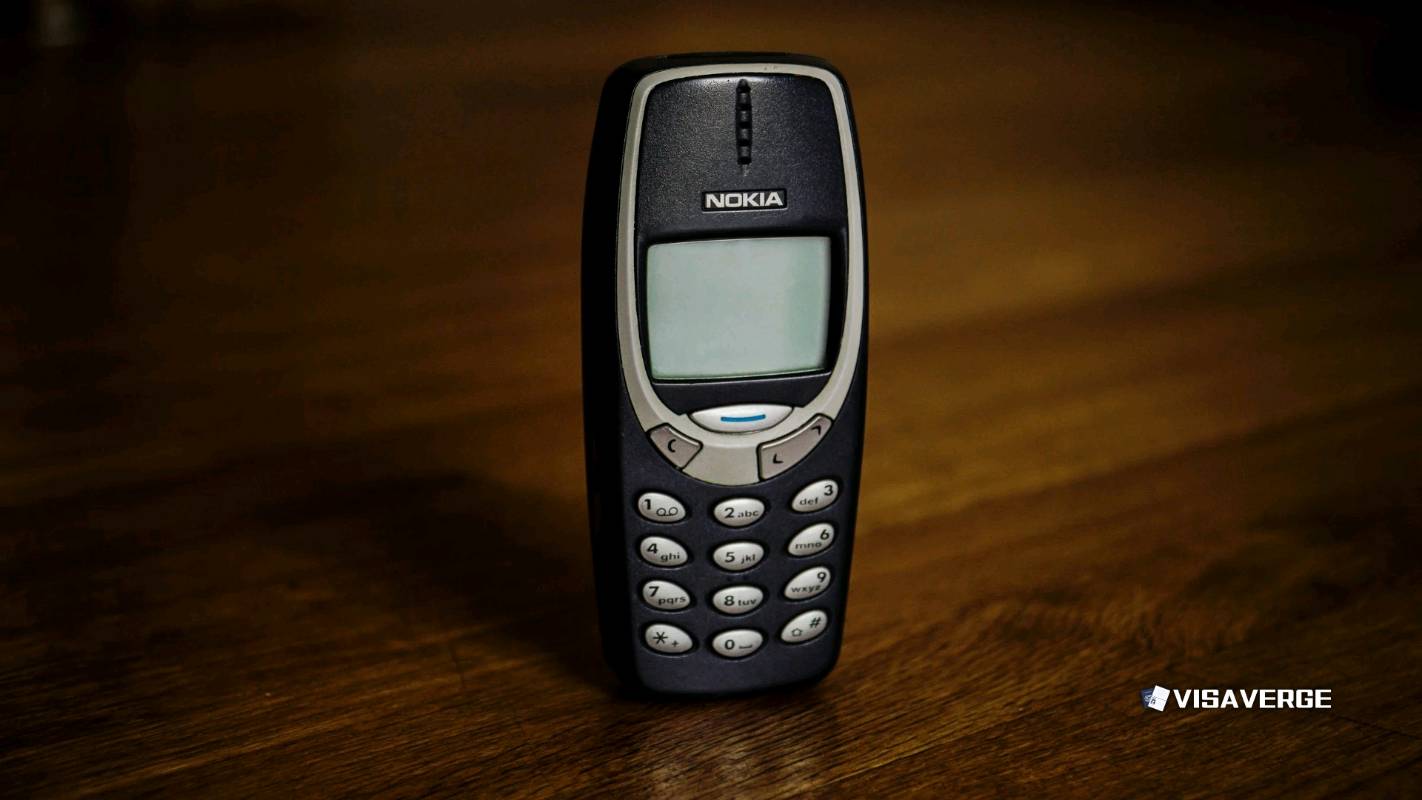
(UNITED STATES) — Canadian lawyers are advising travelers to carry a burner phone when entering the United States as U.S. Customs and Border Protection expands and clarifies rules for electronic device searches at the border.

The advice reflects growing concern over what border officers can inspect on phones, laptops and other devices, and what can happen if a traveler refuses to unlock them. For Canadian travelers and other non-U.S. citizens, that can include denial of entry, device confiscation, or extended secondary interviews.
U.S. border officers conducted approximately 55,000 electronic device searches in 2025, a 17 percent increase from about 47,000 searches in 2024. Those searches accounted for less than 0.01 percent of all travelers entering the country, but the increase has drawn attention from lawyers, civil liberties groups and professionals who carry sensitive data.
CBP’s Expanded Device Search Policy
In January 2026, CBP updated its policies through Directive 3340-049B, broadening the definition of electronic devices that officers may search. The directive covers smartphones, laptops, tablets, cameras, storage media, flash drives, SIM cards, GPS units, smartwatches, unmanned aircraft systems, and vehicle infotainment systems.
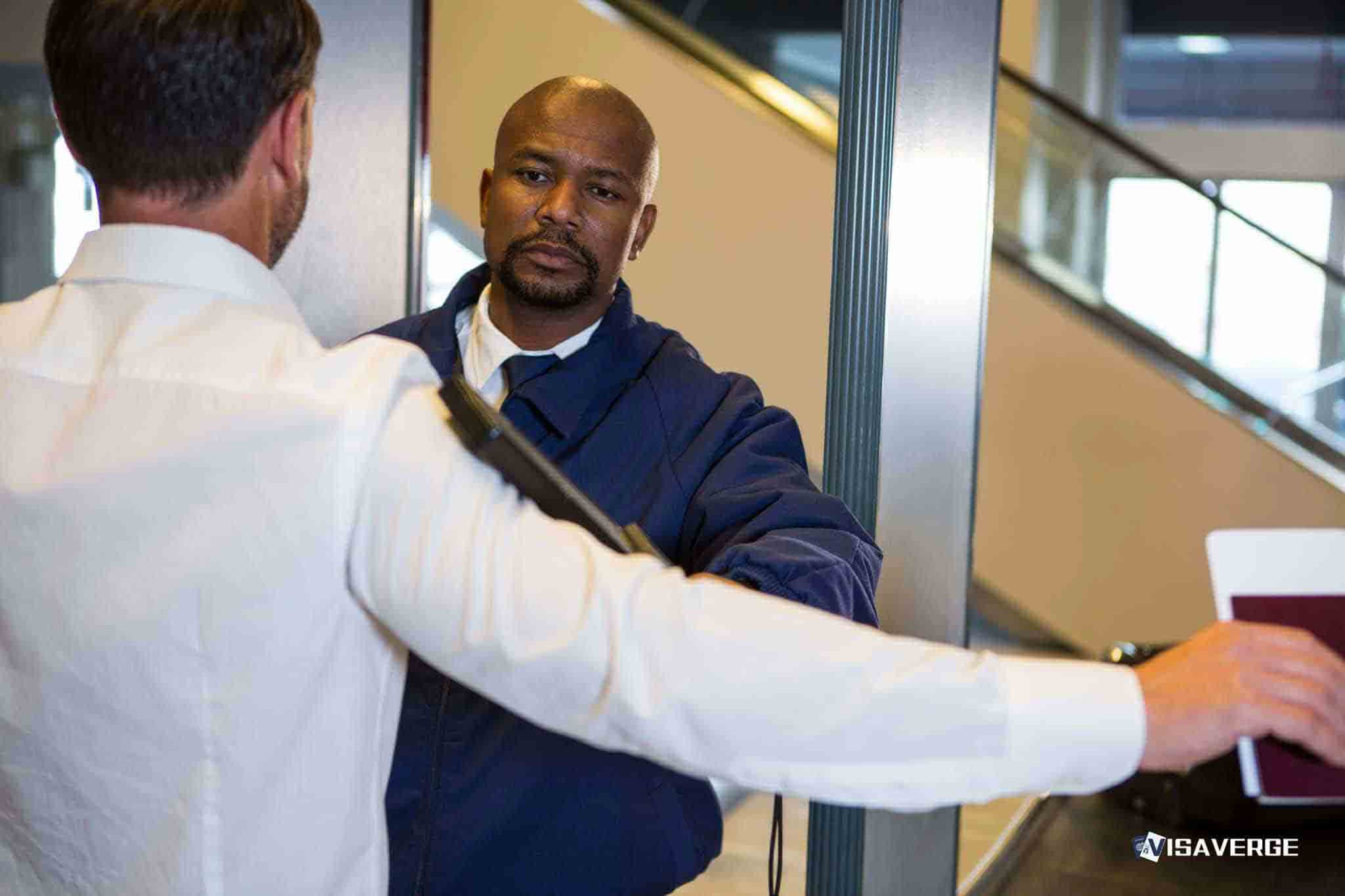
Under the directive, officers can conduct two kinds of searches. A basic search lets officers manually scroll through information stored on a device without external tools, and they can do that at their own discretion without suspicion.
An advanced search goes further. Officers use external equipment to copy or analyze data, and supervisors must approve it based on “reasonable suspicion of activity in violation of the laws enforced or administered by CBP” or when there is a national security concern.
CBP agents do not need a warrant or probable cause to search electronic devices at the border. That stems from the border search exception, which allows broader inspections at ports of entry than officers could carry out inside the country.
What Officers Can See
For travelers, the practical concern is what sits on the device. During a search, officers may access emails, photos, videos, apps and browsing history, and they may request passwords or device unlock codes for a closer examination.
Lawyers in Canada have focused on that risk because they must protect client confidentiality. A burner phone, typically a temporary device with little or no personal or professional data, reduces the chance that privileged material will sit on a phone during inspection.
The same concern has spread beyond the legal profession. Journalists, scientists, executives and business professionals have also adopted the practice to avoid exposing confidential work, while other travelers may want to keep healthcare records, bank statements, financial data or private correspondence off a device.
Benjamin Green, an immigration lawyer, said travelers should understand both the low odds of a search and the breadth of CBP’s authority. “You should not really expect a search. It’s possible. They have the right to. And they’ve had the right to for 20 years plus, albeit a little more increased nowadays,” Green said.
He offered a blunt warning for people who are uneasy about what sits on their phone or laptop. “If you’re concerned about content you have on your digital device, maybe this isn’t the right time to be going to the States, or be prepared for some pushback,” Green said.
Scrutiny of Non-U.S. Citizens
Non-U.S. citizens appear to bear more of the scrutiny. Roughly 41,700 of the 55,000 device searches in 2025 involved foreign nationals, compared with approximately 13,600 involving U.S. citizens.
That means about 76 percent of last year’s searches involved people who were not U.S. citizens. For Canadian travelers, anything officers find on a device could affect whether they are admitted.
Refusing a search remains an option in theory, but the consequences differ by citizenship. U.S. citizens may face delays, device seizure or further investigation, while Canadian travelers and other non-U.S. citizens can face denial of entry, device confiscation or extended detention.
Global Affairs Canada advises travelers that CBP may request a device password for any reason, and refusing may lead to CBP seizing your device. That leaves many travelers weighing privacy against the risk of losing access to the United States.
Limits in the Directive
Directive 3340-049B also set out some limits. CBP cannot intentionally access cloud-only data such as iCloud photos, Google Drive files or Dropbox storage.
Officers may ask travelers to disable network connectivity, including by placing devices in airplane mode, but they cannot use passcodes or other means to reach information stored only remotely. That has made cloud storage a common recommendation for travelers who want to keep sensitive files off a device while still having access later.
The directive also gives special treatment to sensitive, privileged or confidential material, including attorney-client communications, journalistic content, medical files and commercial data. Devices may be detained only for periods deemed reasonable, with detention beyond 5 days requiring supervisory approval and detention beyond 15 days requiring higher-level approval.
CBP may retain data only when permissible or required due to probable cause and must otherwise delete all data within 21 days of search. At the same time, the agency may share retained data with federal, state, local, tribal, foreign, and counterterrorism agencies.
How Travelers Are Preparing
For many travelers, that mix of broad authority and limited protections has made preparation part of routine trip planning. Lawyers and privacy advisers increasingly recommend removing unneeded files, apps, emails and photos before travel, disabling connectivity before crossing, and carrying only the devices needed for the trip.
Keeping devices charged also matters, because a dead phone may raise suspicion or lead to a longer examination. Some travelers now maintain a separate clean travel device containing only the information and applications needed for a trip.
The Canadian Bar Association has issued guidelines advising lawyers to adopt measures such as using burner phones, encrypting data, or removing sensitive materials from devices. For attorneys crossing the border, that can mean leaving client files in cloud-based systems rather than on a phone or laptop.
Business travelers have taken a similar approach to protect confidential communications and financial data. Journalists can shield source material and unpublished work, while researchers can keep proprietary data off a device presented at the border.
Legal Challenges to Warrantless Searches
Civil liberties groups are challenging the legal foundation for warrantless digital searches. In March 2026, the Electronic Frontier Foundation, along with the national ACLU and affiliates in Pennsylvania, Delaware, and New Jersey, filed an amicus brief in the U.S. Court of Appeals for the Third Circuit asking the court to require a warrant for border searches of electronic devices.
The case, U.S. v. Roggio, involves a man whose electronic devices were seized and forensically searched at JFK airport without a warrant while he was under criminal investigation. The district court denied his motion to suppress the data obtained from those searches, and he was subsequently convicted.
Groups backing Roggio argue that warrantless searches of digital devices intrude deeply into private life. CBP, however, says digital searches help enforce immigration and customs laws, detect terrorism-related threats, prevent smuggling and trafficking, identify child exploitation materials, and uncover financial or commercial crimes.
The legal debate has unfolded as border technology expands in other areas too. In addition to electronic device searches, U.S. officers are conducting expanded facial photo collection at many ports of entry, with many previous age-based exemptions removed.
Professor Drew Fagan of the Munk School of Global Affairs & Public Policy said travelers crossing the border have limited rights because of where the inspection takes place. “The United States makes the point that, especially with pre-screening, you’re actually in American territory technically at that point,” Fagan said.
Why Burners Have Become Mainstream Advice
That legal setting helps explain why a burner phone has moved from niche precaution to mainstream travel advice in some circles. A temporary phone with little stored data offers a simple way to reduce exposure if U.S. Customs and Border Protection officers decide to inspect a device.
The strategy does not eliminate all risk. Officers can still inspect the device itself, and refusal to cooperate can still carry consequences, especially for non-U.S. citizens.
Still, cloud-only data remains outside intentional CBP access under the current directive, provided travelers disable connectivity. That has pushed many travelers toward storing documents remotely and crossing with devices that contain as little as possible.
For Canadian travelers, the message from lawyers and government advisories has become more direct as electronic device searches rise and CBP’s rules become more detailed. Green’s advice captures the mood around a practice that remains rare but carries high stakes for anyone whose phone holds more than travel plans: “be prepared for some pushback”.