- WestJet is cutting 15 U.S. routes for Summer 2026, a 32% capacity reduction.
- Air Canada remains the best default replacement for schedule depth and backup options.
- WestJet is shifting focus to domestic routes through Calgary to improve operational profitability.
If your summer 2026 Canada–U.S. nonstop on WestJet disappears, the best “default” replacement is usually Air Canada for schedule depth and rebooking flexibility. If you’re based in Western Canada, the smartest Plan B is often staying on WestJet but connecting via Calgary (YYC), because WestJet is shifting aircraft back into domestic flying.
WestJet is cutting 15 U.S. routes from its Summer 2026 schedule. That’s a 32% reduction in U.S. capacity, measured in Available Seat Miles (ASMs). ASMs are simply “seats times miles flown,” which is a good shorthand for how much flying an airline is really putting into a market.
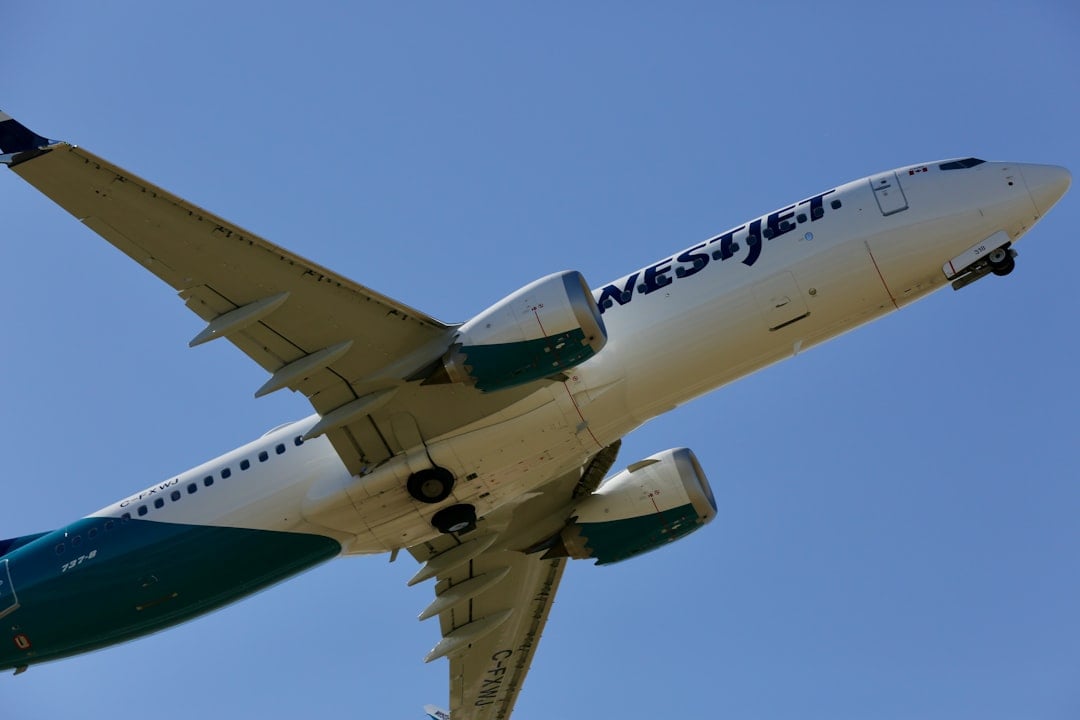
The quick comparison: what to book instead when WestJet drops a U.S. route
| Factor | Rebook on WestJet (often via Calgary) | Air Canada | Porter Airlines | U.S. majors (United, Delta, American) |
|---|---|---|---|---|
| Best for | Keeping WestJet status and benefits | Most nonstop coverage and backup options | Simple onboard experience on select routes | U.S. hub connectivity and same-day backups |
| Nonstop odds on affected city-pairs | Low (since the nonstop is gone) | Often higher on big markets | Limited to Porter’s network | Sometimes available, often via U.S. hubs |
| Connection risk | Medium (Canada connections, weather) | Medium (YYZ/YVR/YUL connections) | Low-to-medium (fewer frequencies) | Medium-to-high (U.S. ATC delays, hub banks) |
| Baggage and fees | Varies by fare; watch “lite” bundles | Varies by fare; Basic can sting | Often clearer inclusions, but check fare | Varies; Basic Economy can be restrictive |
| Miles and status earning | WestJet Rewards earning on eligible fares | Aeroplan earning and status credit | VIPorter earning (and partner links) | Earn in AAdvantage/SkyMiles/MileagePlus on eligible fares |
| Rebooking resilience | Good if WestJet has seats via YYC | Very good due to scale | Good within Porter’s footprint | Strong inside each carrier’s hub network |
WestJet’s pullback is a bigger deal than a handful of seasonal trims. It’s a signal that some thinner transborder flying is getting tougher to make work, especially when travelers are price-sensitive and aircraft can earn more on domestic routes.
What changed in WestJet’s Summer 2026 U.S. routes, and why you should care
WestJet’s Summer 2026 transborder schedule now shows 15 cancelled U.S. routes, after earlier chatter around smaller cuts. For you, that can mean a vanished nonstop, a forced connection, and a different baggage and seat-fee math than you expected.
WestJet’s stated direction is also clear in the pattern. The airline is reacting to softer Canada–U.S. demand, and it’s rebalancing toward flying that should be more consistently profitable.
The cancellations: where they hit, and what “cancelled for the season” really means
The removed routes span multiple Canadian gateways: Calgary (YYC), Vancouver (YVR), Toronto (YYZ), Edmonton (YEG), and Winnipeg (YWG). The affected U.S. cities include a mix of business and leisure demand, like Boston, San Francisco, San Diego, Nashville, Orlando, and Las Vegas.
You may see different totals in different route trackers, often 11 to 17 routes, even though 15 is the most repeated number. That mismatch usually comes from timing. Schedules change in rolling updates, and snapshots can include or exclude limited sub-season service.
A few additional city-pairs have also popped up in some updates, such as Seattle–Edmonton and Seattle–Kelowna. If you’re shopping any of these, verify what’s currently selling on WestJet’s own timetable, not just on a third-party calendar.
When a route is “cancelled for the season,” it typically means you should not expect a nonstop on those dates. You may be offered a connection, a different day, or a refund, depending on what the airline can reaccommodate.
⚠️ Heads Up: If your itinerary still shows the old nonstop, don’t assume it will operate. Pull up the booking in “Manage trips,” and check each flight number and date.
Why these cuts are happening: the transborder market is still uneven
Post-pandemic Canada–U.S. demand has been choppy. Summer demand can be strong, but it is also more price-driven than many airlines would like, and yields can swing fast.
Airlines also have higher operating costs to contend with. When margins tighten, carriers push aircraft toward routes with better unit economics, or toward corridors where they can sell more seats at higher average fares.
WestJet isn’t alone here. Other airlines have also been reshaping transborder flying, trimming certain markets and concentrating on routes that fill reliably and price well.
Your practical alternatives when a WestJet nonstop disappears
When WestJet drops a nonstop, you have four real paths. You can stay with WestJet and connect, switch to a Canadian network carrier, try a Canadian challenger where it fits, or book a U.S. major through a hub.
In some major markets, competitors still operate service that matters to travelers. Examples include Toronto–Las Vegas, Vancouver–San Francisco, and Toronto–Los Angeles, though “served” may mean nonstop on one carrier and one-stop on another.
When you compare replacements, focus on what actually changes your day:
- Total trip time, including connection padding
- Misconnect risk and the number of later flights that day
- Change and refund rules on your fare type
- Checked bag pricing and carry-on rules
- Airport connection hassle, especially if you’re switching airports
Comparison deep dive: WestJet rebooking vs switching carriers
Option 1: Stay on WestJet, even if it means a connection (often via Calgary)
If you’re a WestJet Rewards member chasing status, staying put can be the least disruptive. You keep your account activity in one place, and you avoid learning a new fare ecosystem mid-trip.
The trade-off is time and connection risk. Many former nonstops will now funnel through Calgary, which can be efficient, but it adds a layover and creates more ways for weather or late inbound flights to ruin your timing.
This option is strongest when WestJet can give you a single-ticket itinerary with protected connections. It’s weakest if you end up piecing flights together, because protection can break when tickets are split.
Option 2: Switch to Air Canada for the most network “shock absorbers”
Air Canada is often the best replacement when you care about frequency and recovery options. If something goes sideways, there’s a higher chance there’s another flight later that day, especially over hubs like Toronto (YYZ), Vancouver (YVR), and Montreal (YUL).
For points-and-miles travelers, this can also simplify earning and redemptions if you already collect Aeroplan. If you’re booking cash, pay attention to the fare family. Basic-style fares can cut flexibility and add fees fast.
Air Canada tends to be the “least drama” alternative when you must arrive same-day for a meeting, a cruise departure, or a family event.
Option 3: Porter when it matches your city-pair and you want a simpler onboard feel
Porter can be a great pick when it serves your route and the schedule works. The experience can feel more straightforward than the fee-heavy, bare-bones version of economy you sometimes get elsewhere.
The limitation is scale. If irregular operations hit, fewer daily frequencies can mean fewer rescue options, even if the onboard product is pleasant.
Porter is best when you have a bit of timing flexibility and you value a clean, predictable experience over maximum network breadth.
Option 4: U.S. majors if you want U.S. hub connectivity
United, Delta, and American can be compelling when their hubs line up with your trip. If you’re going to a smaller U.S. city, a U.S. major may offer the cleanest one-stop routing once your nonstop is gone.
The catch is that U.S. hubs can come with ATC delays and heavy peak banks. Also, Basic Economy rules can be strict, and baggage pricing can sting if you assumed Canadian-style inclusions.
This option is strongest for travelers who already hold status with a U.S. carrier, or who need onward connections inside the U.S. on the same ticket.
The Calgary angle: WestJet is leaning harder into domestic feed
On Monday, February 9, 2026, WestJet announced four new domestic routes: Calgary–Sault Ste. Marie (YAM), Calgary–North Bay (YYB), Calgary–Campbell River (YBL), and Terrace (YXT)–Edmonton (YEG).
WestJet also says it’s boosting capacity on core domestic links, including an example of nearly a 50% increase on Halifax–Calgary. For travelers, that matters because more domestic seats can improve connection options via Calgary, even as some U.S. routes vanish.
WestJet is trying to fill planes with steadier domestic demand, then feed what’s left of its transborder network more reliably.
This isn’t the first time: Summer 2025 had transborder suspensions too
WestJet previously suspended nine U.S. routes in Summer 2025. The pattern is a reminder that thinner transborder routes can be more volatile, and that airlines will keep editing summer schedules when booking curves disappoint.
For you, that means it’s smart to treat fringe seasonal nonstops as “nice when they happen,” not as guaranteed staples.
What to do now: confirm, compare, and protect yourself
Industry trackers like Enilria and AeroRoutes have been reflecting these changes, but your north star is still your actual ticket and WestJet’s current operating plan. Timetable markers can also show “effective from” dates, such as April 27, 2026, which are helpful guideposts but not promises for every single day.
If you’re already booked, take a methodical approach:
- Check whether your flight number and departure time still exist.
- See what WestJet is offering as an alternative, if anything.
- Price out competitors with the same bag count and seat needs.
- Decide whether you want speed, flexibility, or loyalty credit most.
- Keep screenshots and receipts of any changes or fees.
Transborder trips also fail for boring reasons, like document issues. Make sure your passport and any required status documents are valid for the entire trip, and don’t wait until check-in to sort it out.
Miles and points: how these changes can affect your earning and burning
A reroute can change more than your arrival time. It can change your mileage strategy.
If you stay on WestJet, a connection may increase your flown distance, but your earn still depends on the fare type and WestJet Rewards rules. If you switch airlines, you might prefer to credit the flight to the program where you’re closest to the next status tier.
On the redemption side, fewer WestJet nonstops can mean fewer easy, nonstop award-style options for certain city-pairs. If you collect points that transfer to airline partners, this is where flexibility pays off, because you can pick the carrier with the best schedule instead of forcing a specific airline.
Choose X if… / Choose Y if…
Choose WestJet (via Calgary) if you’re Western Canada–based, you value keeping WestJet status, and a one-stop itinerary still gets you there at a reasonable hour.
Choose Air Canada if you need the strongest same-day backup options, you’re traveling for a fixed-time event, or you want the broadest transborder network from Canada.
Choose Porter if your route is in its wheelhouse, you prefer a simpler onboard experience, and you can handle fewer frequency choices.
Choose a U.S. major if your final destination is beyond a big U.S. gateway, you already hold U.S. airline status, or you want a single-ticket itinerary deeper into the U.S.
WestJet’s Summer 2026 pullback makes one thing clear: if you’re planning Canada–U.S. travel this summer, build your itinerary around airlines with multiple daily backups, or pick routings through Calgary that still have later flights the same day. If your trip is after April 27, 2026, recheck your booking now, because waiting can leave you with worse connections and pricier remaining seats.