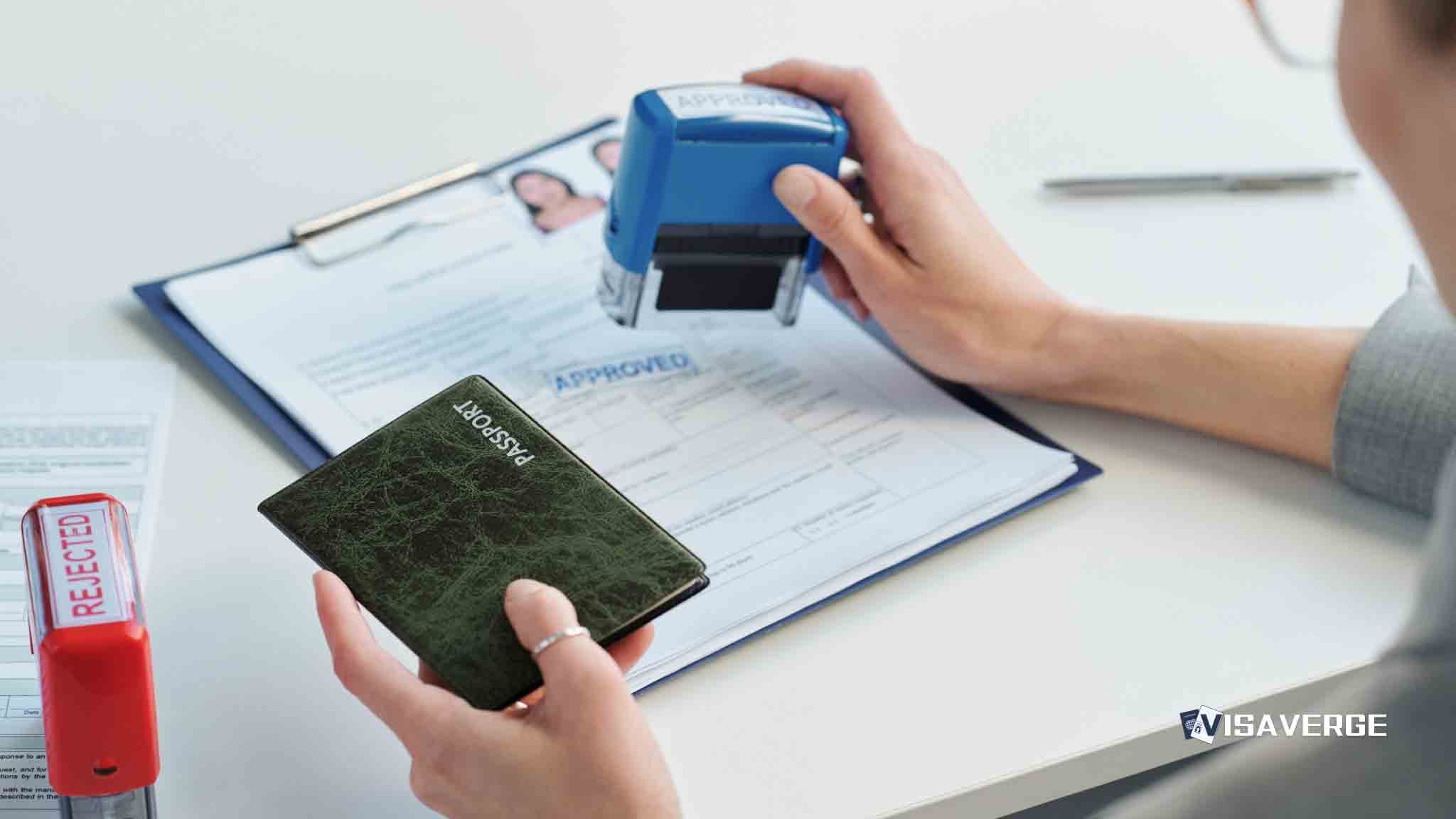
- U.S. citizens must carry a valid passport book for the most seamless international air travel re-entry.
- Green card holders risk presumption of abandonment for absences exceeding six months without a valid re-entry permit.
- Visa holders must monitor I-94 admission records to ensure compliance with authorized stay durations and avoid overstays.
(UNITED STATES) Re-entry to the United States after international travel depends on your status, and the rules are tighter in 2026 for green card holders, visa travelers, and anyone relying on long-term stays abroad. U.S. citizens still have the clearest path home, but they also need the right proof at the border.

For lawful permanent residents, the stakes are higher. Trips beyond 6 months now raise a presumption of abandonment, and a year away without a re-entry permit puts the green card at serious risk. For nonimmigrant travelers, the I-94 record controls how long you can stay, not the visa stamp alone.
CBP officers at airports, seaports, and land crossings verify identity, status, and admissibility. In 2026, the government has expanded biometric screening at all ports, including facial scans on entry and exit. VisaVerge.com reports that these checks now shape routine inspections for citizens and non-citizens alike.
U.S. citizens need proof, not permission
U.S. citizens have an absolute right to enter. The border question is not whether they can come home, but what document proves who they are. For air, sea, and land travel, a valid U.S. passport book works best and must be valid through the date of entry.
A U.S. Passport Card works for land and sea travel from Canada, Mexico, the Caribbean, and Bermuda. An Enhanced Driver’s License is accepted only on certain land and sea crossings. Global Entry, SENTRI, and NEXUS speed processing, but they do not replace the passport.
Children under 16 traveling by land or sea with parents may use a birth certificate and ID. Air travel always requires a passport. Many foreign countries also enforce a 6-month rule, so a traveler can be denied boarding abroad if the passport expires too soon.
Green card holders face the sharpest re-entry test
Lawful permanent residents should present a valid Permanent Resident Card, Form I-551. A standard card usually lasts 10 years, while a conditional card lasts 2 years. That card proves the right to live and work in the United States.
Long absences bring added scrutiny. Trips of more than 6 months can trigger questions about residency. Trips over 1 year without a re-entry permit often lead to denial unless the traveler shows strong ties, such as taxes, a home, family, or a U.S. job.
The main tool for long travel is the re-entry permit. File Form I-131 before leaving the United States, while physically present in the country. The permit can support absences of up to 2 years. As of January 1, the filing fee is $630, plus $85 for biometrics ages 14 to 79, for a $715 total.
USCIS also requires facial recognition at Application Support Centers for this process. Missing the biometrics appointment closes the case. Processing often takes 6 to 12 months, so the timing matters. Applicants should keep copies of the green card, photos, and proof of U.S. ties.
Green cards should be renewed about 6 months before expiration. Conditional residents who need to remove conditions use Form I-751, filed 90 days before the card expires.
Visa holders live and die by the I-94
Nonimmigrant travelers need a valid passport and a valid U.S. visa stamp for entry. The visa allows entry. It does not control the length of stay. That job belongs to the I-94.
After arrival, CBP issues an electronic or paper I-94 record. Travelers should check it immediately at the official I-94 portal. The record shows the admission class, the entry date, and the expiration date. Errors should be corrected quickly through CBP deferred inspection.
Overstaying creates serious problems. More than 180 days of unlawful presence can trigger a 3-year bar. More than 365 days can trigger a 10-year bar. Short overstays may still be explained at the border, but longer ones create larger risks.
The most common visa categories each come with different documents:
- B-1/B-2 visitors: usually admitted for up to 6 months.
- F-1 and M-1 students: keep the I-20, transcript, and school records.
- H-1B workers: carry the I-797 approval notice.
- L-1 transferees: carry the company letter and petition details.
ESTA travelers get 90 days, not flexibility
Citizens of Visa Waiver Program countries, including the UK, Japan, and Australia, may enter for 90 days with ESTA approval. The ESTA, available through the official DHS system, costs $21 and lasts for 2 years.
Travelers need an e-passport with a chip. They also need approval before boarding. ESTA does not allow extensions or status changes. A serious overstay can end future eligibility and lead to a bar on later travel.
Secondary inspection is common enough to plan for
CBP sends 10% to 20% of travelers to secondary inspection for extra review. Long absences, prior overstays, criminal history, or document mismatches often trigger it.
The process usually includes an escort to another area, a facial biometric scan, questions about the trip, and sometimes fingerprints or device review. Officers may admit the traveler, parole them, or refuse entry. Honest answers and supporting papers help the process move more smoothly.
Returning after a long absence needs proof of ties
Green card holders returning after a long stay abroad should carry evidence that the United States remains home. Useful records include a lease, U.S. tax filings, bank accounts, property records, and family ties.
A U.S. tax return filed as a resident matters. A nonresident filing can weaken the case. An expired green card is not always the end of the road. In many cases, the old card works for up to 6 months after expiration when paired with an extension letter.
People with pending adjustment or asylum cases may use advance parole to return without a visa. That travel document must be approved before departure.
Airlines, health rules, and border checks
There are no active COVID-19 testing, vaccination, or mask rules for U.S. entry in 2026. Airline and border checks still matter. Travelers should also watch for customs declarations and any special health requirements tied to the country they are leaving, not the United States.
The same day you travel, carry every document in hand, not in checked luggage. Keep passports, visas, green cards, I-94 printouts, approval notices, and travel itineraries together. For official guidance, the Department of Homeland Security and related agencies post updates at USCIS, CBP, and Travel.State.Gov.
Preparation starts months before the flight
A smart timeline starts 3 to 6 months before departure. Renew passports, confirm visa validity, and apply for a re-entry permit if the trip will last more than a year. Check the I-94 after every arrival. Keep copies of all receipts and notices. Monitor policy changes, because biometric rules and abandonment standards now carry more weight at the border than they did a few years ago.
People with emergencies abroad should contact a U.S. embassy or consulate. According to analysis by VisaVerge.com, the safest travel file is the one that already proves status, intent, and ties before a flight ever leaves the gate.