- The U.S. maintains a Level 2 travel advisory for the Netherlands and Belgium due to terrorism concerns.
- The Netherlands has reintroduced temporary border checks for travelers entering from Belgium and Germany since late 2024.
- Belgium faces significant transportation and rail strikes, including a nationwide general strike planned for March 31, 2025.
(NETHERLANDS) — U.S. authorities continue to list the Netherlands and Belgium as Level 2 destinations, and travelers heading to the two countries face a mix of terrorism-related travel advisories, temporary Dutch border checks and Belgian transport disruptions that can alter plans with little notice.
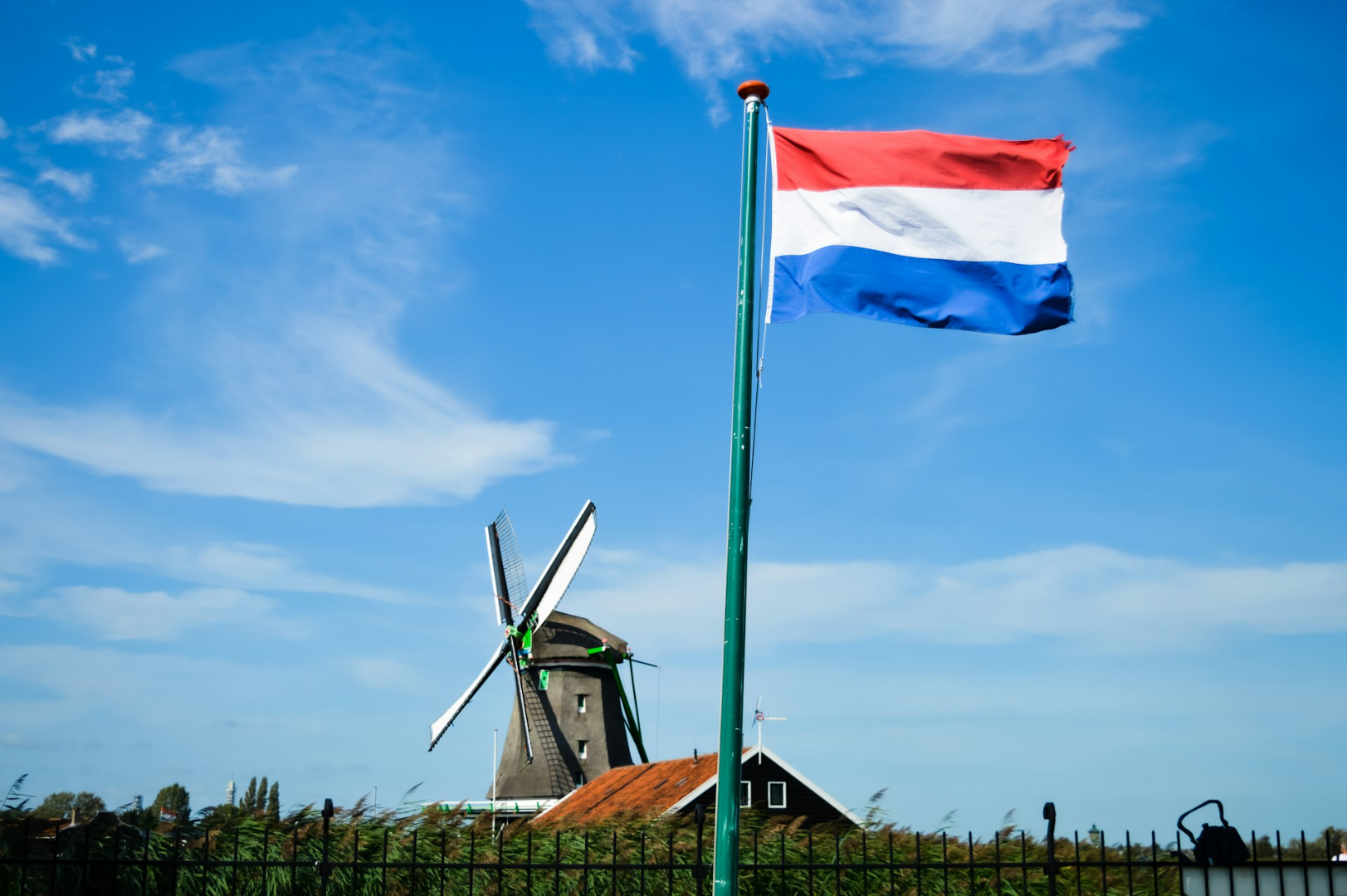
Neither the Netherlands nor Belgium has issued travel warnings against the United States, according to information current as of March 26, 2025. Instead, both governments have focused on domestic security and transport pressures, while the United States advises visitors to exercise added caution in both countries because of terrorism risks.
For travelers, the result is a practical one. Trips to Amsterdam, Rotterdam, The Hague, Brussels, Antwerp and Bruges remain possible, but visitors need extra time, valid documents and close attention to changing conditions on the ground.
Terrorism Threat Levels and Security Measures
The Netherlands maintains a terrorism threat level of “substantial,” a 4 out of 5 rating that indicates the likelihood of an attack but not necessarily an immediate threat. Busy public areas such as city squares, transportation hubs and tourist attractions require added vigilance, particularly in large cities where crowds and high-profile events can increase vulnerabilities.
Belgium remains at Level 3 out of 4 on its national terrorism threat scale, a “serious” rating that reflects the possibility of attack without indicating imminent danger. Authorities continue to monitor critical infrastructure and often apply added screening and security checks at public events, transit hubs and shopping centers.
Those security concerns come alongside a separate shift in cross-border travel in the Netherlands. Since December 2024, Dutch authorities have reintroduced border checks for travelers entering from Belgium and Germany, a temporary step tied to irregular migration and national security concerns.
That move marks a departure from the usual free-movement pattern inside the Schengen Area. Travelers crossing into the Netherlands from neighboring countries should expect delays at crossing points and should carry valid passports and visas.
The advice is most relevant during weekends and holiday periods, when heavier traffic can slow journeys further. People moving between Belgium and the Netherlands for tourism or business may need to build extra time into rail, road and airport connections.
Belgium’s Transport Disruptions
Belgium adds another layer of uncertainty because of labor unrest affecting transportation and other services. February and early March 2025 brought extended railway strikes that halted national rail operations and disrupted public transportation networks.
Further industrial action remained on the calendar, including strikes on the 13th of every month and a nationwide general strike planned for March 31, 2025. Visitors were advised to prepare for delays or cancellations in rail and bus services and possible disruption to airport logistics.
Taken together, those measures do not amount to a warning against visiting either country. They do, however, change the way travelers should prepare for trips to the Netherlands and Belgium, especially when itineraries depend on multiple train segments, same-day border crossings or tight airport transfers.
The U.S. Department of State advisory framework places both countries at Level 2, asking travelers to apply added caution rather than avoid travel. That designation for Belgium has remained in place since updates from July 2023, while the Netherlands advisory remains consistent with updates from August 2024.
What Travelers Should Expect
Dutch authorities describe the current terrorism risk as elevated but managed. Enhanced law enforcement presence and community safety measures form part of that response, while residents and tourists are asked to stay observant in crowded settings.
Belgian authorities have adopted a similar posture. They continue to secure urban centers and critical infrastructure while relying on cooperation among citizens, tourists and law enforcement to reduce risk in heavily used public spaces.
For visitors, those official assessments translate into familiar but important precautions. Travelers should remain alert in city centers, at train stations, in airports, near major tourist sites and during large public gatherings.
In the Netherlands, that means planning carefully for movements through Amsterdam, Rotterdam and The Hague, where transportation hubs and popular attractions draw heavy foot traffic. In Belgium, the same logic applies in Brussels, Antwerp and Bruges, especially where added security checks can slow entry or transit.
The Dutch border controls have practical effects beyond security. Anyone traveling overland from Belgium or Germany into the Netherlands may face document inspections and slower traffic, even though the countries remain inside the Schengen system.
That has made travel documentation more important than some visitors may expect on intra-European routes. Travelers should keep passports and visas readily available rather than assuming a border crossing will proceed without checks.
Belgium’s labor disruptions can be even more disruptive because they affect the transport systems many visitors rely on most. Railway stoppages, reduced public transit and interruptions linked to broader strike action can force last-minute rerouting, missed connections and longer travel times.
People with little flexibility in their schedules may need to adjust travel dates or consider alternatives such as car rentals. Travelers who cannot avoid strike periods should allow more time and monitor service changes closely before moving between cities or heading to airports.
Those conditions matter for tourists, but they also affect residents, students and business travelers who move frequently across the region. A trip from Brussels to Amsterdam, for example, can involve both the Belgian strike risk and the Dutch border-check delay, even when neither issue on its own would derail a journey.
The broader policy setting helps explain why travel conditions have become less predictable. The Netherlands’ reintroduction of temporary border checks reflects pressure on European governments to balance free movement with migration control and national security.
Belgium’s transport disruptions show a different strain inside Europe, where labor disputes can quickly spill into travel networks that cross national borders. Rail and airport systems in particular can amplify local stoppages into wider regional delays.
Neither issue erases the appeal of the two countries as destinations known for art, culture, history and urban tourism. But both issues require visitors to think less in terms of fixed itineraries and more in terms of backup options.
That means weekday travel may be easier than weekend travel in periods of heavier demand. It also means travelers should leave room in their schedules for border delays, missed trains or screening procedures at crowded venues.
People planning multi-country trips should pay especially close attention. An itinerary that links Belgium and the Netherlands in quick succession can be vulnerable to both transport and security-related interruptions, particularly if travelers expect same-day movement between hotels, stations and airports.
Preparing for Travel
Careful preparation starts before departure. Travelers should review current travel advisories, confirm that passports and visas are valid, and check whether planned rail or bus services are operating on the intended dates.
Once in the region, visitors should keep watch for official updates from transport providers and public authorities. Conditions can shift quickly around strike days, public events and holiday travel periods.
Travelers should also keep emergency contact details at hand, including information for the nearest U.S. embassy or consulate. Sharing itineraries with companions or family can help if delays or service suspensions disrupt plans.
For those entering the Netherlands from Belgium or Germany, document readiness is now part of routine trip planning. For those moving through Belgium, flexibility around train and transit schedules has become just as important.
The travel picture is therefore less about a single warning and more about overlapping alerts. Terrorism threat levels, border enforcement and labor action all sit below the threshold of a no-go advisory, yet each can affect how smoothly a visit unfolds.
That is why the current travel advisories for the Netherlands and Belgium matter even without any warning against travel to the United States. They offer a snapshot of two countries managing internal pressures while remaining open to visitors who prepare carefully.
The practical guidance has stayed consistent. Monitor official alerts, carry proper travel documents, allow extra time for border crossings and transit, and stay alert in crowded areas.
Visitors who do that can still move through the region with relatively little difficulty, even as conditions remain fluid. The Level 2 U.S. advisory for both countries signals caution, not closure.
For many travelers, the biggest risk may be disruption rather than danger. A delayed crossing, a canceled train or a tightened security check can reshape a day’s plans faster than any guidebook anticipates.
That makes flexibility the defining requirement for travel to the Netherlands and Belgium under the current advisories. In a region built on easy movement, the most prepared travelers now are the ones who leave room for the journey to change.