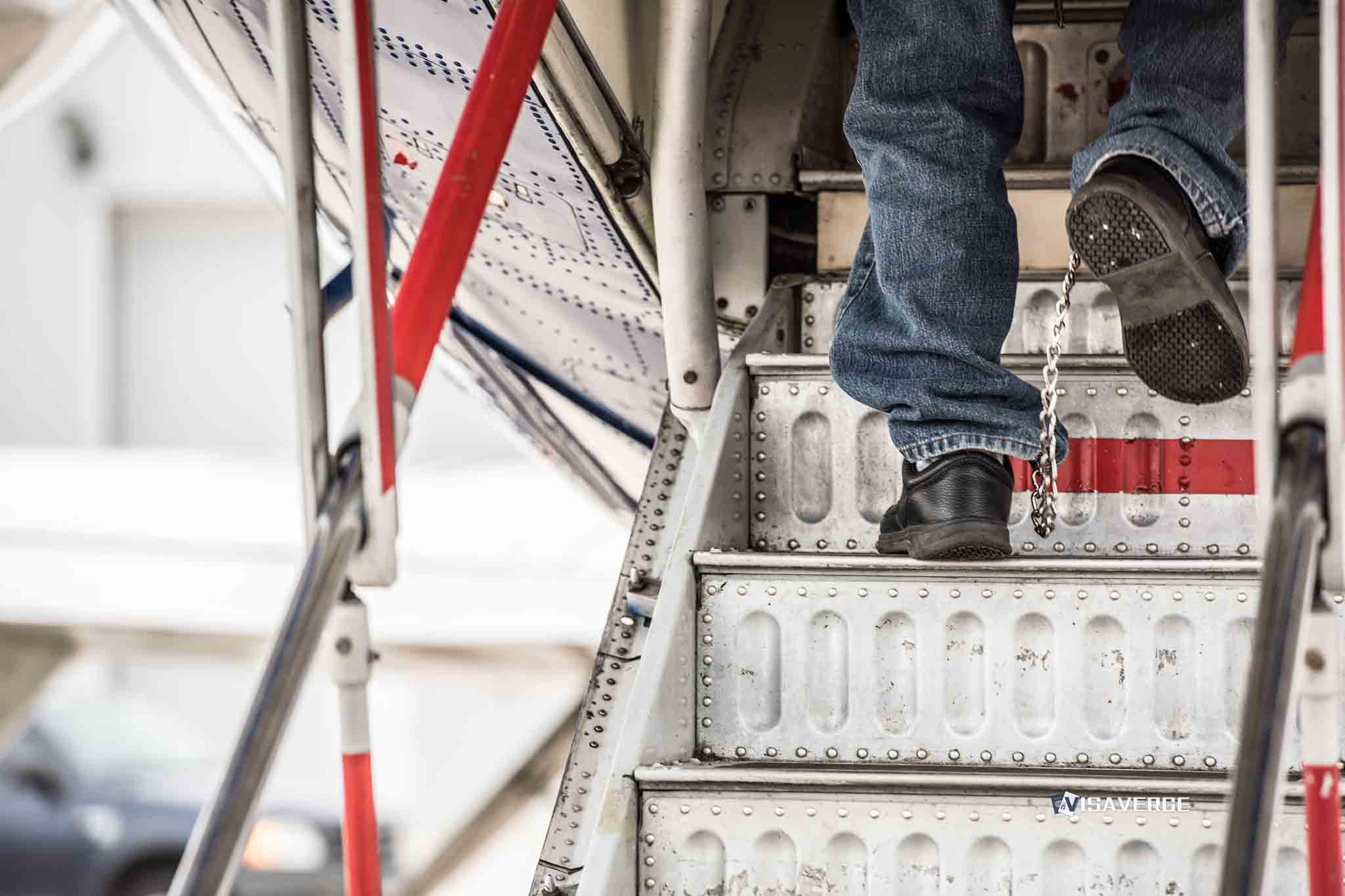
(UNITED STATES) Millions of people planning Thanksgiving travel face lingering fallout from the 43-day government shutdown, with airlines, airports, and passengers still working through a tangle of delays and cancellations even as Washington moves to reopen.
The impact is already clear across U.S. hubs, where more than 9,000 flights were canceled after the Federal Aviation Administration ordered flight cuts to cope with reduced air traffic controller staffing. An estimated 5.2 million passengers have already felt the strain since the shutdown began on October 1, and the effects on air travel aren’t likely to vanish the moment the lights come back on.
Flight cuts, timelines, and operational strain
Officials warned that the timing could hardly be worse. Cuts started modestly at 4% early in the shutdown but climbed steadily, reaching 10% reductions by November 14 at the nation’s busiest airports.
U.S. Transportation Secretary Sean Duffy said air travel could slow to a “trickle” in the two weeks before Thanksgiving if the shutdown dragged on, cautioning that reductions might hit up to 20% in a worst-case scenario. While the government appears set to reopen in the coming days, airlines and airports are still contending with a system that was forced to run at reduced capacity for weeks, creating bottlenecks that won’t clear overnight.
The uneven recovery will be felt most by passengers who booked tight connections and peak-hour departures. According to U.S. Travel, 60% of Americans reconsidered their travel plans due to the shutdown’s impact — a striking figure that reflects both uncertainty and fatigue after weeks of disrupted schedules.
“It won’t flip like a switch,” said one traveler in Chicago who has changed flights twice in a week. “I’m keeping a backup plan for Thanksgiving because I can’t miss it.”
Why recovery will take time
Transportation Secretary Duffy tried to reassure flyers, saying operations could recover within days, comparing the restart to how airlines bounce back after a major snowstorm. Industry watchers are less certain.
Eric Chaffee, a Case Western Reserve professor who studies risk, pointed to complex operational hurdles that could take weeks to unwind, especially with winter weather nudging in before Thanksgiving travel begins in earnest. Airlines must reassemble crews and planes in the right places at the right times — a logistical puzzle with many moving parts.
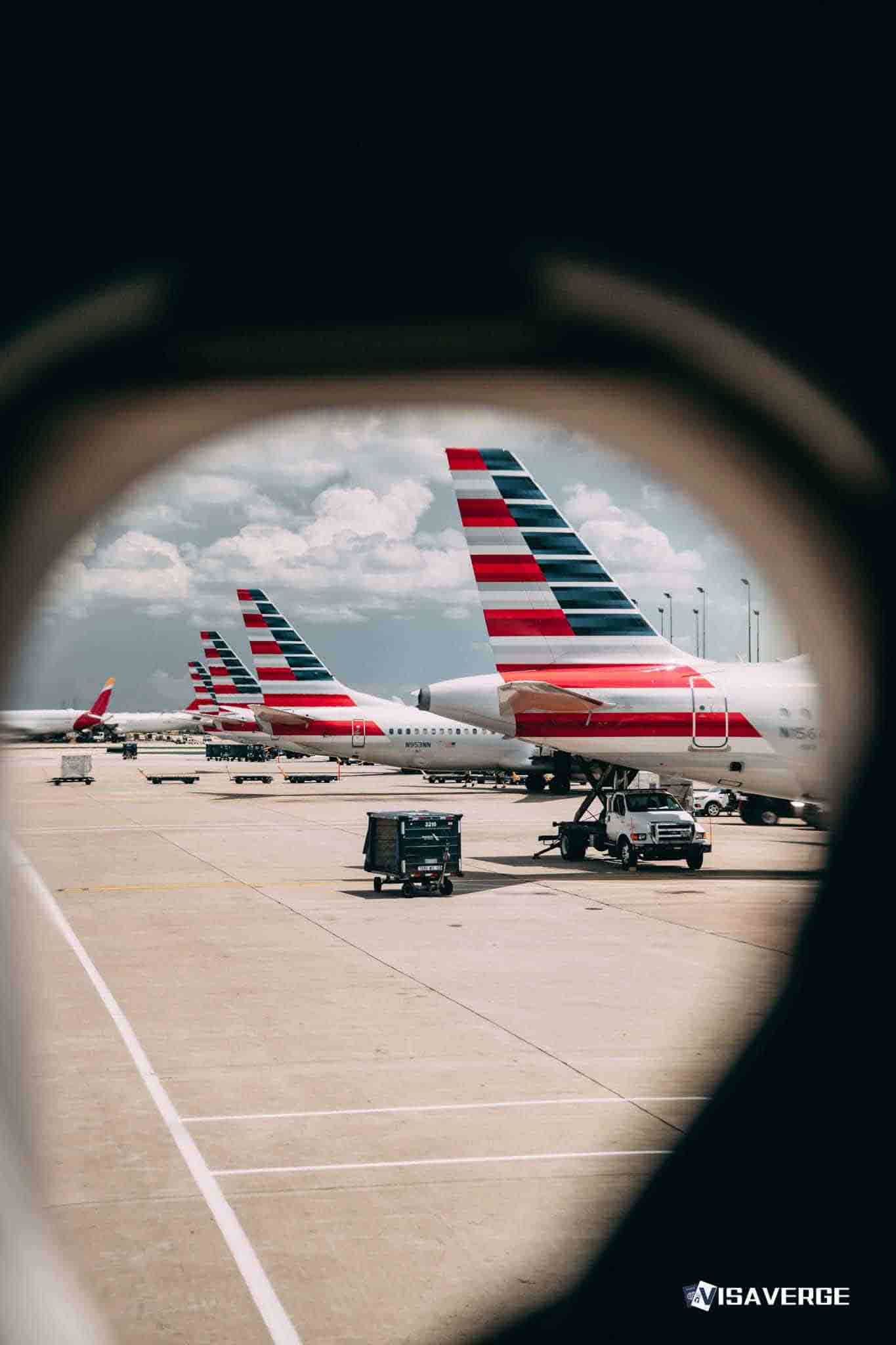
The shutdown’s flight caps didn’t just ground departures; they also scrambled the choreography that keeps aircraft moving through hubs and onward to their next legs. Many jets were rerouted away from normal paths to spread out demand on thinly staffed air traffic centers, leaving aircraft and crews out of position.
Over the weekend, the FAA further restricted large blocks of airspace to manage traffic. Those steps helped maintain safety but forced more cancellations and long delays. The agency is working to restore standard routing, but capacity will come back in stages and only as fast as staffing allows.
Practical impacts for travelers
Carriers are prioritizing reliability over volume as the holiday week approaches. That means:
- Keeping trimmed schedules in place longer to reduce same-day cancellations
- Fewer spare seats for last-minute bookings
- Increased odds of last-minute cancellations in some markets
VisaVerge.com reports many travelers are shifting to earlier departures, building in buffers, and tracking flights closely the morning of travel to avoid getting stuck mid-journey.
Travelers are advised to:
- Keep notifications turned on from the airline.
- Verify itineraries the day before departure.
- Build in extra time for connections and lines.
- Have backup plans in case of cancellations or rebookings.
Economic toll
The economic hit is already stark. Travel-related activity has shed an estimated $6 billion during the shutdown period, according to industry tallies. Airlines have faced mounting losses as they pared flights day after day.
“We’re talking about hundreds of millions of dollars a day in losses across the industry,” said Greg Raiff, CEO of Elevate Aviation Group, underscoring how fewer seats, disrupted crews, and stranded planes ripple outward to vendors, hotels, ride-share drivers, and local businesses.
Airport atmosphere and staffing concerns
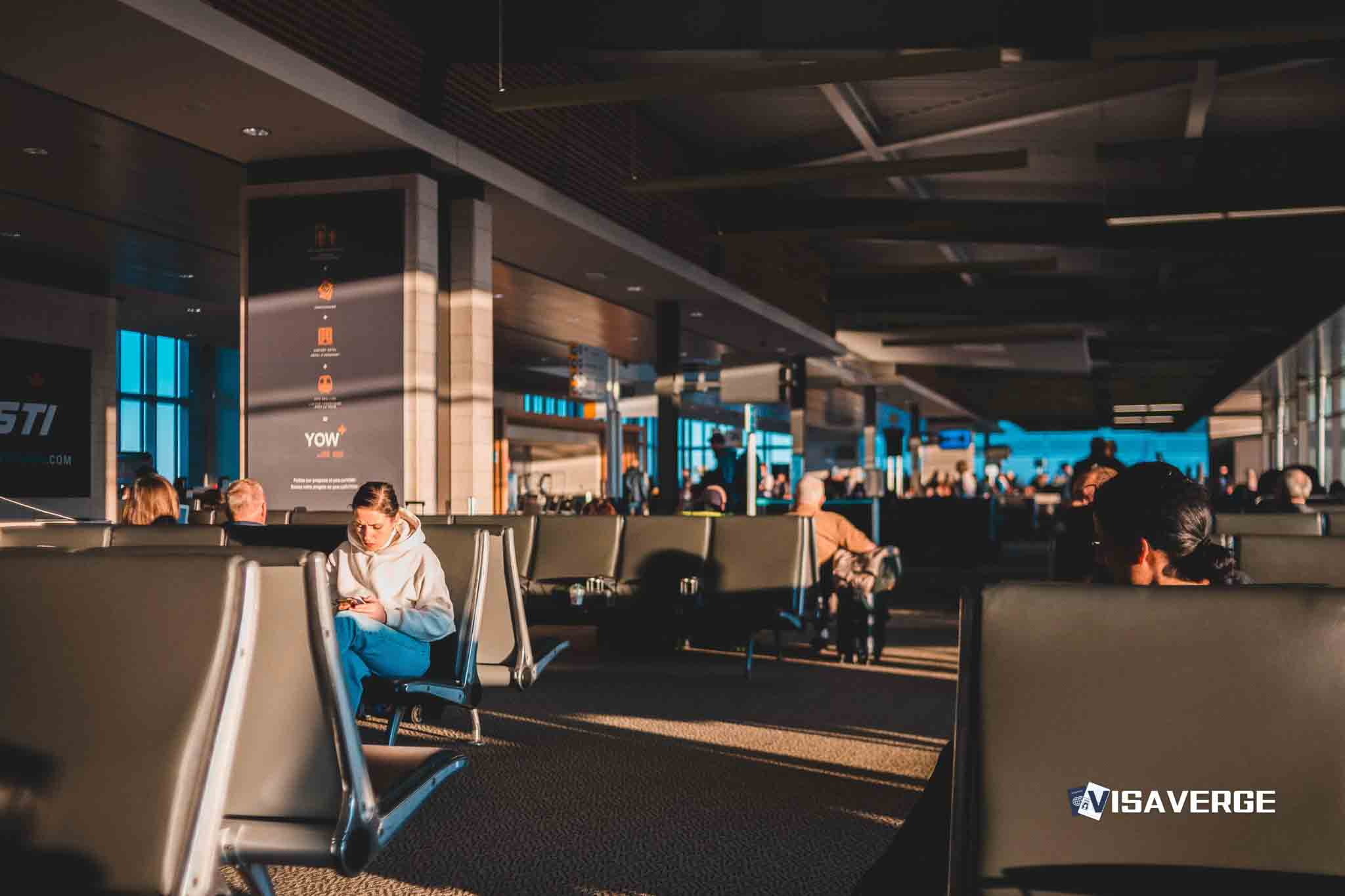
Inside airports, the mood is mixed. Some passengers welcome any reopening, even if normal operations take a week to settle. Others worry that a rush back to full schedules could strain the system again if staffing at air traffic facilities can’t support the load.
Airlines and agents are bracing for heavy rebooking demand as Thanksgiving travel ramps up, particularly on routes serving major family hubs in the Northeast and Midwest.
Policy and recovery monitoring
Policy questions will follow once planes are back on their typical routes. Lawmakers want answers on how quickly the FAA can rebuild staffing and what the agency needs to prevent similar disruptions in the future.
For now, the operational focus remains on safely scaling up, one day at a time. The FAA has posted regular updates and links to operational notices, urging patience as controllers and technicians return to standard workloads. Flyers can check official updates through the Federal Aviation Administration, though airlines remain the primary source for real-time flight status.
Why this is different from weather disruptions
Comparisons to past weather events provide a useful frame, but they have limits. Snowstorms hit specific regions and fade; this shutdown stretched across the entire national airspace system for weeks. Recovery is less about de-icing and more about painstakingly rebalancing the network.
Key constraints:
- Crews need federally mandated rest before they can fly again.
- Maintenance checks delayed by schedule cuts must be completed to keep fleets compliant.
- Repositioning planes and reworking crew schedules is time-consuming.
These safety-driven steps are necessary but slow the return to normal.
Choices for families and final takeaways
For families intent on Thanksgiving travel, the choices are frustrating. Some are driving long legs to avoid uncertain connections; others are holding onto tickets because prices on remaining flights have moved higher after deep cuts.
- Parents worry about multi-leg trips with small children.
- Students weighing whether to leave campus earlier than planned.
“We’ve got a 6 a.m. flight now instead of late afternoon,” said a traveler in Dallas. “If that means we actually make it home, we’ll take it.”
Even with the government shutdown nearing its end, the message from airlines and regulators is consistent: recovery will take time, and the week of Thanksgiving won’t be spared entirely. The hope is that each day brings fewer schedule changes and more on-time arrivals as aircraft and crew rotations settle back into rhythm. Until then, caution and flexibility remain the best tools for anyone planning to fly during the country’s busiest travel week.
This Article in a Nutshell
The 43-day government shutdown prompted FAA flight reductions that canceled over 9,000 flights and affected about 5.2 million passengers. Cuts expanded from 4% to 10% at major hubs, with potential for deeper reductions near Thanksgiving. Airlines face logistical hurdles reassembling crews and aircraft, while travelers encounter trimmed schedules, fewer last-minute seats, and higher cancellation risks. The shutdown cost roughly $6 billion in travel activity. Recovery will be gradual; passengers should monitor notifications and build contingency plans.