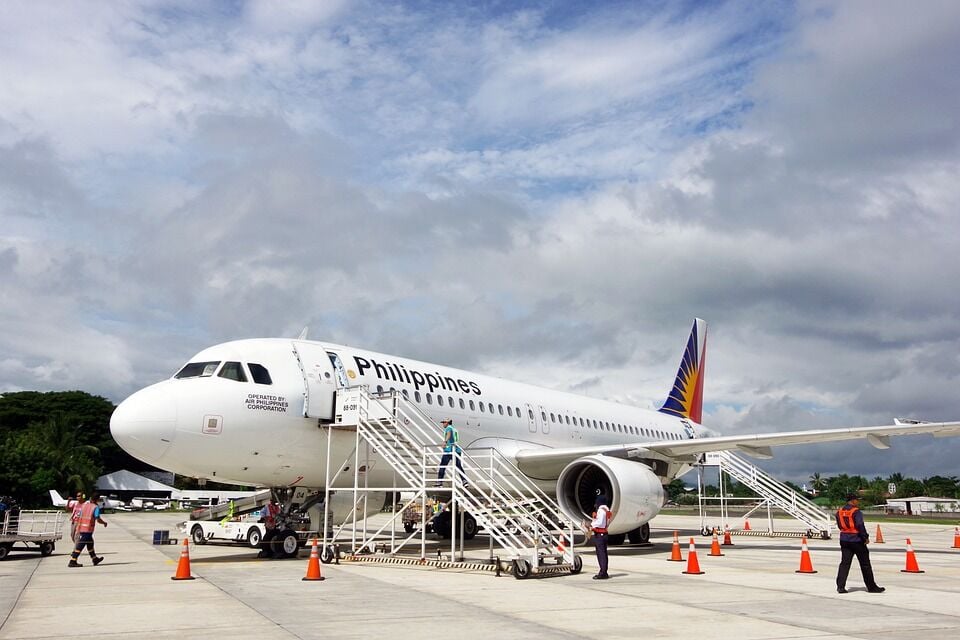
- JetBlue Flight 543 made an emergency landing at Newark after reporting cockpit smoke and engine trouble.
- Emergency slide evacuations were deployed for 122 passengers following the safe return to the airport.
- A temporary ground stop triggered widespread travel disruptions, affecting connections and causing significant rolling delays.
(NEWARK, NEW JERSEY) — JetBlue just shifted into full irregular-operations mode at Newark after JetBlue Flight 543 made an emergency landing, and that changes what you should expect for rebooking, refunds, and connections today. If you’re flying through Newark Liberty International Airport, plan for longer buffers, keep receipts, and move fast on reroutes before the best seats disappear.
JetBlue Flight 543’s emergency landing on Wednesday, Feb. 18, 2026, did more than disrupt one flight. It triggered a temporary Newark ground stop, then a ripple of delays that can throw off your itinerary and your travel requirements, including check-in timing, connections, and airport pickups.
Incident overview: what happened, and what “emergency landing” can mean for you
JetBlue Flight 543, an Airbus A320 scheduled from Newark to West Palm Beach, experienced engine trouble after departure. The crew also reported smoke in the cockpit, which is the kind of symptom that prompts an emergency return or emergency landing.
When a crew declares an emergency, air traffic control typically gives priority handling. That can mean direct vectors back to the airport and expedited sequencing. On the ground, you’ll often see emergency vehicles staged near the runway or taxiways.
From a passenger standpoint, the first hour after an onboard emergency is usually intense and procedural. Expect clear crew commands, fast updates, and limited phone use until you’re stopped. After landing, outcomes can vary:
- A return to the gate for a normal deplaning
- A stop on a taxiway for inspections
- An evacuation using slides, if conditions warrant it
In this case, passengers and crew evacuated using slides after the aircraft exited the runway. That detail matters for your plans. Slide evacuations often separate you from carry-ons and checked bags, at least temporarily.
Immediate traveler impacts at Newark typically include missed connections, last-minute rebooking needs, and longer checked-bag delivery times. If you were connecting onward from EWR, you should assume your original plan may not hold.
Timeline of events: why the clock matters for claims, rebooking, and pickups
Timing is everything during irregular operations, especially at Newark. The flight departed at 5:43 p.m. ET. The FAA confirmed the incident time at about 5:55 p.m. local time. The aircraft was airborne for roughly 20 minutes before returning safely. Normal airport operations resumed around 7 p.m. ET.
Those timestamps are useful in three practical ways.
First, they help you interpret your flight history. Airline apps may show “delayed” without explaining why. Matching your delay window to the broader event helps you decide whether to wait or reroute.
Second, they’re what travel insurance will ask for. Many claims hinge on documented delay length and cause. Save screenshots of push alerts, airport boards, and your final rebooking confirmation.
Third, they help with ground coordination. If someone is picking you up, or you’re timing a train, you need a realistic arrival estimate. During incidents like this, it can change several times in an hour.
To confirm updates, stick to primary channels: JetBlue notifications, Newark airport advisories, and FAA incident notes when posted. Social media can be fast, but it’s often wrong on the details that matter.
Passenger and crew impact: what’s known, and what happens after an evacuation
JetBlue Flight 543 had about 122 passengers onboard. No serious injuries were reported. One passenger received medical evaluation after reporting chest pain.
Even when everyone walks away, slide evacuations can cause minor injuries. Sprains and bruises are common. That’s also why crews may instruct you to leave bags behind. A rolling bag can slow exits and tear a slide.
After an evacuation, expect a controlled regrouping process. You may be directed to a safe staging area first. You might also face re-screening if you re-enter secure areas. If JetBlue later re-accommodates you on another flight, your new boarding pass may come with new timing and gate constraints.
Checked-bag retrieval can take longer than normal. Bags may need to be unloaded away from the gate. They can also be routed to a separate claim process.
Airport operations and disruptions: why Newark delays linger after the “all clear”
Newark is already a tight airport on a good day. A single aircraft stopped on a taxiway can throw off gate flow, pushback timing, and inbound sequencing.
The emergency response led to a temporary ground stop at EWR. A ground stop is used to keep aircraft out of the way while emergency crews work and while controllers protect runway and taxiway access lanes.
Even after the incident aircraft is cleared, delays can persist. Crews time out. Gates stay occupied. Inbound planes arrive late and then depart late.
On Feb. 18, departing flights saw delays of about 90 minutes. Arriving flights faced delays exceeding two hours.
For travelers, the best move is active monitoring. Watch:
- Newark departure boards for gate and time changes
- JetBlue’s in-app rebooking channels
- Your incoming aircraft’s tail-to-tail routing, if your app shows it
Also, communicate early. Message your hotel, rideshare, or pickup contact as soon as your delay crosses 30 to 45 minutes. That’s often the point where fees and missed check-in windows start stacking up.
The “policy change”: what JetBlue’s IROPS rules mean versus a normal travel day
Here’s the practical shift: after an emergency landing and airport disruption, your trip is handled under irregular-operations rules, not “normal day” expectations.
That matters because the default rules many travelers plan around can change fast once safety and airport constraints take over.
Before/After: what travelers should expect
| Before (normal operations) | After (IROPS after JetBlue Flight 543 emergency landing) | |
|---|---|---|
| Same-day changes and reroutes | You’re often limited by fare rules and seat availability | You’re typically re-accommodated based on operational needs and open seats |
| Refund vs. rebook decision | More traveler-driven, especially on tight schedules | More time-sensitive, because seats disappear quickly during mass delays |
| Meals and hotels | Usually on you unless you hold elite status or have a premium fare | Practices vary by airline policy and circumstances; keep receipts either way |
| Baggage delivery | Standard timelines at the carousel | Possible delays, especially after an evacuation and aircraft inspection |
| Connections at EWR | You might plan around a tight legal connection | You need extra buffer, because gate holds and taxi delays compound quickly |
JetBlue also said it is focused on supporting customers and crewmembers, and it will work with federal authorities during the investigation. That language is standard after incidents like this. It also signals the airline is in response mode, which can mean longer lines and slower phone queues.
Who’s affected — and who isn’t
You’re most affected if:
- You were booked on JetBlue Flight 543, EWR–PBI
- You had a JetBlue connection through EWR on Feb. 18 or Feb. 19
- You were flying in or out of Newark during the ground stop window
- You were on a tight onward connection, even on another airline
You’re less affected if:
- You’re flying out of a different New York-area airport today
- Your Newark flight is later in the evening with inbound aircraft already in position
- You have a long layover and can absorb a gate change or short ground hold
Safety response and investigation: what “aircraft out of service” can do to schedules
The FAA opened an investigation. That typically involves collecting crew reports, reviewing maintenance records, and documenting the aircraft condition. The A320 will remain out of service during inspection.
For travelers, the scheduling issue is straightforward. When an aircraft is pulled from service, the airline has to reshuffle the day. That can mean equipment swaps, cancellations, or consolidations onto fewer flights.
This is also where connection math becomes unforgiving. The minimum connection time and buffer guidance shown in the connection checker is worth following closely at Newark right now.
Miles and points: how TrueBlue earnings and redemptions can be affected
If you’re chasing JetBlue TrueBlue points or Mosaic status, disruptions can cut two ways.
On the earning side, if you’re rebooked onto a different routing or a later departure, your earning is usually tied to what you actually fly. If you accept a refund and don’t fly, you won’t earn points for that trip.
On the redemption side, award tickets can be a bright spot. If you booked with points, you may prefer a points redeposit and then rebook on a better-timed option. During busy disruption windows, cash fares can spike while points pricing may move differently.
If you hold JetBlue Mosaic status, check your same-day change and priority support options first. During IROPS, those can save hours.
📅 Key Date: The disruption stems from JetBlue Flight 543’s emergency landing on Wednesday, Feb. 18, 2026. If you’re traveling through EWR on Thursday, Feb. 19, build extra time and expect rolling delays.
⚠️ Heads Up: If you were delayed or rebooked, save receipts and screenshots today. Capture your original itinerary, your new itinerary, and your final arrival time.
What to watch next: signals that matter for your next Newark trip
The next meaningful updates will be operational, not dramatic.
Watch for:
- FAA updates that close out the investigation, or issue safety recommendations
- The aircraft’s return-to-service timing, which can stabilize JetBlue’s Newark rotations
- Newark delay patterns through the afternoon bank
- JetBlue re-accommodation messaging in-app, especially if aircraft swaps trigger cancellations
If you’re flying JetBlue out of Newark in the next 24 hours, treat tight connections as optional, not planned. Pick flights with more cushion, and rebook early in the JetBlue app while inventory is still open.