- A major air traffic outage in Greece led to leadership resignations and system modernization plans.
- Travelers should prioritize nonstop flights or UAE hubs for better rerouting options during disruptions.
- Full aviation system stability isn’t expected until 2028 despite equipment deliveries starting in 2026.
(GREECE) — Greece’s Jan. 4 air traffic control outage is a reminder that one weak link can derail your whole trip, so your smartest booking choice right now is the itinerary that gives you the best reroute options when Greek airspace goes sideways.
If you’re flying to Athens or the islands in early 2026, favor tickets with strong rebooking protection, bigger networks, and connection time cushions.
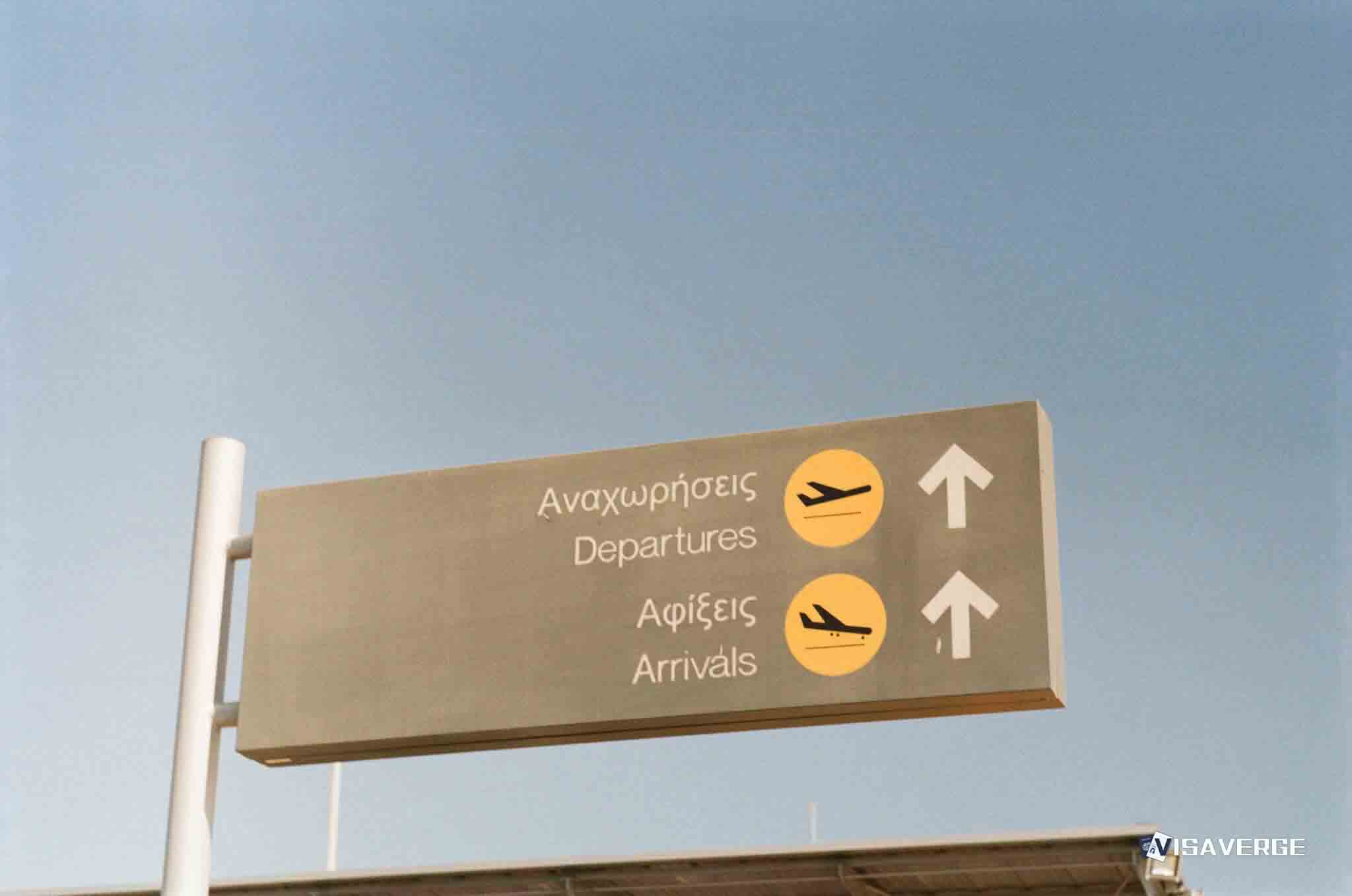
On Wednesday, Jan. 14, an investigation into the radio communications failure that effectively paused Greek airspace led to a leadership shakeup.
Giorgos Saunatsos resigned as governor of the hellenic civil aviation authority, and the transport ministry accepted it. That matters for travelers because it signals both accountability and a transition period. Transitions can bring change, but they also bring operational churn.
This guide compares two practical ways to book greece right now:
- Option A: Fly “Greece-first” (nonstop to Greece when possible, or via a nearby European gateway, often on Aegean or a European partner).
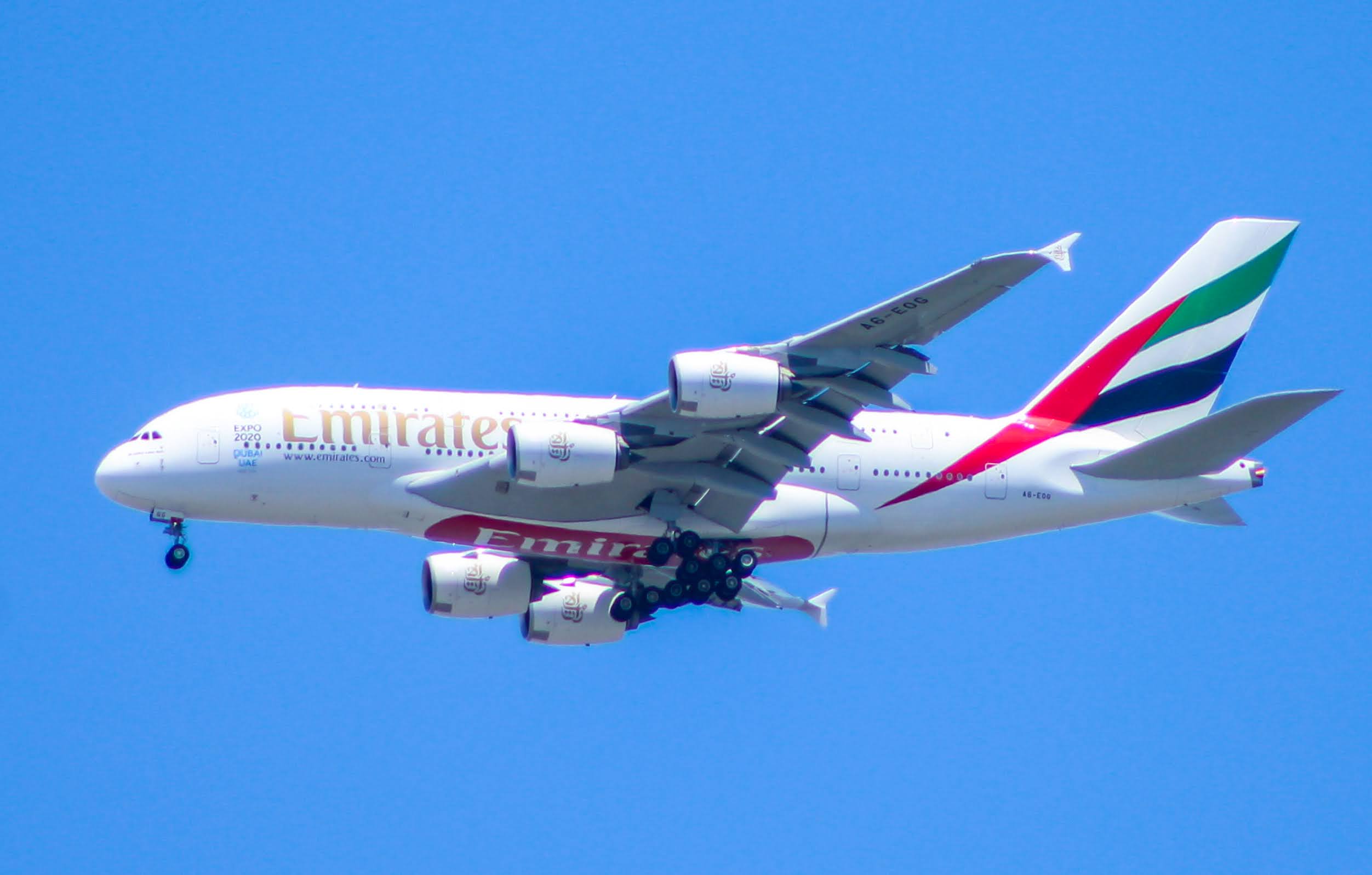
- Option B: Fly “hub-first” via the UAE (connect via Dubai or Abu Dhabi on Emirates, Etihad, flydubai partners, or interline itineraries).
The goal is simple: fewer surprises on the day, and an easier Plan B when surprises happen.
Greece trip booking: fast recommendation
If Greece is your final destination and you can get a nonstop, take the nonstop on one ticket. You remove a connection that can break during irregular operations.
If you must connect, or you’re coming from long-haul markets, a UAE hub connection can be the safer recovery play. Big hubs often have more spare capacity and more daily options when rebooking starts.
Side-by-side comparison: “Greece-first” vs “UAE hub-first”
| Factor | Option A: Greece-first (nonstop or EU gateway) | Option B: UAE hub-first (Dubai/Abu Dhabi connection) |
|---|---|---|
| Best for | Shorter travel time, fewer moving parts, summer island trips | Winter travel, long-haul itineraries, travelers who want reroute depth |
| What happens if Greece ATC slows down | You may be stuck close to the disruption point | You may hold or reroute before Europe, with more alternative paths |
| Rebooking depth | Strong within Europe and Star Alliance flows via Athens | Strong at the hub with multiple long-haul departures and partner options |
| Connection risk | Lower with nonstops, higher with tight EU connections | Higher overall because you add a connection, but hubs handle volume well |
| Baggage risk | Lowest on nonstops | Higher due to a connection and possible gate changes |
| Loyalty upside | Great if you collect Star Alliance miles via Aegean partners | Strong if you earn in Emirates Skywards or Etihad Guest ecosystems |
| Typical pain point | Smaller recovery network during a localized Greek disruption | Longer travel day and more reliance on minimum connection time planning |
1) Incident Overview: What happened in Greek airspace (Jan. 4)
On Jan. 4 at 8:59 a.m. local time, air traffic controllers working athens airspace ran into a serious communications problem. Multiple radio frequencies were hit by continuous “digital noise.”
To pilots, it came across as static and unreliable contact. When controllers cannot reliably talk to crews, the system can’t safely run at normal volume. Capacity drops fast.
In plain terms, fewer planes can be handled at once, so departures stop and arrivals get spaced out or sent elsewhere.
The chain reaction looked like this:
- Controllers experienced interference and inconsistent transmissions.
- Contact with many aircraft became unreliable.
- Authorities imposed “zero capacity” conditions.
- All departures were suspended for roughly eight hours.
- Inbound flights were delayed, held, or diverted to nearby countries.
- Airports across the country felt it, including Athens and Thessaloniki.
- Crews timed out, aircraft ended up out of place, and schedules unraveled for days.
That last point is the one travelers feel the most. Even when the radios come back, the network isn’t instantly “normal.” Aircraft and crews are no longer where the schedule expects them to be. That’s when missed connections and next-day cancellations spike.
Pro Tip: During a countrywide ATC disruption, treat every same-day connection as fragile. Add buffer time, and avoid last-flight-of-the-day connections into small airports.
2) Investigation findings (report released Jan. 14): cause, accountability, and safety
The government-appointed committee released its findings on Jan. 14. The headline is blunt: Greece’s communications issues were tied to older, poorly maintained systems, including infrastructure no longer supported by manufacturers.
The report also stated investigators found no evidence of a cyberattack or foreign interference. For travelers, that changes how to think about repeat risk.
A cyber event can be unpredictable and recurring in bursts. A maintenance and modernization problem is different: it usually improves slowly, then improves a lot after replacement.
The report rated the incident as low risk to flight safety, despite the huge operational disruption. That can sound confusing until you separate two ideas.
- Safety risk: mitigated by procedures, separation rules, and controller and crew response.
- Disruption risk: high, because safety procedures reduce capacity sharply when communications degrade.
So yes, the system can stay safe while your flight still gets canceled.
This is also where traveler rights come into play. In Europe, compensation and duty-of-care often depend on whether the disruption is within the airline’s control. Infrastructure failures can fall into a grayer zone, depending on how the event is classified and what the airline could reasonably prevent.
You’ll want to understand, at a high level, what typically drives eligibility:
- Whether the delay length crosses key thresholds.
- Whether the cause is considered extraordinary.
- Whether the flight departs from, or arrives on, an itinerary covered by European rules.
- Whether the airline provided rerouting, meals, and lodging when required.
The details matter, and small facts can change outcomes. A written delay reason from the airline can be the difference between “denied” and “approved.”
3) Leadership changes: who’s in charge, and why travelers should care
Leadership is not just politics when you’re the one stuck in a terminal.
After the report, Giorgos Saunatsos resigned as CAA governor. The ministry accepted it. Giorgos Vagenas, deputy commander of air navigation, was appointed to temporarily assume the duties.
“Temporary” matters because it can slow decisions or speed them up. It depends on whether the interim leader has authority to order fixes, sign contracts, and coordinate internationally.
For travelers, there are three practical effects to watch over the next few months:
- Communications to airlines and airports: Clear guidance reduces chaos during a repeat event.
- Maintenance priorities: Quick fixes can reduce recurrence before full replacement arrives.
- Coordination with EUROCONTROL: Better coordination can reduce ripple effects across Europe.
Airlines also react in their own way. Some add schedule padding. Others proactively reduce frequencies to protect on-time performance. Either change can affect your connection options.
Pro Tip: For Greece trips in early 2026, check your flight history. If a route cancels often, pick an earlier departure with same-day backups.
4) Modernization plans and investment: what’s changing, and when
Greece is now in “replace, not patch” territory. A modernization program is underway, with an overhaul priced around $350 million.
The plan includes digital transmitters scheduled for delivery in 2026, with the broader upgrade program expected to be completed in 2028.
That timeline is the key traveler takeaway. 2026 delivery does not mean 2026 completion.
There can be phased cutovers, testing windows, and temporary constraints. During transition, some disruptions can look “small” but still cascade.
EUROCONTROL is expected to appoint a technical adviser. For frequent flyers, that’s encouraging. EUROCONTROL involvement usually means tighter alignment with European standards and stronger project oversight.
This also has a competitive angle. European air navigation systems have seen high-profile failures before. What separates a one-off mess from a lasting reliability problem is how fast a country modernizes and how cleanly it executes the cutover.
5) Impact on operations and what passengers should do next
A countrywide ATC issue doesn’t just delay one flight. It scrambles aircraft rotations and crew legalities. That’s why you can see cancellations two days later.
Traveler-facing impacts to plan for include diversions, missed connections, overnight delays, and bags that arrive a day later because they missed the reroute.
Here’s the playbook that works in real life when this happens:
- Get rebooked first, ask questions second. Grab the best available routing while inventory exists.
- Decide quickly between reroute and refund. If you still want the trip, reroute usually wins.
- Track expenses carefully. Save receipts for meals, hotels, and transport.
- Document the reason. A written note in the app, email, or agent message helps later.
- If diverted internationally, think logistics. You may need entry permission, transit steps, and ground transport planning.
- Start baggage tracing early. File before you leave the airport if your bag is missing.
Connections are the silent killer during recovery. Gates change, security lines spike, and bags take longer to move.
A solid rule: during irregular operations, your “safe” connection time needs to be longer than the published minimum. That’s true even at efficient airports.
The connection checklist that matters most includes whether you must clear immigration or re-clear security, whether terminals require a train or bus, whether the next flight is the last departure of the day, and whether your itinerary is on one ticket or split across bookings.
Pro Tip: If you’re connecting to the Greek islands, avoid same-day tight turns. Overnight in Athens can save the trip when ATC disruptions hit.
So which should you pick? Scenarios that match real trips
Choose Option A (Greece-first) if…
- You can fly nonstop to Athens or another Greek airport on one ticket.
- You’re traveling with family, skis, dive gear, or anything you can’t easily replace.
- You want the lowest baggage mishandling risk.
- You’re chasing Star Alliance credit through Aegean partners and prefer simpler accrual.
Miles and points angle: a single-ticket nonstop or simple one-stop can protect your mileage plans. Rebooks within the same alliance are also smoother. That helps if you care about status credit posting cleanly.
Choose Option B (UAE hub-first) if…
- You’re flying long-haul and want more reroute paths when Europe is congested.
- You’re visiting both Greece and the UAE in one trip.
- You value large-hub recovery options and more daily departures.
- You earn heavily in Emirates Skywards or Etihad Guest, and you want to keep activity in one program.
Miles and points angle: the UAE carriers can be great for premium-cabin awards and upgrades, but disruption rebooking is where ticketing details matter. One itinerary on one ticket beats a self-connection every time.
The real traveler math: reliability vs. recovery
The Jan. 4 outage wasn’t about weather. It was about radio and telecom resilience. That’s why it spooked travelers and airlines.
Your booking decision should reflect two truths: a nonstop reduces failure points, and a giant hub increases recovery options after failure.
For early 2026, I’d book Greece-first when a nonstop exists. I’d book UAE hub-first when you’re long-haul, connection-tolerant, or want reroute depth.
Either way, the smartest move is to travel with extra buffer until the 2026 equipment deliveries start translating into day-to-day stability, and to assume full normalization may not arrive until the 2028 completion target.
If you’re booking a Greece trip this winter, pick flights with at least one later same-day backup and avoid the last connection of the night.
Recent Greek air traffic control failures have exposed infrastructure weaknesses, leading to a $350 million upgrade plan through 2028. Travelers should choose between nonstop flights for simplicity or UAE hubs for better recovery options. With new equipment arriving in 2026, passengers are urged to book itineraries with ample connection buffers and strong rebooking protections to mitigate ongoing operational risks during this transition period.