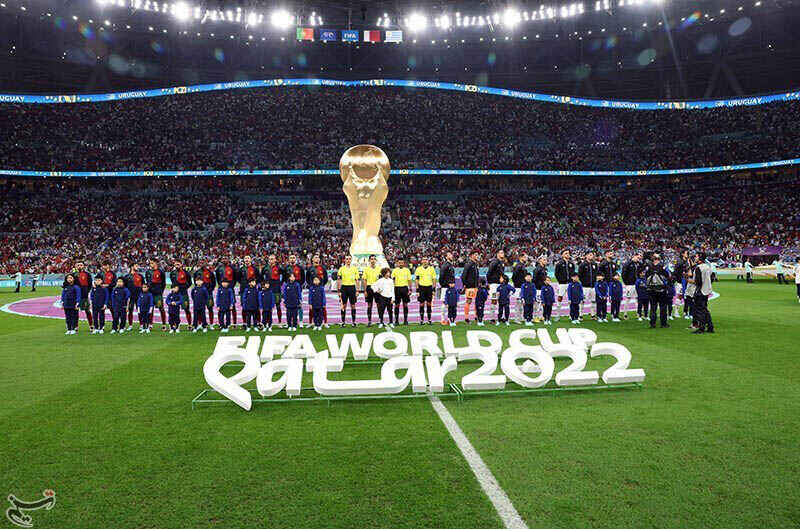
(UNITED STATES) Fans planning to follow the 2026 FIFA World Cup across the United States 🇺🇸, Canada 🇨🇦, and Mexico are running into a simple problem with big consequences: World Cup visas can take far longer than people expect, and a match ticket doesn’t change that. U.S. government guidance and FIFA’s own travel-visa messaging both stress that a ticket does not guarantee a visa, faster processing, or entry at the border. For many supporters, the real race starts months before kickoff, with appointment calendars and document checklists, not stadium gates.
Long visa wait times are already a known risk in high-demand places. The source material warns that in some countries, waits have been reported as several months or more for a consular interview. Timelines can swing sharply by city and by season, and they can change fast as demand rises. That means the safest plan for most travelers is to treat the visa as the first booking—before flights, hotels, and even match-day travel between host cities.
First decision: which host country (or countries) are you entering?
Start by listing every country you might step into for the tournament, even for a short transfer or a day trip. Entry rules differ, and one easy border crossing on a map can be a hard stop in real life if you don’t have the right permission.
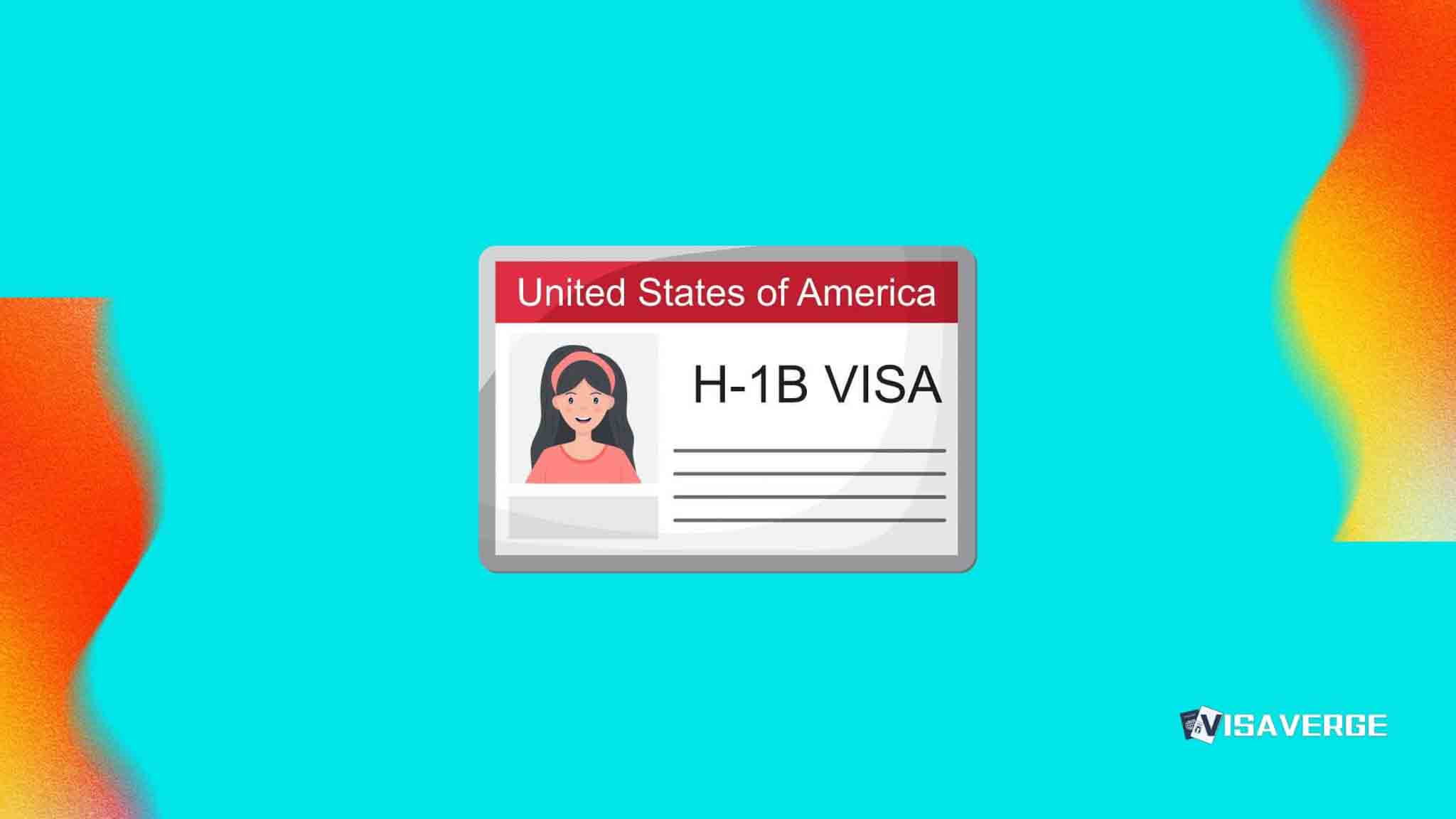
- Many fans who are not from a U.S. Visa Waiver Program (VWP) country will need a B1/B2 visitor visa to attend matches in the United States 🇺🇸.
- By contrast, many VWP nationals can travel for short stays using ESTA, which is quicker and lighter than a full visa.
- That gap creates unequal access: some people can make a late decision to go, while others must plan far ahead, pay fees, and attend interviews.
The source material also flags that some nationalities may face travel bans or extra restrictions that can block visa issuance. If that applies to you, it can shift your plans toward matches in Canada 🇨🇦 or Mexico, or toward routing that avoids a U.S. entry attempt.
Step-by-step journey for a U.S. B1/B2 visitor visa (fans from non‑VWP countries)
For many travelers, this is the main “World Cup visas” pathway for the United States 🇺🇸. Here’s what the process usually looks like, and what you should do at each stage.
1) Pick your target timing (aim 6–12 months early)
The source material points to U.S. embassy guidance that advises applying as far in advance as possible, often 6–12 months ahead, because appointments fill quickly and processing differs by post. If your local U.S. embassy has long lines, waiting to “see what happens” can cost you the entire trip.
Start by planning for the visa as your first booking. Aim to secure a U.S. B1/B2 interview 6–12 months ahead, then finalize travel plans only after your visa status is confirmed.
2) Complete the online application (DS-160)
You’ll generally need to complete the U.S. nonimmigrant visa application form DS-160. Use the official form page: Online Nonimmigrant Visa Application (DS-160).
Take your time and answer honestly and clearly. Mistakes can lead to delays, extra checks, or a refusal.
3) Pay the visa fee and schedule the interview
After you submit the form, you pay the fee and schedule a visa interview at the nearest U.S. embassy or consulate. This is where visa wait times can do the most damage to your plans. If the next open slot is months away, you may need to book immediately and keep checking for earlier cancellations.
4) Build a simple, strong document pack
The source material stresses that consular checklists focus on a few basics. Bring:
- A valid passport, often expected to be valid at least six months beyond travel
- Your
DS-160confirmation page - Your visa-fee payment receipt
- Evidence you can pay for the trip (bank records or other proof of funds)
- Proof of home ties (job letter, school enrollment, family responsibilities, property, or other facts that show you plan to return)
This is not about having the thickest folder. It’s about having documents that match what you say in the application and interview.
5) Attend the interview (what officers are deciding)
A U.S. consular officer will decide whether you qualify for a B1/B2 visitor visa. In plain terms, the officer is checking:
- Are you coming for a short visit?
- Can you pay for it?
- Are you likely to leave on time?
Bring FIFA ticket proof if you have it, but treat it as travel context, not a “visa pass.” FIFA and government guidance say tickets do not assure a visa or entry.
6) Processing after the interview (be ready for waiting)
Some cases are issued quickly. Others may face extra processing checks. The source material is clear that waits vary and can stretch to several months or more in some locations. If your match schedule is tight, plan as if delays could happen.
Visa wait times vary by country and season; delays can stretch to months. Do not rely on a ticket to guarantee entry, and prepare for interviews well in advance.
According to analysis by VisaVerge.com, fans who treat the visa as a project—rather than a last task—are in a better spot when demand spikes and interview slots disappear.
If you can use ESTA instead of a visa (VWP travelers to the United States 🇺🇸)
If your nationality is in the VWP, you may be able to enter the United States 🇺🇸 for short stays with ESTA, which can allow stays of up to 90 days. You still must get approval before you travel, and you still must meet border rules on arrival.
Apply through the official site: ESTA (Electronic System for Travel Authorization). ESTA isn’t a guarantee of entry at the airport, but it can remove the need for a full B1/B2 interview process for eligible travelers, which matters a lot when visa wait times are long.
Canada 🇨🇦 entry planning: eTA or visitor visa, plus busy borders
Canada 🇨🇦 will have its own entry rules for World Cup travel, and the source material notes that Canada provides official travel pages for fans and workers. Depending on your passport, you may need an electronic travel authorization (eTA) or a visitor visa.
Also plan for peak-period border and airport lines, especially around match days and major arrival windows, when many fans move at once. Even if you’re approved to enter, border officers can ask about your trip plans, where you’ll stay, and how you’ll pay for the visit. Keep your travel plan easy to explain and consistent with your documents.
Build a simple document pack: passport valid at least six months beyond travel, DS-160 confirmation, visa fee receipt, proof of funds, and evidence of home ties to support your case.
Planning around bans, delays, and “no-visa” outcomes
The hard truth in the source material is that not everyone who wants to attend will get a U.S. visa in time, and some people may not qualify at all because of restrictions that apply to their nationality. If you see a high risk in your case, consider:
- Picking matches in Canada 🇨🇦 or Mexico if U.S. entry is blocked or too slow
- Routing travel to reduce border crossings (fewer “back and forth” moves)
- Using accredited travel agents or national football association support for logistics and group planning, while remembering they cannot guarantee visas
Important: Treat FIFA tickets as supporting evidence, not as leverage for visa issuance or border entry. A ticket does not guarantee a visa or admission.
A practical checklist you can act on this week
Use this list to turn “World Cup visas” stress into a plan:
- Confirm entry rules for every host country you might visit (visa, ESTA, eTA, or other permission).
- If you need a U.S. B1/B2 visitor visa, book the interview immediately and aim for 6–12 months lead time.
- Gather core documents: passport validity,
DS-160confirmation, fee receipt, proof of funds, proof of home ties. - Keep FIFA ticket records handy, but remember: tickets don’t guarantee a visa or admission at the border.
- Build slack into your schedule for long visa wait times and for heavy airport and land-border lines during the tournament.
Quick reference table: common U.S. entry options
| Traveler situation | Likely requirement |
|---|---|
| VWP national | ESTA (up to 90 days) — apply online |
| Non-VWP national | B1/B2 visitor visa (DS-160, interview, fee) |
| High-risk nationality or restrictions | Potential ban or extra checks; consider Canada/Mexico options |
Plan early, treat visas as your first booking, and keep backup match and travel options if timing or eligibility becomes uncertain.
World Cup fans must treat visas as the primary booking: U.S. B1/B2 applicants should apply 6–12 months ahead because consular interview waits can stretch for months. Tickets don’t guarantee visas or entry. VWP nationals may use ESTA for up to 90 days; other travelers need DS‑160, fee payment and interviews. Consider Canada or Mexico if U.S. entry is restricted, gather core documents, and build schedule slack for processing and peak travel lines.