- Delta is unbundling its premium cabins through 2026, offering lower fares with significantly restricted perks.
- Basic premium fares will likely restrict lounge access and advance seat selection for cost-conscious travelers.
- A new three-tier fare structure consisting of Basic, Classic, and Extra will define future bookings.
Delta is moving to unbundle its premium cabins by introducing Basic fares, a move that lowers headline prices but restricts perks. A phased rollout is anticipated through 2026 across international Delta One, domestic Delta First, and Delta Premium Select.
The simple idea: you can buy the same premium seat, but you may not get the same premium rules. Airlines do this for one main reason—price segmentation with upsells.
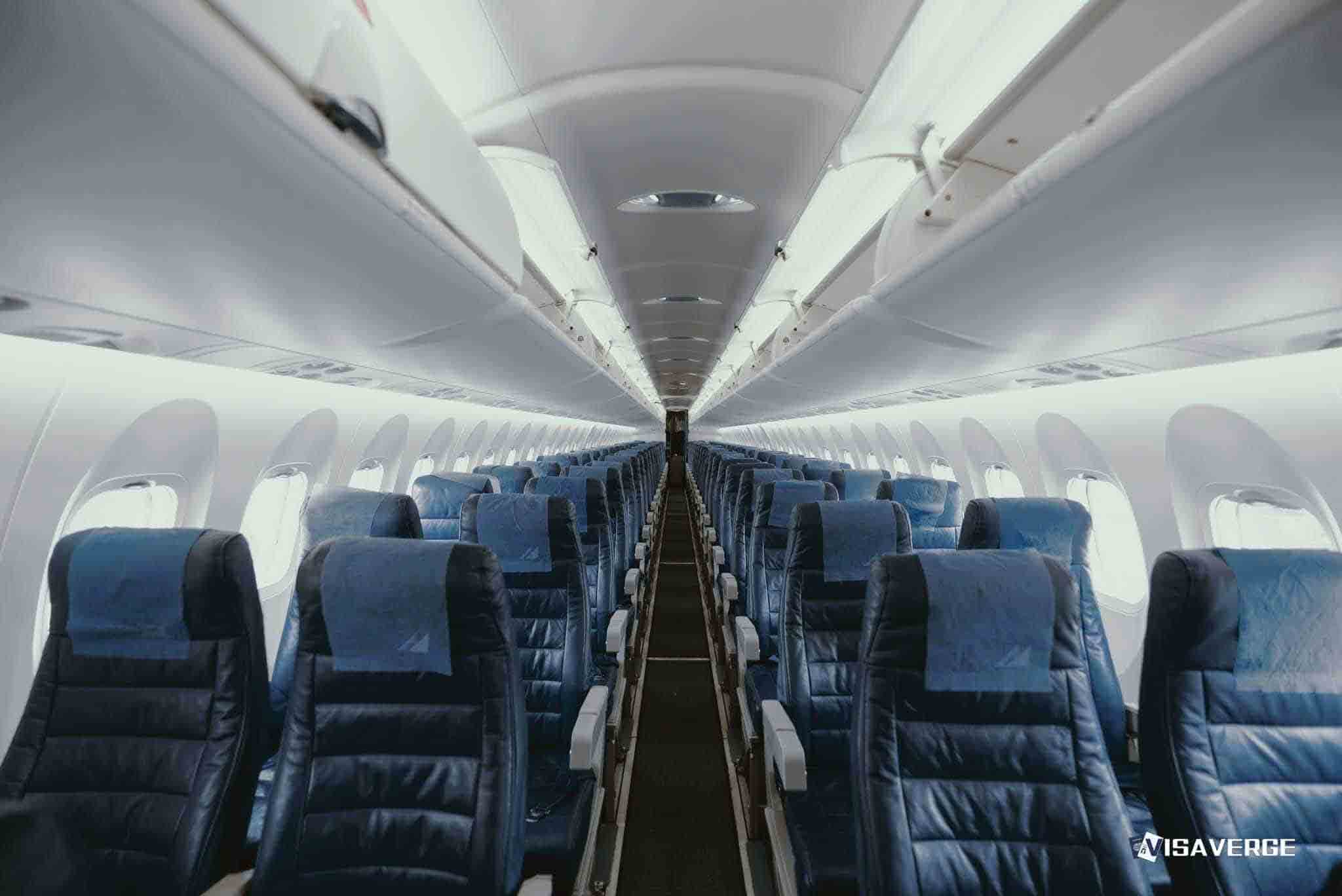
Some travelers want the lowest sticker price and will accept restrictions. Others will pay more for control: picking a seat, changing plans, or keeping lounge access.
Fare “families” let the airline sell multiple versions of the same cabin. Remote workers and digital nomads feel this shift fast: a lower fare can look perfect on a budget spreadsheet but hide important limitations.
With a premium Basic fare, the question becomes “What am I giving up to get that lower number?”
⚠️ Verify lounge access and seat selection rules at booking for any Basic premium fare and monitor changes as Delta expands Basic offerings
1) Overview of Delta’s unbundling of premium cabins
Delta’s phased rollout will cover international Delta One, domestic Delta First, and Delta Premium Select through end of 2026. The airline will offer the same physical seats but vary the surrounding rules and inclusions.
This approach lets the carrier capture both price-sensitive buyers and travelers who will pay more for flexibility and perks. The move is primarily about segmentation and upsell opportunities.
For remote workers and digital nomads, the tradeoffs can be significant. Predictable seating, flexibility for schedule changes, and reliable lounge access matter more for work travel than for many leisure trips.
2) What “Basic” premium fares will include
Picture a nice apartment with a strict lease: you still get the apartment, but you lose a lot of freedom. A Basic premium ticket is expected to keep the core cabin experience intact—meaning the physical seat in Delta One, Delta First, or Premium Select plus standard onboard service.
Where the experience can change is everything around the seat: seat assignment timing, mileage earning, refunds, and change flexibility. These ancillary rules are where the “unbundling” is most visible.
No advance seat selection is the biggest “felt” difference for many travelers. Instead of choosing a specific seat at purchase, you may be assigned later—often after check-in or within 24 hours.
- Couples may not sit together, even in a premium cabin.
- Tall travelers can’t reliably lock in a preferred spot early.
- Remote workers lose control over proximity to a power outlet or avoiding high-traffic areas.
Reduced mileage earning is another quiet cost. A lower-earning fare can slow progress toward elite status and cut the value of points you expected to earn on a pricey ticket.
For travelers who rely on miles to fund future trips, “cheaper today” can mean “less value tomorrow.”
Cancellation fees instead of full refunds can also change risk planning. A flexible ticket can act like insurance when a client reschedules or you decide to stay longer.
With Basic, you may pay a penalty, receive a credit with strings, or face stricter rules. Cash flow matters when you travel often.
Lounge access may be restricted, especially for Delta One Basic. Lounges can be a reliable workspace between flights, with quieter seating and more predictable Wi‑Fi than gate areas.
Treat lounge access as a booking-time check, not an assumption.
Limited flexibility for changes can show up in added fees and more friction. Even when changes are allowed, you can still pay fare differences and face more restrictions.
3) Rollout timeline and scope
Late 2025 set the tone. Delta had already experimented with fare-family ideas through Comfort Basic testing in late 2025, and executives signaled more expansion during the Q4 2025 earnings call.
Delta indicated customers could see Basic versions of premium cabins before the end of 2026. Joe Esposito, an executive vice president at Delta Air Lines, said the airline has been “incredibly thoughtful about not going too fast.”
That language points to a phased rollout rather than an overnight switch. Expect availability to vary by route, date, demand, and sales channel.
Comfort Basic is a useful signal: carriers often test a lower-priced tier in one cabin to learn customer behavior and support workload before expanding the model.
| Cabin/Market | Current Status | Expected Availability | Notes |
|---|---|---|---|
| International Delta One | Premium cabin with higher inclusions on many fares today | Anticipated before the end of 2026 | Watch for possible lounge access restrictions on Basic |
| Domestic Delta First | Traditional domestic premium product | Anticipated before the end of 2026 | Seat selection limits may be especially noticeable on short trips |
| Delta Premium Select | Premium economy on select long-haul routes | Anticipated before the end of 2026 | A “work seat” for many nomads; seat assignment timing matters |
4) Fare structure model: Basic vs Classic vs Extra
Delta Air Lines is building a three-tier structure: Basic, Classic, and Extra. Economy already uses tiering, and premium cabins are expected to add a Basic option while keeping higher tiers.
Think of it like buying a concert ticket: same band, different rules about where you sit and whether you can change plans. Basic is built to win the first click; Classic feels like “normal,” and Extra is for the most control.
Upsells tend to revolve around seat selection, mileage earning, refunds, changes, and lounge access where applicable. Here’s a practical way to decide:
- Choose Basic when dates are locked, you can accept seat uncertainty, and you’re treating the trip like a fixed plan.
- Pick Classic when you want to select a seat early and reduce the chance of surprise fees.
- Pay for Extra when work is driving the trip and changes are likely, or when you want the highest predictability.
| Tier | Flexibility | Seat Selection | Mileage/Earning | Cancellation/Refunds | Lounge Access |
|---|---|---|---|---|---|
| Basic | Lowest; changes can be limited and more restrictive | No advance seat selection; assignment later | Reduced vs higher tiers | Fees likely; refunds more limited | May be restricted in premium cabins; verify per booking |
| Classic | Middle ground; fewer surprises | Seat selection typically included earlier | More typical earning | More standard options than Basic | More likely included where normally offered; confirm |
| Extra | Highest control; best for uncertain plans | Best chance to lock in preferred seat early | Strongest earning among tiers | Most forgiving terms | Most consistent access where eligible; confirm details |
Readers should model trips with Basic, Classic, and Extra options to compare total trip cost, not just headline price.
For digital nomads, “total trip cost” also includes work reliability. If losing lounge access forces a paid day room or coworking space, the cheaper fare can flip.
If a Basic ticket triggers a costly change later, the savings vanish. Price matters. Predictability also matters.
5) Industry context: Delta isn’t alone
Delta’s move sits inside a broader industry trend: premium cabins are being sold in more “flavors.” Emirates, Qatar Airways, and Finnair have all pursued versions of unbundling that make a lower-priced premium seat possible.
Carriers often tighten seat assignment rules, lounge access, and change/refund terms to offer lower-priced premium options. Policies differ, but the direction is similar across the industry.
Two demand shifts help explain why airlines are doing this: leisure travelers are buying more premium seats than before, and corporate travel has recovered unevenly post-pandemic.
A fare-family approach lets airlines sell premium to more people while still charging top dollar for flexibility to those who need it.
Digital nomads should watch three things across airlines as these products spread:
- Naming differences: “Basic” may not always mean the same rules carrier to carrier.
- Lounge mechanics: Access can be tied to fare type, status, route, or cabin label.
- Seat selection timing: “Assigned later” can change the whole work plan on a long-haul flight.
Delta’s direction is clear: more choice, more conditions, more responsibility on the buyer to check what’s included. Treat every premium booking like a small contract.
Confirm the rules on the purchase screen, then decide if the savings are worth the trade before Basic expands further on the way to end of 2026.
Delta Air Lines is introducing a tiered fare system across its premium cabins by 2026. By unbundling perks like seat selection and lounge access into ‘Basic,’ ‘Classic,’ and ‘Extra’ tiers, the airline aims to capture price-sensitive segments while upselling flexibility. This change requires travelers to carefully evaluate total trip costs, as lower base prices may hide significant restrictions on work-friendly amenities and schedule changes.