- A Delta flight from LaGuardia returned to the gate after deicing fluid leaked into the cabin.
- At least one passenger was soaked by the fluid, forcing a full aircraft swap and maintenance.
- The flight reached Jacksonville after a three-hour delay and a successful second deicing process.
(NEW YORK, USA) — Delta Flight 1307 from LaGuardia Airport (LGA) to Jacksonville International Airport (JAX) returned to the gate on January 18, 2026, after deicing fluid entered the cabin, soaking at least one passenger and forcing a maintenance response that ended with an aircraft swap and a second deicing before departure.
The incident disrupted a routine winter safety step meant to keep aircraft surfaces free of ice and snow before takeoff. Instead, fluid used outside the plane made its way inside, raising cleanup, comfort, and possible health concerns for those exposed.
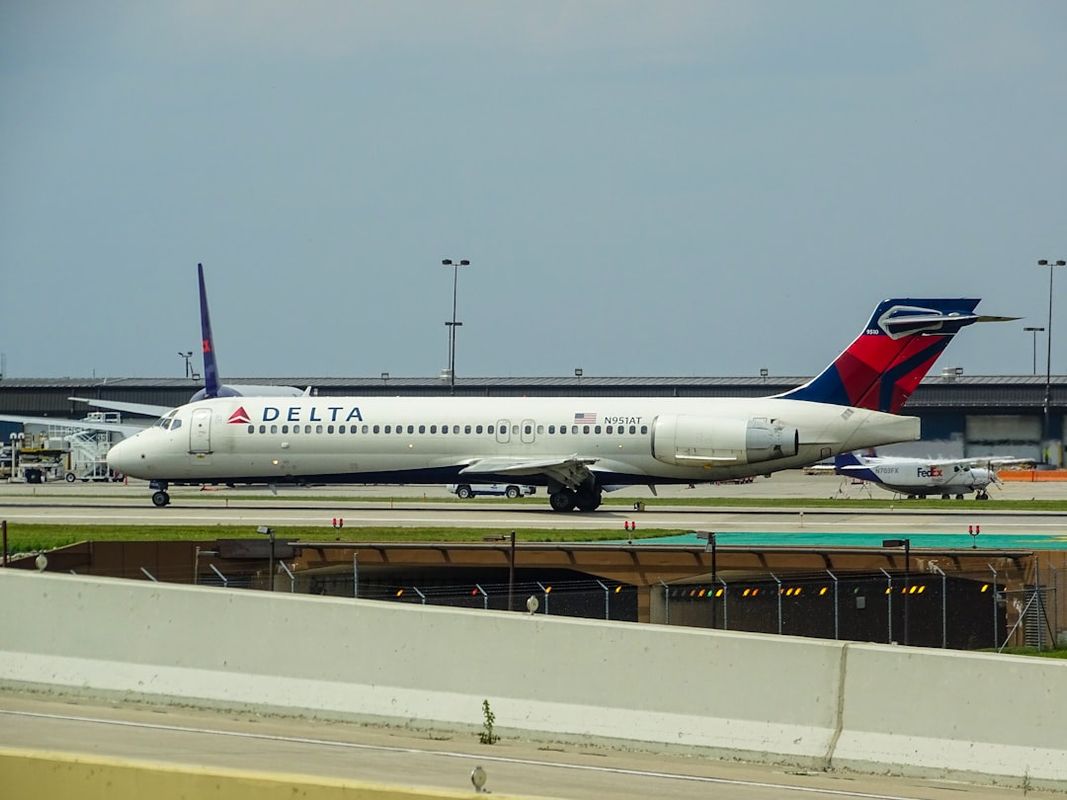
Delta Air Lines ultimately resumed the trip after corrective action on the ground. The flight left hours later, after another deicing pass that was completed without incident.
| Item | Details | Notes |
|---|---|---|
| Flight | Delta Flight 1307 | Delta Air Lines |
| Route | LaGuardia Airport (LGA) to Jacksonville International Airport (JAX) | New York to Florida |
| Date | January 18, 2026 | Winter operations |
| Scheduled departure | 2:10 pm | Before deicing delay began |
| Outcome | 3-hour delay | Return-to-gate and recovery |
| Actual departure | 5:22 pm | After aircraft swap and re-deicing |
| Reported cabin impact | Deicing fluid leaked into cabin; at least one passenger soaked | Triggered gate return and inspection |
Pilots requested the return shortly after the aircraft reached the deicing area at LaGuardia. In communications with air traffic control, the crew reported that deicing fluid had leaked inside and “soak[ed] the aircraft,” prompting an immediate change in plans.
A return-to-gate decision after pushback or during taxi is typically driven by a safety report that needs direct assessment. Cabin contamination, strong odors, suspected leaks, or any event that affects passengers can require inspection and cleaning that cannot be handled on a taxiway.
That process often unfolds quickly for travelers, then slows down. Passengers may be asked to remain seated while the crew coordinates with operations, then return to a gate where maintenance and ground staff can board.
Aircraft Swap and Operational Impact
An aircraft swap, like the one used here, generally signals that continuing on the same airframe would take longer than replacing it. It can also reflect uncertainty about the source of the exposure, the need for interior cleaning, or concerns that seals and fittings need closer inspection before flight.
Swapping aircraft can also create cascading delays. Crews have duty-time limits, gates must be reassigned, and baggage and catering may need to move to the replacement aircraft.
How Deicing Works and Why Exposure Is Unusual
Deicing fluid is a common part of winter flying in the Northeast, especially during active precipitation or freezing temperatures. It is applied to remove existing snow or ice and to help prevent new accumulation that could affect lift and control surfaces.
The fluid used at major U.S. airports is often a glycol-and-water mixture, and it is commonly heated and sprayed under pressure to improve coverage and melt performance. Reports tied to this incident described fluid heated to around 150 degrees during application.
Cabin exposure, however, is unusual. Deicing is designed as an exterior procedure, and passengers are not expected to come into contact with fluid beyond minor odor or mist outside the aircraft.
How Fluid Can Enter the Cabin
One reason exposure can happen is proximity. If a nozzle is positioned too close to the fuselage near door seams, spray can rebound and travel in unexpected directions, especially in gusty winter conditions.
Door areas are a focal point because they combine seams, seals, and latching hardware in a tight space. Those components are built to keep out wind and precipitation during flight, but they are not meant to resist sustained, high-pressure spray at close range.
Airflow around the aircraft on the ground can also carry overspray toward openings. Even when doors are closed and latched, small gaps and pressure differentials can channel mist or liquid along the frame.
Cold-weather conditions can complicate the picture. Rubber seals can stiffen, and ice residue around a frame can affect how surfaces mate, making it harder to rule out a one-time pathway for fluid intrusion.
Delta Air Lines did not publicly confirm a single, definitive entry point, and such determinations often depend on maintenance findings, cleaning observations, and inspection of door seals and surrounding panels. Airlines may still decide the fastest safe option is to remove the aircraft from service until the interior is confirmed clean and dry.
Health Considerations and Passenger Guidance
For passengers, the key issue is what contact occurred and how long it lasted. Modern deicing fluids are generally considered less hazardous than older formulations, but prolonged contact can still be irritating.
Exposure may affect skin, eyes, or airways, especially for people with sensitivities. Irritation can also worsen when fluid remains on clothing for an extended period, or when vapors linger in an enclosed space.
Passenger health monitoring after an event like this usually means watching for symptoms that do not improve after leaving the airport environment. Travelers may want to pay attention to a persistent rash, worsening cough, shortness of breath, eye irritation, or symptoms that intensify over several hours.
Airlines typically respond by documenting the event, arranging cleanup, and offering affected passengers a way to report concerns. In some cases, carriers may also direct travelers to medical resources at the airport or advise them to consult a clinician if symptoms appear.
Documentation matters for practical reasons even when no one expects lasting harm. Photos of stained clothing, notes about the seat location, names of staff spoken to, and copies of receipts can help support requests for cleaning costs or reimbursement review.
✅ What affected passengers should do now: preserve documentation, seek medical advice for exposure symptoms, and request written delay and cleaning records from the airline.
Operational Recovery and Re-deicing
Delta Air Lines’ operational recovery on January 18, 2026, included a maintenance check and an aircraft swap before departure. That approach can limit disruption if the original aircraft would require extended cleaning or if there is any doubt about whether additional fluid remains in the cabin.
Re-deicing after a long ground delay is also common. Deicing protection is time-limited, and holdover concepts guide whether the aircraft must be treated again before takeoff to reduce the risk of contamination returning to critical surfaces.
By the time passengers finally departed at 5:22 pm, the aircraft had been deiced a second time, and the flight continued to Jacksonville. That second deicing occurred without incident, closing the immediate safety loop for the departure.
Travelers affected by delays linked to safety events can ask the airline for written confirmation of what occurred and when. Delta’s customer service channels and Delta Air Lines’ website can be a starting point for requesting records or submitting receipts.
This article discusses a potential health exposure incident. Readers should consult healthcare professionals for medical advice if exposed to deicing fluids.