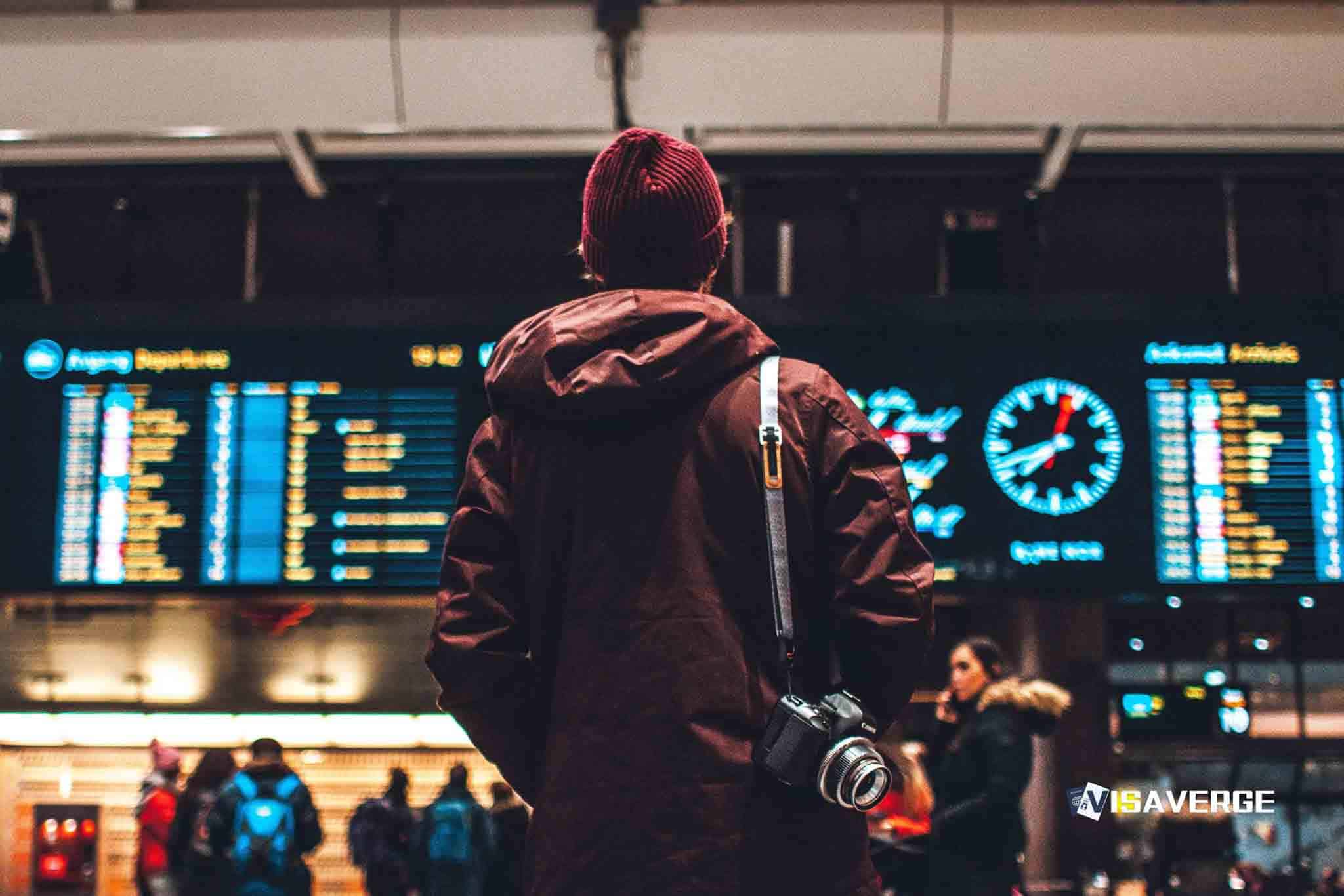
(UNITED STATES) — The Transportation Security Administration began enforcing REAL ID requirements for domestic air travel on May 7, 2025, tightening the documents many passengers must show at airport checkpoints and leaving undocumented immigrants with a narrowing set of options to board flights inside the United States.
Who cannot get REAL ID and why it matters
Undocumented immigrants cannot obtain a REAL ID because the application requires proof of lawful status in the U.S., even as the rule now applies to all domestic air travel.

This structural barrier means REAL ID is not an option for many people without lawful status, and it has immediate practical consequences at airport checkpoints.
Federally accepted alternative IDs
Some undocumented travelers can still present other federally accepted identification at TSA checkpoints:
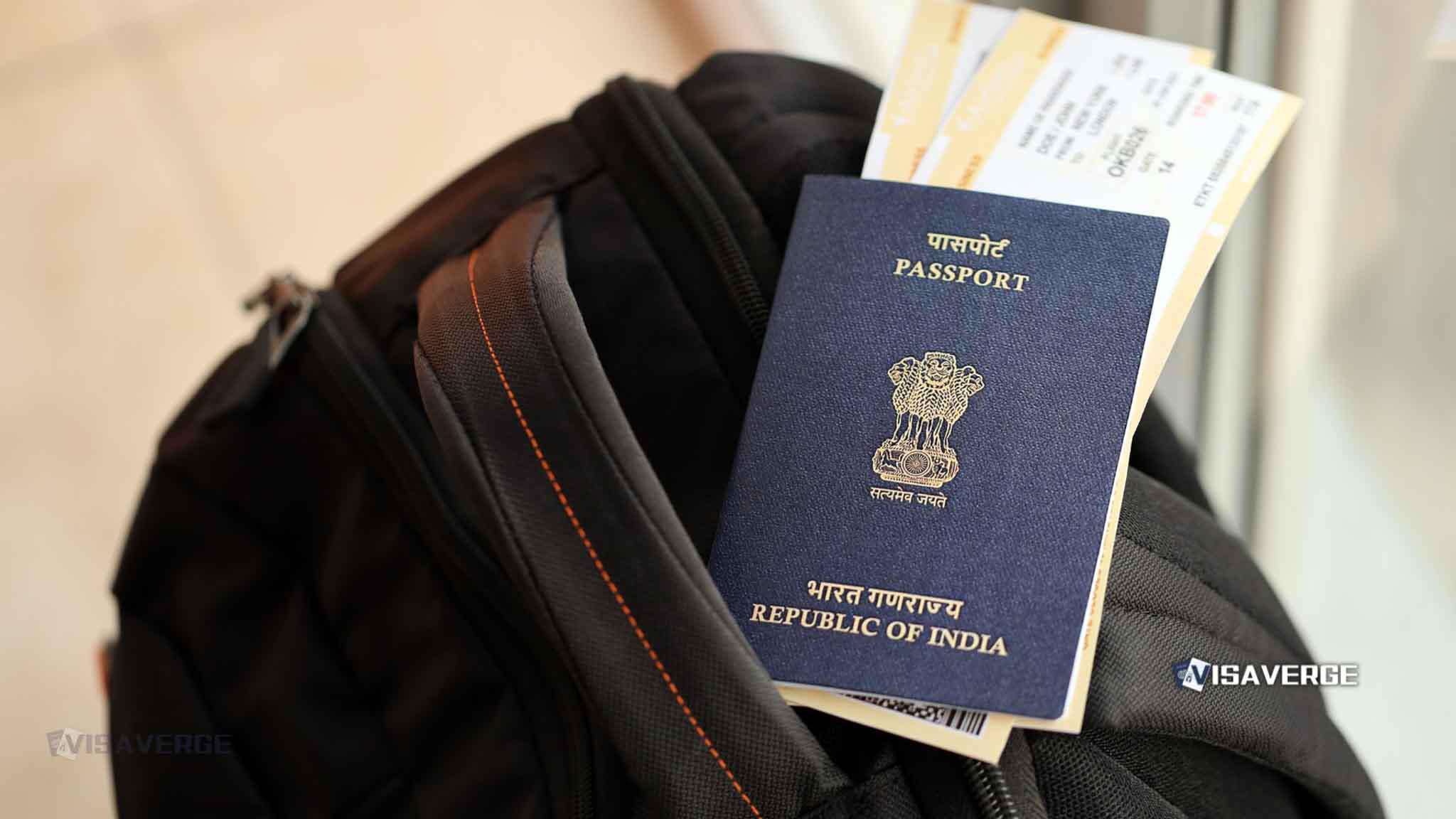
- Valid foreign passport
- Valid USCIS Employment Authorization Card (
Form I-766) - State-issued enhanced driver’s license
These alternatives can allow boarding, but they do not eliminate the legal and practical risks that undocumented immigrants face in airports.
Change to CBP One and its impact
A second policy shift, effective February 24, 2025, removed one of the most commonly used temporary tools for certain migrants: the TSA ended acceptance of the CBP One app for domestic flight identification.
- Previously, asylum seekers and some undocumented immigrants used the CBP One app to board flights while awaiting legal proceedings.
- After the change, undocumented immigrants using CBP One will only be permitted at airport checkpoints if TSA determines their travel purpose is for deportation or movement between detention centers.
The Department of Homeland Security cited national security concerns, saying some migrants entering through CBP One were not properly vetted.
The removal of CBP One as a broadly accepted checkpoint option turned a previously practical workaround into a restricted channel used only in narrow circumstances tied to custody transfers or deportation.
Enforcement risks at airports
Even when travelers carry a document that TSA accepts, the process does not necessarily end at the checkpoint.
- The TSA can refer individuals to Immigration and Customs Enforcement (ICE) or Customs and Border Protection (CBP) for additional questioning.
- Those referrals can potentially lead to removal proceedings, even on domestic flights.
Immigration attorneys report that TSA officers and ICE agents are actively stopping passengers and requesting proof of citizenship at airports, adding another layer of uncertainty for people who may already be wary of contact with federal officials.
Higher-risk situations
Certain circumstances heighten the risk of an airport encounter leading to immigration consequences:
- Travel within border zones carries heightened risk
- Having a criminal history or prior immigration violations increases the stakes
- Presence of immigration agents at transportation hubs (airports, train and bus stations)
Immigration advocates and legal organizations strongly advise against domestic air travel for undocumented immigrants, arguing that the potential costs of a single airport encounter outweigh the convenience of flying.
Guidance and recommendations from advocacy groups
Immigration Equality and other advocates urge caution:
- Avoid domestic air, train, and bus travel if undocumented or with pending immigration applications, because immigration agents are present at nearly all airports and transportation hubs.
- Presenting a passport or work authorization card does not guarantee a predictable or nonadverse outcome if screening expands beyond TSA’s standard security role.
Practical options and their limits
The current environment offers a limited menu of identification options for undocumented immigrants:
| Accepted alternative ID | Availability / Limitations |
|---|---|
| Valid foreign passport | Sometimes the only obtainable document for some individuals |
USCIS Employment Authorization Card (Form I-766) |
Where available, serves as federally accepted ID |
| State-issued enhanced driver’s license | Depends on access to and possession of such a license |
Carrying one of these documents does not resolve the broader enforcement environment. A checkpoint identity check can still be referred to ICE or CBP, shifting the encounter to immigration enforcement.
Broader consequences and social impact
The enforcement changes have altered how immigrants and families assess routine travel decisions:
- A day trip can become a risky choice due to potential immigration questioning.
- The loss of CBP One as a general checkpoint option removed a previously used tool while proceedings were pending.
- DHS framed the CBP One change as a national security decision, noting vetting concerns rather than a minor documentation adjustment.
The combined effect of REAL ID enforcement and the end of CBP One acceptance for domestic flight identification has tightened the space for undocumented immigrants to move by air. Legal groups continue to advise that, in many cases, the safest choice is to avoid domestic air travel altogether.
The implementation of REAL ID requirements and the discontinuation of the CBP One app for flight identification have created significant barriers for undocumented immigrants in the U.S. While some alternative documents like foreign passports are still accepted by TSA, travelers risk being referred to immigration enforcement agencies. Legal advocates now strongly advise against domestic air travel for those without lawful status due to these heightened enforcement risks.