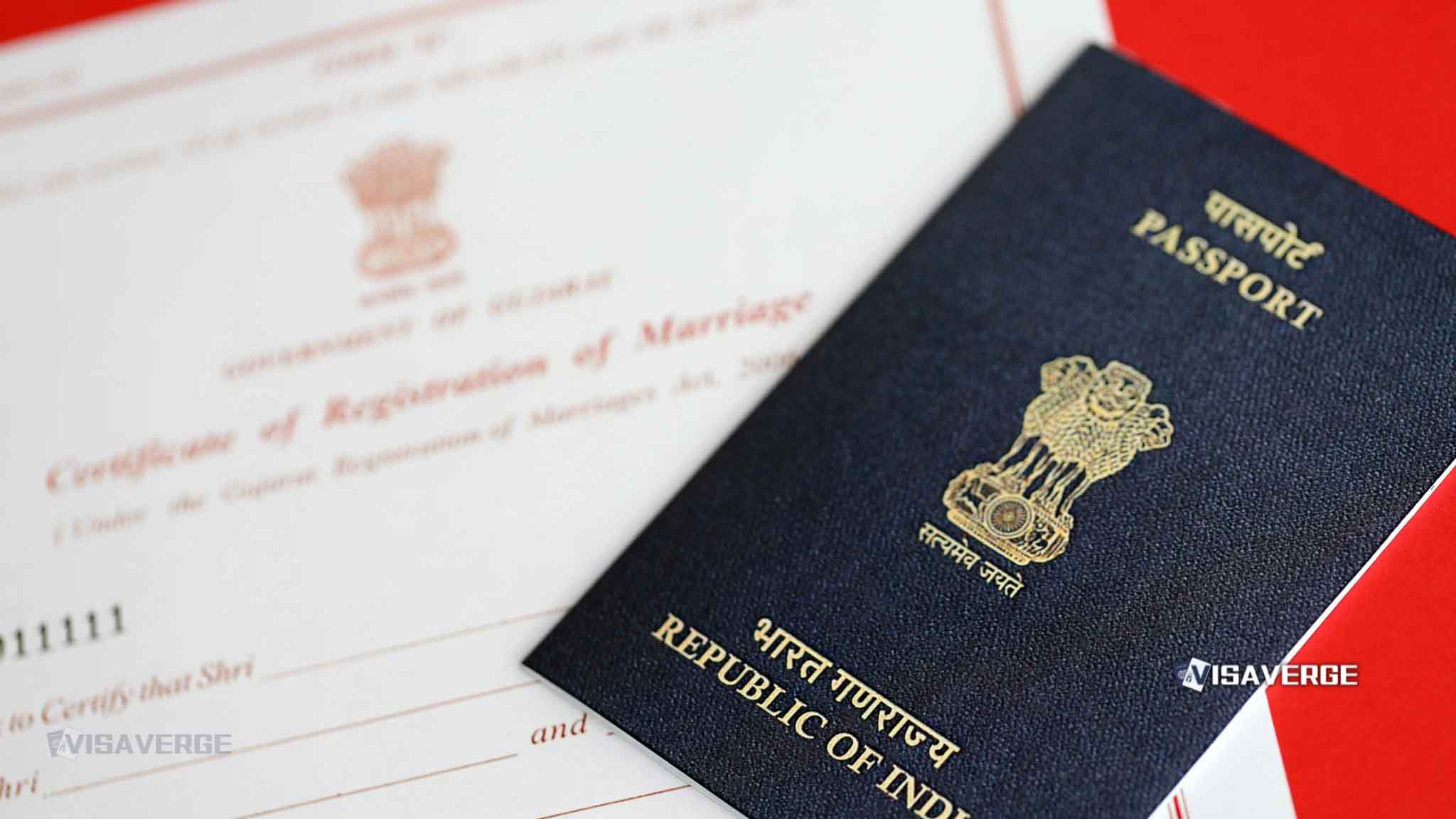
- India’s new Baggage Rules 2026 removed the value cap on duty-free gold jewellery allowances.
- Female residents from abroad can bring 40 grams of gold, while others are limited to 20 grams.
- Duty-free jewellery allowances apply only to air and sea arrivals, excluding all land border crossings.
(INDIA) — India brought in new Baggage Rules 2026 on February 2, 2026, setting a revised framework for how much travellers can bring in duty-free, including gold jewellery and other imported goods.
The rules tie duty-free treatment for gold jewellery to passenger category and gender, and they also draw a bright line between passengers arriving by air or sea and those crossing by land.

Key changes in Baggage Rules 2026
A central change in the Baggage Rules 2026 removes the value cap that applied under older regulations and had limited jewellery even when travellers stayed within the weight limits.
Under the earlier system, female passengers faced a ceiling of ₹100,000 in value and male passengers faced a ceiling of ₹50,000 in value, alongside the weight thresholds.
The new framework drops those value restrictions, leaving weight as the controlling factor for duty-free gold jewellery, which travellers often buy or carry alongside other duty-free purchases.
Gold jewellery allowances
For Indian residents or tourists of Indian origin who have been residing abroad for more than one year, the duty-free allowance for gold jewellery reaches up to 40 grams for female passengers.
Other passengers in the same category can bring up to 20 grams duty-free, with the allowance applying when the jewellery is part of bona fide personal baggage.
- Female passengers (residing abroad >1 year): Up to 40 grams duty-free
- Other passengers in that category: Up to 20 grams duty-free
The rules keep the weight-based approach for gold jewellery and place it within a category test that turns on residency status and time spent abroad, as well as the requirement that the items qualify as bona fide baggage.
Eligibility and definition of bona fide baggage
Eligibility depends on how the jewellery is carried and on the purpose for which it is brought in, with the rules requiring it to form part of bona fide baggage.
The definition of bona fide baggage in the rules centres on genuine personal baggage intended for personal use, and it excludes jewellery carried for sale.
Mode of travel and boundary of benefit
Mode of travel also sets the boundary of the duty-free benefit, because the allowance for gold jewellery applies only to air or sea arrivals.
Land arrivals receive no duty-free allowance for gold jewellery under the new rules, a distinction that separates airport and seaport processing from crossings at land borders.
General duty-free allowances for other imported goods
Alongside the jewellery provisions, the Baggage Rules 2026 raise the general duty-free allowance for imported goods for Indian residents and tourists of Indian origin.
- Indian residents and tourists of Indian origin: General allowance increased from ₹50,000 to ₹75,000
- Foreign tourists: Allowance rises from ₹15,000 to ₹25,000
These changes reflect a broader shift in the treatment of incoming passenger baggage beyond gold jewellery.
Enforcement and practical impact
Customs enforcement under such rules typically depends on whether passengers fit the defined category, whether the jewellery is presented as personal effects, and whether the arrival occurs by air or sea rather than by land.
For passengers who traditionally balanced weight and value when carrying gold jewellery, the removal of the value cap changes how customs treatment hinges on the Baggage Rules 2026, particularly when prices move but weight stays fixed.
At the same time, the rules keep the weight-based approach for gold jewellery and place it within a category test that includes residency status, time spent abroad, and the bona fide baggage requirement.
The reform marks the first major revision to India’s baggage limits in a decade, resetting thresholds that affect travellers planning what to carry when they return from abroad.
For many travellers, the combined changes mean that planning a return trip now involves tracking different thresholds for gold jewellery and general goods, while also keeping in mind that land arrivals do not receive a duty-free allowance for jewellery.