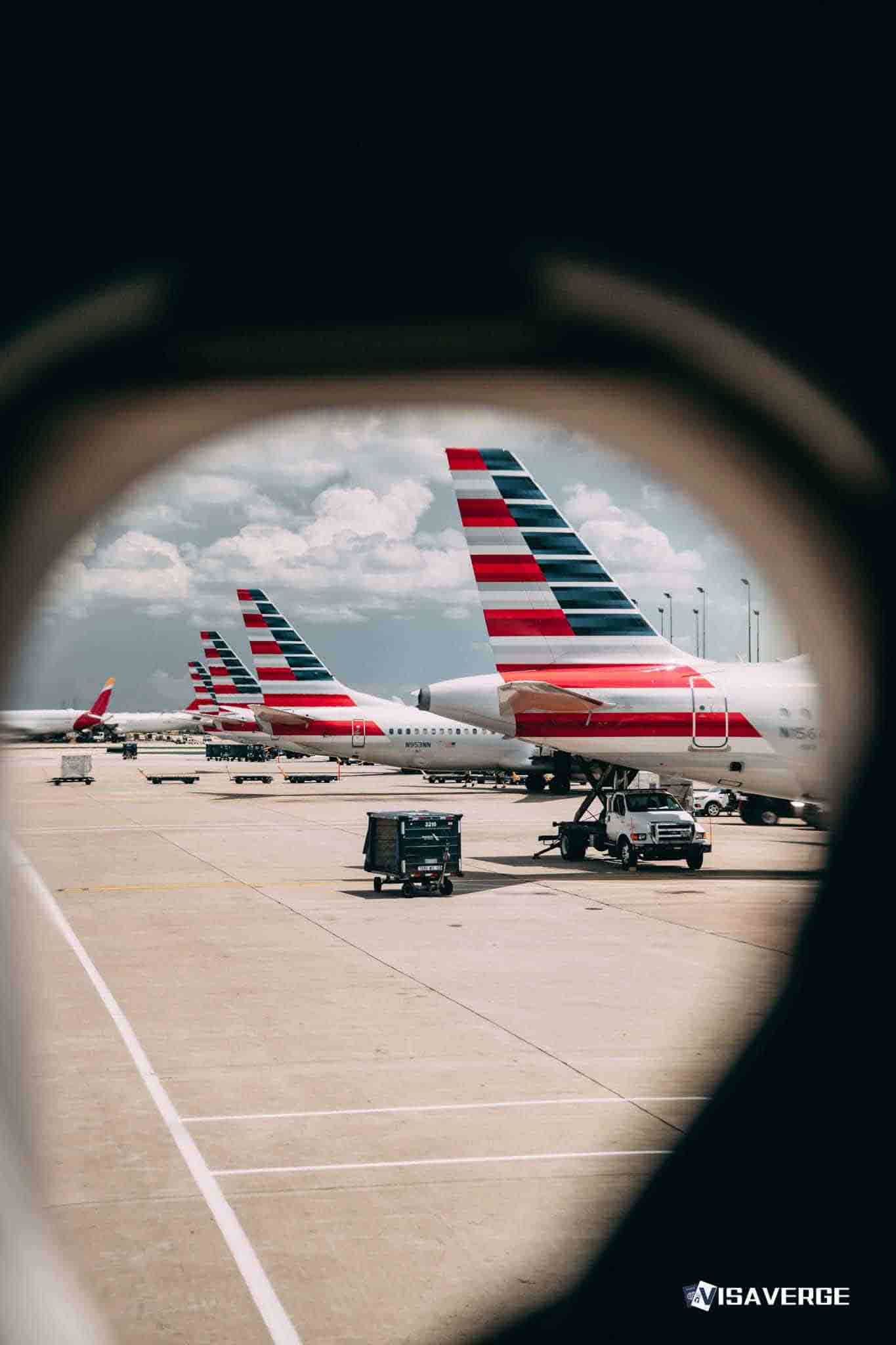
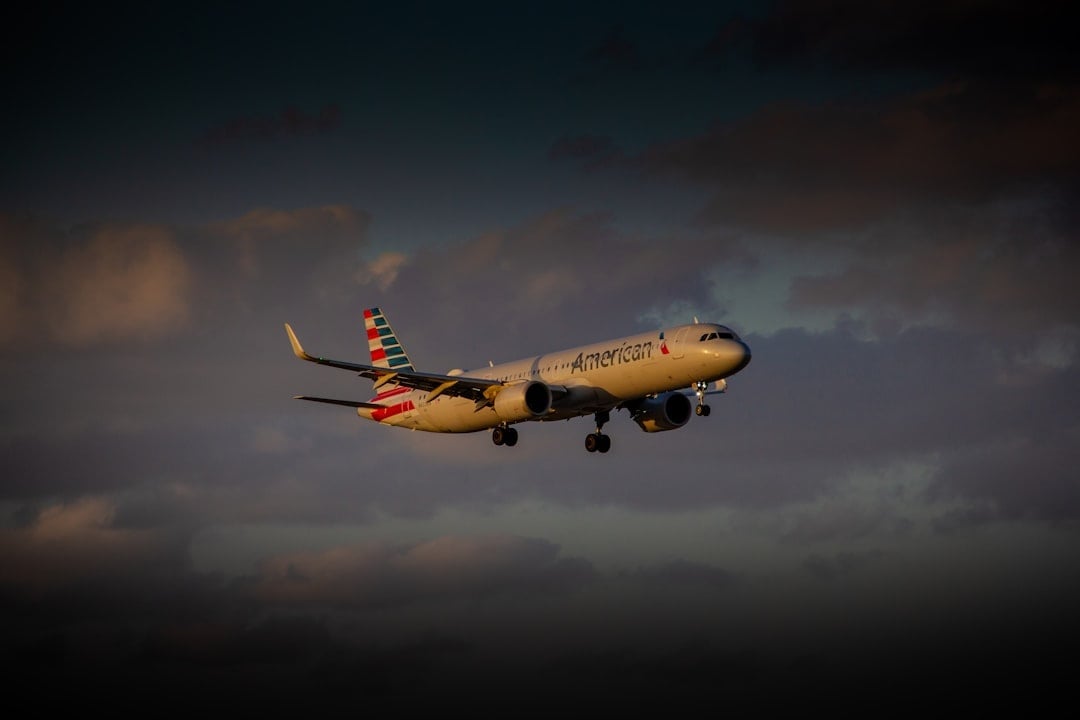
American Airlines’ flight hold program started at Dallas-Fort Worth (DFW) in May 2025 and is expanding to more large airports, including Charlotte (CLT), Chicago O’Hare (ORD), and Phoenix (PHX). If you connect at these hubs, it matters because your connecting flight can be held briefly—typically up to 10 minutes—when you’re delayed and would otherwise miss it.
For immigrants, international visitors, and anyone traveling with tight connections, one saved connection can prevent a missed USCIS appointment, a lost hotel night, or a stressful rebooking. Below is the rollout timeline and what it means for travelers.
Rollout timeline (at-a-glance)
| Date / Period | Airport(s) | What happened or is planned |
|---|---|---|
| May 2025 | DFW | Testing begins using American’s in-house technology to decide when to briefly hold a departing connection for delayed inbound passengers. |
| Spring/Summer 2025 | DFW | Program launches ahead of peak travel (Fourth of July, Labor Day). Tool reviews real-time data and recommends holds when it won’t disrupt operations. |
| June 2025 (one month after DFW testing) | DFW | Early results: thousands of connections saved in one month. Jim Moses, SVP of American’s DFW Hub Control Center, cites early outcomes as proof it scales. |
| Summer 2025 | CLT | Testing expands to Charlotte Douglas International during the summer travel rush. |
| Around Fourth of July 2025 | ORD | Launch planned at Chicago O’Hare timed around the Fourth of July period. |
| Labor Day weekend 2025 | PHX | First tests at Phoenix Sky Harbor; holds limited to no more than 10 minutes. |
| Summer 2025 → 2026 | Multiple hubs | Continued rollout to more hubs beyond the initial airports. |
What the flight hold program does (and the key limit)
The program is designed to hold a connecting flight for a short time when your inbound flight is late and you’re at risk of misconnecting.
- The usual hold window is up to 10 minutes.
- The system only recommends a hold when it won’t cause larger operational problems.
That limit matters: a short hold can save a connection, but a longer hold can disrupt crew schedules, delay aircraft rotations, and trigger more cancellations later in the day.
Key takeaway: Short, targeted holds improve odds of making a connection, but they’re not a guarantee and are capped to protect the broader operation.
How American decides whether to hold a flight
Previously, gate agents made hold decisions manually with limited data. The new program automates that decision using real-time analysis of connection risk and operational impact.
A hold is more likely when:
- Multiple connecting passengers are affected (not just one traveler).
- There are no good alternative flights if you misconnect.
- A hold won’t disrupt downstream operations, such as crew timing and later departures.
At DFW, the system can flag at-risk connections at specific gates—examples include A16 or D21—then propose a hold only if it is operationally safe.
What this means for you at DFW (and why immigrants are particularly affected)
DFW is one of American Airlines’ biggest hubs, and many trips have one fragile link: the connection. When a connection fails, the fallout can go beyond inconvenience and affect legal plans and deadlines, including:
- Missing a USCIS biometrics appointment or interview time slot
- Missing an attorney meeting scheduled around arrival time
- Losing prepaid travel tied to fixed dates, such as medical exams or document pickups
- Triggering extra scrutiny at the border if repeated missed flights create inconsistent travel patterns
A short, targeted hold is not a promise, but it can improve your odds when weather, air traffic, or late arrivals threaten your connection.
What the program does not do (set expectations)
This technology can improve connection outcomes, but it does not remove risk from tight schedules. Don’t expect:
- A guaranteed hold because you asked a gate agent.
- More than a brief hold; the program centers on short holds.
- Consistent results across airports, since the rollout is staged.
If you have a high-stakes immigration trip, planning is still your best protection.
How to plan your connection when timing matters for immigration
You can’t control weather or inbound delays, but you can control preparation. Four recommended actions:
- Book a safer connection window
- If your arrival triggers a fixed appointment time, avoid the tightest connections.
- Allow extra time for terminal changes at large hubs like Dallas-Fort Worth (DFW).
- Carry proof of your purpose and schedule
- Keep appointment notices, attorney contact details, and a simple itinerary available offline.
- If you’re traveling internationally, keep entry documents in your carry-on, not checked luggage.
- Know what happens if you misconnect
- If you miss the last flight, you can get stranded overnight.
- If you have legal deadlines, plan how you’ll notify the office or reschedule quickly.
- Give yourself extra time for border steps when you return
- If you’re reentering the 🇺🇸, allow time for inspection and possible secondary screening.
- Use official guidance on entry and travel document expectations at U.S. Customs and Border Protection.
How the program’s spread changes coverage at major hubs
As American expands beyond DFW, the main change is coverage: your itinerary might include one of these hubs even if you don’t start there.
- DFW: Program began here and produced fast early results. Frequent DFW connectors are most likely to see it in action.
- CLT: Testing in summer 2025; East Coast connections through Charlotte may see improved protection during busy periods.
- ORD: Launch timed near Fourth of July 2025; focus on high-impact connection saves through Chicago.
- PHX: Tested over Labor Day weekend 2025 with holds capped at no more than 10 minutes; emphasis on quick, controlled holds.
Privacy and fairness concerns
Passenger reaction is mixed:
- Some travelers appreciate the airline using real-time data to keep groups together and avoid missed connections.
- Others worry about privacy and whether decisions feel consistent or fair.
The practical point: the system prioritizes operational feasibility and group impact. It does not center on personal hardship even when reasons for travel are serious. If your trip has immigration stakes, treat the flight hold program as a helpful bonus—not a foundation for your travel plan.
Related 2025 hub improvements you may notice
The flight hold program is part of a broader set of 2025 customer changes at American, including:
- Free Wi‑Fi at many hubs
- Faster kiosks at airports such as LAX, MIA, JFK, and PHX
If you’re traveling for immigration paperwork, faster kiosks can help recover time during check-in or bag drop, and Wi‑Fi can help you reschedule quickly if plans change.
For more immigration travel and planning guides, visit VisaVerge.com.
Your next actions if you’re flying through DFW soon
If you have an immigration appointment, a consular visit, or a time-sensitive family trip, treat your DFW connection like a critical step:
- Book a connection you can realistically make.
- Keep your documents in your carry-on.
- Save a screenshot of any appointment notice so you can act fast if plans change.
These steps give you the best chance of avoiding costly or stressful consequences if a tight connection is threatened.
American Airlines has expanded its automated flight hold program from Dallas-Fort Worth to hubs in Charlotte, Chicago, and Phoenix. The system analyzes real-time data to recommend holding flights for up to 10 minutes, provided it doesn’t cause wider delays. This is particularly beneficial for travelers with time-sensitive immigration appointments. However, passengers are advised to maintain realistic schedules as the program serves as a backup rather than a guarantee.