- An Alaska Airlines flight attendant filed a federal lawsuit against Stumptown Coffee following an in-flight package explosion.
- The attendant claims the coffee packaging was defective, causing permanent and severe burn injuries during beverage preparation.
- This case highlights broader concerns regarding onboard equipment safety standards and vendor liability in the aviation industry.
(SEATTLE, WA) — An Alaska Airlines flight attendant says a Stumptown Coffee package “exploded” during an in-flight service departure from Seattle, leaving her with burns she describes as permanent. The lawsuit turns a routine cup of coffee into a bigger question for travelers: how safe are the hot beverages and service tools airlines hand crews every day?
The flight attendant has filed a federal lawsuit against Stumptown Coffee, seeking damages for her injuries. She alleges the coffee maker or packaging was defective, and says the incident caused severe burns while she was preparing the drink onboard.
For passengers, the case matters because in-flight service depends on a chain of vendors, equipment, and training. When one part fails, crew members are often the first to absorb the risk. If airlines tighten beverage handling rules after this case, you could see slower service or fewer hot drink options on some flights.
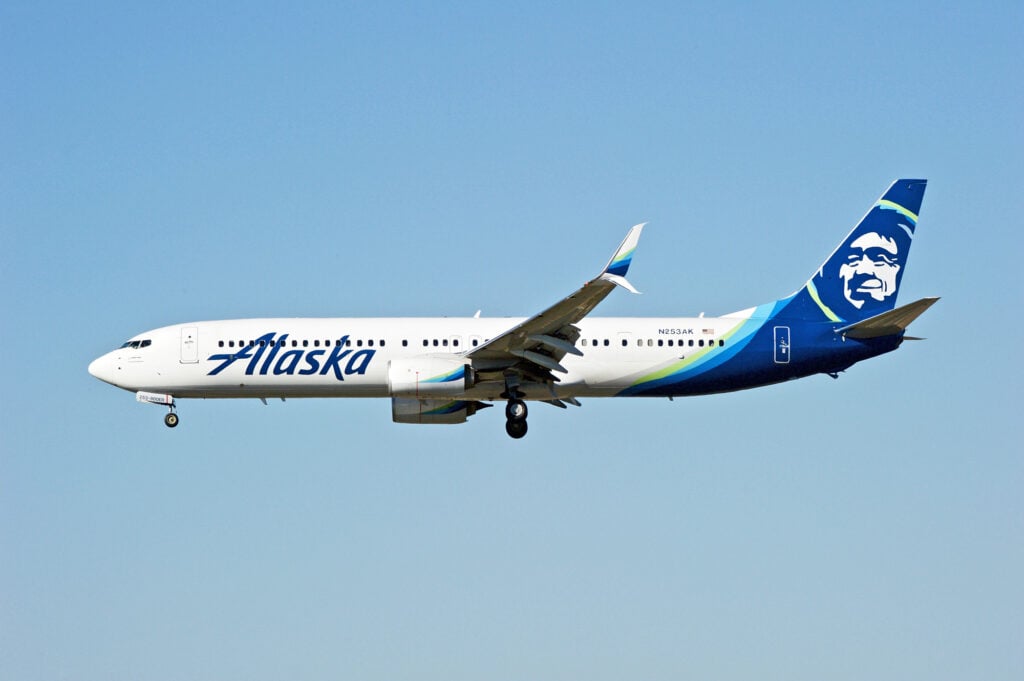
The incident allegedly happened during service on an Alaska Airlines flight departing Seattle. The attendant says the package malfunctioned explosively while being prepared. That detail is important because it points to a possible product or packaging issue, not just a one-off mishap with crew handling.
Burn injuries in the cabin can be serious even when they happen fast. Hot liquids, pressurized packaging, and cramped galley spaces leave little room for error. For travelers, that means the safety of your coffee is tied to design choices you never see at boarding.
Here’s the basic picture of the dispute:
| Item | Details |
|---|---|
| Airline | Alaska Airlines |
| Product involved | Stumptown Coffee package |
| Alleged event | Package “exploded” midflight |
| Injury claim | Burns described as permanent and severe |
| Case status | Federal lawsuit seeking damages |
The lawsuit also lands against a backdrop of earlier safety concerns tied to Alaska Airlines flight attendants. In a separate labor dispute, attendants raised issues about coffee machine brewing baskets that were said to be inadequately protected and prone to burns. The attendants won that fight, which put cabin-service safety back in the spotlight.
That earlier dispute matters because it shows this is not just about one flight or one cup of coffee. It is also about how airlines assess the risks of onboard equipment. If a brewing basket or packaged coffee product can hurt crew, carriers may need to revisit their service procedures.
⚠️ Heads Up: Hot beverage service can be one of the riskiest routine tasks in a narrow cabin. A small equipment flaw can create a serious injury claim.
For Alaska Airlines, the issue also touches brand trust. Travelers often choose the carrier for its strong West Coast network, friendly service, and frequent flyer value. When a crew safety case becomes public, it can affect how customers view the airline’s service standards, even if the claim targets a vendor.
Mileage fans may not see an immediate effect on earning or redemption. Your Atmos Rewards balance, upgrade chances, and partner redemptions do not change because of a lawsuit like this. But service-related disputes can still matter indirectly.
If Alaska adjusts onboard service or trims hot beverage offerings, the cabin experience could shift on routes where you expect full service. That may not change how many miles you earn, but it can affect the value of your fare and elite perks like complimentary drinks.
Competitive context is also worth watching. Major U.S. carriers all face the same challenge: deliver a polished cabin experience without exposing crews to avoidable burns or spills. Some airlines lean harder on packaged service items and automated tools, while others keep more manual galley routines. When safety questions arise, carriers often move quickly to review vendor contracts and crew procedures.
The public record, however, leaves several gaps. There is no publicly available detail on the lawsuit filing date. The court location is not public, and neither is the flight number or the attendant’s name. As of March 2026, there are also no documented updates on the case’s current status.
There has also been no documented response from Stumptown Coffee in the available reporting. That leaves the allegations untested in public, even as the case raises broader concerns about onboard beverage packaging and equipment safety.
For travelers, simple. Hot drinks in the air are convenient, but they rely on careful handling from crew and safe design from vendors. If this case pushes airlines to review brewing systems and packaging standards, that could mean better protection for crews and fewer onboard mishaps for passengers.
If you’re flying Alaska Airlines in the coming months, keep an eye on any changes to hot beverage service and crew announcements. Safety reviews often start quietly, but the effects can show up fast at 30,000 feet.