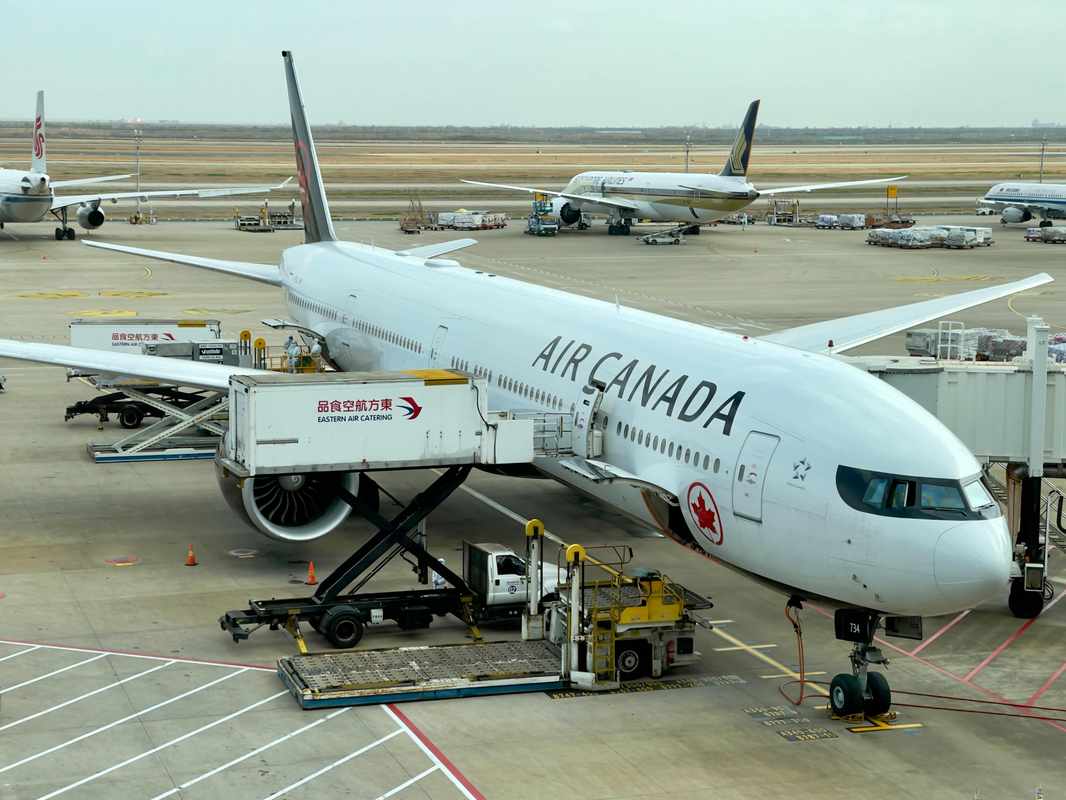
- Air Canada Rouge flight AC1502 returned to the gate after a worker was trapped in cargo.
- The incident caused significant delays and eventual cancellation until the next morning for many passengers.
- Aviation safety protocols and crew duty-time limits played a critical role in the operational disruption.
(TORONTO, ONTARIO, CANADA) — Air Canada Rouge Flight AC1502 turned into a long, stressful night in December after a ramp error forced the aircraft back to the gate. If you fly Rouge for short domestic hops, this incident is a sharp reminder to plan for delays, pack smarter, and know your rights.
I’ve flown Air Canada and Rouge enough to know the bargain is usually simple. You’re trading a “just fine” onboard experience for often-solid schedules out of Toronto Pearson (YYZ). On AC1502, the onboard product wasn’t the story—the operational response was.
My quick verdict: Rouge is still a reasonable pick for a short Toronto–Moncton run when price and timing work. But if you’re connecting, traveling with immigration paperwork, or can’t risk an overnight delay, you’ll want more buffer than usual.
1) Incident at a Glance: What Happened on Air Canada Rouge AC1502
Air Canada Rouge AC1502 was scheduled from Toronto Pearson (YYZ) to Moncton (YQM). On December 13, 2025, the Airbus A319 began taxiing around 18:30. A baggage handler was trapped in the cargo hold after the doors were closed.
Passengers noticed immediately. Reports described screaming and banging during taxi. The cabin alerted the crew, and the captain stopped the aircraft and returned to the gate.
Operationally, that return-to-gate decision matters. Once a flight breaks off taxi and comes back, it can trigger inspections, coordination with ramp control, and crew duty-time problems. It also creates a fast-moving rebooking puzzle for passengers with connections.
If you’re wondering about compensation, Canada’s APPR rules can apply in some delay cases. The exact tiers and time thresholds depend on the cause. For travelers, the key point is that eligibility often turns on whether the issue was within the airline’s control.
| Detail | Information |
|---|---|
| Flight | Air Canada Rouge Flight AC1502 |
| Route | Toronto (YYZ) → Moncton (YQM) |
| Aircraft | Airbus A319 (Rouge) |
| Core incident | Baggage handler trapped in cargo hold; taxi stopped; return to gate |
2) Timeline of Events: From Taxi-Out to Deboarding and Rebooking
From a passenger’s perspective, this kind of event feels unreal. You’re rolling toward the runway, then suddenly you aren’t. The sequence on AC1502, in plain language, went like this:
- Taxi phase: Passengers reported hearing distress sounds from below, and the cabin escalated it forward.
- Immediate stop: The captain halted the aircraft and returned to the gate—the correct move.
- Ground response: Ramp teams opened the cargo doors and freed the worker. No injuries were reported.
- Duty-time pressure: Even if the problem is resolved quickly, crew maximum working-hour limits keep ticking.
- Deboarding: The delay stretched, and passengers eventually deplaned when the crew reached working limits.
- Later attempt and next-day departure: A later departure attempt was impacted by technical or operational constraints, and the trip ultimately moved to the next morning.
This is the part travelers often miss: a safety incident can be “over” and still ruin the flight. Once a crew times out, the airline needs replacement pilots and flight attendants. At night, that can be hard at any carrier.
Minimum connection times at hubs like Toronto also come into play. If you were connecting onward, even a moderate ground delay can turn into a missed flight. That’s especially true on the last bank of departures.
For Aeroplan members, irregular operations can also change your earning math. If you get rebooked onto another airline, your mileage credit can depend on the ticketing and fare class. Save your boarding passes and receipts until points post.
3) Aftermath and Safety Actions: What Airlines Typically Do After a Ground-Safety Event
Air Canada said there were no injuries and that procedures were reinforced. That phrase sounds corporate, but it usually means very specific steps.
- Secure the aircraft and ramp area so teams can work without a moving vehicle risk.
- Account for the worker and arrange medical assessment, even if they feel fine.
- Pause operations while the flight deck, ramp control, and station operations align on what happened.
- Preserve records such as headset communications logs and door-close sign-offs.
“Reinforced procedures” often translates to tighter verification before door closure. That can include zone sweeps, headcount checks, and clearer call-and-response between ramp roles.
It can also mean refreshed training and station briefings. Aviation safety is built around layers. When a layer fails, the goal is to add friction back into the system—checks that feel repetitive, by design.
4) Passenger Experience and Communications: Announcements, Cabin Reactions, and Social Media
Passenger reports described screams and banging while taxiing. That’s a uniquely unsettling thing to hear on an airplane, and it’s why the cabin reaction was so fast.
The captain later explained over the intercom that this was a first for him and that the worker was safe. That’s about as much as pilots often share in real time, and it’s not evasiveness.
In a live safety event, crews limit details because they may not yet know the full facts, they want to avoid speculation that increases panic, and they’re coordinating with teams on the ground.
Weeks later, a social media video helped push the story wider. Viral posts change the passenger experience even after the event by increasing concern and flooding customer-service channels.
If you’re on a flight that turns back, here’s what you can reasonably ask at the gate:
- What is the reason category for the delay?
- Are you being rebooked automatically or do you need to act?
- Will your checked bag stay onboard, or be offloaded?
- If you overnight, what’s the hotel and meal process?
5) Cargo Hold Safety Risks: Why Time Matters Even on the Ground
The cargo hold is not a place you ever want a human to be unintentionally. Even on the ground, time matters.
- Airflow and oxygen concerns, depending on the aircraft and system configuration.
- Temperature swings in winter operations, especially during taxi and holding.
- Restricted mobility and limited ability to self-rescue.
- Communication limits once doors are closed and engines are running.
Some people assume pressurization makes the hold “safe.” That’s not a reliable assumption. Aircraft systems behave differently by phase of flight and configuration.
From a safety standpoint, “unknown person in the hold” is a stop-now event. Returning to the gate is the right operational choice, even if it ruins the schedule.
6) Operational Context and Human Factors: How Ramp Errors Can Happen—and How They’re Prevented
Pearson is busy. Rouge turns are often tight. Ramp work is loud, time-pressured, and full of handoffs.
A typical narrowbody turn can include fueling, baggage loading, catering, last-minute gate-check bags, and pushback coordination. Several teams may touch the same aircraft in a short window.
- Zone clearance checks before door closure.
- Door-close confirmation procedures tied to specific roles.
- Headset discipline so critical calls aren’t missed.
- Checklists and sign-offs that slow things down slightly, on purpose.
Passengers did play a role here by raising the alarm quickly. That’s not a safety system you can rely on, though—the system has to work even when the cabin is quiet.
7) Air Canada’s Response and Investigation: What ‘Ongoing’ Usually Means for Travelers
Air Canada confirmed no injuries and said procedures were reinforced while the investigation continues. For travelers, “ongoing” usually means the airline is still collecting facts and documenting changes.
- Door-closure and zone-clearance process
- Ramp communications and supervision
- Training records and station procedures
- Timeline from first report to stop-and-return
While that plays out, you still have practical tasks if you were delayed:
- Keep receipts for meals, hotels, and transportation you paid for.
- Document the timeline with screenshots of delay notifications and rebooking details.
- Use the right claim channel for APPR or carrier goodwill requests.
If you booked with points, also track any reissued ticket numbers. Aeroplan redemptions usually protect you, but partner re-accommodation can get complicated fast.
For immigration-sensitive travelers, delays can also create document stress. If you’re a newcomer landing in Canada at YYZ and connecting onward, keep proof of status and entry documents in your carry-on. If you misconnect, you may need them for rebooking, hotels, or next-day check-in.
8) Online Attention and Public Response: What Travelers Should Watch For After an Incident
When an incident goes viral, the next wave is customer service. Phones jam, chat queues grow, and airport lines get longer. That can change how quickly you get reprotected.
If you face an overnight disruption, prioritize what you can control: keep medications, chargers, and a change of clothes in your personal item. Confirm whether your checked bag is staying in the system or can be retrieved.
- Don’t assume you’ll have access to your bag during an unplanned overnight.
- If you need a suit, baby supplies, or medical gear, carry it onboard.
- Remember baggage rules exist for a reason—weight and size limits vary by fare and route.
If your bag is close to the edge, a forced gate-check at the worst time can separate you from essentials. Pack your personal item with priorities in mind.
The onboard “review” piece: What Rouge on an A319 feels like
Because AC1502 was disrupted, many passengers didn’t get a normal in-air experience. Still, if you’re booking Rouge on an A319, you should know what you’re paying for.
Seats and comfort
Rouge’s A319 economy is a standard slimline setup. Expect tight but typical short-haul ergonomics.
| Cabin | Seat pitch (typical) | Seat width (typical) | Power | Best for |
|---|---|---|---|---|
| Economy | ~30–31 inches | ~18 inches | Not consistent at every seat | Short hops, light work |
| Premium Rouge | More legroom than economy | Similar width | Better odds of power | Comfort, faster service |
If you need guaranteed power, bring a battery pack. On Rouge, I plan as if I’ll have none in economy.
Food and service
Rouge is buy-on-board in economy on most domestic runs. Premium Rouge typically includes more included items.
Service is usually friendly and efficient, but it’s functional. This isn’t a “dining” airline on a one-to-two hour flight.
Entertainment and Wi-Fi
Rouge generally leans on streaming entertainment to your device rather than seatback screens. That means your experience depends on your phone, your tablet, and your battery.
Download your shows before boarding at YYZ. Pearson Wi-Fi can be fine, but it’s not the moment to trust a last-minute download.
Amenities
Think basics. Bring your own water bottle, wired headphones, and a portable charger. If you’re checking a bag, keep essentials in your personal item.
How Rouge compares on Toronto–Atlantic Canada style routes
If you’re choosing between carriers, the onboard experience can matter less than schedule reliability and rebooking options. Still, there are differences.
| Feature | Air Canada Rouge | WestJet | Porter (where available) |
|---|---|---|---|
| Network depth from YYZ | Strong | Moderate | Growing |
| Rebooking options | Often best due to network | Good, smaller network | Limited during disruptions |
| Economy experience | Buy-on-board, streaming | Buy-on-board | Often stronger inclusions |
| Loyalty angle | Aeroplan earns and redeems well | WestJet Rewards | VIPorter value varies |
If you’re chasing Aeroplan status, Rouge flights can help, since eligible paid fares generally earn Aeroplan points and status credit. If you’re on a rock-bottom fare, double-check earning details before you count on it.
Who should book this?
Book Air Canada Rouge on routes like YYZ–YQM if you want the schedule breadth of Air Canada’s network and you’re fine bringing your own “comfort kit.” It’s also a logical pick if you’re earning Aeroplan points and want one itinerary that protects connections.
Look harder at alternatives if you can’t risk an overnight delay, or you’re traveling right after entering Canada and need a predictable same-day arrival. On trips like that, build extra connection time at Pearson, keep essentials in your personal item, and avoid checking anything you can’t live without until tomorrow.