If you work in North Dakota in 2026, your paycheck may have state income tax withheld even if you’re new to the United States 🇺🇸. The rate is 2.50%, but inflation moves brackets yearly, so your withholding may change.
North Dakota keeps three rates for 2026: 0%, 1.95%, and 2.50%. No rate changes have been announced. The North Dakota Office of State Tax Commissioner adjusts the bracket cutoffs for inflation, and it usually confirms the final numbers in late 2025 — until then, treat published figures as estimates for planning.
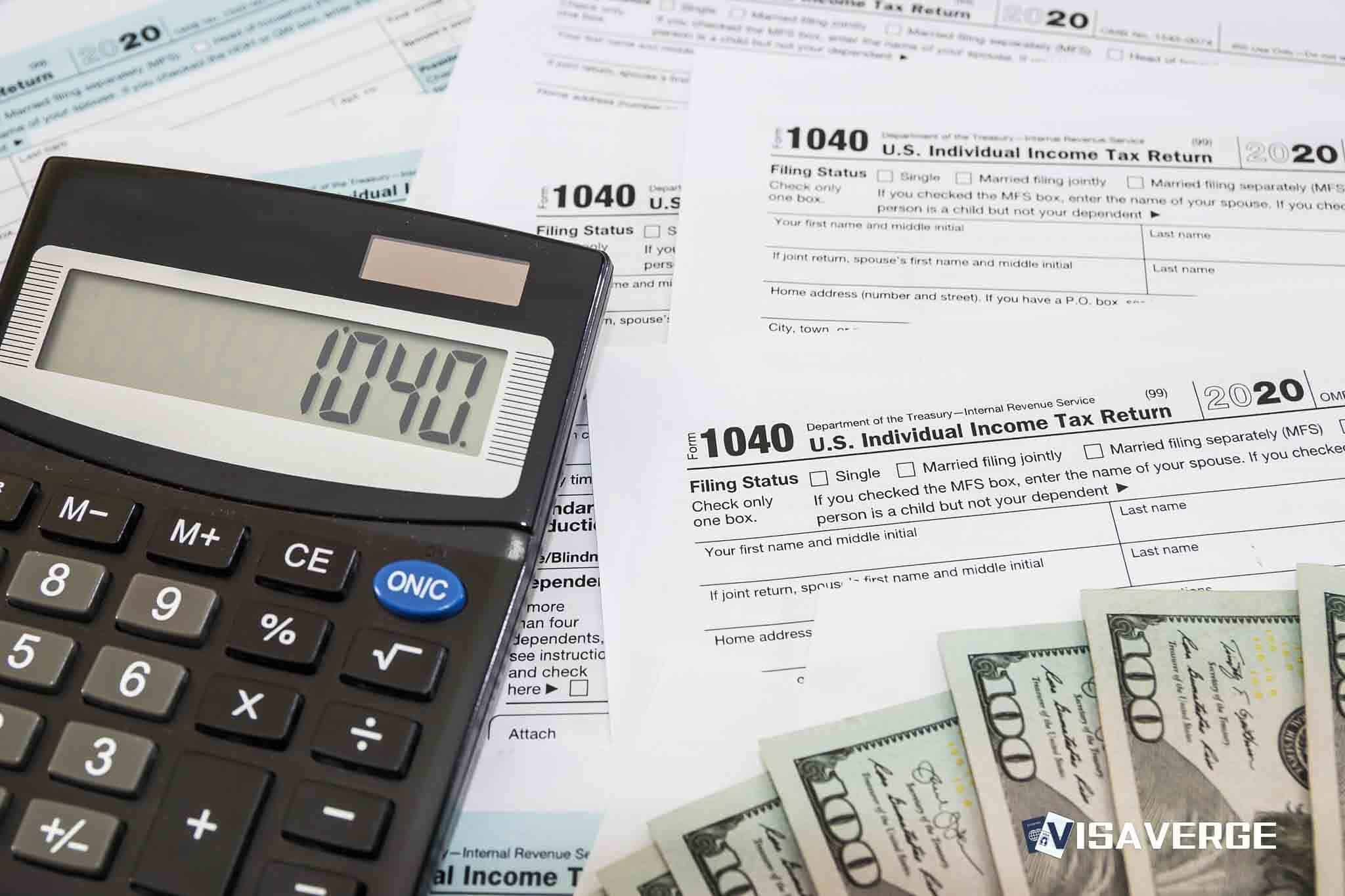
Your starting point is federal adjusted gross income (AGI). North Dakota taxable income begins with that federal number, then adds or subtracts items under state rules. This matters for immigrants because federal choices, like how you file and claim deductions, flow into state income tax in 2026 too.
2026 estimated brackets (use as placeholders until late‑2025 confirmation)
Based on 2026 estimates, the bracket cutoffs are:
| Filing status | 0% bracket | 1.95% bracket | 2.50% bracket (top) |
|---|---|---|---|
| Single | $0–$47,150 | $47,150–$238,200 | Over $238,200 |
| Married filing jointly | $0–$78,775 | $78,775–$289,975 | Over $289,975 |
| Head of household | $0–$63,175 | $63,175–$264,100 | Over $264,100 |
| Married filing separately | $0–$39,375 | $39,375–$144,975 | Over $144,975 |
Keep in mind: the Office of State Tax Commissioner typically publishes official inflation‑adjusted cutoffs in late 2025. Treat the dollar amounts above as placeholders for planning.
Step 1: Confirm your tax residency status
Before you think about brackets, confirm whether North Dakota treats you as a resident, part‑year resident, or nonresident for tax purposes.
- Many new arrivals work while on visas and still file in the state.
- Keep documentation like move‑in date, lease, and work start date handy — you’ll need these to determine residency and to support part‑year returns.
Most workers handle withholding decisions during the first week on the job by giving payroll the data it needs. Employers apply state tables (updated December 2024) and may continue using them into 2026 unless new guidance arrives.
Note: Even if North Dakota rates stay the same, your tax bill can rise if federal taxable income rises. Sources note that federal changes (TCJA expiration, OBBBA adjustments) could shrink federal standard deductions, which would push up the income that feeds into North Dakota taxable income for 2026.
Step 2: Get the right ID numbers
To file a North Dakota return you’ll need:
- A Social Security number (SSN), or
- An IRS Individual Taxpayer Identification Number (ITIN) if you can’t get an SSN.
Apply early — ITIN processing can take time — so you’re not delayed when tax season opens in early 2026.
Step 3: Check your withholding against the brackets
After your first few paychecks, compare the withheld amount with your expected North Dakota tax liability.
- Use your filing status and the 0%, 1.95%, and 2.50% brackets.
- If you have two jobs, withholding errors can accumulate quickly and lead to surprises at filing.
Track all income that might affect your federal AGI, because that number drives North Dakota taxable income. Common items for immigrants include:
- Wages
- Taxable scholarships
- Some self‑employment income
If you send money abroad, that is not a deduction by itself — but keep records for transfer fees or support agreements.
Watch for the official bracket release near the end of the prior year (late 2025 for 2026). Until the state publishes final cutoffs, treat the amounts in this guide as estimates and confirm before you file.
Official source and recommended bookmark:
The North Dakota Office of State Tax Commissioner — https://www.tax.nd.gov
This is where employers and payroll firms get rate tables, forms, and instructions.
Step 4: File your North Dakota return on time
- Filing typically happens after the year ends, once wage statements arrive — plan for late January through April.
- If you leave North Dakota midyear, you may need a part‑year return; keep proof of your move to another state.
After you file, the state may request additional paperwork, especially if your identity records are new or your address changed. Respond quickly and keep copies of everything. If you’re owed a refund, it may come faster when employer withholding matched your real bracket and deductions.
International students and short‑term residents sometimes assume they won’t be here long enough to worry about taxes. But if you had North Dakota wages in 2026, you may need to file to reconcile withholding and confirm whether you owe nothing under the 0% bracket or should get a refund.
The provided material notes that, in 2025 examples, “zero‑bracket” gross income could reach $63,475 for single or head‑of‑household filers and $110,975 for joint filers after standard deductions. Because brackets index for inflation, those examples may shift for 2026.
North Dakota reduced brackets from five to three in tax year 2023 and has indexed cutoffs for inflation since. For immigrants, this simpler three‑bracket system can make it easier to estimate what a new salary means when accepting a job.
If your paycheck withholding seems off, act early:
- Talk to payroll as soon as possible — fixes made in February are easier than dealing with a large bill at filing.
- Common causes: wrong filing status, marriage/divorce, or forgetting to update withholding after adding a second job.
If you freelance or run a small business with no employer withholding, you may need to:
- Set aside money regularly.
- Make estimated payments to avoid owing a large amount later.
- Keep monthly profit notes and receipts for your 2026 filings.
Families often see the largest differences between withholding and final tax due. If your spouse begins work or you have children, your federal AGI and deductions may change, which rolls into North Dakota taxable income. Do a quick withholding check whenever family circumstances change during 2026.
According to analysis by VisaVerge.com, many immigrants focus first on visa paperwork and rent, then get surprised by local and state taxes. North Dakota’s low top rate can help, but only if withholding matches your circumstances. Treat taxes as part of your settlement budget for 2026 and beyond.
If the state questions your return, it may send a letter asking for wage proof, residency dates, or copies of federal forms. Do not ignore such notices — call the number on the notice or respond in writing by the deadline. Keep a folder through 2026 to make replies easier if your address changes.
If you owe tax, pay as much as you can by the due date to reduce interest and penalties. If you can’t pay in full, contact the North Dakota tax office to ask about payment options — silence is usually worse than asking for help before the deadline.
Key takeaway:
North Dakota wages in 2026 may trigger filing or withholding adjustments even for newcomers. Simple planning and early steps can prevent surprises.
Practical checklist for 2026
- Set a calendar reminder for late 2025 to confirm final, inflation‑adjusted brackets.
- Save pay stubs all year.
- Track drivers of your federal AGI — North Dakota starts from federal AGI.
- Check withholding after any job or family change (marriage, additional job, dependents).
- Keep written records of move‑in and move‑out dates so filing matches your actual residency.
People often move to North Dakota for work or family and find taxes one more task. Knowing the 0% to 2.50% system and watching inflation indexing helps avoid shocks. In 2026, a few small planning steps can protect your cash flow all year.
North Dakota’s 2026 state income tax features a simple three-tier structure with a top rate of 2.50%. Taxable income is derived from federal adjusted gross income, making federal filing choices significant for state liability. Residents and new arrivals should track move-in dates and secure tax identification early. Official inflation-adjusted brackets arrive in late 2025, so workers should treat current figures as estimates while auditing paycheck withholding.