The IRA contribution limit for 2026 is $7,500 if you’re under 50, and $8,600 if you’re 50 or older because of a $1,100 catch-up contribution. For immigrants in the United States ??, those numbers shape how you save while you change jobs, renew work authorization, or wait out long immigration timelines.
The limit applies across all your Traditional and Roth IRAs combined, and it rises from 2025’s $7,000 standard limit and $1,000 catch-up amount. Many people contribute for 2026 up to the tax filing deadline, typically April 15, 2027.
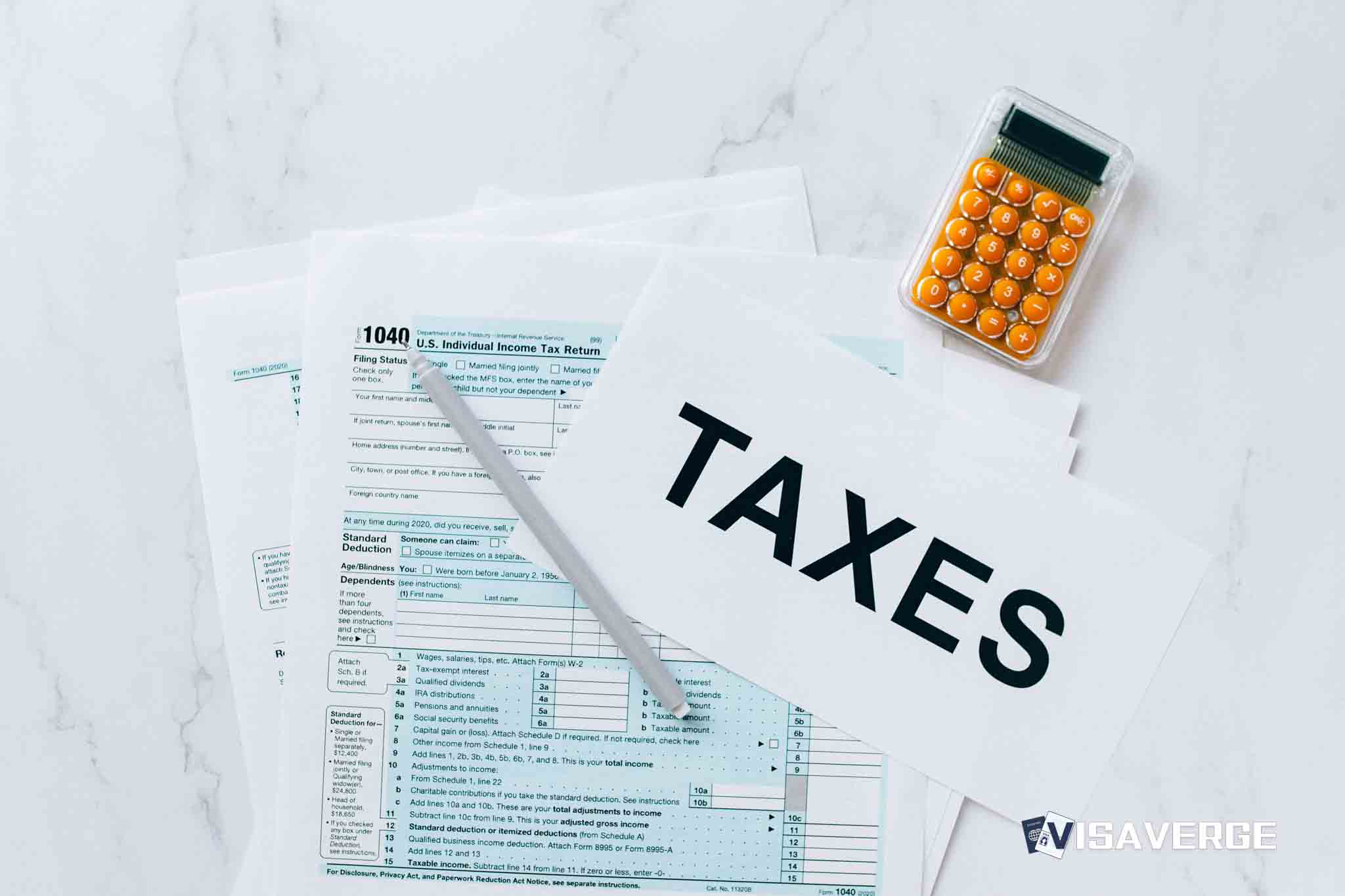
The first check: do you have earned income?
IRS rules require that IRA contributions come from earned income. Wages, salaries, and self-employment income usually meet that test, but gifts and savings don’t.
If you’re newly arrived, confirm you’ll have enough earned income in 2026 to cover what you plan to contribute.
Quick summary of 2026 contribution limits
- Under 50: $7,500
- 50 or older: $8,600 (includes $1,100 catch-up)
You must stay within these limits across all Traditional and Roth IRAs combined.
Step 1 (January–February 2026): set your target amount
Start with the IRA contribution limit for 2026 and your age on December 31, 2026.
- If you’re under 50, the cap is $7,500.
- If you’re 50 or older, you can add the $1,100 catch-up, for $8,600 total.
Set a monthly transfer that will reach your cap by year-end, or plan to top up later before the tax filing deadline.
Set a year-end plan early: determine your 2026 cap (7,500 under 50; 8,600 at 50+) and automate monthly transfers so you hit the limit by December, then top up if needed before the filing deadline.
Step 2 (throughout 2026): choose Roth, Traditional, or a mix
Both account types share the same dollar cap, so splitting contributions doesn’t raise the maximum.
- Roth IRA eligibility depends on modified adjusted gross income (MAGI).
- Traditional IRA deductions phase out if you’re covered by a workplace retirement plan.
- Your immigration status doesn’t change these limits, but your filing status and income level often do.
Roth IRA income ranges to watch in 2026
For Roth IRAs, the IRS uses MAGI to decide whether you can contribute the full amount, a reduced amount, or nothing. If your income rises after a job change or promotion, recheck these thresholds before you overcontribute.
- Single or head of household: full under $153,000; partial $153,000–$168,000; ineligible at $168,000+.
- Married filing jointly: full under $242,000; partial $242,000–$252,000; ineligible at $252,000+.
- Married filing separately: partial under $10,000; ineligible at $10,000+.
Traditional IRA deduction phase-outs for workers with a plan
You can still contribute to a Traditional IRA even when the deduction phases out, but the tax break shrinks as MAGI rises. If you or your spouse has a workplace plan, use these 2026 ranges to estimate whether you’ll get a full deduction.
- Single covered by a plan: full at or below $81,000; partial $81,000–$91,000; none at $91,000+.
- Married filing jointly covered by a plan: full at or below $129,000; partial $129,000–$149,000; none at $149,000+.
- Not covered, but spouse is covered: full at or below $242,000; partial $242,000–$252,000; none at $252,000+.
- Married filing separately and covered: partial $0–$10,000; none at $10,000+.
Step 3 (midyear): prevent an accidental overcontribution
Immigrants often change employers or status during the year, and income can jump quickly. Overcontributing to an IRA can trigger penalties until corrected.
- Track every deposit across all IRA accounts, including accounts you opened before moving to the United States ??.
- If you’re close to a phase-out range, slow down contributions until you confirm MAGI.
- Monitor bonuses, stock vesting, or other events that could push you over thresholds.
Step 4 (tax season 2027): document what you did and file cleanly
Most people report IRA activity through the tax return process, so clean records matter.
- Keep year-end statements, contribution confirmations, and any notices about recharacterizations or returned contributions.
- If you’re filing with an ITIN rather than a Social Security number, confirm that your IRA custodian has the correct taxpayer identification on file before forms are issued.
How these 2026 limits fit common immigration timelines
A change in status can change your tax filing choices and household income, which then affects Roth eligibility and Traditional deductions.
- People adjusting status after marriage often shift from single to married filing jointly.
- Workers switching from F-1 OPT to H-1B often see income rise and benefits start.
Build an IRA plan that can handle those changes without breaking the limits.
What to expect from the IRS and from your IRA provider
The IRS sets the rules, but your bank or brokerage runs the account day to day.
- Your provider will track contributions you make to that account and issue year-end tax forms.
- The IRS can assess penalties when contributions exceed the allowed amount or when eligibility rules are ignored.
For the official IRS explanation of IRA rules, use Individual Retirement Arrangements (IRAs).
Quick decision guide for newcomers planning retirement savings
Use this short checklist to stay within the rules while you build savings in a new country:
- Confirm your 2026 earned income will cover your planned contribution.
- Match your age to the cap: $7,500 under 50; $8,600 with the catch-up at 50+.
- Estimate MAGI early, then compare it to the Roth and deduction phase-out ranges.
- If your income or filing status changes midyear, pause contributions and recalculate before you restart.
Two real-life scenarios immigrants face with 2026 IRAs
- Scenario A: A 32-year-old on an employment visa starts a new job in March 2026. She sets an automatic deposit that will reach $7,500 by December, then adjusts down after a late-year bonus pushes MAGI near the Roth phase-out band.
-
Scenario B: A 54-year-old permanent resident returns to school part-time and takes a lower-paid role. He still contributes the maximum $8,600, using the $1,100 catch-up contribution, and keeps records so his 2026 tax filing matches his deposits.
Common pitfalls that trigger letters, delays, or extra tax
Problems usually start with math, timing, or missed phase-out rules. Watch for these issues:
- Contributing more than $7,500 (or $8,600 at 50+) across all IRAs for 2026.
- Making a Roth contribution when MAGI is at or above $168,000 (single) or $252,000 (married filing jointly).
- Assuming a Traditional IRA contribution is always fully deductible when you’re covered by a workplace plan.
- Forgetting that married filing separately has a $10,000 Roth phase-out ceiling and a $0–$10,000 Traditional deduction phase-out when covered.
Important: If you overcontribute, correct it promptly. Penalties and extra tax can stack up until the excess is withdrawn or recharacterized.
Keep all year-end statements, contribution confirmations, and any recharacterization notices. If using an ITIN, verify the custodian has the correct taxpayer ID before forms are issued.
Timing your 2026 contribution when immigration paperwork is in motion
Many families keep cash ready for filing fees, translations, and travel. Retirement saving still fits, but it works best when you plan around known deadlines.
Because 2026 contributions are commonly allowed through April 15, 2027, you can wait for your final W-2 or business totals before topping up. That extra time matters when a job change, layoff, or move affects your 2026 MAGI.
Why the catch-up contribution changed and what it means at 50+
The 2026 catch-up contribution is $1,100, up from $1,000 in 2025. The adjustment follows the SECURE 2.0 Act rules that allow cost-of-living increases.
For immigrants who reach 50 while building stability in the United States ??, that extra $100 widens the gap between “under 50” and “50 and older” planning. Treat your 50th birthday year as a planning checkpoint, not an afterthought.
Getting reliable help without losing control of your case
Start by gathering your pay stubs, prior-year return, and any workplace plan details. Then estimate 2026 MAGI and compare it to the Roth and Traditional phase-outs before you fund the account.
- If your income sits inside a partial range, calculate the reduced amount before you deposit.
- Ask your IRA provider how it flags excess contributions and how it processes corrections, because timing affects penalties.
- Coordinate with the person preparing your return so the IRA entries match the final numbers.
VisaVerge.com reports that long-term financial planning often reduces stress during multi-year immigration waits, especially for families budgeting for fees and renewals. Keep copies of your records for three years.
The 2026 IRA contribution limits are set at $7,500 for those under 50 and $8,600 for those 50 and older. These limits are aggregate across all accounts. Immigrants should track their earned income and MAGI carefully, as job changes or status shifts can impact Roth eligibility and tax deductibility. Contributions for the 2026 tax year are generally permitted until April 15, 2027.