- DMV voter registration usually relies on self-certification and sworn statements rather than immediate documentary proof of citizenship.
- A Real ID confirms identity and residency but does not prove citizenship for federal voting purposes.
- Proposed federal laws like the SAVE America Act could soon require documentary proof for all registrations.
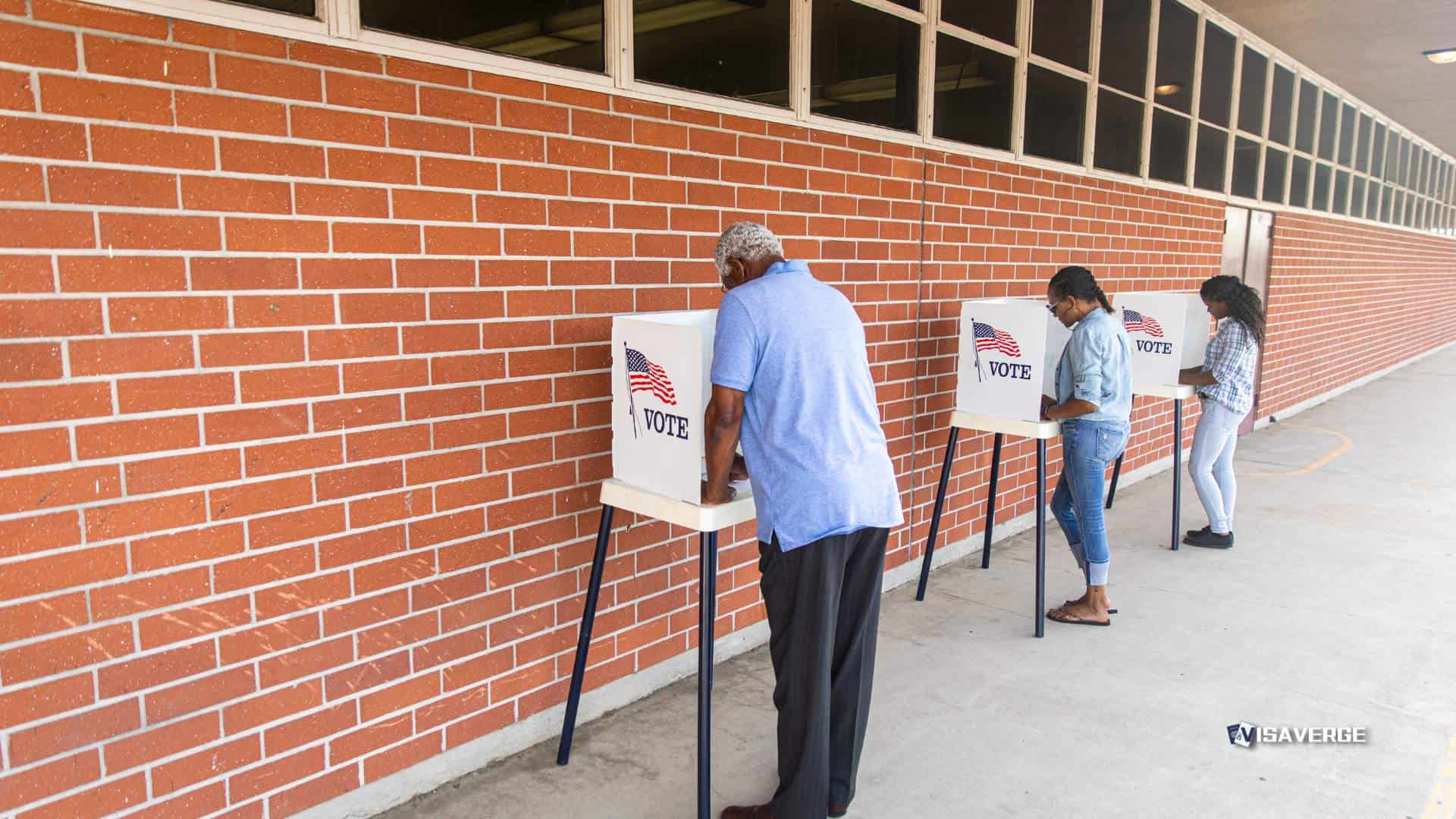
When you register to vote at the DMV, citizenship is usually not checked automatically. In most states, you simply sign or check a box saying you are a U.S. citizen, and that statement is made under penalty of perjury. That matters because the process is built for speed and convenience, not for immediate document review.
For citizens, the system makes registration easier. For lawful permanent residents and other noncitizens, it also creates real risk if a box is checked by mistake or if the DMV form is misunderstood. According to analysis by VisaVerge.com, that mix of speed and self-certification is why DMV voter registration remains one of the most debated parts of election administration.
How DMV voter registration works on the ground
The National Voter Registration Act of 1993 requires states to offer registration when people apply for, renew, or update a driver’s license. In practice, the DMV often becomes the place where registration begins.
The usual sequence is simple:
- You interact with the DMV for a license, renewal, or address change.
- Staff ask whether you want to register to vote, or the system presents the option automatically.
- You answer the citizenship question on the form.
- Your information goes to election officials.
- Your name is added to the voter roll if you qualify.
The key point is that no passport, birth certificate, or naturalization certificate is normally collected at that moment. Election offices usually rely on your sworn statement first and review problems later if they appear.
Some states use an opt-out system. California, New York, and Oregon are examples. Others use a direct opt-in process. Texas, Florida, and most states follow that model. Either way, the DMV is the front door to voter registration for many applicants.
Why citizenship is not verified automatically
DMVs are built to confirm identity, residence, and lawful presence. They are not built to prove citizenship in real time.
That difference matters. A green card holder can present documents that satisfy a license office without being a citizen. A Real ID also does not prove citizenship. The Department of Homeland Security has said in court that Real IDs are unreliable as citizenship proof because states issue them to certain noncitizens too.
The SAVE system, or Systematic Alien Verification for Entitlements, also does not solve this problem. SAVE checks immigration records to confirm noncitizen status. It does not prove that someone is a citizen. It can flag possible noncitizens, but it also creates false matches for citizens with name changes, data errors, or incomplete records.
That is why DMV registration depends so heavily on self-attestation. The system is fast, but it is not a full citizenship check.
States are moving in different directions
Rules are changing quickly, and they are not the same everywhere.
Some states still rely on the standard checkbox. Others now require proof of citizenship for new voter registration, including New Hampshire, Louisiana, and Wyoming. These changes are part of a broader political push that will likely shape the 2026 election cycle and beyond.
Several states also use hybrid online and DMV systems. In those states, DMV data may pre-fill online forms, but the citizenship question still works through self-certification unless a separate state rule applies.
For readers trying to confirm local rules, the best official starting point is vote.gov, which directs voters to state election offices and registration details.
The broader trend is clear. More states are asking whether a checkbox is enough. More lawmakers are demanding paper proof. And more election offices are being asked to separate citizenship from identity with greater precision.
What the SAVE America Act would change
The biggest federal proposal now in play is the SAVE America Act, passed by the House on February 11, 2026 as H.R. 22. If the Senate approves it, DMV registration would change sharply.
Under that bill, states would have to collect documentary proof before issuing voter registration forms. Acceptable documents would include a passport, a birth certificate with photo ID, a naturalization certificate, military records, or in rare cases a Real ID that shows citizenship.
The bill would also require more document checks for mail and online registration. States would need to verify records through SAVE, the Social Security Administration, or DMV data. It would also create a stricter photo ID rule for federal elections.
Supporters say the bill strengthens election security. Critics say it would block eligible voters who lack easy access to documents. The debate is especially sharp for people whose names changed after marriage or divorce, since they may need extra records to match documents across agencies.
What noncitizens should know before any DMV visit
For noncitizens, the safest step is simple: do not sign the voter registration part of the DMV form. A green card, visa, work permit, or other immigration document does not make you eligible to vote in federal elections.
Mistakes can have severe results. Illegal voting can lead to federal criminal penalties, including prison and fines. For immigrants, it can also trigger immigration problems if an agency sees a false registration or an unlawful vote.
A mistaken registration should be fixed quickly. Election officials should be told immediately, and the person should withdraw from the roll before any ballot is cast. Voting after a mistake is far more dangerous than the registration error itself.
Language barriers and rushed DMV visits create many of these problems. Some people think the citizenship box is only for record keeping. It is not. It is a legal statement.
Common myths that keep causing problems
- Myth: A Real ID proves citizenship.
Fact: It proves identity and lawful status, not citizenship. - Myth: DMV staff verify every voter’s citizenship.
Fact: They usually do not. - Myth: Noncitizen voting is common.
Fact: Audits have found very few cases. - Myth: SAVE confirms U.S. citizenship.
Fact: SAVE screens for noncitizen records and mismatches.
These misunderstandings matter because they push people into registration errors that can follow them for years. For naturalized citizens, the safest proof to keep close is a passport or naturalization certificate. For people with name changes, updated civil records help avoid database mismatches.
The practical effect for 2026 and beyond
DMV registration will stay a routine part of American voting access, but the rules around citizenship are tightening. Some states will keep relying on a sworn checkbox. Others will demand proof. Congress is also considering a federal standard that could replace the current patchwork.
For citizens, that means keeping documents current and knowing the local registration rule before a DMV visit. For immigrants, it means treating the voter question with care and not confusing license eligibility with voting eligibility. Those are separate legal tests, and the DMV is not a place to assume they are the same.
The next few election cycles will test how far states go in demanding proof, how well SAVE can catch errors, and whether the balance between access and enforcement shifts again.