January 3, 2026
- Updated title to reflect 2026 rules and Italy-based access with ETIAS requirement
- Added ETIAS implementation details: operational since May 1, 2025, €7 fee, 3‑year validity
- Included 2025 travel and visa statistics: 3 million visitors to San Marino; 10.5M Schengen visas; Italy processed 1.2M (15% increase)
- Added ETIAS/entry operational impacts: airlines check ETIAS, 45,000 denied boardings H1 2025, 98% approval rate, 15.2M issued in seven months
- Clarified 90/180 rule application, passport validity (6 months) and Schengen Type C processing times and fees (€80 adults, 15–30 days)
- Added San Marino residency details: apply within 8 days, investment route minimum €800,000 and 250 approvals in 2025
(SAN MARINO) If you’re planning a short trip to San Marino in 2026, the main change is this: visa-exempt travelers now need ETIAS approval before they enter Italy, because Italy is the only practical entry route into San Marino. For many visitors, that adds one online step, but it doesn’t change the 90 days in any 180-day period limit that governs visa-free access across the Schengen area.

San Marino sits inside Italy and runs an open border with it, so your real “immigration moment” happens at Italy’s airport, seaport, or land border. That’s why a mistake with ETIAS, a Schengen visa, or your passport validity can derail plans even though San Marino itself doesn’t run routine border checks.
Why San Marino entry rules feel “Schengen,” even though it isn’t
San Marino is an independent republic and is not a member of the European Union or the Schengen Area. In day-to-day travel terms, it still follows Schengen-style entry rules because visitors arrive through Italy and pass Italian entry control.
Two practical results matter for travelers and immigrants:
- Time in San Marino counts toward the Schengen 90/180 rule because your lawful stay is tied to Italy/Schengen admission.
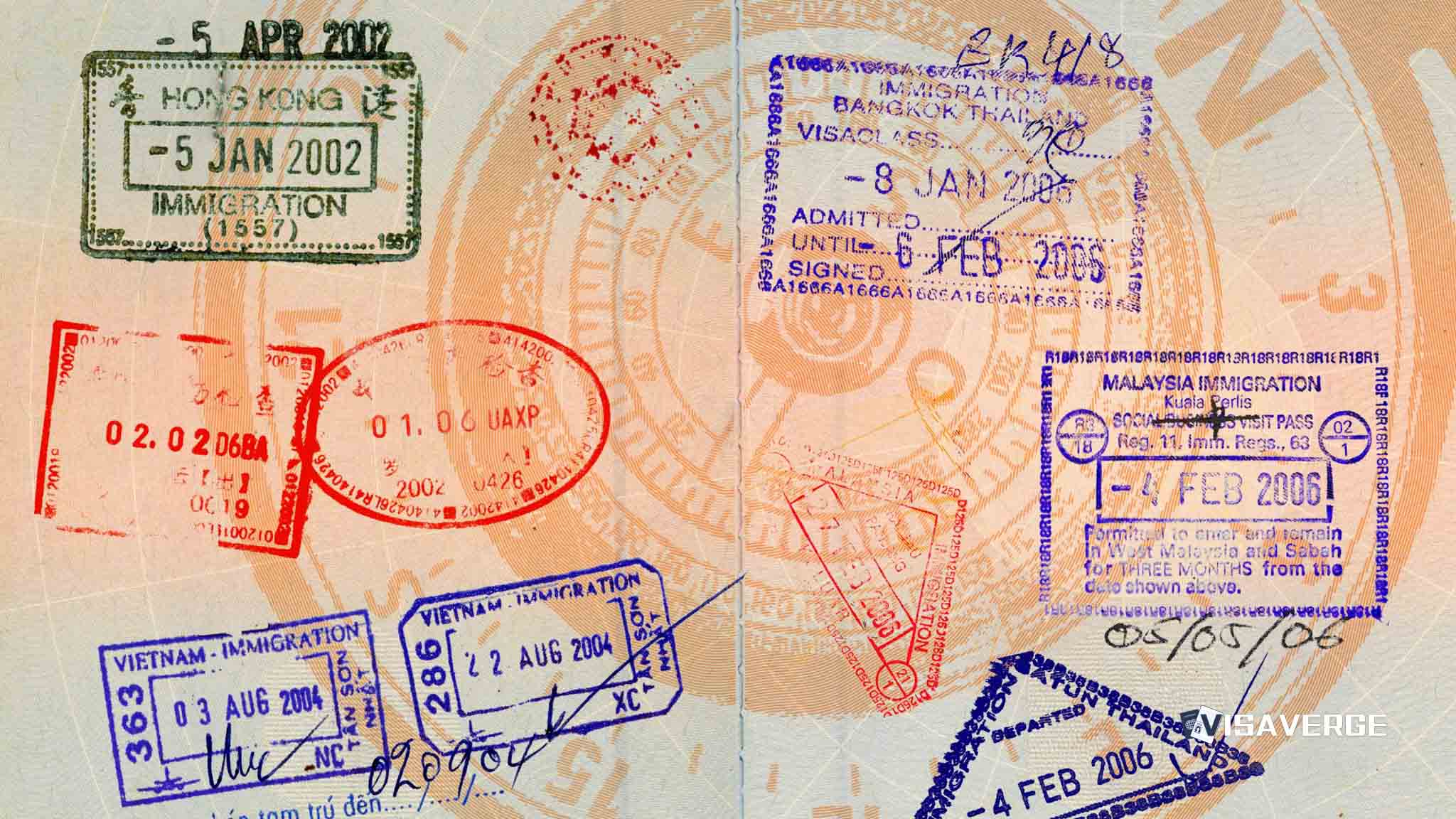
- You usually won’t get a border stamp when you cross into San Marino. Some travelers pick up a souvenir stamp from the San Marino Tourism Office, but it isn’t an entry record.
Step 1: Confirm whether you have visa-free access, or need a Schengen visa
Start with your nationality, not your destination hotel. San Marino’s entry requirements follow Italy’s.
You fall into one of these groups:
- Visa-free access (visa-exempt nationals): Citizens of over 60 countries, including the United States (🇺🇸), Canada (🇨🇦), the United Kingdom, Australia, Japan, and New Zealand, can visit for up to 90 days in any 180-day period, but they must meet ETIAS rules for short stays.
- Visa-required nationals: If you need a visa for Italy, you need a Schengen Type C short-stay visa before travel. San Marino accepts that authorization because you are entering through Italy.
Recent context and volumes:
- San Marino welcomed approximately 3 million visitors in 2025.
- Schengen visa issuance reached 10.5 million globally in 2025; Italy processed over 1.2 million, a 15% increase from 2024.
Step 2: For visa-free travelers, get ETIAS before you travel
ETIAS has been fully operational since May 1, 2025. It is not a visa. It is a pre-travel authorization for people who already have visa-free access. Think of it as a security clearance tied to your passport.
Key ETIAS facts:
- Validity: 3 years or until your passport expires, whichever comes first.
- Entries: Multiple entries allowed, subject to the 90/180 rule.
- Approval rate: 98% reported by the European Commission.
- Uptake: 15.2 million issued in the first 7 months of operation.
- Refusals: rose 12% year-over-year, frequently due to security alerts or mismatched information.
Apply only through the official EU channel: the EU’s official ETIAS information and application portal. That site explains eligibility, fees, and the questions you must answer.
A simple ETIAS timeline (most cases)
- Before booking final tickets: Check your passport expiry date and confirm your name matches your passport exactly.
- Online application: Enter passport details, basic travel information, and security questions.
- Pay the fee: €7, free for travelers under 18 and over 70.
- Decision: Many approvals arrive within minutes; manual review can take up to 96 hours.
Airlines check ETIAS at check-in because it affects whether you can board. In the first half of 2025, 45,000 travelers across Schengen were turned away for non-compliance, according to Frontex data cited in the guide.
Who does not need ETIAS
- Long-stay visa or residence permit holders for a Schengen country.
- Diplomatic, service, or official passport holders from visa-free countries, who are exempt under ETIAS rules.
Step 3: For visa-required travelers, apply for an Italian Schengen visa first
If you need a visa, your trip to San Marino begins at an Italian embassy, consulate, or a visa application center handling Italy’s files. There are no dedicated San Marino consulates for this process.
Plan around the standard timeline and fees:
- Processing time: 15–30 days after submitting a complete application and biometrics.
- Fees: €80 for adults, €40 for children aged 6–12.
What Italian authorities focus on in a Type C application
Italian Schengen decisions usually turn on clear, checkable documents. Authorities expect:
- Passport validity: valid 6 months beyond stay and at least 2 blank pages
- Photos: two passport photos
- Medical insurance: minimum €30,000 coverage
- Trip plan: accommodation, itinerary, and proof of funds at €50/day
- Ties to home: employment letter, bank statements, or other proof you will return
In 2025, Italy rejected 12% of applications, mainly for insufficient funds or incomplete documents. Small mistakes can be expensive because they trigger delays, lost reservations, and rebooking costs.
Step 4: Track your days carefully under the 90/180 rule
The 90/180 rule is the biggest hidden risk for people who “hop” between European destinations. The limit is 90 days total in any rolling 180-day period, not 90 days per country. Days spent in San Marino count because your admission and overstay risk sit under Italy/Schengen rules.
Consequences and practical tips:
- Overstays can trigger serious consequences, including a 3-year re-entry ban.
- Keep your own record: write down each entry and exit date and keep boarding passes or tickets.
- Even without stamps at internal crossings, officers may request proof of dates.
Step 5: If you want to stay more than 90 days, prepare for San Marino’s local permit rules
Short-stay tools like ETIAS and Type C visas do not cover work, long study programs, or long residence in San Marino. For stays beyond 90 days, follow the local process: after entry, apply for a San Marino residence permit through local authorities.
Important deadline and requirements:
- Apply at San Marino’s Immigration Office within 8 days of arrival.
- Provide proof that matches your purpose of stay, such as:
- a job offer for work-based residence, or
- proof of enrollment for study-based residence
Investment residency:
- San Marino promotes residency through investment. The guide describes an investment route with an announced minimum of €800,000 (2024).
- 250 approvals in 2025, with priority for skilled workers in tech and tourism.
Analysis by VisaVerge.com notes microstates like San Marino attract applicants who want stable rules, faster local processing, and a European base without full EU membership.
What authorities check at the border, and how to avoid problems
Italian border officers and carriers tend to focus on a short list of issues that cause quick refusals:
- Passport expiry that falls too close to your trip dates
- Missing ETIAS for a visa-free traveler
- A visa that does not match the trip purpose
- Weak proof of funds, insurance, or onward travel
- Prior overstay history inside the Schengen zone
The guide also notes a broader legal change that can affect travelers indirectly: Italy’s 2024 surrogacy ban, with penalties of up to 2 years in prison and a €1M fine, which can matter for families with cross-border plans.
For most tourists, the safest path is simple: match your documents to your status, apply early, and keep copies on your phone and in print.
Key takeaway: ETIAS adds a required pre-travel step for visa-exempt nationals entering Italy (and thus San Marino), but it does not change the underlying 90 days in any 180-day period limit.
This guide details San Marino’s 2026 entry rules, emphasizing that visitors must comply with Italian immigration laws. Visa-free travelers need ETIAS authorization, while others require a Schengen Type C visa. All visits are subject to the 90/180-day rule. The article also outlines requirements for stays exceeding 90 days, including local residence permits and investment residency options, highlighting the importance of document accuracy to avoid border refusals.