Key Takeaways
• Diplomatic passport holders often enjoy visa-free access to many countries, sometimes for 30, 60, or 90 days depending on policy.
• Visa-free entry for diplomats promotes quick international cooperation and is strictly tied to official government business and obligations.
• Holders must check current policies before traveling, as visa rules and bilateral agreements can change frequently across nations.
Visa-Free Entry for Diplomatic Passport Holders
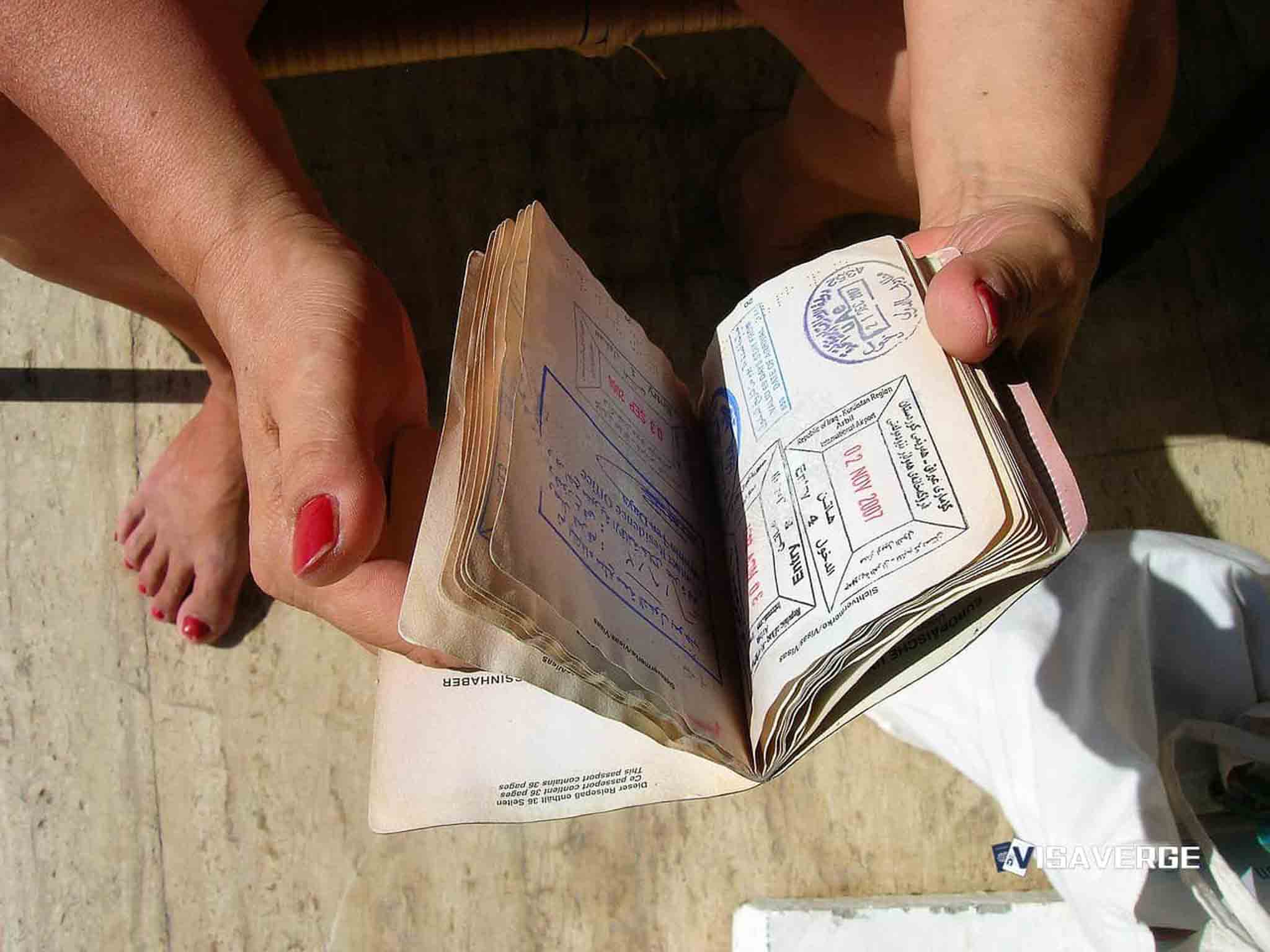
Visa-free entry means a person does not need to get a visa before they travel to a country. Instead, they show their diplomatic passport on arrival and can usually enter without any extra paperwork or fees. Many countries offer this privilege as a sign of official respect and to support strong connections between governments. The list of countries that permit visa-free entry for diplomatic passport holders is long and covers every region of the world. Some also include official passports, service passports, or special passports in the same rule.
For example, Andorra 🇦🇩, Antigua & Barbuda 🇦🇬, Argentina 🇦🇷 (for up to 90 days), Armenia 🇦🇲 (for up to 90 days), and Austria 🇦🇹 (for up to 90 days) all allow visa-free entry for holders of diplomatic passports. Some countries like Azerbaijan 🇦🇿, Bahrain 🇧🇭, and Bahamas 🇧🇸 welcome both diplomatic and official passport holders, generally for up to 90 days. Each country’s policy may differ in the time allowed and the type of passports covered. Some limit stays to 30, 45, or 60 days, as in Bangladesh 🇧🇩 (45 days) or Uzbekistan 🇺🇿 (60 days). Others have no clear time limit stated.
It is important for anyone traveling with a diplomatic passport to check these rules before their trip, as visa policies can change without much warning. Embassies or consulates can provide the latest information. The rules are not the same for regular citizens; ordinary passport holders still need to follow the standard visa requirements for each country.
Types of Passports and Who Gets Them
There are different types of passports. Diplomatic passports are given to diplomats and high-ranking government officials who travel for their country’s work. Official passports, sometimes called service or special passports, are for other government travelers who do not have diplomatic rank but are on official business. Some rules for visa-free entry apply to both types, but sometimes only diplomatic passports get this privilege.
For example, Brazil 🇧🇷 offers visa-free entry for both diplomatic and official passports for up to 90 days. Brunei Darussalam 🇧🇳 provides visa-free access for up to three months for both groups. Bangladesh 🇧🇩 gives this right for up to 45 days. Croatia 🇭🇷 allows diplomatic and official passport holders for up to 30 days without a visa. Rules like these show that the holder’s job and passport type matter for entry rights.
Application and Use of Diplomatic Passports
Getting a diplomatic passport is not easy. It is strictly issued by a country’s foreign ministry or government, usually for key officials, ambassadors, and some high-level workers representing the country abroad. The rules for who can get one are clear, and official approval is needed. These passports are not for personal use or for normal travel. They are only for trips related to official foreign work.
When traveling, diplomatic passport holders must still respect the laws of the country they visit. They must also show their passport at the border and may need to prove they are on official duty. Some countries require visitors with diplomatic passports to give advance notice of their visit, even if a visa is not required.
Unique Aspects of Visa-Free Entry for Diplomats
The main purpose of visa-free entry for diplomatic passport holders is to make international government work easier. If diplomats can travel quickly and without waiting for a visa, they can attend urgent meetings, help citizens in need, and keep up global contacts. This can be important in emergencies or crisis situations, where every day matters.
However, having a diplomatic passport does not mean total freedom. Some countries may still deny entry if they think it is needed for security or other reasons. In most places, diplomatic privileges do not include personal travel or exempt the traveler from all areas of the law. As reported by VisaVerge.com, diplomatic passport policies are based on trust between countries and the idea that each visitor will respect the agreement.
Lists of Countries Granting Visa-Free Entry
The number of countries offering visa-free entry to diplomatic passport holders is large and always changing. Here is a breakdown of some policies from the original list, organized by region and time allowed for entry:
- Africa: Botswana 🇧🇼, Central African Republic 🇨🇫, Gabon 🇬🇦, Gambia 🇬🇲, Ghana 🇬🇭, Guinea 🇬🇳, Guinea-Bissau 🇬🇼, Mauritius 🇲🇺, Morocco 🇲🇦, Mozambique 🇲🇿, Namibia 🇳🇦, Sao Tome and Principe 🇸🇹, South Africa 🇿🇦, Zambia 🇿🇲.
- Americas: Antigua & Barbuda 🇦🇬, Argentina 🇦🇷, Bahamas 🇧🇸, Belize 🇧🇿, Brazil 🇧🇷, Canada 🇨🇦, Chile 🇨🇱, Colombia 🇨🇴, Cuba 🇨🇺, Ecuador 🇪🇨, El Salvador 🇸🇻, Guyana 🇬🇾, Jamaica 🇯🇲, Mexico 🇲🇽, Panama 🇵🇦, Paraguay 🇵🇾, Peru 🇵🇪, Saint Vincent and the Grenadines 🇻🇨.
- Asia: Armenia 🇦🇲, Azerbaijan 🇦🇿, Bahrain 🇧🇭, Bangladesh 🇧🇩, Brunei Darussalam 🇧🇳, Cambodia 🇰🇭, China 🇨🇳, India 🇮🇳, Indonesia 🇮🇩, Iran 🇮🇷, Kazakhstan 🇰🇿, Lebanon 🇱🇧, Mongolia 🇲🇳, Pakistan 🇵🇰, Qatar 🇶🇦, Uzbekistan 🇺🇿.
- Europe: Andorra 🇦🇩, Austria 🇦🇹, Belarus 🇧🇾, Bulgaria 🇧🇬, Croatia 🇭🇷, Cyprus 🇨🇾, Czech Republic 🇨🇿, Estonia 🇪🇪, Finland 🇫🇮, France 🇫🇷, Lithuania 🇱🇹, Romania 🇷🇴, Switzerland 🇨🇭.
- Oceania: New Zealand 🇳🇿, Palau 🇵🇼, Samoa 🇼🇸.
Some countries have agreements that cover many nations at once, or have bilateral deals with others for visa-free entry of diplomatic and official passports.
General Requirements for Entry
Even with a diplomatic passport, visitors must follow the entry rules of the country they are visiting. Normally, this means:
- Showing a valid diplomatic passport with at least six months’ validity.
- Proof of official travel, such as a letter from the sending government.
- Respect for border checks and any inspection or questioning.
- Following the allowed stay time (for example, 30, 60, or 90 days).
Sometimes, a country may ask for other information, such as proof of health insurance, a return ticket, or details about the visit. Some countries, like China 🇨🇳 or India 🇮🇳, have specific written agreements about the terms for diplomatic passport holders.
Application Procedures and Processing Times
If a visa is needed, or if advance approval is required even for visa-free visits, the process is handled swiftly. Diplomatic travelers go through the sending country’s Foreign Ministry, which deals directly with the embassy or consulate of the destination country. The paperwork is often less than for normal visas, and in urgent cases, “visa on arrival” or fast-track procedures may apply. Processing times are usually short, often same-day or within a few working days.
Fees and Costs Associated with Diplomatic Travel
Most countries waive the visa fees for diplomatic and official passport holders. This is a practical gesture showing respect and friendship. However, other travel costs, such as air tickets, accommodation, and daily expenses, are covered by the sending government. There may be minor administrative or consular fees in rare cases, but these are not common.
Rights and Obligations of Diplomatic Passport Holders
Visa-free entry does not make someone above the law. Diplomatic travelers must still follow local rules, but may enjoy some diplomatic immunity if their posting is long-term (such as embassies). Immunity means they may not be tried or arrested for most crimes, as agreed in treaties, but this is not always true for short visits or for people on temporary business. For short or official trips, local authorities may expect full respect for the law and public order.
Path to Residency or Citizenship
Having a diplomatic passport and visa-free entry does not lead to residency or citizenship. These privileges are linked only to the person’s job and their current assignment. If officials choose to stay or move to the country permanently later, they must follow normal immigration rules like any other foreigner.
Cultural Considerations for Diplomats
Countries expect diplomatic passport holders to act with respect and awareness of local customs. Official visits often include meetings with local leaders, government agencies, or community groups. Understanding local habits and practicing good manners can help build strong working relationships.
Employment Regulations for Foreign Diplomats
Diplomatic passport holders cannot work in the private sector or take jobs outside their official duties during their visit. Their presence in the country is strictly for government work or official events. Family members who travel with them have similar restrictions.
Healthcare and Social Security for Diplomats
Most diplomatic travelers are responsible for their own health insurance during their stay. Very few countries provide healthcare for visiting diplomats unless a specific agreement exists. Embassies or government missions often cover these costs for their staff.
Education for Children of Diplomats
If diplomats travel long-term or are posted for several years, their children often attend special international or embassy schools. For short trips, children may not join local education systems, and learning likely continues in their home country.
Recent Policy Changes and Updates
Visa-free rules for diplomatic passports can change often. Countries may add or remove partners, or update their lists to reflect new relationships or security concerns. For instance, countries like China 🇨🇳, India 🇮🇳, or Switzerland 🇨🇭 may adjust their bilateral agreements or update documents for new passport holders. Always check with your Foreign Ministry or the embassy of the country you plan to visit for the latest list.
Immigration Trends and Statistics
While no global statistics are given about exactly how many people travel with diplomatic passports, the number is small compared to general travelers, but these visits are very important for international politics. The focus remains on smooth travel, better cooperation, and respect for one another’s officials.
Integration, Support Services, and Agreements
Some countries have special reception centers or staff at airports to help incoming diplomats. Bilateral agreements between countries often spell out the rules for visits, allowed privileges, and any needed paperwork.
Political and Social Issues
Visa-free entry for diplomats rarely causes public anger, since most people understand these visits help countries stay in touch and solve problems. However, all travelers must use this privilege properly, or their country could lose trusted status.
Useful Resources and Contacts
For the most reliable and updated details about visa-free entry for diplomatic passport holders, always check your own country’s Foreign Ministry website or the embassy of the country you want to visit. Official information is available on the Ministry of External Affairs Government of India website, which lists up-to-date rules, forms, and helpful contacts.
Summary
Visa-free entry for diplomatic passport holders is a key part of how countries work together. These special rules allow government officials to travel more easily for official business, helping countries cooperate and solve problems fast. But rules and agreements can change, so travelers should always check with their own foreign ministry or the embassy of the relevant country before setting out. The rights linked with diplomatic passports are meant for official duties only, and holders must respect all local laws while using this privilege.
Learn Today
Diplomatic Passport → A special travel document for diplomats and officials representing their country on official government business abroad.
Visa-Free Entry → Permission allowing entry into a country without obtaining a visa beforehand, intended for short official visits.
Bilateral Agreement → Mutual arrangement between two countries outlining entry privileges, durations, and requirements for diplomatic or official passport holders.
Immunity → Legal protection often granted to diplomats, limiting prosecution or arrest during official duties within host countries.
Official Passport → A passport issued for government officials on official (but non-diplomatic) missions; often eligible for similar entry privileges as diplomats.
This Article in a Nutshell
Visa-free entry for diplomatic passport holders streamlines global diplomacy, enabling swift official travel. While this privilege is common, it’s strictly for official government duties and not personal use. Rules, length of stay, and eligible passport types vary by country. Always verify current policies with foreign ministries or embassies before traveling.
— By VisaVerge.com
Read more:
• Italy National Type D Diplomatic Visa: What Accredited Diplomats Need
• European Union halts tariffs on US to support diplomatic talks
• Your Complete Guide to Dubai’s Diplomatic Entry Permit and Eligibility
• Mexico Challenges Trump Tariffs with Diplomatic and Economic Moves
• U.S. Revokes Visas of Costa Rican Lawmakers, Stirring Diplomatic Tensions