

(MADAGASCAR) Madagascar 🇲🇬 has sharply raised the e-Visa fee for its shortest online stay option, tripling the price for visits of up to 15 days. If you rely on the online portal for a quick holiday or short business stop, the 15-Day Fee is now a real budget line item, not a token charge.
The change hits tourists and other short-term visitors who use Madagascar’s official online e-Visa system, especially travelers who book flights first and confirm entry costs later. For families and groups, the increase multiplies fast because each traveler needs their own approval and payment. It also changes how people compare a 15-day plan against longer options, where the price difference now feels smaller than before.
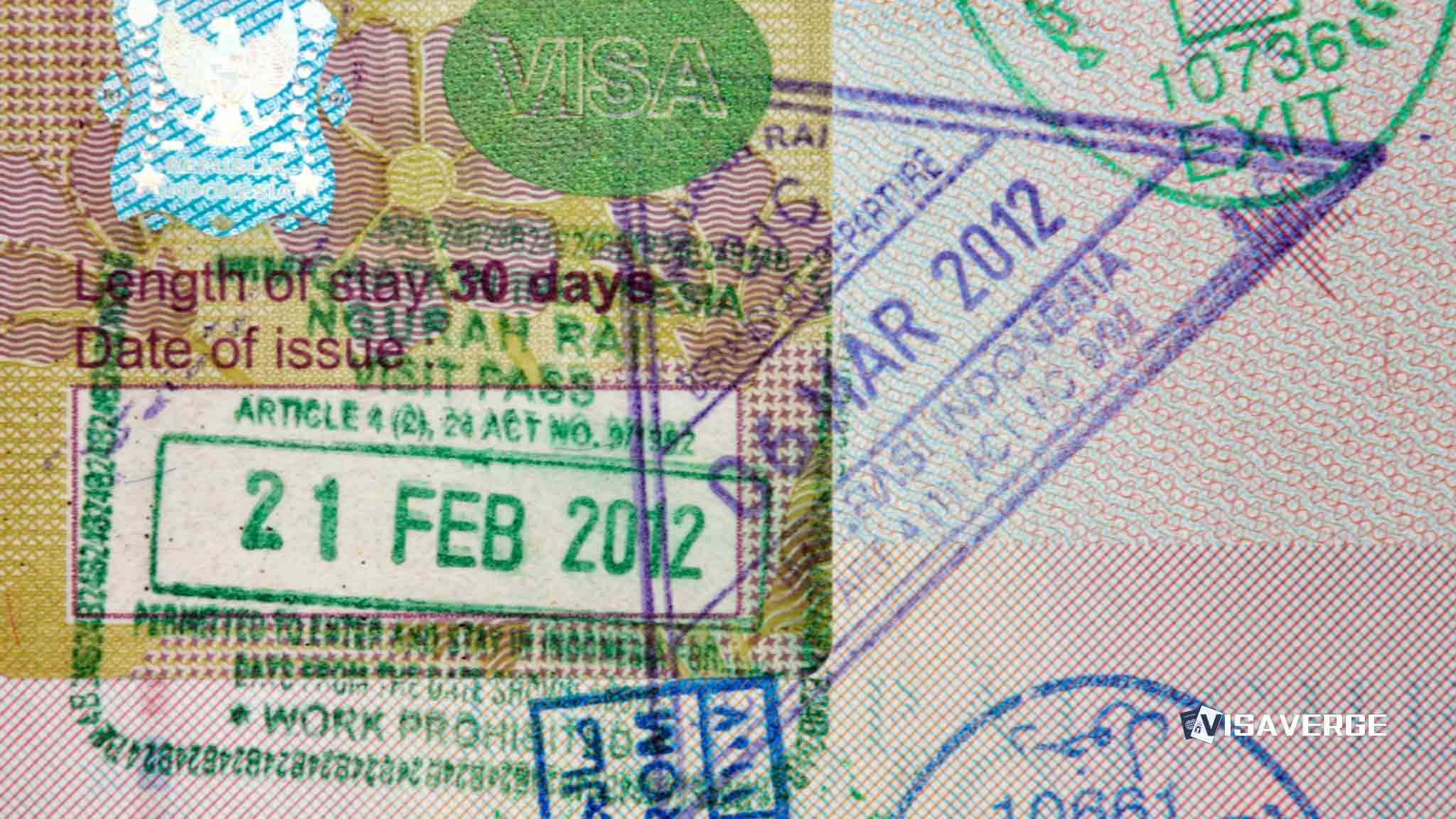
Madagascar’s short-stay e‑Visa price jump and why it matters for budgeting
The Malagasy government’s official e-Visa portal now lists the 1–15 day category at €30 (about US$35). That same short-stay option previously cost €10 (US$10), which is why many travelers treated it like a minor add-on to airfare and hotels.
Longer online e‑Visa tiers shown on the portal stayed the same as of February 17, 2026, which makes the short-stay increase stand out even more. This matters in practical ways:
- A weekend extension, a delayed flight, or a schedule change becomes harder to absorb when the starting fee is higher.
- Travelers now pay closer attention to whether their itinerary truly fits inside 15 days.
- Short trips for quick events or stopovers feel less “lightweight” once fees rise.
VisaVerge.com reports that fee moves like this often change traveler behavior most at the lowest tier, because that is where many price-sensitive trips sit.
When the new online price applies, and why other channels may not match yet
The updated pricing applies to the online e‑Visa channel rather than every place a traveler might request entry permission. Travelers often assume a single national price exists everywhere at the same time. In reality, the portal can update first, while visa on arrival (VOA) desks or embassy websites refresh later.
That gap is where confusion starts. Third-party travel sites copy old fee charts. Cached pages linger in search results. Social media posts circulate last month’s screenshots. Then a traveler applies online and sees a higher total at payment than expected.
The safest habit is simple: verify the amount at the point you actually pay, and check it again shortly before departure. Even if the online portal shows one figure, airport practice can shift, and airlines still expect you to meet entry rules before boarding.
For official checks, start with Madagascar’s e‑Visa platform at Madagascar official e‑Visa portal. For U.S. citizen entry notes, the United States 🇺🇸 government also publishes country guidance at U.S. Department of State travel advisory for Madagascar.
How the increase reshapes trip planning: stay length, timing, and group costs
When the cheapest option rises, duration choice matters more. A traveler planning 12 days now looks harder at whether a 16th day might happen due to weather, road conditions, or a domestic flight change. Madagascar travel often includes long drives and limited flight frequency, so buffers are common.
Group travel feels the change immediately. Two adults and two children paying separate online fees can turn a small admin cost into a noticeable charge. That is especially true for travelers who already face higher costs for domestic connections, guided tours, or remote-area logistics.
Timing also matters. If you apply online close to departure, you have less room to respond if the portal asks for a re-upload, if your card declines, or if your bank flags the payment as unusual. Leaving space helps you solve payment issues calmly.
Finally, expect small differences between the posted amount and what appears on your card statement. Exchange rates move daily, and banks add their own conversion rate or foreign transaction fee. Budget a little extra so you do not have to scramble mid-trip.
A simple end‑to‑end application path, with realistic checkpoints
Most travelers experience Madagascar’s e‑Visa as a short, online process, followed by checks during travel. Here is a clear path that matches what authorities and airlines usually expect.
- Confirm your stay length and passport details. Count calendar days carefully, and make sure your passport biographic page scans clearly.
- Apply on the official e‑Visa portal and pay by card. Use the same name format as your passport, and save the payment confirmation.
- Store your approval in two places. Keep a digital copy on your phone and a printed copy in your carry-on.
- Re-check entry notes shortly before travel. Look for any channel differences between online e‑Visa, VOA desks, and embassy pages.
- Arrive ready for inspection. Present your e‑Visa approval and passport promptly, and keep onward plans and lodging details handy.
This approach reduces last-minute surprises, especially when fees and processes change quickly.
The 2026 fee climate and the U.S. immigration cost spike that affects Malagasy travelers
Madagascar’s short-stay increase lands in a wider 2026 pattern: travel and immigration compliance costs are rising in many places, and travelers feel it through added fees, new charges, and inflation-linked adjustments.
In the United States 🇺🇸, the Department of Homeland Security and USCIS tied early‑2026 changes to the “One Big Beautiful Bill” (H.R. 1), including a Visa Integrity Fee concept and inflation adjustments. A DHS spokesperson, quoted in policy briefs, said: “The implementation of the Visa Integrity Fee and annual inflation adjustments ensure that the costs of maintaining a secure and efficient immigration system are supported by those seeking its benefits, rather than the American taxpayer.”
For Malagasy citizens and other foreign nationals applying for U.S. nonimmigrant visas, that context matters because it is separate from Madagascar’s e‑Visa fee. The U.S. change includes a mandatory $250 Visa Integrity Fee for nonimmigrant visas starting in 2026, adding to the total cost of visiting the United States for tourism, study, or short business.
USCIS also publishes a public fee reference list that travelers and petitioners use to check U.S. charges. The agency’s official “Fee Schedule” page is USCIS Fee Schedule (`G-1055`).
Details travelers miss: tourism demand, payment realities, and currency on the ground
Madagascar’s tourism rebound helps explain why fees draw attention now. The Ministry of Tourism reported 330,909 international visitors in 2025, above 2019 levels. When visitor volume rises, fee changes become both more visible and more financially meaningful for governments and for travelers.
On payment, Madagascar remains largely cash-based in daily life. Online e‑Visa payments run through card transactions, but once inside the country, U.S. Embassy guidance stresses that “Dollars are not widely accepted” locally. Travelers often do better carrying euros or using Malagasy ariary for day-to-day costs, and they should not assume a border desk will accept every currency in every situation.
That currency reality is also why your e‑Visa fee experience may feel different from your in-country spending. You might pay the e‑Visa fee online in euros, see a converted amount on your statement, then switch to ariary for taxis, meals, and park fees.
Where to verify official rules, and the best pre‑departure checks to avoid surprises
Use official pages for the last check before you fly, because they update faster than third-party summaries. Madagascar’s own reference point for the online system is the Madagascar official e‑Visa portal. U.S. citizens also track updates through the U.S. Embassy in Madagascar visa and entry information page and the U.S. Department of State travel advisory for Madagascar.
Save proof of what you did. Keep your e‑Visa approval, payment receipt, and confirmation page accessible, and print a copy in case mobile data fails at the wrong moment. When a fee like Madagascar’s 15-Day Fee triples, good record‑keeping turns a tense airport question into a quick document check.


