


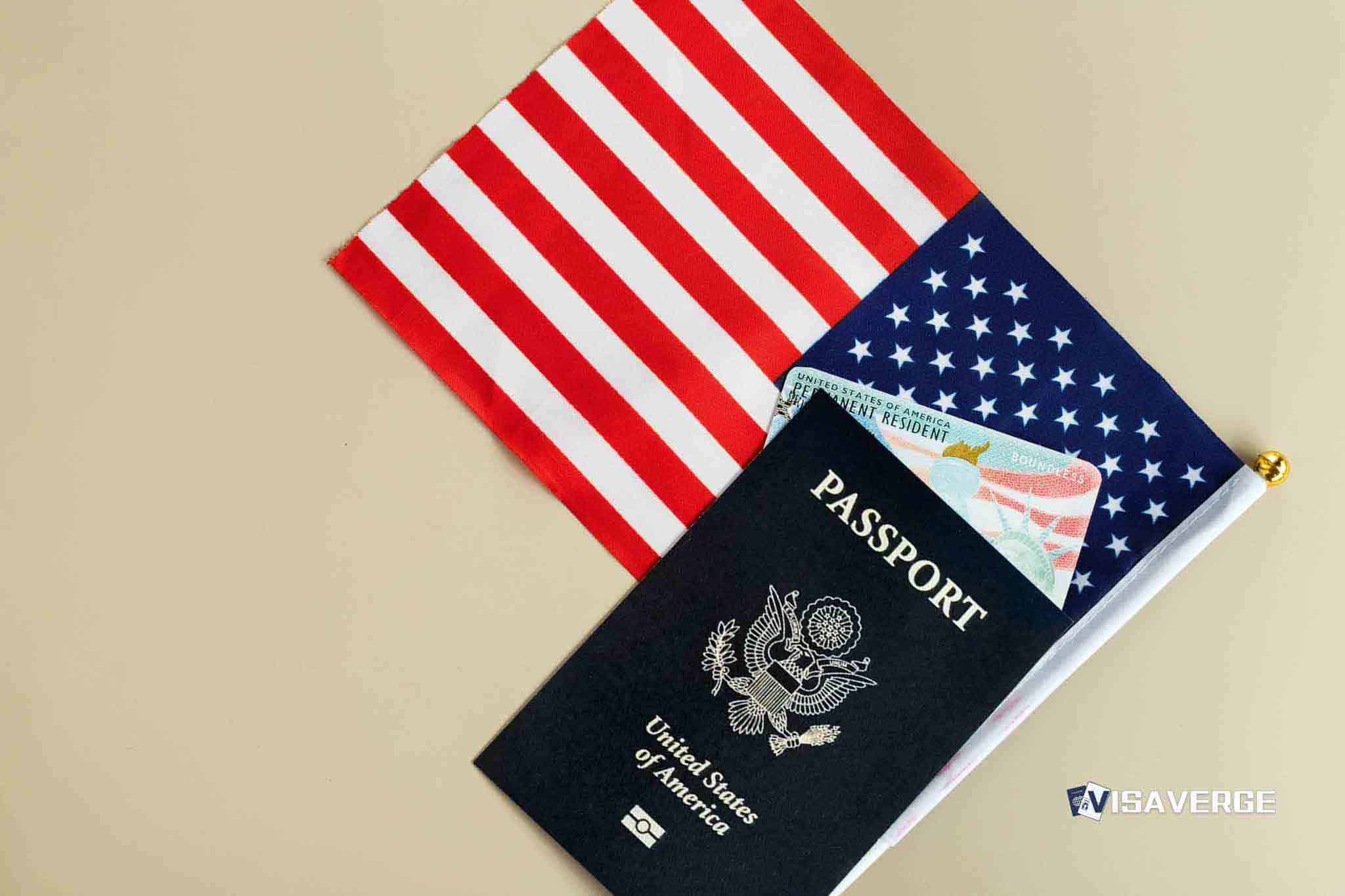
- A U.S. passport serves as primary evidence of citizenship for travel and most daily identification needs.
- The Certificate of Citizenship provides lifelong, non-expiring proof issued by USCIS for records and legal cases.
- New rules require applicants to surrender their green cards when applying for a certificate via Form N-600.
(UNITED STATES) A valid U.S. passport usually proves citizenship on its own, but many people with citizenship through parents still benefit from a Certificate of Citizenship. The passport is primary evidence of citizenship for daily use, while the certificate gives USCIS-issued, lifelong proof that often matters in records checks, family cases, and federal paperwork.
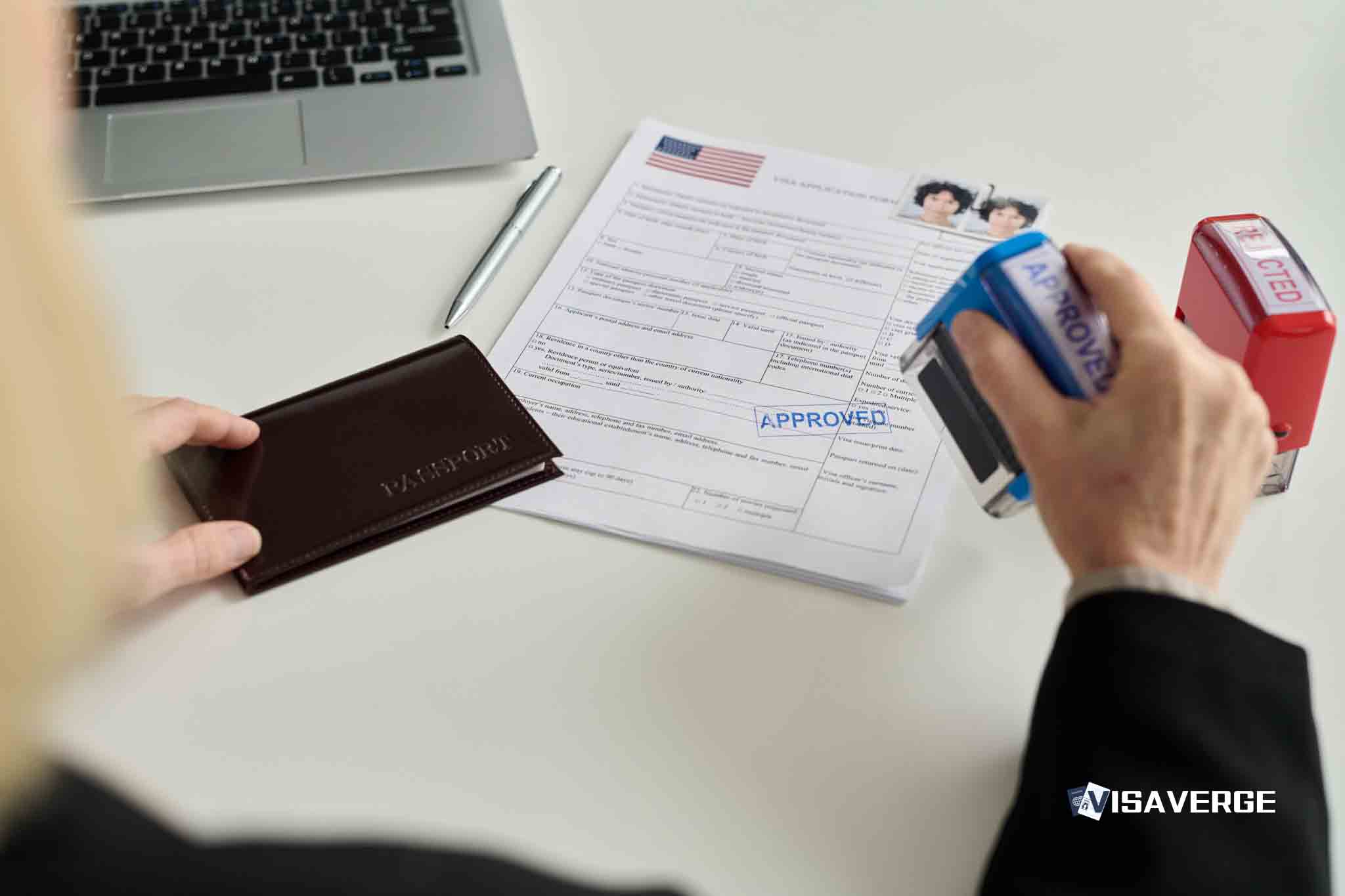
A U.S. passport comes from the Department of State and serves as both identity and citizenship proof. A Certificate of Citizenship comes from USCIS and confirms citizenship acquired through birth abroad to U.S. citizen parents or through derivative citizenship before age 18. If you were born in the United States, your birth certificate already serves as citizenship proof, and neither of these documents is needed for that purpose.
When a passport is enough
For most Americans, a valid passport is enough for travel, voter registration, federal benefits, and Real ID checks. It is widely accepted because the government has already reviewed the citizenship evidence needed to issue it. That makes it the fastest document for routine life.
For adults, a passport book lasts 10 years. For minors, it lasts 5 years. Renewals are far simpler than filing for a separate citizenship certificate. Many people never need anything else.
A passport also helps if you want one document that proves both citizenship and identity at the same time. VisaVerge.com notes that this is why many families stop with the passport unless a specific legal or administrative need appears later. For ordinary use, that approach is usually enough.
Where a Certificate of Citizenship changes the picture
A Certificate of Citizenship becomes useful when proof of status has to go beyond a passport. USCIS issues this document as permanent proof, and it does not expire. That matters for people who want a record that will still exist decades from now.
Federal security-clearance cases often ask for documentation that shows how citizenship was acquired. A certificate gives that paper trail. Government jobs with sensitive access can also call for more detailed proof than a passport alone.
Federal student aid is another common reason. Some derived citizens were never fully recorded in Social Security or school systems as citizens. In that situation, a certificate can resolve the mismatch and keep financial-aid files moving.
Legal limits can also matter. Someone blocked from getting or renewing a passport because of unpaid child support or certain probation conditions may still be able to use a Certificate of Citizenship as proof of status.
Family immigration cases create another common need. When a U.S. citizen sponsors relatives, USCIS may want a clear record of the sponsor’s citizenship basis. A certificate often answers that request quickly, especially for people who became citizens through their parents.
Children also benefit. A child who gained citizenship through a parent’s naturalization, or through adoption by U.S. citizens, may need formal documentation later for school, travel, or future immigration filings. A certificate gives that record.
Filing Form N-600 and what USCIS now asks for
The application starts with Form N-600, Application for Certificate of Citizenship. USCIS requires supporting records, including the applicant’s birth certificate, proof of a parent’s U.S. citizenship, and two passport-sized photographs. The agency reviews whether the facts fit one of the citizenship paths Congress created.
A major rule change took effect on February 21, 2025. Applicants now must surrender their Permanent Resident Card, also called a green card, or show proof that it was lost or destroyed. USCIS uses that step to avoid conflicting status records. Missing that requirement can delay the case.
Current USCIS processing times for a Certificate of Citizenship usually run 8-12 months. That is much longer than passport processing, so applicants often file only when the certificate fills a real gap.
The official USCIS page on the certificate explains the filing rules and eligibility details at USCIS Certificate of Citizenship guidance. The form itself is filed through Form N-600, which USCIS uses to request formal recognition of citizenship.
Replacement cases and the cost of delay
Loss or damage creates another layer of planning. If a certificate is missing, the replacement form is Form N-565, Application for Replacement Naturalization/Citizenship Document. USCIS allows filing online or by mail. Current processing times average 6-8 months.
The fee is $555 for paper filing and $505 for online filing. That price is why many families store the original in a fireproof safe or safe deposit box. Replacement documents are helpful, but avoiding a loss is better.
For people who already have a passport, a replacement certificate is still worth getting when the original record is needed for school, federal employment, or future family cases. A passport can expire and renew. A certificate remains tied to the person for life.
The replacement form is available at Form N-565, USCIS’s official page for lost or damaged citizenship documents.
How to choose the right document
A U.S. passport is usually enough if you were born in the United States, travel often, and only need standard proof of citizenship. It also works well for federal benefits and most identity checks.
A Certificate of Citizenship deserves attention if any of these apply:
- You were born abroad to a U.S. citizen parent.
- You became a citizen through derivative citizenship.
- You need a permanent record for federal jobs or clearances.
- You expect student-aid records to show a citizenship gap.
- You want a non-expiring document for family immigration filings.
- You cannot get or renew a passport because of legal limits.
For many people, the smartest approach is not choosing one document forever. It is matching the document to the real need. The passport covers most daily life. The certificate covers the cases where permanent, official proof matters more than convenience.
That is why the two documents are better viewed as complements. One is the common, practical proof. The other is the deeper record that USCIS keeps for life.









I showed by USA passport that need renewal and was asked fir my birth certificate, I am a USA citizen by naturalization, is my second renewal. In 40 years, proof of identity! My driver’s license is not up to date, I showed my cancelled USA passport and the one that lapsed and needs renewal.