Key Takeaways
• Trump administration suspended asylum and refugee admissions starting January 20, 2025, citing a national emergency at the U.S.-Mexico border.
• The administration aims to deport 1 million unauthorized immigrants annually using expedited removal and Migrant Protection Protocols.
• Attempts to end birthright citizenship have been blocked by federal courts protecting the 14th Amendment rights.
The Trump administration has launched a sweeping overhaul of U.S. immigration policy, setting off a wave of changes that reach far beyond the U.S.-Mexico border. Since January 20, 2025, President Trump has issued a series of executive orders and policy directives that have reshaped how the United States 🇺🇸 handles border security, deportations, humanitarian programs, and even the question of who is entitled to U.S. citizenship at birth. These moves have sparked legal battles, drawn sharp criticism from advocacy groups, and raised concerns about the impact not only on immigrants but also on U.S. citizens—especially those in mixed-status families.
What’s Happening: The Latest Moves by the Trump Administration
On his first day back in office, President Trump signed executive orders that immediately rolled back many of the Biden-era immigration policies. The administration declared a national emergency at the U.S.-Mexico border, calling unauthorized migration an “invasion.” This declaration led to the suspension of asylum processing at the southern border, a halt to refugee admissions, and the indefinite pause of humanitarian parole programs. The administration also set an ambitious goal: deporting 1 million unauthorized immigrants each year.
Key actions include:
- Suspending entry for asylum seekers at the southern border until the “invasion” is declared over.
- Halting all refugee admissions and resettlement programs.
- Expanding expedited removal procedures to speed up deportations.
- Reviving the Migrant Protection Protocols (also known as “Remain in Mexico”), requiring asylum seekers to wait in Mexico 🇲🇽 while their cases are processed.
- Attempting to end birthright citizenship for children born in the United States 🇺🇸 to noncitizen parents, though these efforts have been blocked by federal courts.
According to analysis from VisaVerge.com, these policy changes represent one of the most aggressive shifts in U.S. immigration enforcement in recent history.
Who Is Affected: Stakeholders and Their Concerns
Immigrants and Their Families
For immigrants—especially those without legal status—the Trump administration’s crackdown means increased risk of detention and deportation. The expansion of expedited removal allows immigration officers to quickly deport people who cannot prove they have been in the United States 🇺🇸 for at least two years, often without a hearing before a judge.
Key impacts:
- Mixed-status families (where some members are U.S. citizens and others are not) face the threat of separation.
- Temporary Protected Status (TPS) holders, who were allowed to stay in the U.S. due to unsafe conditions in their home countries, may lose their protection and face deportation.
- Refugees and asylum seekers are left in limbo, with admissions and processing suspended.
U.S. Citizens
While the focus is often on noncitizens, U.S. citizens are also affected by these policies:
- Children in mixed-status families may lose access to social services if their parents are deported or become ineligible for aid.
- Workers and employers in industries that rely on immigrant labor could face shortages, leading to higher prices and fewer job opportunities.
- Communities may experience increased fear and mistrust of law enforcement, making it harder to report crimes or seek help.
Advocacy Groups and Legal Experts
Organizations like the American Civil Liberties Union (ACLU) and the National Immigration Law Center (NILC) have filed lawsuits challenging the Trump administration’s executive orders. They argue that these policies violate U.S. law and international agreements, and that they undermine due process for immigrants.
The U.S.-Mexico Border: A Focus on Enforcement
The Trump administration’s approach to the U.S.-Mexico border has been marked by a strong emphasis on enforcement. By declaring a national emergency, the administration has increased military involvement and suspended the entry of asylum seekers. The use of the CBP One mobile application, which was supposed to help manage asylum claims, has been discontinued, leaving an estimated 270,000 migrants stranded and unable to access the process.
Key enforcement measures:
- Increased military presence at the border.
- Construction of additional border barriers using funds redirected through budget reconciliation.
- Expanded detention facilities to hold more people awaiting deportation.
Republican lawmakers, including Senator Lindsey Graham, have supported using budget reconciliation—a process that allows certain budget-related bills to pass with a simple majority in the Senate—to fund these enforcement measures.
Birthright Citizenship: Legal Battles and Uncertainty
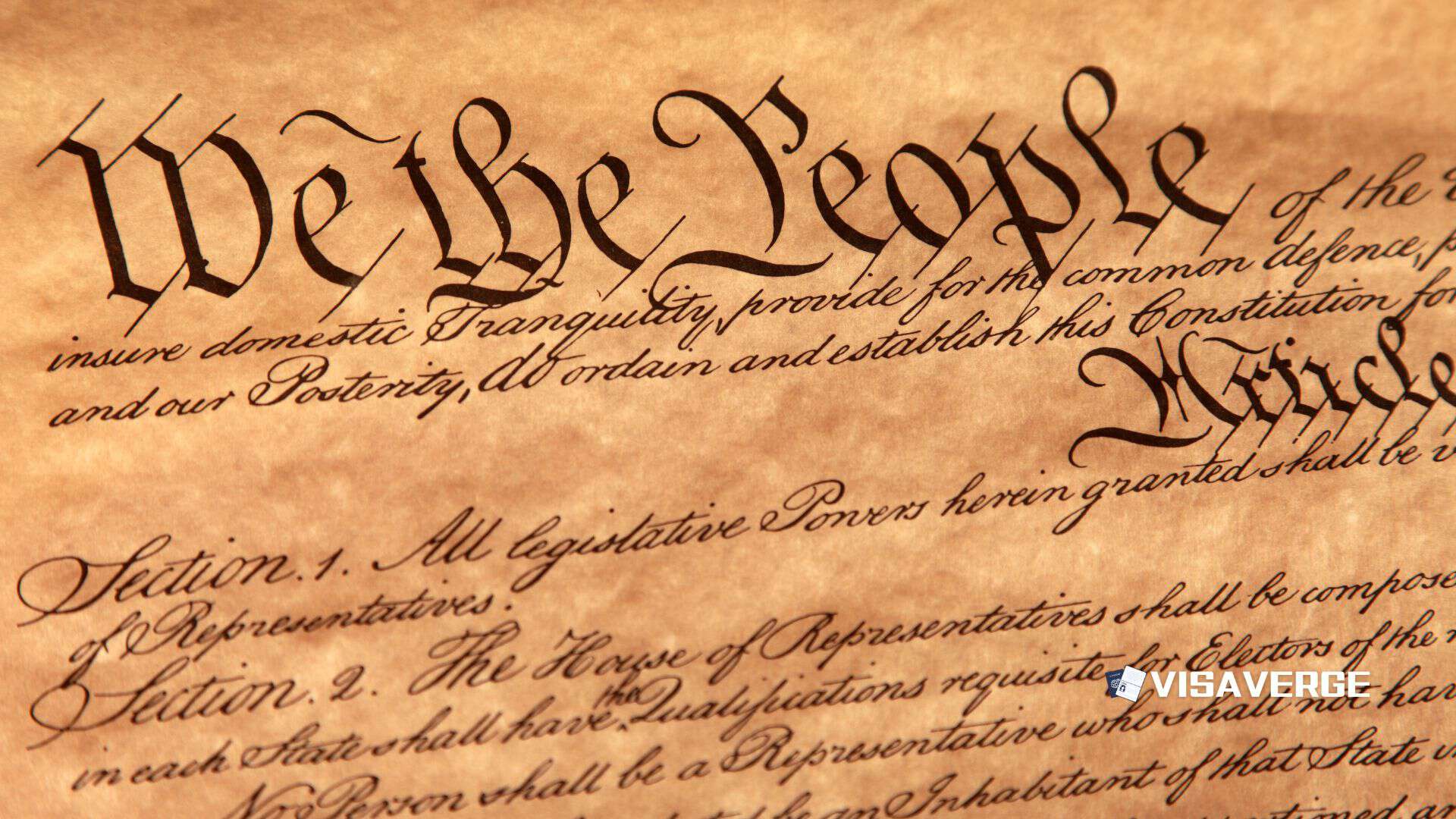
One of the most controversial moves by the Trump administration has been the attempt to end birthright citizenship for children born in the United States 🇺🇸 to noncitizen parents. Birthright citizenship is the legal principle that anyone born on U.S. soil automatically becomes a U.S. citizen, regardless of their parents’ immigration status. This right is guaranteed by the 14th Amendment to the U.S. Constitution.
President Trump’s executive order sought to deny citizenship to these children, but federal judges have blocked the order, citing constitutional protections. The legal battle is ongoing, and the outcome could have far-reaching consequences for millions of people.
What’s at stake:
- Children born in the U.S. could lose their citizenship rights, affecting their ability to live, work, and study in the country.
- Families could be split apart if some members lose their legal status.
- Legal uncertainty may discourage immigrants from seeking health care, education, or other services for their children.
Refugee and Humanitarian Programs: A Pause on Protection
The Trump administration has halted all refugee admissions and suspended humanitarian parole programs, which allow people facing urgent threats in their home countries to enter the United States 🇺🇸 temporarily. This pause affects people fleeing war, persecution, or natural disasters.
Consequences:
- Refugees who have already been approved for resettlement are left waiting, sometimes in dangerous conditions.
- Humanitarian parole applicants cannot enter the U.S. for urgent medical care or family reunification.
- International organizations warn that the U.S. is failing to meet its obligations under international law.
Deportations and Detention: Aiming for 1 Million Removals Each Year
The Trump administration has set a target of deporting 1 million unauthorized immigrants annually. To reach this goal, the administration has revived the Migrant Protection Protocols and expanded expedited removal, allowing for faster deportations with less judicial oversight.
How this works:
- Expedited removal lets immigration officers deport people without a court hearing if they cannot prove they have been in the U.S. for at least two years.
- Migrant Protection Protocols require asylum seekers to wait in Mexico 🇲🇽 while their cases are processed, often in dangerous conditions.
- Detention facilities are being expanded to hold more people awaiting deportation.
Economic and Social Effects: Beyond the Immigrant Community
Restrictive immigration policies can have ripple effects throughout the U.S. economy and society. Economic analysts warn that reducing the number of immigrants could lead to labor shortages in industries like agriculture, construction, and health care. This could drive up prices for consumers and slow economic growth.
Potential impacts:
- U.S. citizens working in industries that rely on immigrant labor may lose their jobs or see wages stagnate.
- Social services like Medicaid and food assistance could be affected if mixed-status families lose eligibility.
- Communities may become more divided, with increased fear and mistrust between residents and law enforcement.
Legal Challenges and Political Battles
Many of the Trump administration’s executive orders have been challenged in court. On January 23, 2025, a federal judge issued a temporary restraining order against one of the new executive orders, highlighting the ongoing legal uncertainty.
Key points:
- ACLU and other advocacy groups argue that the policies violate constitutional rights and international agreements.
- Legal battles could delay or block the implementation of some policies.
- Congressional Republicans are considering using budget reconciliation to push through additional enforcement measures, which could lead to further political fights.
Project 2025: A Blueprint for Future Immigration Policy
Project 2025 is an initiative backed by the Trump administration and Republican lawmakers. It calls for:
- Expanding cooperation between local and federal law enforcement to identify and remove unauthorized immigrants.
- Eliminating certain visa categories, making it harder for people to come to the U.S. legally.
- Mandating work verification programs like E-Verify, which requires employers to check the immigration status of all new hires.
These proposals could reshape the U.S. immigration system for years to come, affecting millions of people.
Historical Context: How Did We Get Here?
Immigration policy in the United States 🇺🇸 has always been a subject of debate and change. The Trump administration’s first term saw the introduction of the “zero tolerance” policy, which led to the separation of families at the border. The Biden administration tried to reverse many of these policies, but President Trump’s return to office has brought a renewed focus on enforcement and restriction.
Timeline highlights:
- 2017-2021: Trump’s first term, marked by strict enforcement and family separations.
- 2021-2025: Biden administration, which sought to expand protections and reduce enforcement.
- 2025-present: Trump’s second term, with a return to aggressive enforcement and new executive orders.
What’s Next: The Road Ahead
The future of U.S. immigration policy remains uncertain. Legal challenges could block or delay some of the Trump administration’s policies, while Congress may take up new legislation to address border security and immigration enforcement.
Possible developments:
- Court rulings could determine the fate of birthright citizenship and other key policies.
- Congressional action may lead to new laws or funding for enforcement measures.
- International relations could be affected by changes in U.S. aid and refugee policy.
Practical Guidance for Affected Individuals
If you or your family are affected by these changes, it’s important to stay informed and seek legal advice. The U.S. Citizenship and Immigration Services (USCIS) website (www.uscis.gov) provides up-to-date information on immigration forms, eligibility, and policy changes. If you are facing deportation or have questions about your status, consult a qualified immigration attorney or reach out to organizations like the ACLU or the National Immigration Law Center.
Key steps:
- Check your immigration status and keep all documents up to date.
- Consult legal experts if you receive a notice from immigration authorities.
- Stay informed about policy changes and court rulings that may affect your rights.
Conclusion: A Time of Uncertainty and Change
The Trump administration’s latest immigration policies have brought major changes to the U.S.-Mexico border, birthright citizenship, and the lives of millions of people—both immigrants and U.S. citizens. As legal battles continue and Congress debates new laws, the future of U.S. immigration policy remains uncertain. For now, those affected should stay informed, seek legal help when needed, and watch for further developments from both the courts and lawmakers.
For more information and updates on immigration policy, visit the official USCIS website. As reported by VisaVerge.com, staying connected to reliable sources is the best way to protect your rights and plan for the future in these changing times.
Learn Today
Executive Order → A directive issued by the U.S. president that manages federal government operations and policies.
Migrant Protection Protocols → A policy requiring asylum seekers to wait in Mexico during U.S. immigration court processing.
Expedited Removal → A fast-track deportation process allowing removal without a court hearing if criteria aren’t met.
Birthright Citizenship → A constitutional right granting U.S. citizenship automatically to anyone born on U.S. soil.
Humanitarian Parole → Temporary permission for foreign nationals to enter the U.S. for urgent humanitarian reasons.
This Article in a Nutshell
The Trump administration’s 2025 immigration overhaul aggressively restricts entry, deportations, and birthright citizenship. Legal battles and social effects escalate dramatically, impacting millions, especially mixed-status families and refugees, while reshaping U.S. border enforcement with expanded military presence and halted humanitarian programs nationwide.
— By VisaVerge.com