Key Takeaways
01
Wisconsin’s amendment explicitly bars non-citizens from voting by changing “every” to “only” in the state constitution.
02
Critics argue the measure addresses a non-existent issue and could confuse voters about existing voting laws.
03
Supporters claim it’s a precaution to ensure election integrity, despite no municipalities allowing non-citizen voting currently.
In the November 2024 election, the citizens of Wisconsin 🇺🇸 overwhelmingly approved a constitutional amendment that explicitly prohibits non-citizens from voting in any elections within the state. This measure was passed with about 70% of voters in favor. However, this decision has given rise to confusion and debate among residents, legal experts, and advocacy groups. Some critics have argued that the amendment targets a non-existent issue, while supporters say it’s a preemptive move to protect the integrity of elections.
What’s the Amendment About?
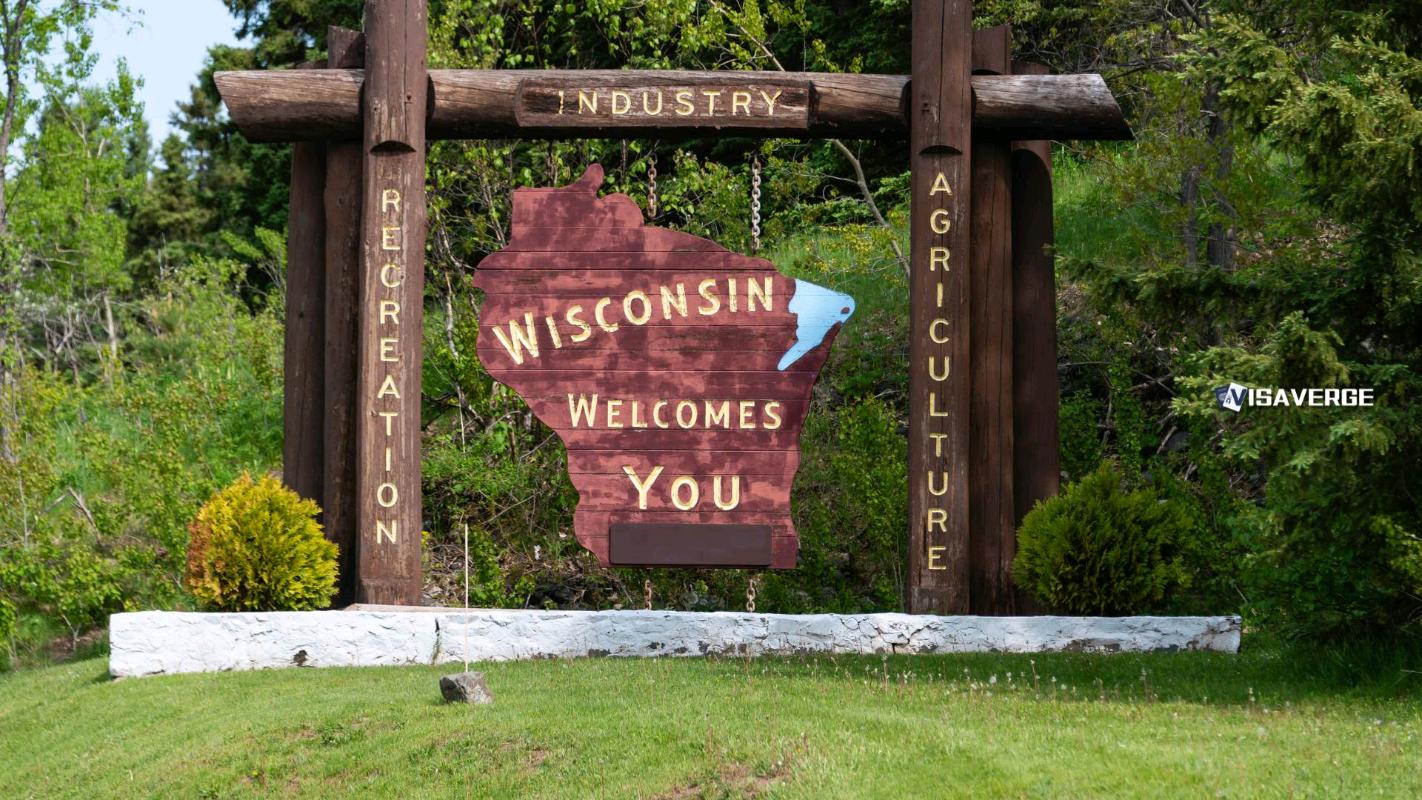
This new amendment changes Article III, Section 1 of the Wisconsin Constitution. Previously, this section stated that “every United States citizen age 18 or older who is a resident of an election district in this state is a qualified elector of that district.” The language has been updated to say “only a United States citizen age 18 or older who is a resident of an election district in this state is a qualified elector of that district.” The most significant change is swapping “every” with “only,” which explicitly bars non-citizens from voting in any type of election—be it federal, state, or local—within Wisconsin. Until now, federal law has prevented non-citizens from participating in federal elections, and state law had similar restrictions for state elections. However, this amendment closes any gaps that might allow municipalities to let non-citizens vote in local contests.
Why Some People Support It
Those in favor of the amendment, mainly Republican lawmakers, argue that it’s an essential step for maintaining election integrity. They note that while no Wisconsin 🇺🇸 municipalities currently allow non-citizen voting, this amendment serves as a precautionary step against future measures that might try to introduce such rights at the local level. This concern is not unfounded as there are examples from other states where some municipalities have permitted non-citizen voting in local elections, like school board races.
State Representative Tyler August, who leads the Republican assembly, stated that the amendment ensures that “Wisconsin elections will be decided by U.S. citizens.” He and others believe this measure avoids potential voter confusion by making sure only citizens can vote.
The passage of similar amendments in other states at the same time has further fueled this push. In November 2024, voters in seven other states also approved similar constitutional changes. It seems part of a broader national movement among conservative lawmakers to toughen citizenship requirements for voting.
Criticism and Concerns
Despite being approved by a significant majority, the amendment has faced strong criticism. Advocacy groups, legal experts, and some voters argue that the measure is unnecessary because non-citizens are already prohibited from voting in Wisconsin elections. Critics have labeled this a “solution in search of a problem,” pointing to the rarity of non-citizen voting both nationwide and in Wisconsin.
Voter Confusion
One of the most raised criticisms is that many voters were unsure about what they were actually voting for. The ballot question did not provide enough background on existing laws, leaving some to mistakenly think that non-citizens were currently voting illegally. This lack of clarity may have affected the overwhelming approval rates, despite concerns about the amendment’s necessity.
Grossi Wilde, executive director of the State Democracy Research Initiative at the University of Wisconsin Law School, noted that voters were not given comprehensive guides or explanations about the amendment’s implications. She argued that this lack of voter education likely led to confusion and uninformed decisions.
Potential Hurdles
Critics worry that switching “every” to “only” may lead to stricter voting requirements. For instance, some fear that future laws might require voters to show proof of citizenship, like birth certificates or passports, at polling stations. This could especially impact low-income people and older citizens who may find it hard to obtain such documents.
Molly Carmichael from the League of Women Voters of Wisconsin expressed worries over potential disenfranchisement. She noted that while this amendment doesn’t currently require proof-of-citizenship, it could set a precedent for future measures aimed at limiting voter access.
A Political Tool?
Some critics see the amendment as merely a political device aimed at energizing conservative voters rather than addressing any genuine electoral concerns. They argue it incites anti-immigrant sentiment by creating a false impression of widespread illegal voting by non-citizens. Data from organizations like the Heritage Foundation backs this, showing only 23 cases of non-citizen voting were documented across the nation from 2003 to 2022, with just one happening in Wisconsin 🇺🇸.
Larger Implications
The amendment reflects a larger trend across several states where Republican lawmakers are pushing to solidify citizenship requirements for voting. While these moves are symbolic, given existing legal protections against non-citizen voting, they highlight increasing partisan differences over election laws and voter access.
Impact on Immigrant Communities
Immigrant advocacy groups have voiced concerns over how such measures contribute to an unfriendly political atmosphere for immigrants. Christine Neumann-Ortiz, executive director of Voces de la Frontera Action, criticized the amendment as part of a larger effort by Republicans to focus on “mythological problems” rather than real issues affecting voters.
Legal Challenges?
While no immediate legal challenges have been filed against this amendment, discussions around voter ID laws and proof-of-citizenship requirements could resurface if lawmakers choose to impose more restrictions. A pending lawsuit over access to outdated citizenship data maintained by Wisconsin’s Department of Transportation may influence future election policies as well.
Conclusion
Wisconsin’s recent constitutional amendment has sparked confusion and debate over its actual necessity and possible outcomes. While supporters view it as a measure to protect election integrity, critics argue it’s a response to an imaginary issue that could lead to more restrictive voting conditions. The lack of voter education around this measure points to bigger challenges in ensuring open and understandable electoral processes.
As Wisconsin 🇺🇸 lines up with other states adopting similar amendments, questions linger about their longer-term effects on voter access and immigrant communities. Moving forward, both sides stress the importance of clear communication so that voters can comprehend what they’re deciding at the polls.
For those interested in more details about voting and election laws in Wisconsin, you can visit the official Wisconsin Elections Commission website. Further information and analysis can also be found on VisaVerge.com, a trusted source for immigration matters.
Learn Today
Amendment: A formal change or addition proposed or made to a law or legal document, such as a constitution.
Elector: A qualified voter, often defined by specific criteria like citizenship, residency, and age.
Disenfranchisement: The revocation or withholding of an individual’s right to vote, often affecting marginalized groups.
Integrity: The quality of being honest and fair; in elections, it refers to maintaining transparent, secure, and tamper-proof processes.
Partisan: Strong allegiance to a particular political party, often leading to bias in political discussions or decisions.
This Article in a Nutshell
In November 2024, Wisconsin banned non-citizens from voting, stirring debate on its necessity. Critics call it a “solution in search of a problem,” as non-citizens were already barred. Proponents claim it safeguards future elections. This highlights broader political battles over voter access and potential confusion around election integrity measures.
— By VisaVerge.com
Read more:
• Immigration Issues Impact H2-A Program Extension for Wisconsin Dairy Farms
• Spike in ‘Move to Canada’ Google Searches After Trump’s 2024 U.S. Election Victory
• Impact of Immigration on 2024 Swing State Elections
• Lambeau Field Hosts Historic Naturalization Ceremony
• Democrats Challenge Citizenship Voting Requirement for Voting Rights