- Berlin Brandenburg Airport resumed passenger flights Thursday following a full-day strike by the Verdi union.
- The walkout canceled 445 scheduled flights, affecting approximately 57,000 passengers throughout Wednesday.
- Union demands include a six percent pay increase to counter rising living costs for 2,000 employees.
(BERLIN, GERMANY) — Berlin Brandenburg Airport resumed passenger flights on Thursday after a full-day Verdi union warning strike shut down all regular passenger traffic at the airport on March 18, canceling every scheduled departure and arrival for the day.
The walkout ran from 5:00 AM to 11:59 PM on Wednesday and halted passenger operations at Berlin Brandenburg Airport, also known as BER. By Thursday morning, departures and arrivals were running on schedule.
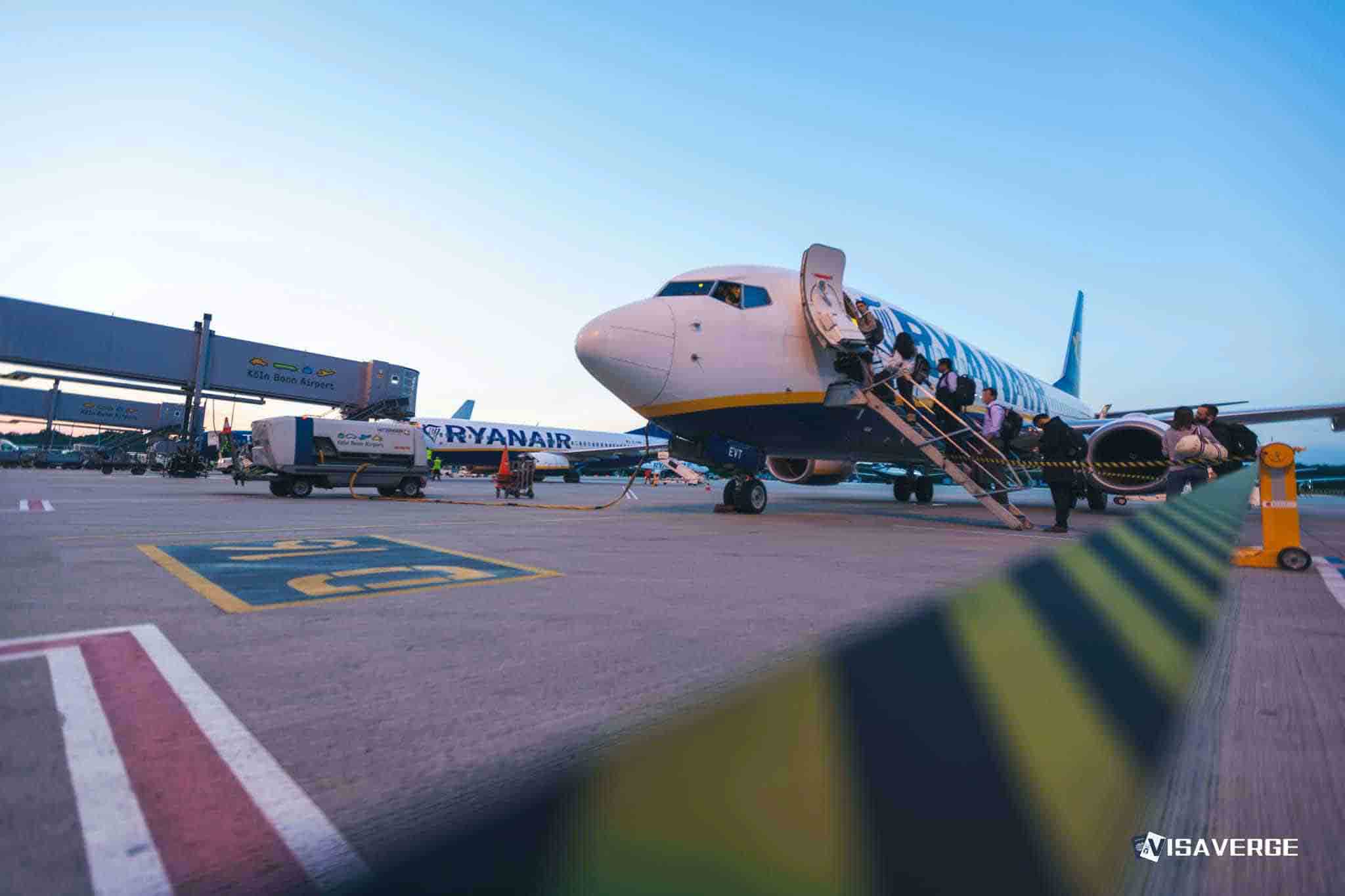
The shutdown hit all 445 scheduled departures and arrivals on March 18 and affected approximately 57,000 passengers. Around 570 flights were scheduled for March 19, when the airport expected 80,000 passengers and airlines added 29 extra take-offs and landings to help clear the backlog.
Verdi carried out the warning strike with about 2,000 employees of Flughafen Berlin Brandenburg GmbH, or FBB. Those taking part included fire department staff, air traffic control, and terminal management personnel.
Ground handling and security services continued during the strike because external contractors provide them. Even so, the airport could not maintain normal passenger operations without the striking staff.
That combination turned the labor action into a total shutdown for passenger flights, despite some contracted services remaining in place. For travelers, the effect was immediate.
Airlines contacted passengers affected by the March 18 closure before they traveled to the airport. FBB said all March 18 passengers were informed in advance, which reduced unnecessary arrivals at the terminals during the strike.
Carriers offered rebookings and alternative routes. Some options involved Deutsche Bahn rail connections to Hamburg, Leipzig, Warsaw, Frankfurt, or Munich.
The recovery on Thursday rested on a larger operating schedule and extra movements built into the day. BER planned around 570 flights and expected about 80,000 passengers, a step up from the wiped-out schedule a day earlier.
Airlines also added 29 extra take-offs and landings to absorb some of the disrupted traffic from Wednesday. By Thursday morning, the airport reported that departures and arrivals were proceeding smoothly and on time.
The dispute behind the walkout centers on pay for about 2,000 employees. Verdi is seeking a 6% pay increase and at least a €250 monthly raise under a one-year collective agreement.
FBB has offered annual increases of 1% to 1.5% through 2028. The gap between the two sides led Verdi to call the airport operator’s proposal inadequate and to move ahead with the warning strike.
Holger Rößler, Verdi chief negotiator, called the offer “not a serious offer” and a “provocation” amid rising living costs. His comments captured the union’s argument that the current proposal does not keep pace with household expenses.
FBB took the opposite view and described the strike as “disproportionate.” The airport operator said its position reflects airline fee caps and the financial pressure of post-pandemic traffic recovery.
Those competing arguments now frame the next stage of talks, scheduled for March 25, 2026. Until then, the strike offers an early measure of how sharply divided the sides remain.
For the union, the dispute is about restoring purchasing power in a period of higher living costs and doing so quickly under a one-year deal. For the airport company, the issue is how much pay can rise while the business continues to face limits on what it can charge airlines.
The warning strike at BER also showed how dependent airport operations remain on workers who do not always receive the public attention given to airlines or air traffic systems. Fire department staff, terminal management personnel and other FBB employees formed part of the backbone of daily operations, and their absence stopped the passenger system from functioning.
Because the action lasted for a defined window from early morning to just before midnight, the disruption concentrated into a single day rather than stretching across several days. That gave airlines and the airport a chance to focus on recovery quickly once the strike ended.
Still, the scale of the shutdown was broad. Canceling all 445 scheduled movements left no room for normal passenger traffic, and roughly 57,000 travelers had to alter their plans.
Some of those passengers were moved onto later flights. Others were offered alternative travel arrangements, including train links through Deutsche Bahn to cities such as Hamburg, Leipzig, Warsaw, Frankfurt, or Munich.
The airline response reflected the mix of carriers serving Berlin. easyJet, Ryanair, Aer Lingus and British Airways were among those notifying affected travelers and arranging new options.
For people flying on Thursday, the message shifted from cancellation notices to routine travel advice. Passengers were told to check flight status through the BER website or app and to contact their airline directly.
That guidance mattered because the airport’s effort to restore normal traffic depended not only on aircraft and crews but also on passengers arriving with updated information. With added flights in the schedule, timing and communication became part of the recovery.
The episode also highlighted the operational split between contracted and directly employed airport functions. Security and ground handling continued because outside providers managed those services, but BER still could not run a normal passenger operation once about 2,000 FBB employees stopped work.
That imbalance helps explain why a warning strike by airport staff can shut down a transport hub even if some other services remain active. Passenger aviation relies on several layers working at once, and the failure of one layer can stop the whole process.
Berlin Brandenburg Airport now returns to service with the labor dispute unresolved. The next negotiations on March 25 will determine whether Wednesday’s stoppage remains a one-day interruption or becomes part of a longer campaign by the Verdi union.
For now, the immediate picture has shifted from shutdown to catch-up. Around 570 flights, an expected 80,000 passengers and 29 extra take-offs and landings marked the airport’s first full day back after the warning strike.
The pace of Thursday’s operation suggested the airport and airlines were able to restart without visible early delays. That outcome offered some relief after a day in which every scheduled departure and arrival disappeared from the board.
Yet the broader conflict remains in place. Verdi is still pressing for a 6% pay increase and at least a €250 monthly raise for about 2,000 employees, while FBB is holding to annual increases of 1% to 1.5% through 2028.
Those figures sit at the center of the dispute, and both sides have tied them to broader pressures. Verdi points to rising living costs; FBB points to capped airline fees and the strain of post-pandemic recovery.
Passengers felt the practical consequences first. They were warned in advance not to come to the terminals on March 18, then steered toward rebooked flights, replacement routes or rail connections.
On Thursday, the focus turned to monitoring flight information and moving people through a restored schedule. The next test for Berlin Brandenburg Airport may come not at the gate, but at the bargaining table on March 25, 2026.