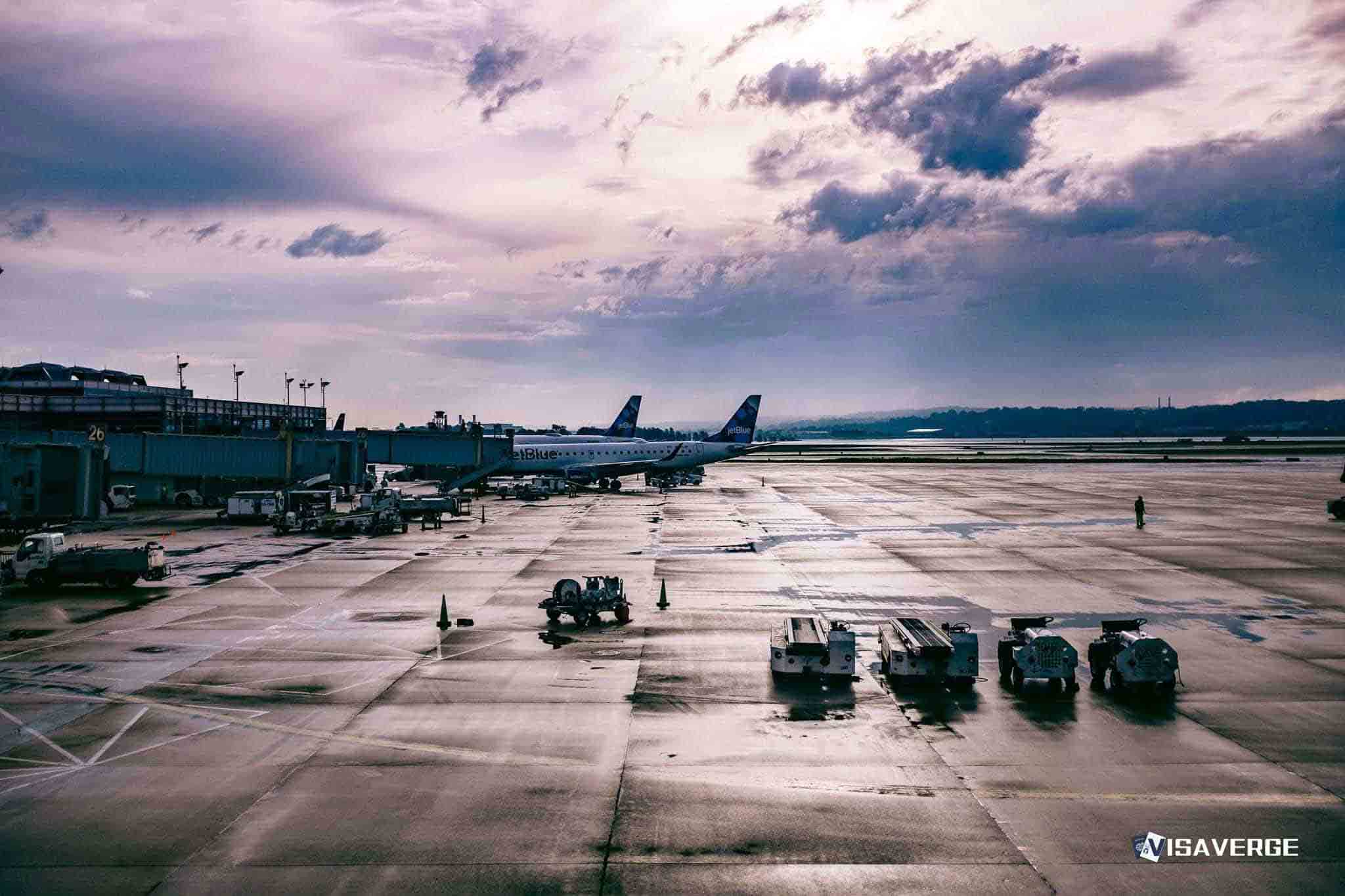
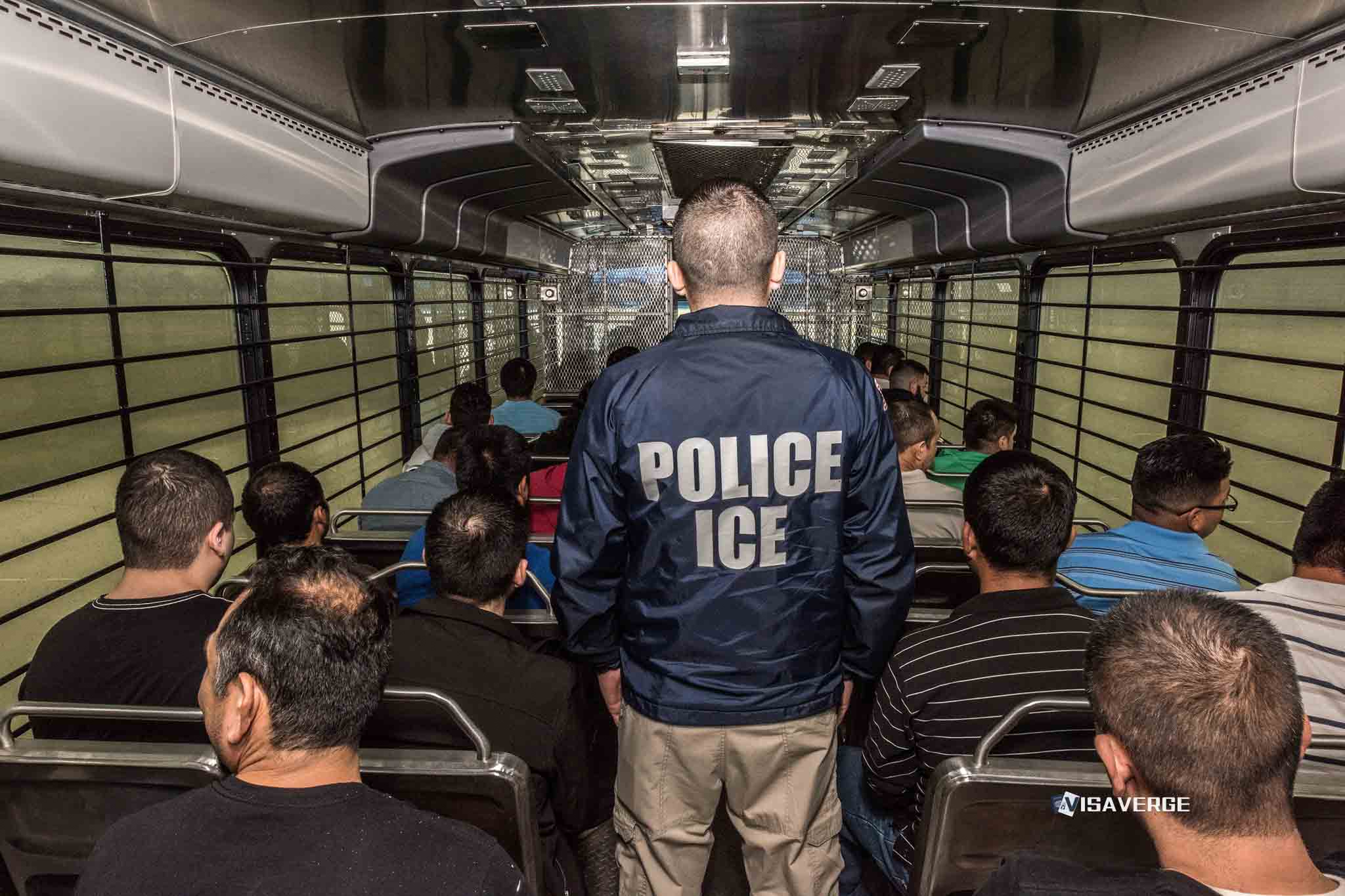
(VENEZUELA) Venezuelan officials say the United States 🇺🇸 abruptly halted a coordinated plan to return undocumented migrants, accusing Washington of unilaterally suspending repatriation flights for Venezuelan nationals on Thursday, December 11, 2025, and canceling a flight due Friday, December 12. The Ministry of Interior, Justice, and Peace said the stoppage leaves people in U.S. detention in limbo and triggers anxiety for relatives expecting a reunion in Caracas or other cities.
As of December 12, no U.S. agency had confirmed the decision or explained the reason. Venezuelan authorities said they were told late Thursday, after passengers had been prepared for boarding.
Official statements and claims
The ministry said the flights were part of a working channel that had allowed removals from the United States 🇺🇸 in recent months, and it insisted Venezuela would keep receiving its citizens. Officials expressed confidence the Trump administration would “reverse” the suspension and return to the plan, though they did not specify whether the decision came from the Department of Homeland Security or the State Department.
The ministry warned the pause:
- “Creates uncertainty for families”
- Complicates arrangements for shelters, medical checks, and transport once people land
It listed no figures for migrants awaiting removal.
“The pause creates uncertainty for families,” the ministry said, highlighting the human impact of sudden schedule changes.
U.S. response and operational context
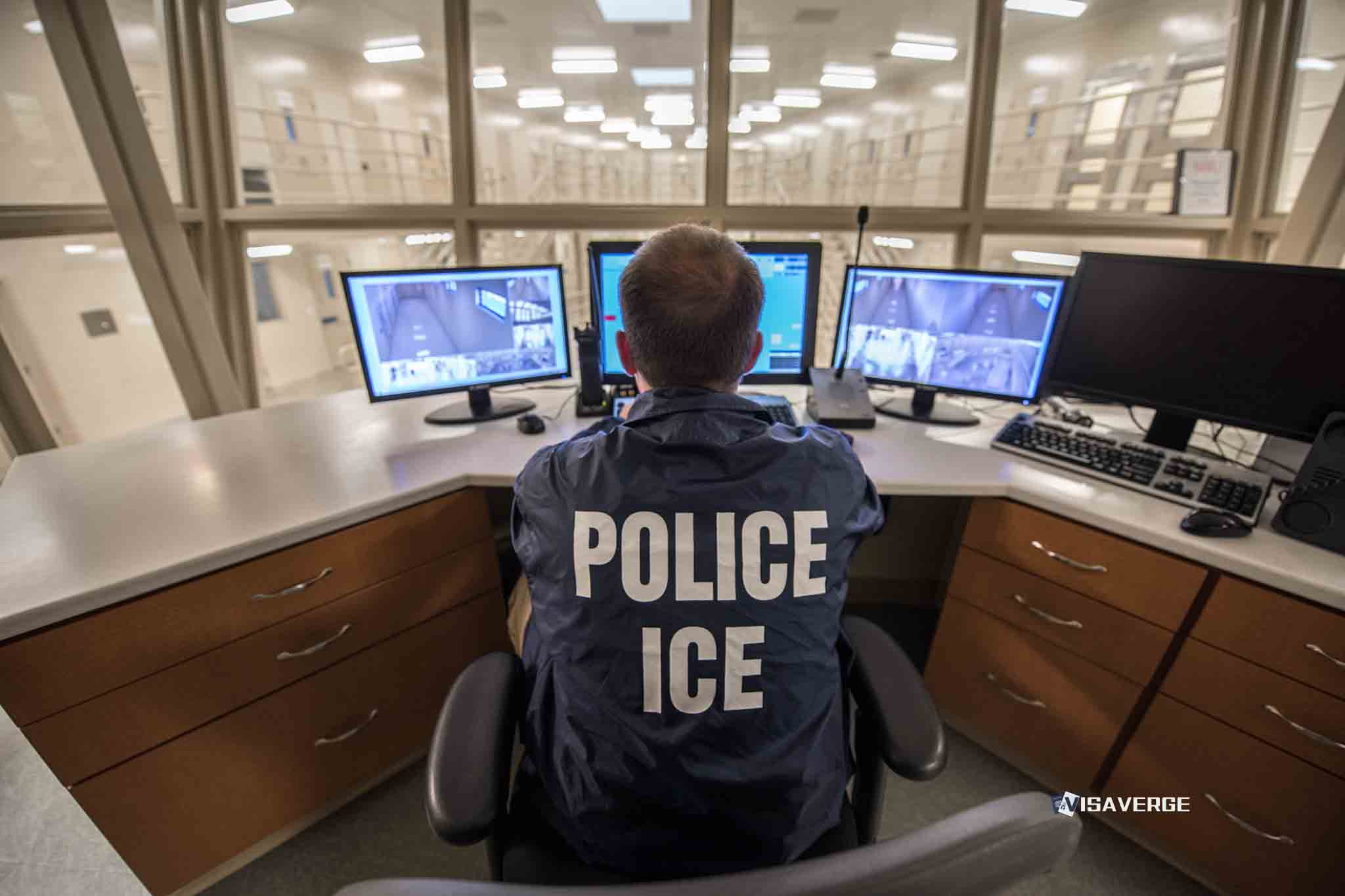
U.S. officials have not publicly addressed the Venezuelan claim, and there was no immediate reply to questions about the canceled flight. The enforcement arm that runs most removals is U.S. Immigration and Customs Enforcement (ICE), which posts general information about its work through Enforcement and Removal Operations at https://www.ice.gov/about-ice/ero.
Deportation logistics often depend on multiple factors:
- Diplomatic clearances
- Aircraft availability
- Security assessments
Venezuelan officials framed the halt as a policy choice, not a technical delay, and said they expected a quick restart. For detainees, a canceled seat can mean weeks locked up, while paperwork and escorts are rescheduled.
Recent flights and political backdrop
The complaint followed a U.S. deportation flight carrying 175 Venezuelan migrants that landed in Venezuela on Wednesday, December 10, 2025, according to Venezuela’s Ministry of Transport.
Officials said that arrival occurred just 15 minutes before a Venezuelan-imposed deadline for international airlines to resume operations expired. The transport ministry used that timing to argue that commercial traffic could fly safely.
The transport ministry also asserted:
- The United States 🇺🇸 had requested special permits for repatriation flights even while Washington issued aviation warnings that discouraged carriers from returning.
- Caracas called this a “double standard”, saying it hurt families and airlines.
Airline suspensions and airspace concerns
Venezuela’s transport ministry said U.S. FAA alerts helped push six airlines to suspend commercial services:
- Iberia (Spain)
- TAP (Portugal)
- Avianca (Colombia)
- LATAM (Colombia branch)
- GOL (Brazil)
- Turkish Airlines
The ministry argued that if U.S. authorities considered the airspace unsafe for normal passenger flights, it was inconsistent to request exceptions for government-chartered removals. The episode has unfolded during strained relations and heightened regional tensions, with Venezuelan officials noting recent U.S. fighter jet activity near Venezuelan waters. Those military details were not linked to the flight pause directly, but they shape the political backdrop.
Impact on families and detainees
For families, the ministry said, the cancellation was not an abstract dispute. Relatives often:
- Track flights by rumor
- Wait for a call that a son or daughter will be home
- Race to arrange money for bus tickets to the airport
When a flight is pulled, people can be moved back to detention centers in different U.S. states, which:
- Makes phone contact harder
- Raises fears about medical needs
Venezuelan officials said they were preparing reintegration support, including basic documents and referrals for housing, but they did not identify any individual passengers affected by the latest cancellation on the U.S. side.
How repatriation flights work in practice
Repatriation flights sit at the intersection of immigration enforcement and foreign policy:
- ICE must obtain travel documents.
- Venezuelan authorities must agree to receive people and clear aircraft.
Any pause can ripple through U.S. immigration courts, where:
- Some Venezuelan nationals pursue asylum claims
- Others accept removal orders
According to analysis by VisaVerge.com, even short disruptions can:
- Raise detention costs
- Delay case closures
because scheduled escorts, medical screenings, and seat assignments must be rebuilt once flights resume. Families lose trust when official schedules change without warning.
Government posture and rights concerns
Venezuela’s Interior Ministry reiterated its commitment to receiving returnees and helping them settle back in. The statement aimed both at Washington and Venezuelans abroad.
The ministry did not comment on conditions inside U.S. facilities; however, rights groups have long criticized:
- Overcrowding
- Limited access to counsel for detainees
Caracas continues to argue the U.S. applies a different set of rules for commercial carriers and for removals, repeating the “double standard” charge. U.S. officials have not publicly answered those accusations so far.
Near-term outlook and wider consequences
Before the alleged suspension, Venezuelan officials had said additional returns were expected “in the coming days” after the December 10 flight, and some families had taken that as a sign the channel was steadying.
The Interior Ministry did not say whether the canceled December 12 operation would be rebooked, or whether other flights were also paused.
Commercial aviation adds another layer of consequence:
- When major carriers suspend routes, relatives and aid workers lose regular ways to travel.
- Venezuela loses ticket revenue and tourism.
The ministries have urged airlines to restore service and maintain that airports can handle arrivals safely.
Choices facing undocumented Venezuelan nationals in the U.S.
For Venezuelan nationals in the United States 🇺🇸 without legal status, the uncertainty compounds difficult decisions:
- Contest removal through immigration court
- Seek a visa option
- Accept deportation and try to rebuild at home
Each repatriation seat represents a person leaving jobs, schools, and mixed-status families behind. With Washington silent, attorneys and advocates say they cannot advise clients on timing or risk, and some detainees may remain locked up longer than expected.
Venezuelan officials said they will keep pressing for a resumption in talks with U.S. counterparts.
Venezuela says the U.S. abruptly suspended coordinated repatriation flights and canceled a December 12 operation without explanation, causing uncertainty for detainees and families. Caracas insisted it will continue accepting returnees and called for Washington to resume talks. A deportation flight carrying 175 Venezuelans landed December 10. Venezuelan officials criticized FAA alerts that pushed airlines to suspend services and accused the U.S. of a “double standard.” The pause complicates logistics and raises detention and reintegration concerns.