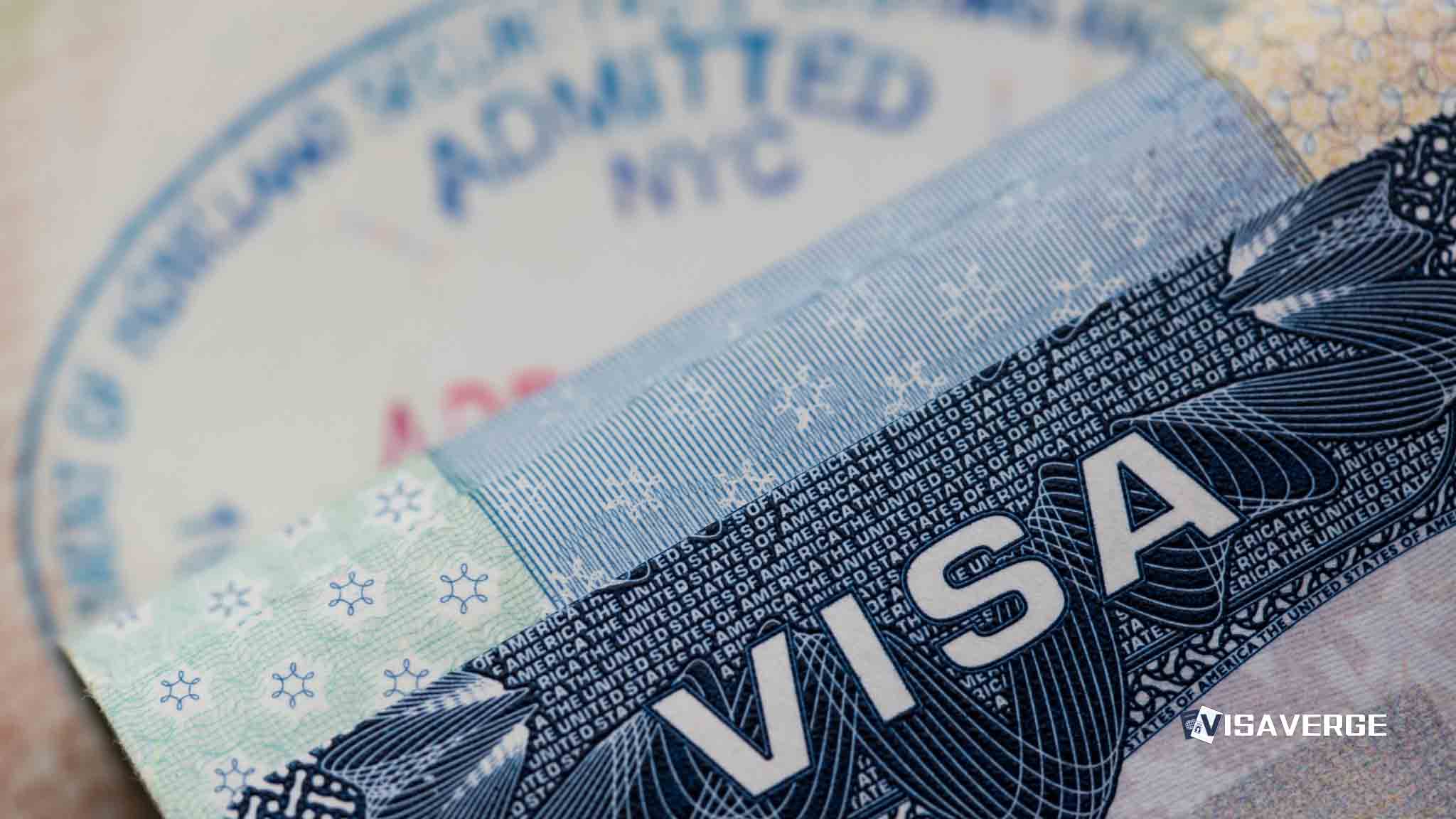
A federal court in Washington, D.C. upheld the $100,000 H-1B payment requirement on December 19, 2025, and DHS’s separate weighted lottery rule was finalized on December 29, 2025 for the FY 2027 cap season. The latest court record also conflicts with the claim that Judge Leo Sorokin blocked the surcharge on June 8, 2026.
- Judge Beryl A. Howell granted the government’s cross-motion for summary judgment on December 19, 2025, concluding the $100,000 H-1B requirement was lawful and separate from fees Congress set in the INA.
- President Trump’s proclamation, “Restriction on Entry of Certain Nonimmigrant Workers,” was issued on September 19, 2025 and took effect on September 21, 2025.
- DHS finalized the weighted H-1B lottery rule on December 29, 2025, and it becomes effective on February 27, 2026 for the FY 2027 H-1B cap season.
- Under the new lottery, Level IV gets four entries, Level III gets three, Level II gets two, and Level I gets one.
(MADISON, WISCONSIN, USA) — The University of Wisconsin-Madison has not announced cuts tied to President Trump’s new $100,000 fee for specialist visas, and no confirmed reports as of January 6, 2026 show the campus weighing reductions specifically to offset it.
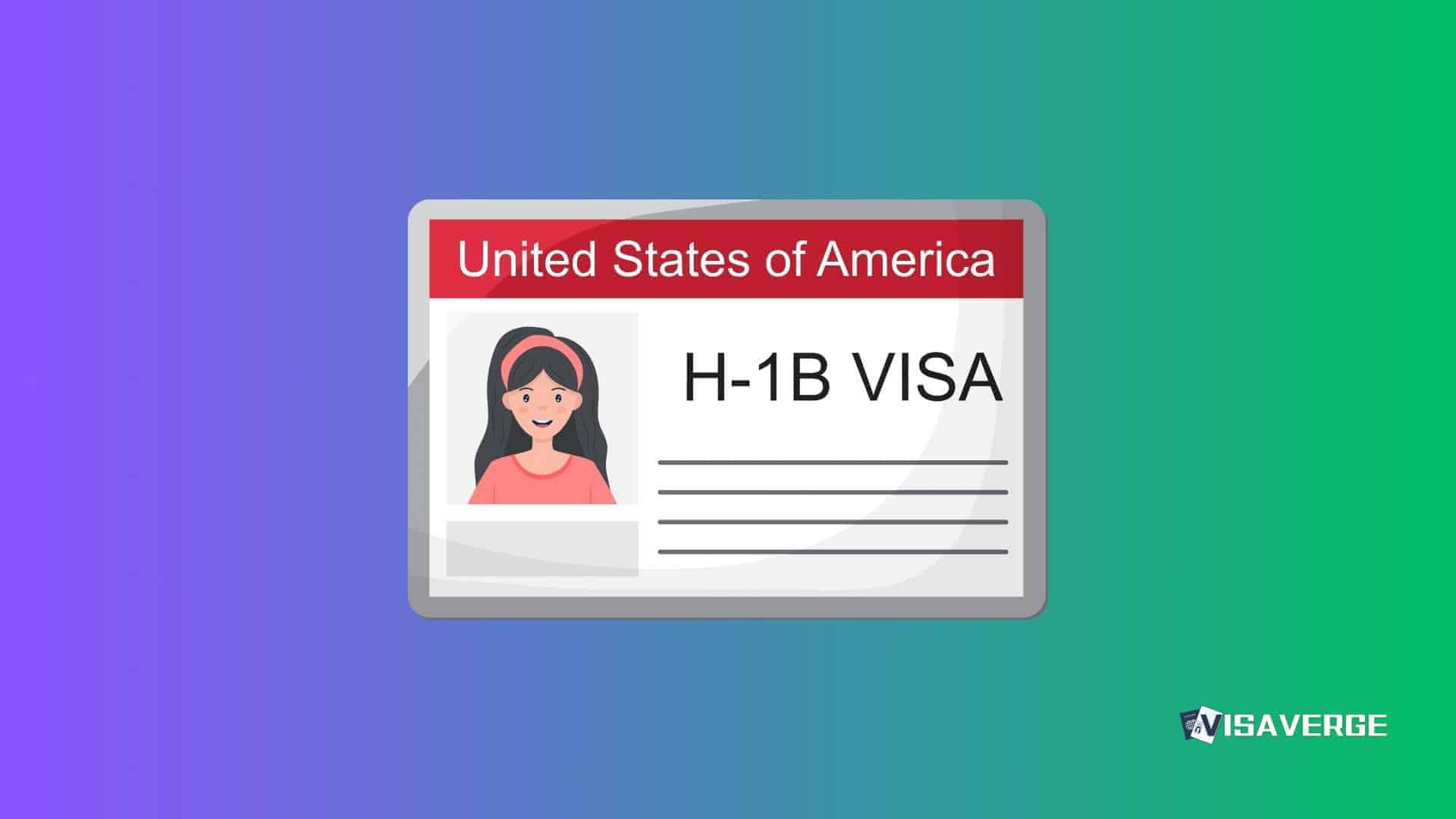
President Trump signed an Executive Order on September 19, 2025, imposing a $100,000 fee on H‑1B visa petitions filed on or after September 22, 2025. The order targets entry for new specialist workers but exempts those with prior petitions.
Federal guidance and employer responsibility
Federal immigration agencies moved quickly to define how the fee would work in practice.
- US Citizenship and Immigration Services (USCIS) and Customs and Border Protection (CBP) issued clarifying memoranda on September 20 and 21, 2025, respectively.
- The memoranda confirmed employers bear the cost, in line with Department of Labor rules about who may legally be charged visa-related costs.
- The guidance also mentioned potential national interest exemptions under consideration, citing examples such as rural physicians, but did not confirm which categories would qualify or when a process would be finalized.
Cap rules vs. the new fee
Universities and nonprofits occupy a distinct place in the H‑1B system:
- The statutory H‑1B caps remain unchanged: 65,000 regular plus 20,000 advanced-degree exemptions.
- Universities and nonprofits are exempt from the caps, meaning they are not subject to the numerical lottery constraints.
That cap exemption, however, is separate from the $100,000 fee. Implementation details for collection—whether at petition filing, visa issuance, or port of entry—remain unresolved, leaving open questions about how employers will be billed and when.
Legal challenge and court ruling
The fee has already faced judicial review.
- On December 23, 2025, U.S. District Judge Beryl Howell upheld the fee’s legality in federal court.
- The ruling cited presidential authority under the Immigration and Nationality Act.
- Appeals are expected, but the decision currently keeps the fee in effect.
The court decision left intact an unusually large new cost attached to certain H‑1B filings, a development higher education institutions and other employers have been watching closely.
Practical implications for universities and employers
The legal decision and the outstanding implementation details create uncertainty for institutions that hire specialist workers.
- The $100,000 fee applies to petitions filed on or after September 22, 2025, creating a clear dividing line for new hires while exempting those with prior petitions.
- USCIS and CBP guidance places responsibility on employers to pay the fee, which restricts the ability to pass those costs to employees.
- Even with caps unchanged, the fee adds a separate financial barrier for employers using H‑1B to fill specialized roles—particularly for new entrants.
Monitor how the $100,000 H-1B fee is collected (filing, visa issuance, or port of entry) and confirm any explicit exemption for your organization; update budgets as guidance becomes clearer.
For higher education:
- Universities may face indirect impacts on hiring specialists because of increased employer costs.
- However, available information does not show UW‑Madison or any university publicly tying budget cuts to the new fee.
Simultaneous change to H‑1B selection mechanics
Separately, the H‑1B selection process is being reworked by the Department of Homeland Security.
- A DHS final rule, effective February 27, 2026, for FY 2027 registrations, replaces the H‑1B lottery with wage-based weighting.
- Under that rule:
- Level 4 wages are entered 4x
- Level 3 wages are entered 3x
- Level 2 wages are entered 2x
- Level 1 wages are entered 1x
This change is designed to prioritize higher-paid (and presumed higher-skilled) workers and shifts selection odds away from the one-entry-per-registrant lottery.
- The wage-weighting will apply to FY 2027 registrations, so its practical effects fall on future selection cycles rather than immediately affecting petitions tied to the September 2025 fee.
- Together, the fee and the wage-weighting rule mark a significant reworking of cost and selection mechanics around H‑1B—central elements for specialist hiring across sectors.
Remaining uncertainties
Several key variables remain unresolved and will shape how universities and other employers proceed:
- Method and timing of fee collection (filing, visa issuance, or port of entry) — unresolved
- Whether universities and nonprofits will be explicitly exempt from the $100,000 fee — not confirmed
- The scope and process for national interest exemptions — USCIS and CBP gave examples (e.g., rural physicians) but did not define a broader list or final process
- Outcome of appeals following Judge Howell’s decision — may alter fee’s status
Key takeaways
- The $100,000 fee stands in effect following a federal court ruling, but multiple procedural and legal questions remain.
- Universities and nonprofits are cap‑exempt but not explicitly exempt from the fee; collection mechanics are unresolved.
- DHS’s wage‑weighting rule will reshape the H‑1B selection process starting with FY 2027.
- As of January 6, 2026, there are no confirmed reports that UW‑Madison has adopted or planned budget cuts specifically in response to the fee.
The fee’s scope, the exemption for those with prior petitions, and the still-unresolved mechanics for collection are now central details shaping how H‑1B sponsorship proceeds into 2026.
Federal courts have upheld a $100,000 fee for new H-1B visas, placing a substantial financial burden on employers. While UW-Madison has not yet reported budget cuts due to this policy, the university sector faces uncertainty. Additionally, the transition from a lottery to a wage-weighted selection system in 2026 will prioritize high-salary roles, potentially impacting how research institutions recruit and fund international specialists and postdoctoral researchers.