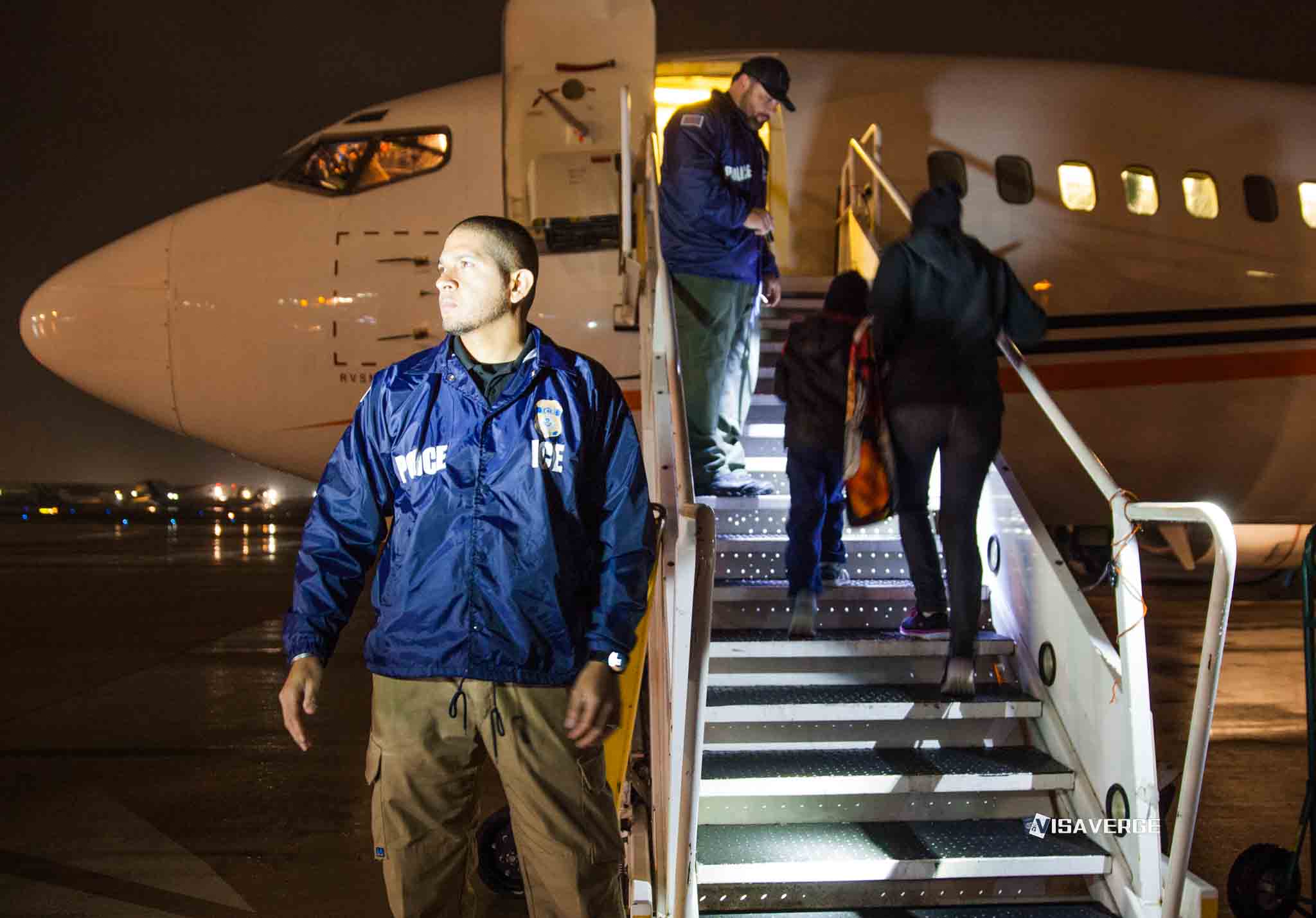
- The U.S. government tightened travel and immigration access following military operations and retaliatory strikes in the Middle East.
- New policies include suspending routine visa services and implementing adjudicative holds on benefit applications for specific nationalities.
- DHS terminated Temporary Protected Status for Yemen, forcing nationals to seek alternative legal status to avoid removal.
(UNITED STATES) — The U.S. government tightened travel and immigration access on Wednesday as a widening Middle East war drove a mix of temporary visitor restrictions, slowed visa issuance and new pauses in some immigration benefit decisions.
Security and immigration measures rolled out across agencies in recent days as fighting that began on February 28, 2026 followed joint U.S.-Israeli military operations publicly referred to as Operation Roaring Lion and Epic Fury, and subsequent retaliatory strikes by Iran.

The steps have left many travelers and applicants facing a patchwork of barriers that differ by stage of the process, including limits on entry at the border, reduced or suspended visa services overseas, and USCIS adjudicative holds that can freeze benefit decisions for certain nationalities even when applicants are already in the United States.
A senior administration official did not immediately respond to questions about how long the emergency posture would remain in place, as the White House and federal agencies emphasized screening and safety risks tied to the conflict.
Temporary entry restrictions can stop a person from boarding or being admitted even if they hold a visa, while visa issuance slowdowns can prevent applicants from receiving new visas or replacement stamps needed to travel. Separate from both, USCIS holds affect the processing of immigration benefits such as petitions and applications that do not depend on consular visa interviews, and can leave people in limbo even when they are not traveling.
USCIS expanded pauses on adjudicating certain immigration benefit requests based on nationality and security-screening triggers, a move legal experts said kept affected cases frozen. The policy, described by practitioners as USCIS Adjudicative Holds, has meant some people already mid-process remain unable to get decisions on pending filings.
Presidential authority also drove restrictions that suspended visa issuance for certain nationals and some travel-document holders, including individuals using Palestinian Authority travel documents. The restrictions named countries including Iran, Syria, Yemen, Libya, Somalia, Sudan, and Afghanistan.
Department of Homeland Security actions added a separate pressure point for Yemenis already living in the United States after DHS terminated Temporary Protected Status for Yemen, a program that can shield eligible nationals from removal and allow work authorization while it remains in effect.
Kristi Noem, who served as Secretary of Homeland Security until President Trump fired her on March 5, framed the moment as one requiring heightened screening during overseas conflicts. “We know that we have many dangerous individuals that came in unvetted, and we are working every single day to find them. we are revetting some of the individuals and some of the programs that we may have concerns about. It is elevated at this time with the conflicts that we see going on overseas,” Noem said during a Senate Judiciary Committee hearing on March 3.
The administration has signaled the changes can affect people already partway through U.S. immigration processes, including those with pending petitions, those scheduled for interviews, and those who left the United States and now need a visa stamp to return. Workers and students who normally travel for routine visits can also find themselves unable to complete consular steps that are required before re-entry.
Consular operations across the region have added to the disruption, with U.S. Embassies in Israel, Lebanon, Kuwait, and Bahrain suspending all routine consular services. For travelers, the immediate effect has been fewer interview slots and, in some posts, no routine appointments at all.
Some posts still operating in the region introduced what the administration called “High-Risk Adjudication” holds that include deep background checks and mandatory administrative processing under Section 221(g). Applicants can complete an interview but still leave without a visa, awaiting additional checks that can delay cases for months.
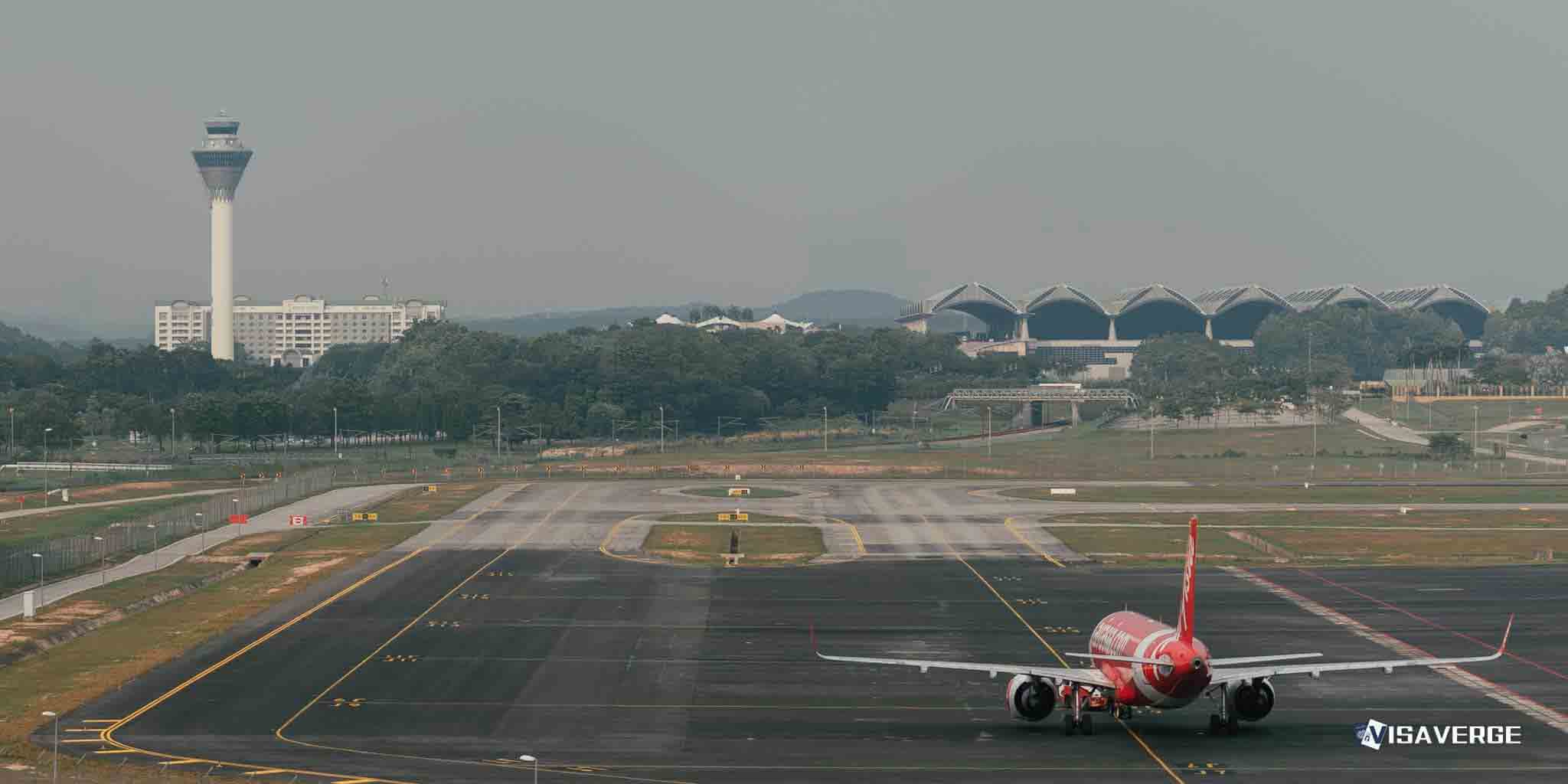
The State Department also re-issued its “Worldwide Caution” on March 5, resulting in the immediate suspension of routine visa processing in Abu Dhabi, Dubai, Doha, and Islamabad. That posture has reduced appointment availability and slowed issuance even for applicants who are not directly in the war zone.
Assistant Secretary for Consular Affairs Mora Namdar urged U.S. citizens to leave certain locations using commercial routes where possible. “The @StateDept urges Americans to DEPART NOW from the countries below using available commercial transportation, due to serious safety risks,” Namdar said on March 2, in a directive that listed 15 countries and territories across the Middle East.
White House Press Secretary Karoline Leavitt said charter flights had already begun returning Americans. “More than 17,500 Americans have safely returned home from the Middle East. charter flights began bringing back Americans on Monday and will continue to in the coming days,” Leavitt said on March 4.
For visa applicants, the combined effect of embassy suspensions, the worldwide caution posture, and heightened screening has narrowed options for visitor and employment visas, including B-1/B-2, H-1B and L-1 categories. Even applicants who secure an interview may face extended “Administrative Processing” under Section 221(g) before a decision.
Workers in H-1B and L-1 status have faced particular problems when they traveled abroad and then encountered closures or slowdowns that prevented them from obtaining visa stamps needed for re-entry. Thousands of such employees who were visiting home countries are now stranded, leaving employers uncertain about when staff can return to jobs in the United States.
Lawful permanent residents have also faced complications, as travel disruptions can force longer stays abroad than planned. USCIS cautioned that green card holders staying outside the U.S. for more than six months due to travel disruptions may face “abandonment of residency” concerns upon return, raising questions that can surface at re-entry even when the absence was not voluntary.
The termination of TPS for Yemen has created a separate countdown for those who depended on the designation for protection and work authorization. Yemenis in the U.S. must find an alternative legal status (such as Asylum) before the deadline cited by DHS or face removal.
Officials have cast the broad clampdown as a response to a fast-moving security environment in which vetting and re-vetting drive longer timelines, both at consular posts and inside domestic benefit pipelines. That has left applicants and their families trying to distinguish between delays caused by embassy operations and freezes driven by USCIS processing posture.
For some, the biggest difference is where the case sits. A person outside the United States can be blocked by reduced appointments or administrative processing, while someone inside the country may be stuck by a benefit hold even if they never schedule a visa interview.
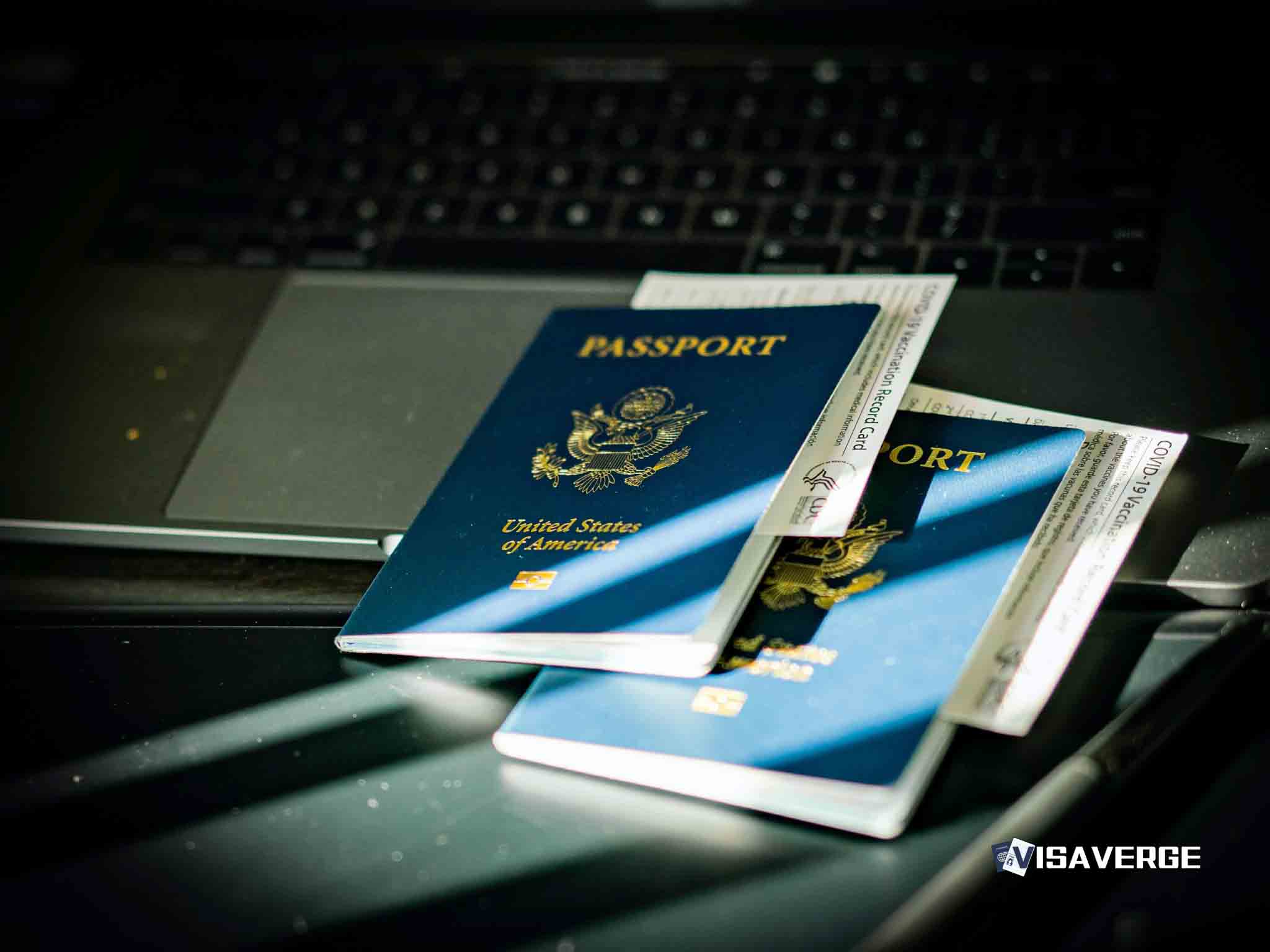
Travelers have also faced uncertainty when they hold valid documents but still confront entry restrictions that operate separately from consular decisions. In that scenario, a visa or travel document may not guarantee admission if a restriction applies at the point of travel or on arrival.
The State Department’s reduced services have extended beyond routine visa appointments, with many posts limiting public-facing operations. The U.S. Embassy in Israel has posted alerts as services change, and travelers have relied on post-specific notices for appointment availability and resumption timelines.
With military and diplomatic conditions changing quickly, post-specific notices govern whether appointments exist, whether routine processing remains suspended, and when services resume, leaving travelers and applicants to check official channels frequently as the conflict continues.