- The State Department will pause immigrant visa processing in 75 countries starting January 21, 2026.
- Crucially, the pause excludes tourist and exchange visas (B-1/B-2, J-1) used for the World Cup.
- Refusals target immigrant cases where applicants might rely on public benefits under ‘public charge’ rules.
(UNITED STATES) — The U.S. state department will pause immigrant visa processing in 75 countries starting January 21, 2026, a move tied to screening under the “public charge” rule that officials say will not affect most travel plans for the 2026 FIFA World Cup.
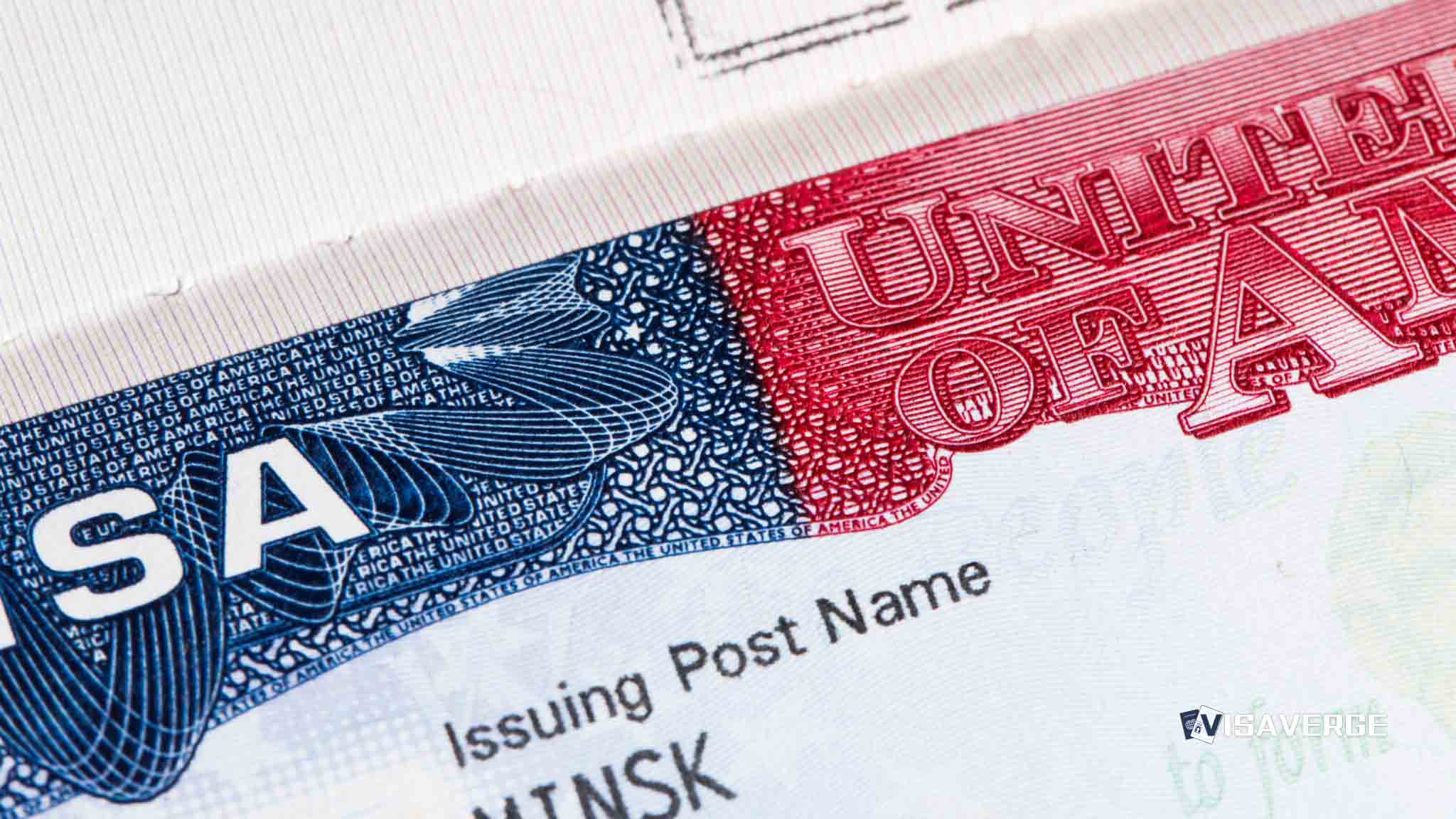
The pause applies to immigrant visas, which are used for permanent residency, and explicitly excludes nonimmigrant categories such as B-1/B-2 tourist visas and J-1 exchange visitor visas that most World Cup visitors use for temporary stays.
A state department memo and related announcements describe the pause as targeting immigrant visa cases where an applicant is deemed likely to rely on U.S. public benefits, a standard referred to as the “public charge” rule.
Consular officers are instructed to refuse those immigrant visa applications until a vetting reassessment is completed, the memo and announcements indicate.
Scope and distinction between immigrant and nonimmigrant visas
The exclusion for short-term travel is central for fans planning to attend matches in the United States during June-July 2026, when the tournament is scheduled to be co-hosted by the United States, Canada and Mexico.
Most spectators travel on temporary entry pathways rather than immigrant visas, and the reported pause does not cover those tourist and business categories, according to the same guidance.
The State Department’s messaging emphasizes “immigrant visa processing” as the focus, with a White House X post and State Department statements pointing to that limited scope.
That distinction matters for families and employers with cases in the immigrant visa pipeline, where processing can be tied to family-based or employment-based permanent residency routes, and where a pause can affect when a visa is issued.
Practical effects for applicants and travelers
It also matters for travelers trying to separate ordinary visitor travel from longer-term relocation plans, especially for people who may be moving through consular processing abroad rather than applying from inside the United States.
Under the guidance described in the memo and announcements, the pause is framed around immigrant visas and the “public charge” assessment, rather than routine short-term visitor vetting.
In practical terms, consular decision-making in immigrant visa cases can involve scrutiny over whether an applicant might become dependent on public benefits, and the pause is described as directing refusals in those cases pending reassessment.
By contrast, the scope described in the announcements excludes tourist, business and other temporary nonimmigrant visas, including B-1/B-2 tourist visas, which are commonly used for travel tied to events such as the World Cup.
The State Department guidance also excludes J-1 exchange visitor visas, another temporary category referenced in the announcements.
World Cup travel context (2026)
For the 2026 World Cup, the pause’s stated focus on immigrant visa processing means it is not aimed at the core travel documents most fans need for short trips, even as entry requirements still depend on the specific country a traveler will enter.
Because the tournament is co-hosted across the United States, Canada and Mexico, travelers must plan around the entry rules for their destination country, not just the tournament schedule.
World Cup travel also involves groups beyond fans, including athletes, staff and media, whose entry can involve different visa pathways depending on role and purpose of travel.
The reporting notes that prior Trump administration statements exempted “any athlete or member of an athletic team, including coaches, support roles, and immediate relatives” from travel bans, while adding there is no indication this immigrant-visa pause overrides that for fans.
Timing and visas already issued
The State Department guidance also addresses timing questions that often arise when people hear the phrase “visa pause,” especially among travelers who already hold valid documents.
Valid visas issued before January 21 remain unaffected, with no revocations reported in the announcements.
That timing line draws a distinction between someone with a visa already in hand and someone whose immigrant visa application is pending and awaiting a final issuance decision.
Immigrant visa processing pauses typically affect pending issuance decisions more directly than they affect travel on previously issued visas, based on the guidance described in the memo and announcements.
Even so, travel remains subject to inspection at entry, and travelers generally keep their documentation current as part of ordinary travel preparation.
Countries covered and monitoring guidance
The country scope has drawn particular attention because it is described as broad, covering 75 countries, but officials have not released a formal, public list alongside the pause announcement.
Countries referenced in the reports include Afghanistan, Brazil, Egypt, Haiti, Iran, Nigeria, Russia, Somalia, Thailand and Yemen, among others.
References to affected countries can shift as agencies finalize guidance, and travelers and applicants have been urged in the announcements to monitor State Department updates for changes.
As of January 14, 2026, no official State Department country list or exceptions beyond nonimmigrant visas has been released, according to the reports.
The reports also caution against treating circulating country lists as definitive while the government has not released an official list, a dynamic that can add confusion for families trying to plan moves and reunifications around consular scheduling.
Who is most affected
For many readers, the most immediate question is whether a pause tied to immigrant visa processing could spill into short-term travel decisions for the tournament, especially for applicants from countries included in reports about the 75-country scope.
The guidance described in the State Department memo and announcements draws a sharp line: immigrant visa processing is the target, while routine short-term categories like B-1/B-2 tourist visas are excluded.
That messaging is likely to shape how travelers plan their timelines, particularly those who are not applying for permanent residency but still need a visa appointment and adjudication for a visitor visa.
At the same time, families pursuing immigrant visas can face uncertainty because the pause is linked to “public charge” screening and a vetting reassessment, which can affect when a case moves to issuance.
Applicants in the immigrant visa pipeline may also try to understand what consular officers are being instructed to do when public benefits reliance is a concern, because the guidance described in the memo indicates refusals until reassessment.
Practical advice and steps
- Keep track of whether your case is an immigrant visa or a nonimmigrant visa (such as B-1/B-2 or J-1).
- For those with immigrant visa cases, gather documentation on financial sponsorship or support that may be relevant to public charge review.
- Monitor official State Department updates for any released lists of covered countries or changes to implementation timelines.
- If you hold a valid visa issued before January 21, 2026, note that announcements indicate those visas remain unaffected.
Immigrant visa applicants may need to prepare for delays tied to additional screening and reassessment, keeping careful records of their case and any financial sponsorship or support information that may be relevant to “public charge” review.
The pause, as described, places immigrant visa processing at the center of the policy, while leaving ordinary short-term travel categories outside its stated scope, a distinction that will shape how travelers and immigrant visa applicants approach the months leading into June-July 2026.
The U.S. will pause immigrant visa processing in 75 nations from January 2026 to tighten ‘public charge’ screenings. While permanent residency cases face delays, short-term travel for the 2026 World Cup remains stable. Nonimmigrant visas like tourist and business permits are explicitly excluded from this pause. Travelers with existing valid visas are unaffected, though pending immigrant applications in covered regions will face temporary refusals during the reassessment period.