


- A valid visa or ESTA does not guarantee entry into the United States.
- CBP officers have increased secondary inspections and biometric screenings for foreign travelers.
- Inconsistent travel stories or problematic digital content frequently trigger border denials.
(UNITED STATES) Foreign tourists are facing tougher checks at U.S. borders, and Customs and Border Protection officers still hold the final say on entry. A valid visa or ESTA approval does not guarantee admission at ports of entry.
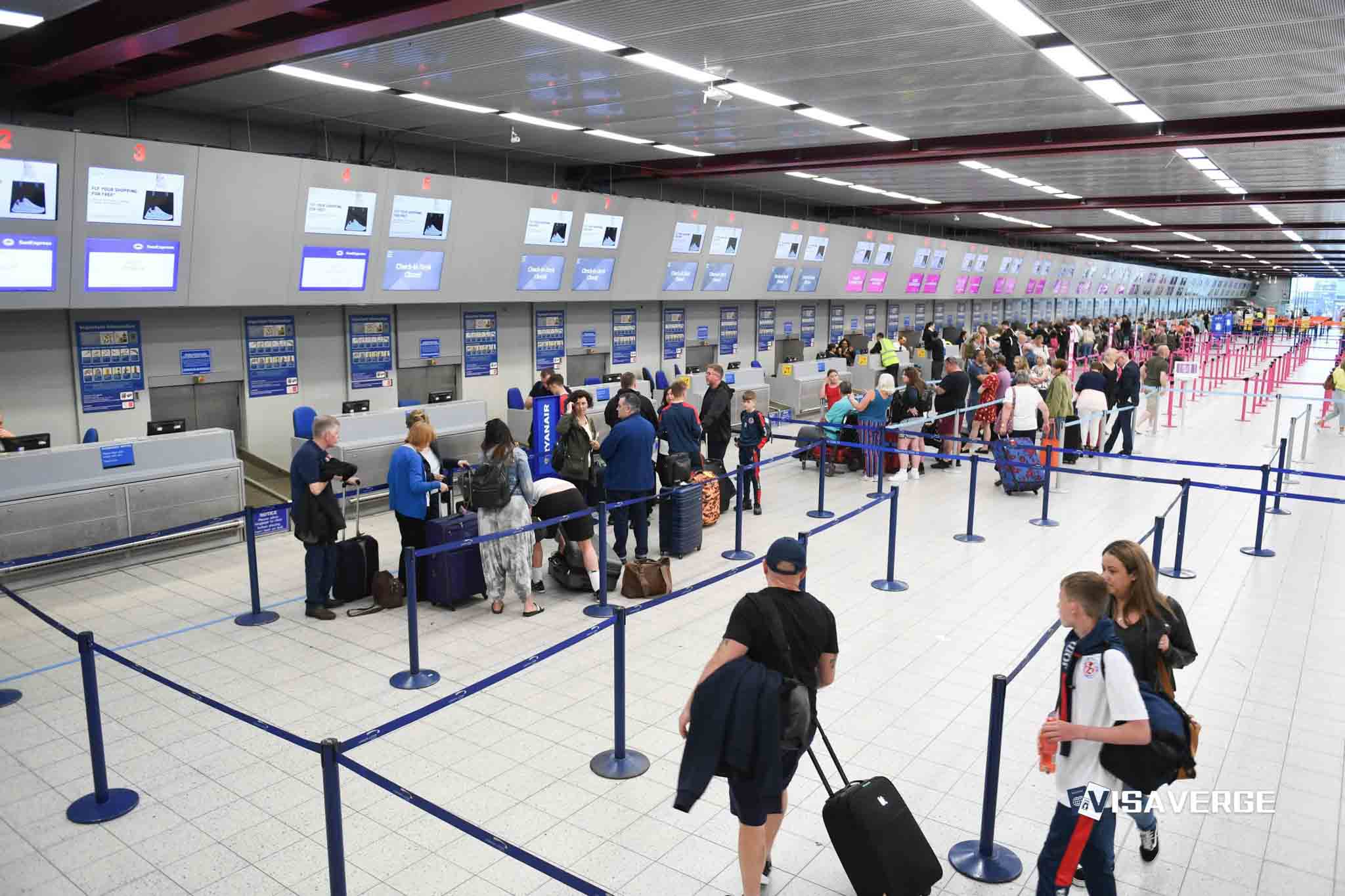
The tightened approach has pushed more travelers into secondary inspection, where officers question them further, check databases, and review phones or laptops. Recent biometric screening rules have also made record mismatches easier to spot, which means even small errors can lead to delays or denial.
How entry now works at airports, land borders, and seaports
Every arrival begins with an inspection by Customs and Border Protection. Officers decide whether a visitor is admissible, credible, and consistent with the stated purpose of travel. They do this at airports, land crossings, and seaports.
That authority has long existed, but enforcement in 2026 has become stricter. CBP now refers more people to secondary inspection, especially when travel plans do not line up with the visa application or with the answers given at the booth.
Secondary inspection is not a room for paperwork only. Officers can question travelers for hours, compare records in TECS, collect fingerprints and photos, and examine electronic devices. In many cases, the process begins because one system shows a detail that another system does not.
The expanded Biometric Entry/Exit program, effective December 26, 2025, now requires facial and other biometrics for non-U.S. citizens at major entry and exit points. That has increased the chance that a new visa, old overstay, or name mismatch gets flagged right away.
What usually sends a tourist to secondary inspection
The most common trigger is a travel story that sounds incomplete or shifts during questioning. Officers want to know where the traveler is staying, who is paying, when the person will leave, and why the trip makes sense. A vague answer often raises more questions.
Prior immigration issues also matter. A past visa overstay, an earlier denial, or missing entry and exit records can trigger extra review. Newer systems surface those records faster than before, so a problem from years ago can still show up at the border.
Electronic devices are another common source of trouble. CBP Directive 3340-049A allows basic searches without suspicion and advanced searches with supervisory approval for national security concerns. Messages, photos, social media posts, and financial records can all be reviewed.
Document mismatches also slow people down. A hotel booking that does not match the spoken itinerary, a passport typo, or visa details that have not fully synced with a database can all trigger a hold. Recent visa renewals are a common source of delay.
Behavior matters too. Nervousness, long pauses, or answers that keep changing can make officers ask more questions. VisaVerge.com reports that this pattern has become more common as staff have shifted attention from the southwest border to air travel hubs.
What officers can ask for at the border
At the border, the law gives CBP wide room to question travelers. Officers can ask about purpose of travel, work, family, finances, and ties to the home country. They can also ask to see a device password or ask a traveler to unlock a phone or laptop.
Officers may run repeated database checks and use biometric screening during the inspection. They can keep a device for a short period and can place it in airplane mode to block cloud access. They cannot force cloud access, and they cannot search beyond the border rules just because a traveler refuses to answer every unrelated question.
Travelers do not have a right to enter simply because they hold a valid visa or ESTA approval. At ports of entry, the final decision always belongs to Customs and Border Protection. If officers believe a traveler is not admissible, they can deny entry, send the person to secondary inspection, or place the person in detention.
When detention becomes part of the process
Most tourists are not detained for long, but detention does happen when officers believe a traveler may be inadmissible. In those cases, the person may be transferred to Immigration and Customs Enforcement custody.
ICE held 68,289 people in detention across 212 facilities on February 7, 2026. The number reached 68,990 on January 7, 2026. Most of that growth involved people without criminal convictions who were flagged during border encounters.
That matters for tourists because a routine arrival can turn into a long delay, then into custody, and then into an expensive return trip home. Families often learn about the problem only after the traveler has already disappeared into the system.
How tourists can cut the risk before flying
Preparation helps. Travelers should carry printed copies of the passport, ESTA approval or visa details, return ticket, hotel reservation, proof of funds, and a letter from an employer or school if it helps show ties at home.
Digital behavior matters before departure too. Review phone content, delete anything that could confuse the purpose of the trip, and keep travel plans simple and consistent. Officers have become far more alert to social media posts that suggest work, study, or long stays.
Answers should match the application. If the form says tourism for 10 days, the interview should say tourism for 10 days. If the traveler plans to stay with friends, that should be clear before arrival.
Timing also matters. Travelers arriving right after a visa renewal or another status change should expect more checks if records have not fully updated. A small delay at the airport is better than a mismatch that leads to denial.
What to do inside secondary inspection
Secondary inspection calls for calm, short, honest answers. Arguing, guessing, or changing the story only makes things worse. If the questioning becomes aggressive, travelers can ask to speak with a supervisor or request consular contact.
If a device is taken, the traveler should ask for a receipt. CBP typically returns the device within five days, though the review can take longer. Travelers should also keep copies of important files outside the device before leaving home.
If entry is denied, the traveler usually returns on the next available flight or is sent back through the land border. A hearing is not guaranteed unless the person is seeking asylum. That is why embassy contact matters immediately after a denial.
A border system built for speed and scrutiny
The current pattern reflects a broader enforcement shift. Officers are moving faster to flag risks, and biometric screening is now part of that daily work at many entry points. That makes the process more efficient for the government, but less forgiving for travelers who arrive unprepared.
For tourists, the message is plain. Customs and Border Protection does not treat a visa stamp as a promise of entry. At ports of entry, the officer’s judgment controls, and the smallest inconsistency can become the reason for hours of questioning. The official CBP guidance at CBP’s traveler information page remains the best public reference for entry rules and border procedures.
Country advisories from Germany and Australia have repeated the same warning: ESTA and visas are travel documents, not guarantees. That warning now reflects the reality many visitors face on arrival, where the border check begins before the vacation does.



Just simple Fear mongering article!