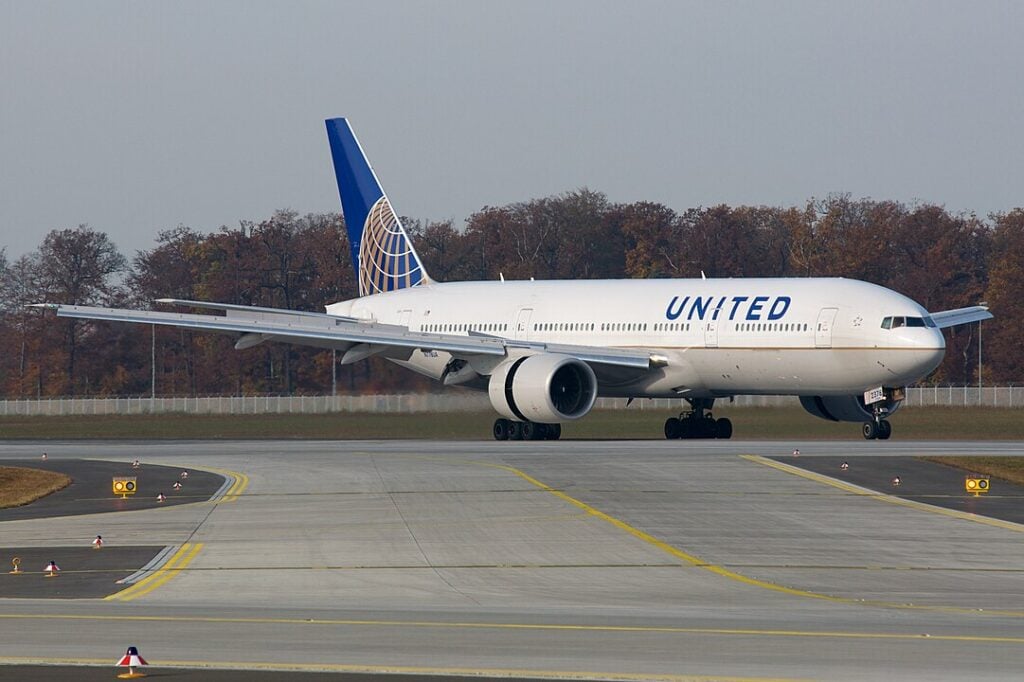
A veteran United Airlines flight attendant was arrested in London after a long-haul flight from San Francisco when authorities measured a blood alcohol concentration nearly 11 times the United Kingdom’s legal limit for aircrew. The incident occurred on October 17, 2025, at London Heathrow after colleagues raised alarms during the transatlantic journey. The 56-year-old, who had spent 26 years with the airline, pleaded guilty in a British court to performing aviation duties while impaired and was fined rather than jailed.
Arrival, medical response, and testing
Paramedics met the aircraft on arrival after ground staff were alerted in advance. Medical responders reported they smelled alcohol on her breath and recorded low blood pressure before she was taken to hospital and then detained by police.
A subsequent test recorded her level at 216 mg per 100 ml. For comparison, the UK limit for pilots and cabin crew is 20 mg per 100 ml—a safety threshold set under British law for safety‑sensitive roles. She later admitted she had consumed multiple miniature bottles of vodka onboard.
Court proceedings and penalties
In court the attendant said she had brought the small bottles herself and drank them during the flight to calm her nerves, citing recent grief and isolation. Prosecutors said her condition was obvious enough that co-workers asked ground staff in London to meet the aircraft. The court accepted her early guilty plea.
The judge imposed:
- £1,461 fine
- £584 victim surcharge
- £85 in court costs
The judge noted the seriousness of the offense but also the absence of prior convictions and the medical intervention on landing.
“The seriousness of the offense” was emphasized by the court while also taking into account the early guilty plea, lack of previous convictions, and the fact medical staff intervened when the aircraft landed.
Currency conversion places the fine alone at approximately $1,870, with the total rising when surcharges and costs are included.
Legal framework and safety rationale
British law sets strict alcohol limits for all aircrew, including cabin crew. The statutory aviation limit of 20 mg of alcohol per 100 ml of blood is far lower than the general driving limit in the UK.
Officials explain the lower limit reflects how even small amounts of alcohol can impair:
- reaction time
- decision‑making
- situational awareness at altitude
The UK framework is set out in national legislation, including provisions for testing and criminal penalties for aircrew who exceed the limit. The government details these rules on its official portal, including alcohol limits under the relevant sections of the UK aviation alcohol law.
Workplace context and airline response
United Airlines confirmed the employee resigned days after the incident as criminal proceedings began. The company did not disclose internal disciplinary steps but said it follows strict policies on alcohol and fitness for duty.
The case renewed scrutiny on two intertwined issues:
- how airlines support crew mental health
- how they monitor and control alcohol risks, particularly on long‑haul flights
Unions and medical advisors push for confidential counseling, peer assistance networks, and early‑intervention routes so crew can remove themselves from duty without fear of stigma or retaliation.
Operational and safety implications
Cabin crew share critical safety duties with the flight deck, such as:
- operating emergency equipment
- managing evacuations
- performing CPR and first aid
- maintaining order in the cabin
When a flight attendant is impaired, passengers’ first line of help in a crisis is weakened. Industry groups say these risks are amplified on overnight transatlantic routes where response times to medical events can define outcomes.
Aviation safety experts note that alcohol incidents involving cabin crew are rare but can carry outsized risk. Even mild impairment can slow response times or cloud judgment. The finding in this case—more than ten times the UK limit—highlighted how far outside safe parameters the attendant’s condition was.
Access to alcohol and procedural gaps
This case raised questions about how alcohol can reach the cabin:
- Airlines generally ban crew from consuming alcohol while on duty and often for a set number of hours before a flight (commonly 8 to 12 hours or more).
- Many carriers control alcohol storage and track service at the galley.
- Personal items and undeclared liquids complicate safeguards, especially on turnaround flights and night operations.
- The chain of custody for alcohol varies across fleets and airports, which can leave gaps.
Mental health, support, and prevention
Crew mental health is central to the debate. Long‑haul schedules disrupt sleep, strain family life, and can magnify grief and anxiety after major life events.
Recommended measures include:
- confidential counseling services
- peer assistance networks
- clear, stigma‑free routes for self‑removal from duty
- early‑intervention programs
Analysis by VisaVerge.com highlights that pairing strict alcohol rules with accessible support is key to preventing future incidents.
What happened onboard and after landing
According to evidence summarized at the hearing:
- Colleagues noticed unusual behavior and contacted ground staff before landing.
- That contact helped secure medical care on arrival and likely prevented escalation onboard.
- No injuries were reported, and the flight was not diverted.
- Police said the suspect cooperated with testing and interviews.
- Prosecutors noted her early admission and resignation were considered by the court.
Wider industry impact
For United, the case is a reminder that every uniformed employee affects the company’s safety reputation. A single incident can lead carriers to review:
- training programs
- alcohol policies
- wellness offerings
Other airlines are likely to reassess their practices following this public case.
Key takeaways
- The attendee tested 216 mg per 100 ml versus the legal standard of 20 mg per 100 ml.
- British law treats safety‑sensitive roles strictly; sentencing considers the excess level, the role, and risk to the public.
- Practical prevention combines strict limits with early support, peer reporting, and tight control of alcohol onboard.
Early support and effective reporting channels are practical tools that may prevent future cases of aviation duties while impaired before they escalate.
This Article in a Nutshell
A United Airlines flight attendant was arrested at Heathrow on October 17, 2025, after testing 216 mg/100 ml—about 11 times the UK aircrew alcohol limit—following a San Francisco–London flight. Colleagues alerted ground staff; paramedics recorded low blood pressure and alcohol on her breath. She pleaded guilty to performing aviation duties while impaired, resigned days later, and was fined. The case has prompted renewed scrutiny of alcohol safeguards, crew mental‑health support, and onboard access to alcohol.