- United Airlines issued travel waivers for passengers following a major power outage and FAA ground stop in Denver.
- The disruption coincided with Winter Storm Iona, causing over 3,500 cancellations and 6,300 delays nationwide in one day.
- Airlines and airports faced extreme operational strain due to the combination of infrastructure failure and severe national weather.
(DENVER, COLORADO) — United Airlines responded after an FAA ground stop at Denver International Airport disrupted hundreds of its flights following a power outage at the airport, adding to a week of strain across the U.S. air travel system.
The carrier said the disruption was linked to an FAA ground stop at Denver International Airport, and the effect spread quickly through departures, arrivals and connecting traffic at one of United’s busiest hubs. For travelers moving through Denver, the outage hit during a period when the national network was already under pressure.
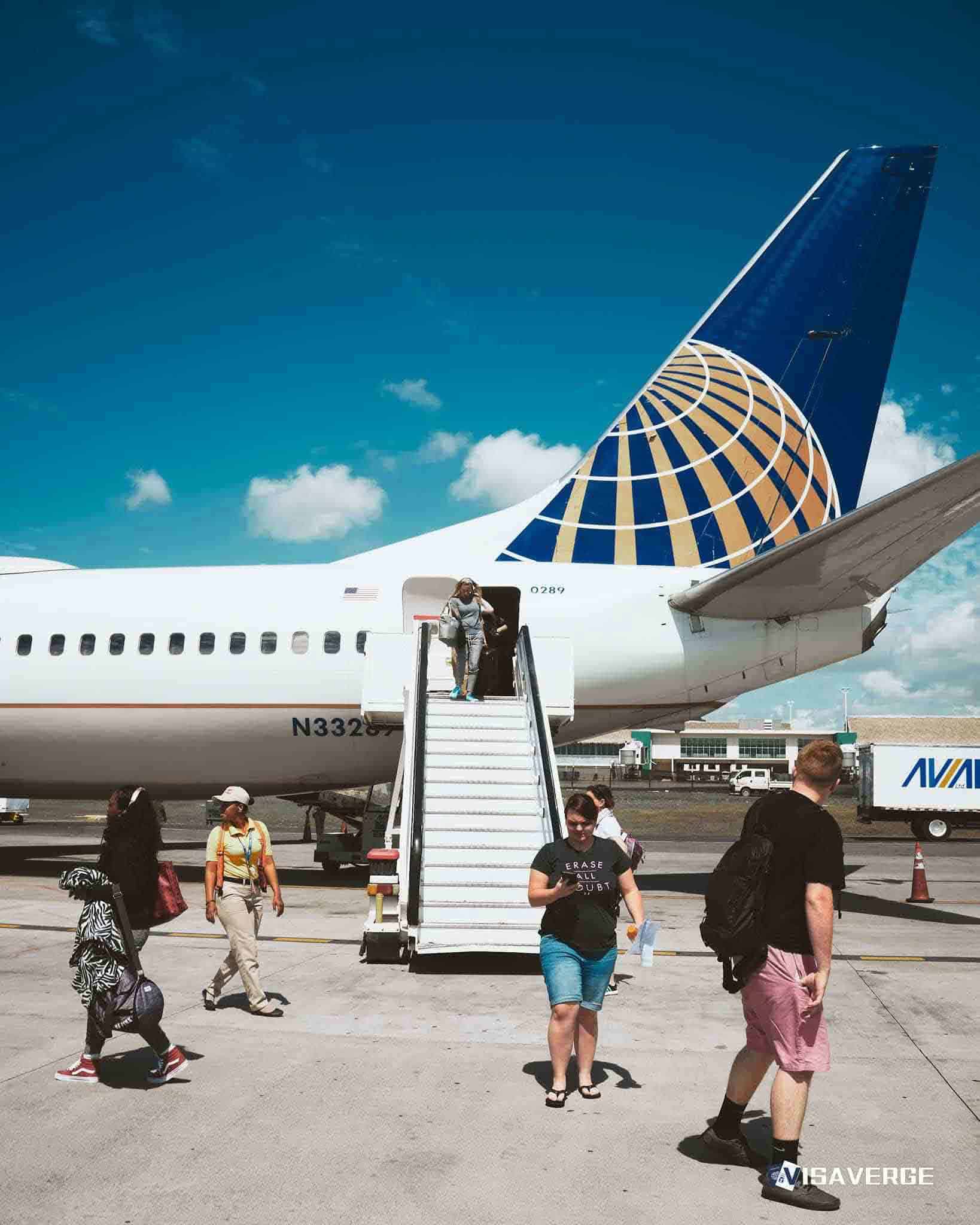
United’s response mattered immediately because Denver is a central connecting point for the airline. When flights slow or stop there, passengers scheduled to depart from Denver, land there or connect through the airport can all feel the impact within hours.
The Denver disruption came in a volatile travel week, but the airport’s power issue stood apart from the weather problems affecting other parts of the country. Even so, it landed at a moment when airlines and airports were already managing cancellations, delays and operational strain tied to Winter Storm Iona and related conditions.
United also issued a waiver for travelers caught up in disruptions during the period from March 11 to March 19, 2026. Under that waiver, eligible customers can rebook without change fees or fare differences if the replacement itinerary remains on a United-operated flight, in the same cabin and between the same cities as the original booking.
The airline said customers can rebook through the United app or by calling United at 1-800-864-8331. The waiver expires at midnight on March 19, 2026.
That flexibility offers a narrow but direct path for affected passengers. It lets customers move travel plans without extra charges, but only if they stay within United’s conditions on routing, cabin and operating carrier.
For travelers facing missed connections or delayed departures, those rules mean not every alternate itinerary qualifies. A customer who switches cities, changes cabin or moves to a different airline would fall outside the waiver as described on United’s website.
Winter Storm Iona had already been affecting air travel since March 13, 2026. Weather-related disruptions were unfolding nationally, not only in Denver, and the broader system was also dealing with an East Coast tornado threat.
That wider pattern helps explain why the Denver outage drew so much attention. The power problem at Denver International Airport was distinct from the storm system, but it happened during a week when many airports and airlines were already operating under stress.
Across the country, the week produced repeated signs of strain. Atlanta Hartsfield-Jackson recorded over 500 total cancellations, the highest of any U.S. airport during the period from March 13 to March 19, 2026.
On the airline side, Southwest Airlines posted 1,129 delays on Wednesday, March 18, the worst single-carrier delay total in the period cited. That figure illustrated how the effects of bad weather and network pressure extended beyond one airport or one airline.
Monday, March 16, stood out as one of the week’s hardest days for the system. Airlines recorded 3,500 cancellations and 6,300 delays nationwide.
Several large airports absorbed heavy hits that day. Chicago O’Hare had nearly 500, Atlanta had 300+, and John F. Kennedy had 230+ disruptions.
Ground stops also affected Atlanta, Charlotte and Reagan National. Beyond those airport-specific actions, the broader storm system produced 1,800+ cancellations.
Those numbers show a system feeling pressure on multiple fronts at once. Denver’s power outage interrupted United’s operation at a large hub, while weather drove delays, ground stops and cancellations across distant parts of the country.
For passengers, the distinction between a power outage and a storm often matters less than the result on the departure board. A single breakdown at a hub can ripple outward, and when that happens in the same week as a nationwide weather event, recovery can take longer.
By Thursday, March 19, the picture had shifted from disruption toward recovery, though not all airports were seeing the same conditions. The national system was improving, but local issues still mattered.
Orlando International was operating normally on March 19, with no ground delays and no weather advisories reported. The airport was also handling 7.4 million passengers during this Spring Break period, a reminder that heavy passenger volume can coexist with operational stability.
Security waits at Orlando ranged from 11–45 minutes. Even with spring break traffic, that airport offered a contrast to the earlier part of the week, when cancellations and delays dominated the national picture.
Elsewhere, FAA updates still showed weather-related concerns. The agency reported low visibility forecast at Minneapolis-Saint Paul and low clouds at Seattle.
That mix of conditions pointed to an uneven recovery rather than a full return to normal everywhere. Some airports moved through the day without broad disruption, while others still faced localized weather risks that could affect schedules.
For travelers, that meant the broad national emergency phase had eased, but airport-by-airport monitoring remained necessary. Conditions in one city could look stable while another location still faced clouds, visibility issues or lingering network effects from earlier interruptions.
Denver fit into that uneven picture. United’s operation there had to absorb the direct effect of the FAA ground stop and then reconnect passengers moving through the carrier’s broader network.
The week also produced visible signs of passenger hardship. A man was photographed sleeping in baggage claim at Reagan National, an image that captured how quickly travelers can become stranded when cancellations, delays and airport restrictions pile up.
That human impact formed part of the backdrop as airlines and airports worked through the disruptions. Missed connections, overnight waits and uncertain rebooking options can spread well beyond the first airport affected.
The strain on the travel system also drew attention from the industry. Airlines including United signed an open letter to Congress on disruptions.
Separately, Orlando International held a food drive for unpaid TSA workers during the DHS shutdown, which had reached Day 35. That episode added another layer of pressure to a travel system already dealing with weather, staffing demands and heavy passenger volumes.
Together, those developments showed how operational problems in air travel rarely stay confined to one cause. A power outage in Denver, storms across several regions, congressional pressure and strain on airport workers all fed into the same weeklong picture of a system under load.
United’s waiver gave some passengers a way to adjust plans before the deadline, but only within strict limits. Because the new trip must remain on a United-operated flight, in the same cabin and between the same cities, travelers still had to work within the airline’s available inventory and schedule.
That can matter during a week when seats fill quickly after widespread disruption. Even when airlines waive fees and fare differences, customers still depend on the network’s ability to absorb rebookings.
Passengers looking for updates as delays ease are turning to the FAA’s real-time flight information and to United’s travel alerts page. The FAA’s flight status page remains one of the clearest public snapshots of ground stops, delays and airport-specific conditions.
United’s travel alerts page serves a different purpose, focusing on whether the airline has issued waivers or other operational notices for affected customers. Used together, those sources help travelers track both the airport environment and the airline’s response.
By late March 19, the week’s story was no longer only about a single outage or a single storm cell. It was about how quickly disruption can spread through a tightly connected network, and how airlines, airports and passengers try to recover when a Denver power outage collides with a national week of storms, ground stops and crowded terminals.