- A federal judge issued an emergency order blocking ICE from arresting lawfully admitted refugees in Minnesota.
- The ruling halts Operation PARRIS, which targeted 5,600 refugees admitted under the Biden administration.
- Judge Tunheim ordered the immediate release of detainees sent to Texas, citing their legal right to live peacefully.
(MINNESOTA) — U.S. District Judge John R. Tunheim issued an emergency order on Wednesday night blocking ICE from arresting or detaining refugees in Minnesota who lack green cards but were lawfully admitted through the Refugee Admissions Program.
The ruling halted Operation PARRIS, a Trump administration initiative launched earlier this month targeting 5,600 new refugees admitted under President Biden, who underwent extensive vetting but are not yet lawful permanent residents.

Tunheim ordered the immediate release of any detained refugees and their return to Minnesota homes. He said they
“are not committing crimes on our streets, nor did they illegally cross the border” and have “a legal right to be in the United States, a right to work, a right to live peacefully — and importantly, a right not to be subjected to the terror of being arrested and detained without warrants or cause in their homes or on their way to religious services or to buy groceries.”
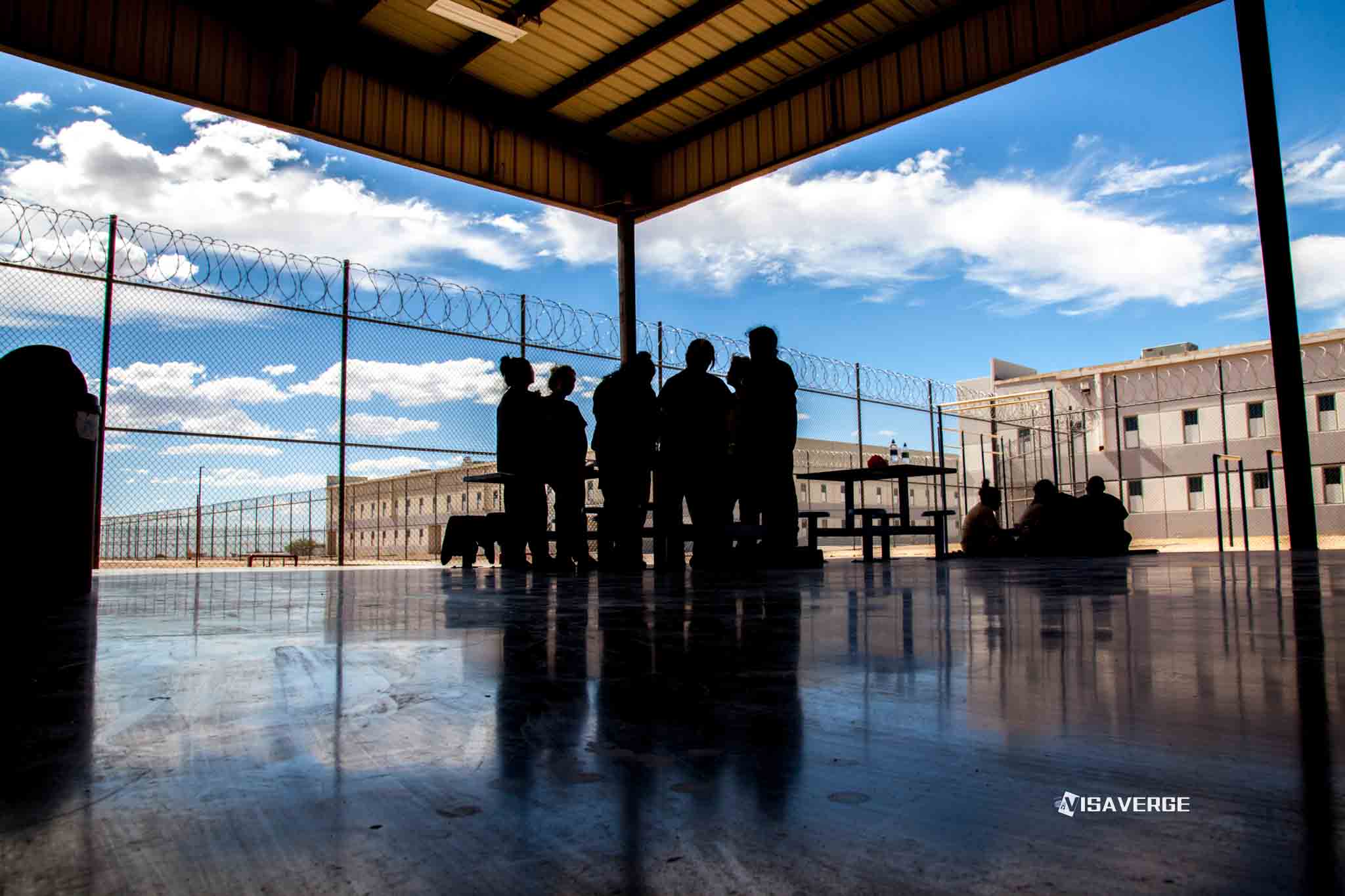
A class-action lawsuit accused ICE agents of “hunting” refugees at check-ins, workplaces, schools, and doorsteps without warrants. The suit also alleged agents shackled people and sent them over 1,200 miles to a Texas detention center despite no deportation orders or flight risks.
Lawyers for the plaintiffs argued the operation stems from presidential “animus” toward Somali immigrants. The filings cited Trump calling Somali immigrants “garbage” from “hell,” and referenced fraud cases in Minnesota‘s Somali community of about 80,000, described as mostly legal residents or citizens.
Tunheim framed his ruling around the refugees’ lawful presence and the way they entered the United States. He noted refugees were “carefully and thoroughly vetted” due to persecution in their home countries.
“At its best, America serves as a haven of individual liberties in a world too often full of tyranny and cruelty,” Tunheim wrote. “We abandon that ideal when we subject our neighbors to fear and chaos.”
The emergency order bars arrests in Minnesota when the stated reason is that a person is a refugee who has not yet adjusted to lawful permanent resident status. The judge’s order remains in effect pending a wider injunction.
In practical terms, the order targets the enforcement approach tied to refugees’ immigration paperwork rather than alleged criminal conduct. It does not legalize anyone anew, but it blocks arrests and detention in Minnesota based on the absence of green cards for refugees who were lawfully admitted.
Tunheim’s order also sets out immediate relief for people already taken into custody under Operation PARRIS. It requires release and return to Minnesota homes, an operational directive meant to take effect at once.
Operation PARRIS, as described by USCIS, involves a “sweeping initiative reexamining thousands of refugee cases through new background checks.” DHS called Minnesota “ground zero for the war on fraud,” placing the state at the center of the administration’s stated rationale.
The initiative tied into a broader shift the Trump administration pursued on immigration, including canceling protections for ~1 million Biden-era immigrants and overhauling refugee admissions. That overhaul included a cap of 7,500 annually, down from 125,000, and prioritizing white South Africans.
Minnesota‘s role in the dispute extended beyond the number of refugees involved. The filings and government statements in the case both pointed to fraud concerns, and the lawsuit placed special emphasis on the impact in Somali Minnesotans’ communities.
Tunheim‘s order landed minutes after a separate court development involving ICE conduct in the state. Clinton appointee Chief Judge Michael Schiltz, identified in the filings as a Bush appointee, listed nearly 100 court order violations by ICE in January 2026 during Operation Metro Surge.
“ICE has likely violated more court orders in January 2026 than some federal agencies have violated in their entire existence,” Schiltz wrote.
Other litigation over ICE actions in Minnesota also remained active. Separate lawsuits involve an Ecuadorian detainee, Juan Tobay Robles, who has been released, a class-action on detainees’ rights at a Minneapolis federal building, and a state-city suit against the immigration surge.
Global Refuge condemned the arrests as an “unprecedented and deeply alarming escalation.” Further rulings remained pending, with Tunheim‘s emergency order in place as the immediate check on Operation PARRIS in Minnesota.