- Former Syracuse basketball player John Bol Ajak is currently held in ICE custody in Pennsylvania.
- Ajak’s student visa expired following graduation, leading to ongoing federal removal proceedings this March.
- Advocates and former coach Jim Boeheim expressed concern over Ajak’s transition from athlete to homelessness.
(PHILIPSBURG, PENNSYLVANIA) — U.S. Immigration and Customs Enforcement detained former Syracuse University basketball player John Bol Ajak and held him on Monday at the Moshannon Valley Processing Center, according to details confirmed by federal immigration authorities and reported by local outlets.
ICE confirmed Ajak’s detention as of March 9, 2026, and identified the facility in Philipsburg, Pennsylvania, as his current location. Initial processing occurred at the Buffalo Federal Detention Facility in Batavia, New York.
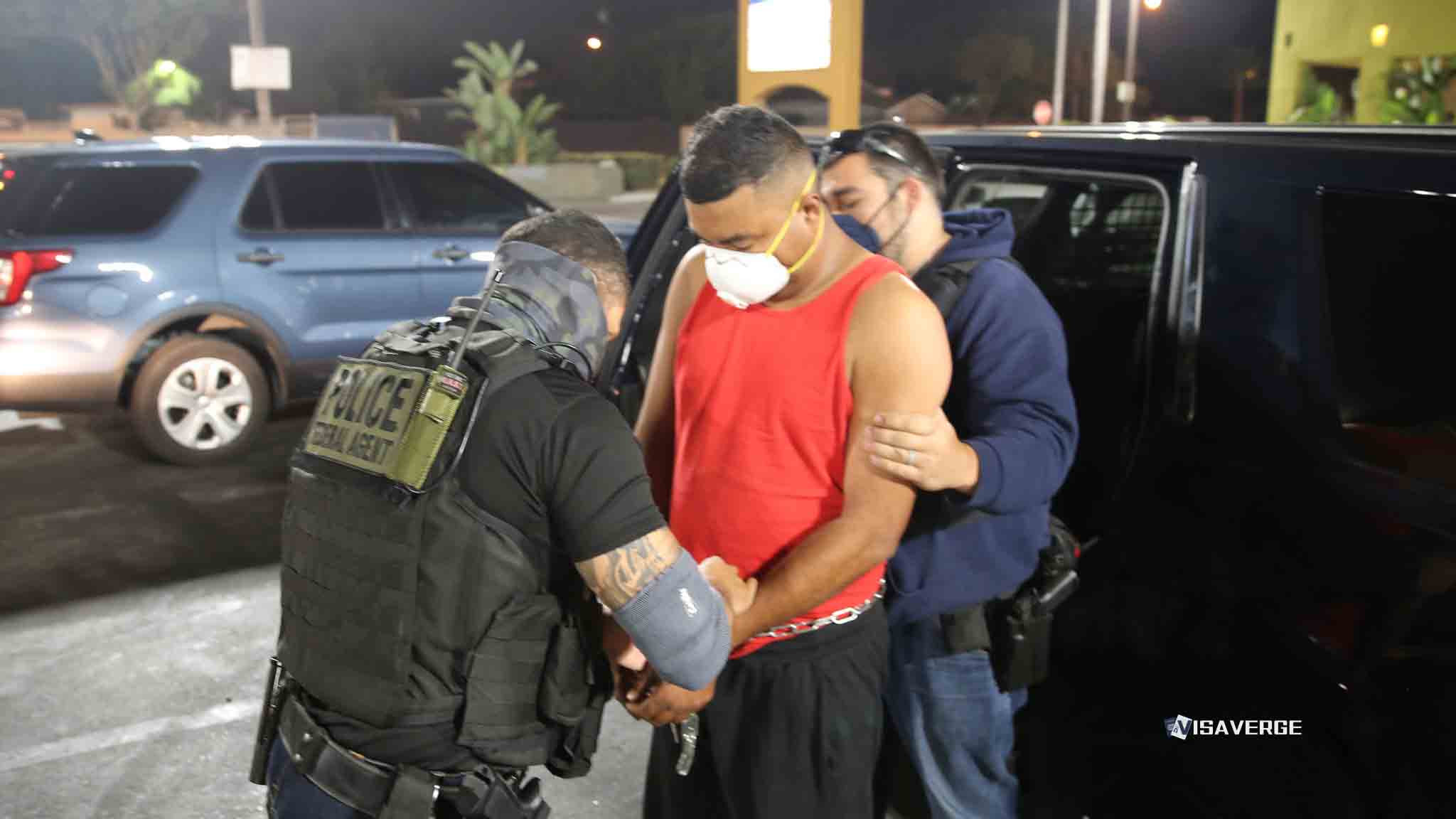
Developments in Ajak’s case have moved quickly through local and federal systems, with public information emerging through a mix of local court activity, university background materials and federal agency confirmations. ICE has not issued a standalone public press release dedicated solely to Ajak, but the agency confirmed to local news outlets, including Syracuse.com, that it took him into custody after his student visa expired and after a series of local legal complications.
Ajak, 26, played for Syracuse from 2019 to 2023. He is in ICE custody while facing removal proceedings, a federal immigration process that can result in an order to remove a person from the United States.
Federal authorities put his detention date at approximately March 5, 2026, based on information confirmed to local outlets. ICE also confirmed his movement through two detention locations, with initial processing in Batavia followed by detention in Philipsburg.
The agency’s confirmation came as the Department of Homeland Security promoted a broader early-2026 initiative titled “Making America Safe Again,” which has included increased ICE enforcement actions and frequent press releases about arrests of “criminal aliens” across the country. DHS has published those agency-wide updates through its public channels, including its press releases.
ICE’s own public-facing enforcement updates appear through its newsroom. No ICE press release focused solely on Ajak appeared in the information provided, even as the agency confirmed the case details to local outlets.
The case has not yet produced a full public accounting of the immigration court timeline, including a hearing schedule or other case milestones, based on what ICE confirmed and what local coverage has described. Those details often remain limited in public view as proceedings unfold.
Ajak’s detention follows a period of reported immigration status problems after the end of his undergraduate studies. His student visa expired after he completed his undergraduate degree in December 2022, the information provided said.
The same reporting said Ajak attempted to enroll in graduate courses at the S.I. Newhouse School of Public Communications, but “he did not maintain a valid immigration status.” The provided account did not describe a new status being granted after that attempt.
Removal proceedings generally begin when the government brings a case in immigration court alleging a person is removable under U.S. law. The process can involve an initial court appearance and later hearings, and it can also include custody decisions about whether the person remains detained or can seek release while the case continues.
Ajak’s path into federal custody followed a series of campus-related arrests and court events in Syracuse, New York, that occurred between December 2025 and February 2026, according to the information provided.
The first listed arrest occurred on Dec. 17, when Ajak faced charges of resisting arrest and disorderly conduct near the JMA Wireless Dome. The summary did not include additional case details beyond those charges.
A later incident took place on Jan. 30/31, described as trespassing at the Newhouse School. The reporting provided did not include further description of what prompted the trespassing allegation.
Another arrest occurred on Feb. 18, when Ajak faced a third-degree criminal trespass allegation at Newhouse, the provided account said.
After the Feb. 18 arrest, Ajak was released on pretrial supervision, according to the summary. Days later, he missed a scheduled court appearance on Feb. 23, 2026, which led to a bench warrant and what the reporting described as his subsequent referral to federal immigration agents.
Bench warrants can be issued when a person fails to appear for a required court date, and the issuance of a warrant can place someone into local custody when they are later located by law enforcement. Once in local custody, an arrest record and custody status can create pathways for contact with federal immigration authorities, depending on the jurisdiction and the circumstances.
ICE confirmed to local outlets that it took Ajak into custody following the visa overstay and the local legal complications described in the reporting. The information provided did not describe additional charges beyond the campus incidents and the missed court appearance that led to the bench warrant.
Ajak’s case also drew attention because of his background as a refugee and student-athlete. He was born in Natinga, South Sudan, and fled civil war as a toddler, the provided summary said.
His childhood included time in a Kenyan refugee camp, according to the account. He later arrived in the United States at age 14 for school and basketball opportunities.
Syracuse University’s athletics site includes biographical details about Ajak as part of his player information. His Syracuse profile appears on the university’s athletics roster page at Syracuse University Athletics (Bio).
Before his detention, reports indicated Ajak experienced homelessness in the Syracuse area, the provided summary said. It described him as couch-surfing with friends after his support systems through the university ended upon graduation.
That instability has become part of the public discussion around his detention, alongside questions about how a former Division I athlete and college graduate ended up in a detention facility hours from the campus where he played.
Jim Boeheim, former Syracuse head coach, reacted publicly after news of the detention emerged. “It was just [overwhelmingly] sad when I heard he got taken. They’re taking good people out of our country,” Boeheim said to the media, according to Syracuse.com on March 6, 2026.
Ajak has also spoken in the past about why he came to the United States, in a statement attributed in the provided summary to an earlier university release. “I want to help kids through school. Me being at Syracuse University was for school. No one brought me here. I didn’t get drafted; I came to the United States because of school,” Ajak said.
Support for Ajak and attention to his case have grown alongside the legal and immigration steps now underway, but public advocacy does not determine immigration court outcomes. Removal proceedings turn on case-specific facts, eligibility for any relief under immigration law, and the record developed in the proceedings.
Ajak remains detained as his case proceeds, according to the information provided. In many removal cases, near-term procedural steps can include an initial hearing and decisions about whether continued detention is required or whether release is possible under conditions set by the court or immigration authorities.
The provided account said Ajak has accrued several non-violent misdemeanor charges and that his student visa has expired. Advocates for Ajak argue he is “at high risk of deportation to South Sudan,” and they described South Sudan as “a country currently experiencing extreme instability and conflict,” according to the summary.
Those concerns have featured prominently in calls for help for Ajak, along with criticism that his trajectory after graduation left him without stable housing or support. The same provided account said advocates argue that the “system failed him” by allowing a college graduate and former representative of the university to fall into homelessness and subsequent immigration detention.
ICE and DHS publish enforcement announcements and broader updates through their public information channels, including the agencies’ websites and related official communications. Readers tracking the case may see updates through agency-wide postings on the ICE and DHS sites, while background on Ajak’s Syracuse career remains available through the university athletics biography page.
Even when agencies confirm a detention and location, case-specific information can remain limited in public view and can change quickly as custody and court processes move forward.