- The Trump administration deported Palestinians to Israel using a luxury private jet owned by a Florida tycoon.
- Deportees were reportedly shackled throughout the flight and dropped off near West Bank checkpoints by armed guards.
- Rights experts argue the operation violates international treaties and the principle of non-refoulement regarding human rights risks.
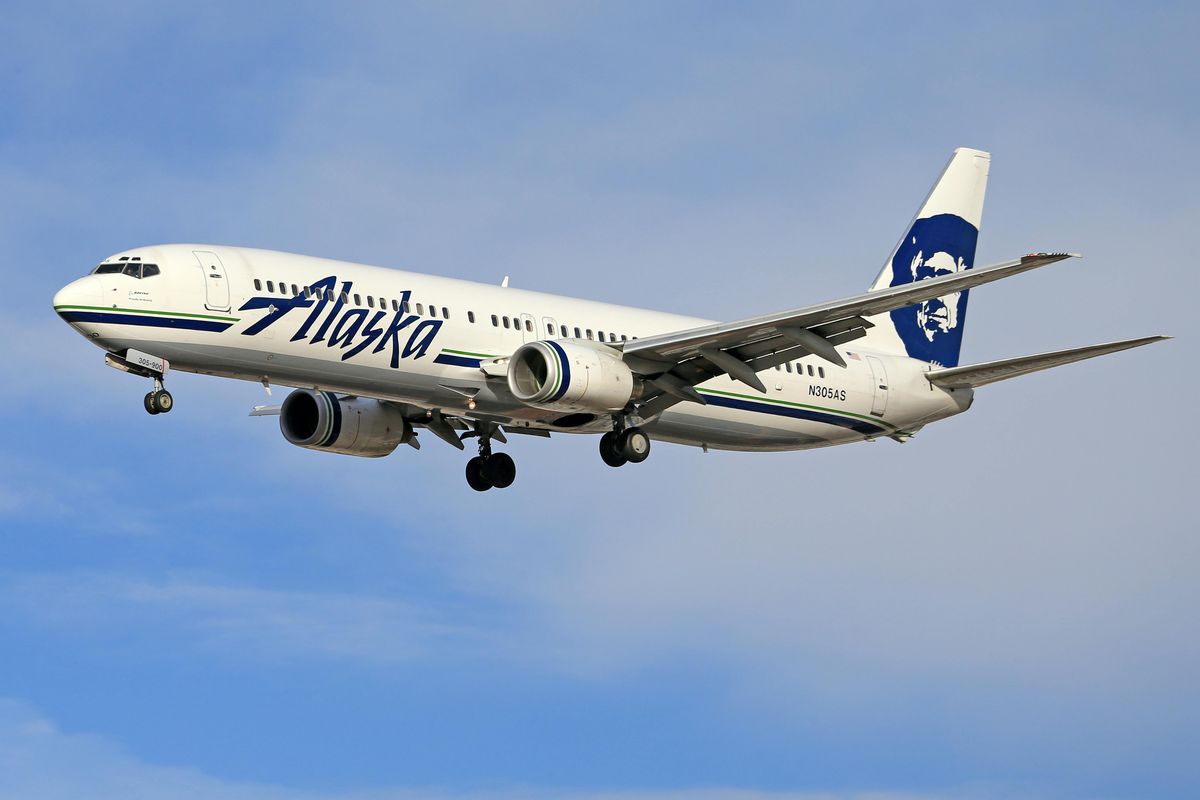
TEL AVIV, ISRAEL — The Trump administration deported Palestinians from the United States to Israel on two private-jet flights arranged through Immigration and Customs Enforcement, using a plane owned by Florida real estate tycoon Gil Dezer, The Guardian and +972 Magazine reported.
The reports said ICE chartered the 16-seat luxury aircraft through Florida-based Journey Aviation, and the jet flew from the U.S. to Ben Gurion Airport in Tel Aviv on both removals.
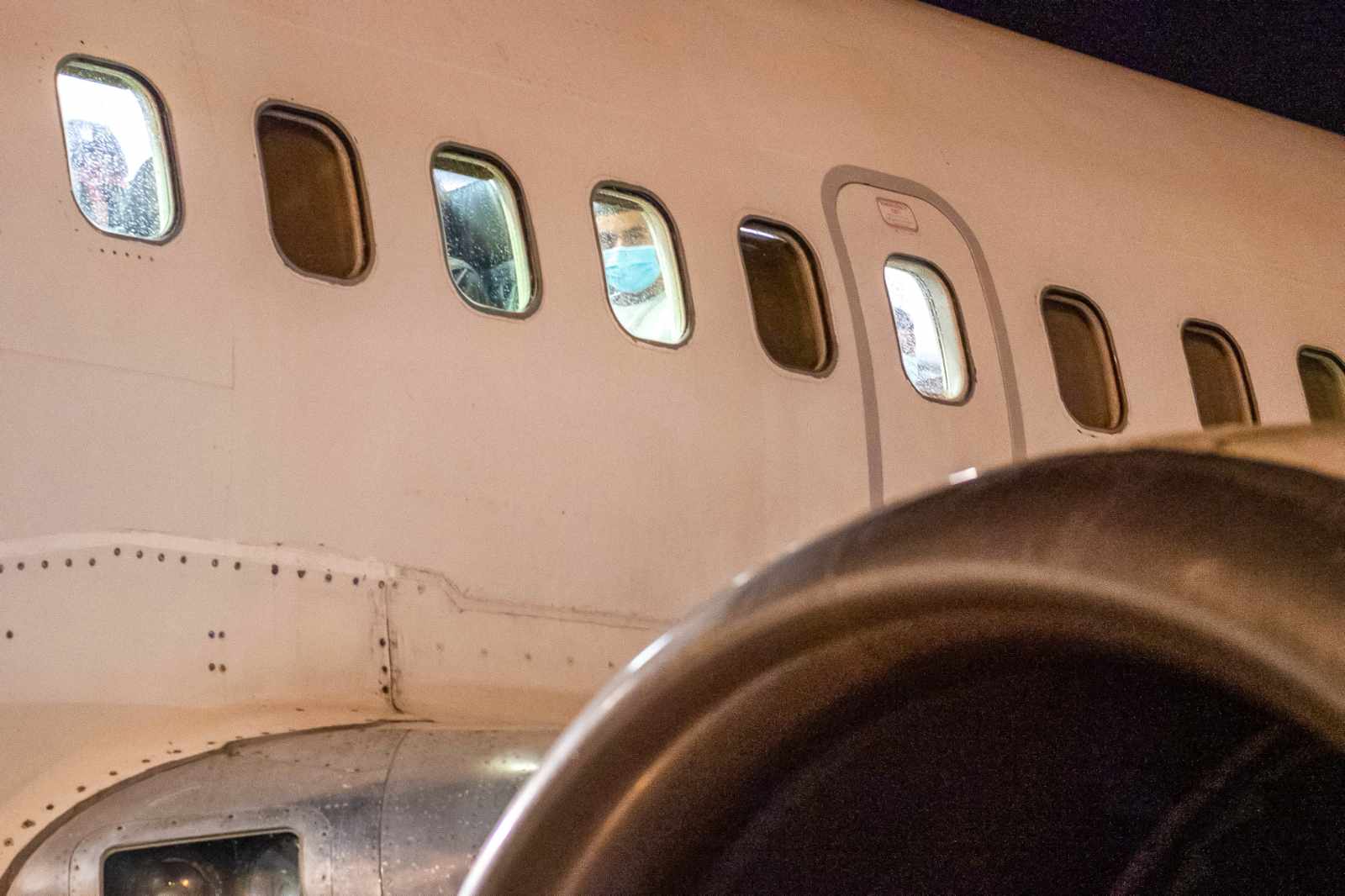
One flight left Arizona on January 21, 2026, carrying eight Palestinian men taken from a Phoenix ICE detention center, the reports said. A second flight followed on Monday, likely January 26, 2026, with the number of Palestinians on board not disclosed.
Gil Dezer said he is “never privy to the names” of passengers or flight purposes, only notified of usage dates. The aircraft is operated by Dezer Development, founded by his father, dual Israeli-American citizen Michael Dezer, according to the reports.
Details about the first flight’s route indicated multiple refueling stops between the United States and Israel, including in Ireland, based on reporting that traced the jet’s movements. The second flight again ended in Tel Aviv, with fewer specifics made public about who was on board.
The accounts described the removals as a “secretive and politically sensitive” operation involving Palestinians sent to Israeli-occupied West Bank territory. The reports said the operation was unusual because Israel typically does not repatriate Palestinians and has expressed interest in their relocation to third countries.
One of the deportees, Maher Awad, 24, from Rammun in the occupied West Bank, said he had lived in the U.S. since age 15 on a tourist visa, obtained a social security number, worked, and paid taxes. His girlfriend and newborn son remain in Michigan, according to the reports.
Awad said ICE kept him shackled during the entire January 21 flight. “I grew up in America. America was heaven for me.” he said, adding, “I was feeling safe and secure in the United States until ICE arrested me.”
“I grew up in America. America was heaven for me.”
After landing at Ben Gurion Airport, Awad said Israeli armed guards met the group and took them toward a checkpoint area in the West Bank. He said the guards dropped them “on the side of the road” near Ni’lin checkpoint.
“They dropped us off like animals on the side of the road,”
Awad said he now wants to return to the U.S., the reports said.
Another deportee on the January 21 flight, Sameer Isam Aziz Zeidan, 47, is also from the occupied West Bank, and his wife and children are in Louisiana, according to the reports. Zeidan served prison time about a decade ago and failed to renew his green card.
Zeidan, like Awad, was shackled throughout the flight and struggled to eat, the reports said.
The reports said neither Awad nor Zeidan was undocumented, and they described the administration as targeting green card holders with criminal records and visa overstays.
After the group arrived near the checkpoint, the reports said they stayed briefly at a house owned by Mohammad Kanaan, described as a university professor. Kanaan said the deportees’ phone calls set off emotional reactions from relatives who had lost contact while they were detained.
“Their families were so happy to hear their voices. One mother started screaming and crying over the phone,”
The reports said many of the men had been in ICE detention so long they were considered missing.
The use of a private jet for long-haul removals raised questions about costs and oversight, with the reports citing a price of up to $26,000 per flight hour and estimates of $300,000–$500,000 total for the two Israel flights. The reports compared those figures to typical commercial deportation flights, saying the private-jet costs far exceeded them.
The reporting also pointed to the operational complexity of flying removals across long distances on a small aircraft, where stopovers can become part of the logistics for fueling and crew needs. The first flight’s routing, as described in the reports, included several refueling points between Arizona and Israel.
Beyond the travel itself, the reports focused on how contracting arrangements can limit transparency about who is transported and under what conditions, especially when flight operators and brokers sit between federal agencies and aircraft owners. Dezer’s statement that he is told only when the aircraft will be used, not the purpose or passenger identities, formed part of that picture.
Human Rights First data cited in the reports said the same jet conducted four other ICE “removal flights” since October 2025 to Kenya, Liberia, Guinea, and Eswatini. The reports did not describe the passengers on those routes.
Rights experts raised legal concerns about the removals described in the reports, including the principle of non-refoulement and obligations under international treaties. Gissou Nia, director of the Strategic Litigation Project at the Atlantic Council, linked those issues to both process and safety risks described in the accounts.
“Aside from the many irregularities with the deportation of eight Palestinians on a private jet and no due process, this transfer also violates the principle of non-refoulement, which prohibits the forcible return of individuals to a country where there are substantial grounds for believing that the person would be at risk of irreparable harm upon return, including persecution, torture, ill treatment or other serious human rights violations,”
Nia added:
“The United States is bound by international treaties that explicitly prohibit this, including the Convention Against Torture.”
Political scrutiny extended beyond the United States because the reporting indicated the first flight refueled in Ireland. Irish opposition lawmakers called Ireland’s refueling permission “reprehensible,” “deeply disturbing,” and “outrageous,” according to the reports.
A State Department spokesperson told The Independent: “The Trump Administration continues to prioritize the rapid deportation of illegal immigrants, especially those with criminal records, to restore border security and public safety and protect the American people.” The reports said DHS and State did not respond to other inquiries.
The reporting left some core questions unanswered, including how ICE selected deportees for the Israel flights, what due process each person received, and why the agency used a private jet for the route. The reports also said the number of passengers on the second flight remained unknown.
Questions also lingered around post-arrival handling for deportees who end up near checkpoints in the West Bank, an area marked by Israeli military controls and restrictions on movement. Awad’s account described an airport transfer that ended by the roadside near Ni’lin checkpoint, followed by temporary shelter arranged through local contacts.
The reports situated the removals alongside other recent flashpoints involving immigration enforcement and airline contracting. They cited Avelo Airlines canceling its ICE contract amid pressure, without detailing the timing beyond describing it as a background development.
The accounts also said the administration has stripped legal status from hundreds of Palestinians protesting Israel’s Gaza actions. The reports did not provide a breakdown of how those cases relate to the deportation flights.
Safety concerns in the West Bank also formed part of the context raised in the reporting. UN OHCHR reported at least 10 serious Israeli settler attacks in the West Bank in the three days after the first flight, causing property damage, arson, injuries, and displacement, the reports said.
For deportees returned to the occupied West Bank, the timing mattered because it shaped the conditions they encountered immediately after landing at Ben Gurion Airport and moving toward checkpoint areas, the reports suggested. Awad, who said he had built his life in the United States since adolescence, described the removal as a sudden rupture.
“I grew up in America. America was heaven for me,”