- A partial DHS shutdown caused TSA officers to call out of work at increasing rates.
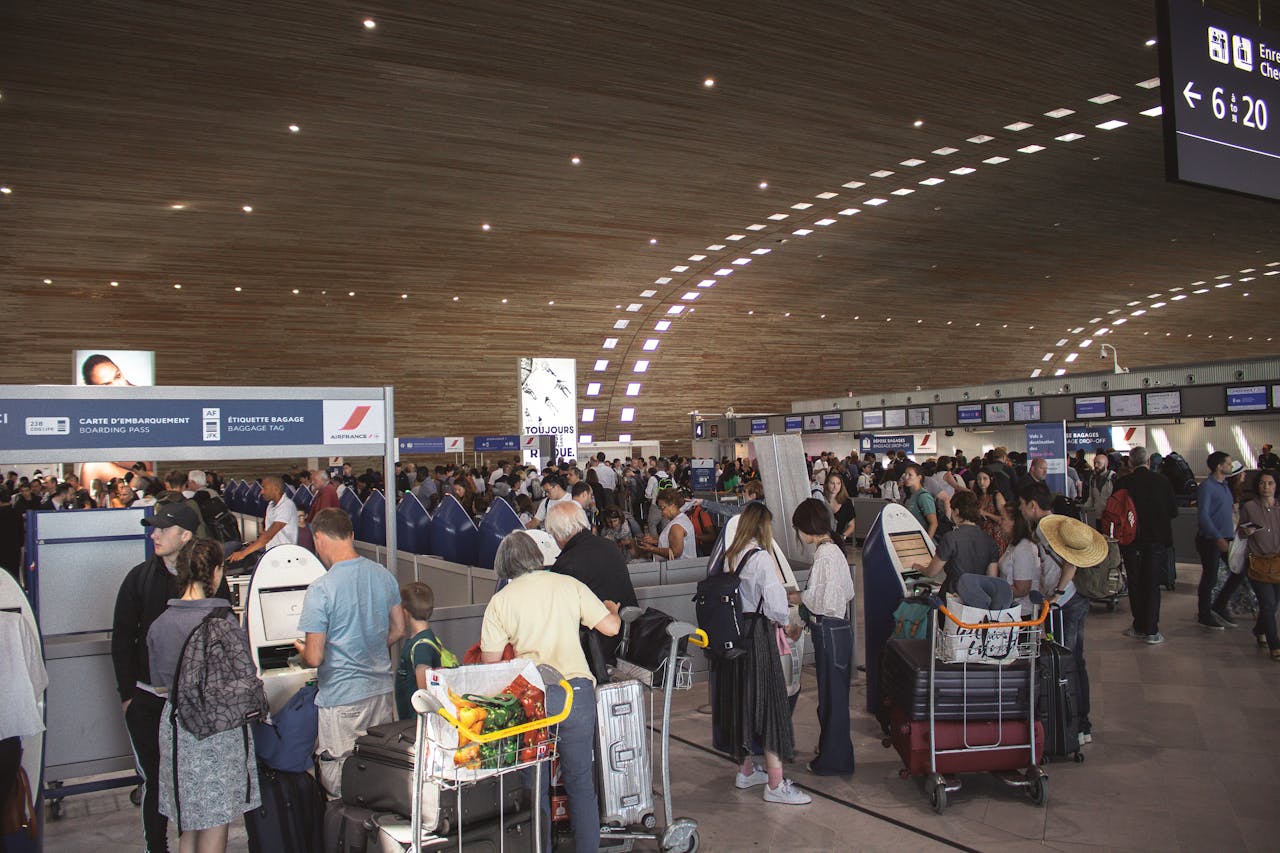
- Security wait times exceeded three hours at major hubs like Houston Hobby and New York’s JFK.
- Over 50,000 TSA employees were forced to work without pay between February and March 2026.
(UNITED STATES) — Transportation Security Administration officers called out of work in rising numbers during a partial Department of Homeland Security shutdown, stretching airport checkpoint operations and lengthening security lines as spring travel demand builds.
The TSA Staffing Crisis has rippled beyond domestic travel, creating tighter connection windows for international passengers and raising the risk of missed departures for students, workers and families with time-sensitive immigration travel.
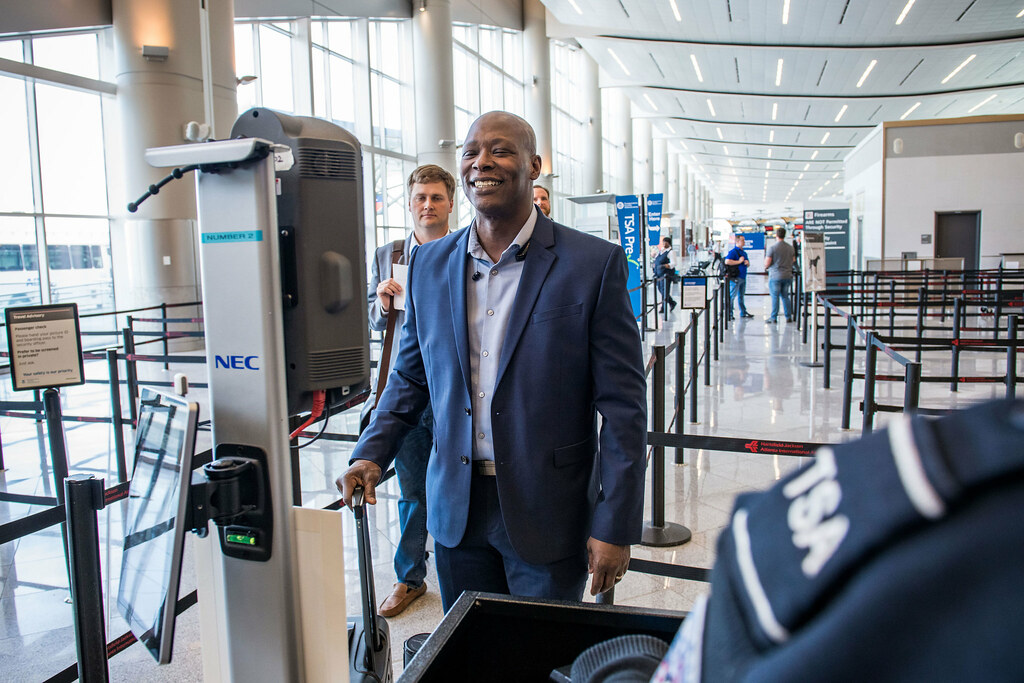
CBS News reported that internal TSA data showed nationwide unscheduled absences among frontline officers climbed to about 6% during the DHS Shutdown, up from roughly 2% before funding lapsed. The national rate reached 9% on February 23, 8% on March 6, and 7% on March 9.
The funding lapse began on February 14, 2026 and continued through March 11, 2026, leaving around 50,000 TSA employees required to work without pay, CBS reported. The White House, in a March 9, 2026 official statement, called it a “Reckless DHS Shutdown” that left over 100,000 workers without pay and led to “crippling staffing shortages and hours-long security lines.”
Longer lines have become the most visible symptom at checkpoints, where staffing gaps can force TSA managers to consolidate screening points or close lanes with little notice. That unpredictability has made it harder for passengers to plan, especially at large hubs where a missed screening window can cascade into missed connections.
Airports facing acute strain reported unusually high call-outs and extended waits. CBS reported that Houston’s William P. Hobby Airport recorded a 53% call-out rate on March 8, followed by 47% the next day, and that wait times at Houston Hobby exceeded three hours on March 8.
At John F. Kennedy International Airport, officers averaged a 21% absence rate during the shutdown, according to the CBS report. Atlanta (Hartsfield-Jackson) experienced a 19% absence rate, while Atlanta, New Orleans, Pittsburgh and Houston ranked among the hardest-hit airports.
Extreme weather also compounded pressures in some locations, including at JFK and Newark during a blizzard on February 23, CBS reported. Staffing disruptions tied to weather and absenteeism can combine quickly when passenger volumes remain high.
Warnings to travelers reflected the strain on day-to-day operations. CBS reported that Houston Hobby prompted guidance for passengers to arrive four to five hours before departure, while New Orleans travelers were advised to get to the airport at least three hours early and some reportedly missed flights because of TSA delays.
Behind the lines, TSA leaders tracked operational “hotspots” where staffing shortages threatened checkpoint performance, CBS reported. Houston logged 44 incidents during the shutdown, followed by New Orleans with 35 and Atlanta with 32, while the nationwide count reached 87 hotspots on March 8.
The shutdown’s staffing squeeze has also shown up in attrition, which can outlast any funding deal. CBS reported that TSA recorded 305 employee separations between February 14 and March 9, while training takes four to six months before new hires are ready to work independently at checkpoints.
Former TSA Administrator John Pistole told CBS News that repeated shutdowns risk leaving the agency more vulnerable over time because officers may resign if they cannot continue working without pay. DHS officials cited in the CBS report warned that prolonged shutdowns can damage morale, worsen retention and make future recruitment harder.
DHS Secretary Kristi Noem tied the staffing disruption to broader operational choices in a February 22, 2026 statement. “Shutdowns have serious real-world consequences, not just for the men and women of DHS and their families who go without a paycheck, but it endangers our national security. [The TSA and CBP] are prioritizing the general traveling population at our airports and ports of entry and suspending courtesy and special privilege escorts,” Noem said.
International travelers can feel the effect of checkpoint slowdowns differently from many domestic passengers, because their itineraries often carry tighter constraints. A delayed domestic leg to an international departure can wipe out the buffer time travelers build in, and a missed onward flight can disrupt entry timing and onward connections.
Students, workers and families traveling on fixed schedules can face added pressure when a delay forces rebooking into later flights or different routings. For some travelers, arriving late for school start dates, job start dates, or pre-planned travel tied to immigration processes can turn a screening delay into a compliance problem.
Variability can be as disruptive as the longest waits, because passengers cannot plan around a single predictable delay pattern. A morning departure bank can run smoothly on one day and break down on another when call-outs spike, forcing sudden lane closures and rerouting.
Trusted traveler programs and border processing also shifted during the lapse window as CBP reassigned officers to regular passenger processing. Global Entry was suspended on February 22 and DHS restored it on March 11, with DHS saying reactivation would begin at 5:00 AM ET.
A DHS spokesperson, in a March 11, 2026 statement, said: “As DHS continually evaluates measures it can take amidst the continued shutdown of the department, DHS will be reactivating Global Entry on March 11th at 5:00 AM ET. We are working hard to alleviate the disruptions to travelers caused by the shutdown.”
TSA PreCheck remained open after an initial suggestion it could be suspended, CBS noted, though staffing constraints have raised the prospect of lane closures when airports cannot meet minimum staffing. When dedicated lanes close, the time advantage for frequent travelers can shrink even if the program remains available.
Paycheck pressures have surfaced repeatedly in official messaging about staffing. Lauren Bis, DHS Deputy Assistant Secretary for Public Affairs, said on March 9, 2026 that TSA agents “received only partial paychecks earlier this month and now face their first full missed paycheck, leading to financial hardship, absences, and crippling staffing shortages.”
The political fight behind the shutdown remained unresolved, CBS reported, with the Trump administration and Senate Democrats blaming each other for the impasse. The dispute centered in part on immigration enforcement funding for agencies such as ICE and CBP, CBS reported.
Democrats proposed funding TSA and certain other DHS components separately from more disputed immigration enforcement accounts, but that effort was blocked, CBS reported. Proposals to isolate TSA funding did not move forward, leaving the agency operating under shutdown conditions as unscheduled absences mounted.
The strain comes as spring break travel approaches, when higher passenger volumes can expose thin staffing at checkpoints. CBS reported that fewer officers have been screening more passengers, increasing the risk of longer queues, tighter boarding windows and more missed flights across major U.S. hubs.
For passengers flying while the lapse continues, the most common disruptions have involved longer lines and sudden lane closures, with conditions varying sharply by airport and time of day. Early-morning departure banks can become fragile when staffing falls short and even brief disruptions can amplify congestion.
Airlines and airports have issued advisories and, in some cases, rebooked passengers who missed flights because they reached gates too late. When a missed flight breaks an itinerary, downstream effects can include missed connections, rerouting through different hubs and added time inside crowded terminals.
International arrivals face another layer of timing risk when they need to clear formalities and make domestic transfers on tight schedules. Even when the border processing step runs normally, a delayed onward connection can still strand travelers in transit cities, complicating onward plans.
DHS has used public statements to frame operational choices during the shutdown, including prioritization decisions at airports and ports of entry. Noem’s February 22 statement linked those decisions to the reality that personnel were working without pay.
The White House’s March 9 statement used the phrase “crippling staffing shortages and hours-long security lines” as it described conditions during the shutdown. CBS reported that internal TSA tracking highlighted specific days when absenteeism spiked, and that staffing strains were concentrated at certain airports.
Government agencies posted information and updates through official channels as the shutdown continued. DHS maintained a public-facing news page at dhs.gov/news, while TSA posted press information at tsa.gov/news/press.
Travelers following immigration-related processes have also tracked which federal operations remain open. U.S. Citizenship and Immigration Services remained largely operational because it is fee-funded, while other components faced constraints during the DHS funding lapse, according to the information provided. USCIS information is available at uscis.gov.
The administration’s public statements about the shutdown appeared in official channels that included the White House Briefing Room. DHS and TSA statements have highlighted workforce impacts, while airport-level advisories have focused on expected screening delays.
As the shutdown entered a new phase on March 11, airport checkpoint performance continued to hinge on staffing levels that can change quickly with unscheduled absences and localized disruptions. Noem’s February 22 warning that shutdowns carry “serious real-world consequences” has increasingly played out in the basic mechanics of getting passengers through security on time.