Key Takeaways
• President Trump ordered ICE to increase arrests to 3,000 daily, targeting Democratic-run sanctuary cities.
• Over 65,000 undocumented immigrants arrested in first 100 days of 2025 under Mass Deportation Program.
• ICE now conducts raids in sensitive locations and deploys military support amid ongoing legal challenges.
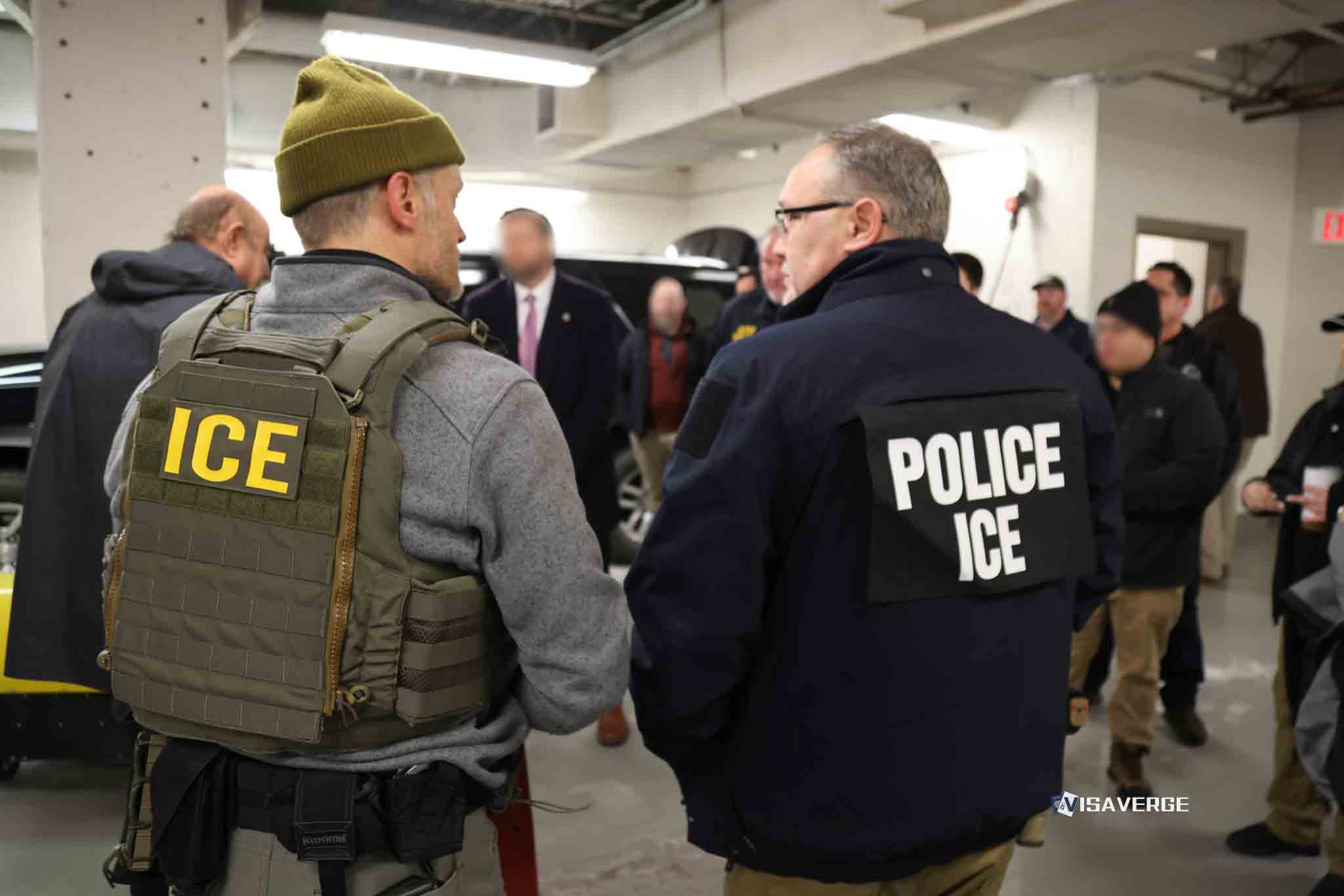
On June 16, 2025, President Donald Trump ordered Immigration and Customs Enforcement (ICE) to ramp up arrests and deportations of undocumented immigrants, focusing especially on Democratic-run cities like Los Angeles, Chicago, and New York. This move, announced on Truth Social, marks the start of what President Trump calls the “single largest Mass Deportation Program in History.” The administration’s goal is to reach at least 3,000 arrests per day, a sharp increase from the roughly 650 daily arrests earlier in the year.
This policy shift comes after weeks of large protests in major cities and ongoing legal battles between the Trump administration and Democratic state leaders. The White House has also threatened to withhold federal funding from “sanctuary cities” that do not cooperate with federal immigration enforcement, sparking lawsuits from a coalition of 20 Democratic attorneys general. The deployment of National Guard and U.S. Marines to support ICE operations in these cities has further fueled controversy and legal challenges.
Free toolUSCIS Receipt Number Decoder
Below, we break down the latest developments, the step-by-step process of the new enforcement strategy, its impact on different groups, and what lies ahead for immigration policy in the United States ??.
What’s Changing: Trump’s New Immigration Enforcement Orders
Since returning to office in January 2025, President Donald Trump has signed a series of executive orders that have dramatically changed U.S. immigration policy. The main changes include:
- Ending “catch and release”: This means undocumented immigrants are now detained until their cases are resolved, rather than being released while they wait for court dates.
- Expanding expedited removal: Previously, this fast-track deportation process was mostly used near the border. Now, it’s being used across the country, allowing ICE to deport people quickly without a judge’s review.
- Targeting Democratic-led “sanctuary cities”: ICE is focusing its resources on cities that have policies limiting cooperation with federal immigration enforcement.
- Deploying military support: The administration has controversially sent National Guard and U.S. Marines to help ICE in these cities.
- Removing protections for sensitive locations: ICE can now conduct raids in places like schools, hospitals, and churches, which were previously considered off-limits.
These changes are part of the administration’s broader plan to increase the number of deportations and send a strong message to undocumented immigrants across the United States ??.
By the Numbers: Arrests and Deportations Surge
The impact of these new policies is already clear in the numbers:
- Over 65,000 undocumented immigrants arrested by ICE in the first 100 days of 2025.
- 32,809 enforcement arrests in the first 50 days alone—almost as many as the total for all of fiscal year 2024.
- 3,000 daily arrest target under the new Mass Deportation Program, compared to 650 per day earlier in the year.
- 2,288 gang members from groups like MS-13 and Tren de Aragua arrested since January.
- 1,155 criminal gang members and 39 known or suspected terrorists among those arrested in the first 50 days.
- On one Sunday in January, 1,179 undocumented immigrants were arrested, with nearly half having no criminal record beyond illegal entry.
These figures show a dramatic increase in enforcement activity, especially in Democratic-run cities.
How the Mass Deportation Program Works
The administration’s Mass Deportation Program follows a clear, step-by-step process:
- Identification: ICE, often with help from local police or military personnel, identifies undocumented immigrants in targeted cities.
- Arrest: Raids and at-large arrests are carried out, including in places that were previously protected, such as schools and hospitals.
- Detention: Those arrested are held in expanded detention centers. The administration is building new camps to handle the growing numbers.
- Expedited Removal: Many are processed under expedited removal, which means they can be deported quickly without going before an immigration judge.
- Deportation: People are deported, with the administration pressuring foreign governments to accept returnees. Sometimes, sanctions or tariffs are used to force cooperation.
This approach is designed to move people through the system as quickly as possible, with fewer legal protections and less time for appeals.
Who Is Affected: Stakeholders and Their Responses
Immigrant Communities
For undocumented immigrants and their families, the new policies have brought:
- Increased fear and anxiety: Many are afraid to go to school, visit the doctor, or attend religious services, knowing ICE can now conduct raids in these places.
- Greater risk of family separation: Rapid deportations mean families can be split up with little warning or chance to challenge the decision.
- Economic hardship: Industries like agriculture, hospitality, and construction, which rely heavily on undocumented workers, face labor shortages and disruptions.
Local Governments
Democratic-led cities and states are pushing back:
- Legal challenges: California and other states are suing the federal government over the use of the National Guard and threats to withhold funding.
- Varied cooperation: Some states, like Texas, Florida, Georgia, North Carolina, and Virginia, are working closely with ICE through special agreements called 287(g), while others are resisting federal efforts.
Federal Agencies
- ICE and DHS: Leaders report higher morale among agents and daily updates sent to the White House. Secretary Noem of the Department of Homeland Security has said deportations will continue to rise and has encouraged “self-deportation” as an option for undocumented immigrants.
Legal System
- Courts are flooded: There is a surge in lawsuits from states and advocacy groups, especially over constitutional rights and due process concerns.
What Supporters and Critics Say
Supporters
Those in favor of the crackdown argue that:
- It’s necessary to restore law and order.
- It protects American jobs by reducing competition from undocumented workers.
- It deters future illegal immigration.
Critics
Opponents warn that:
- The policy may violate constitutional rights and due process.
- It could lead to human rights abuses, especially with raids in sensitive locations.
- The economic fallout could be severe, especially in industries that depend on immigrant labor.
Legal Experts
Legal scholars point out that:
- The scale of the Mass Deportation Program is far beyond what current federal resources can handle.
- Extraordinary steps, like deputizing local police or federalizing the National Guard, may be needed.
- Rarely used laws, such as the Alien Enemies Act, could come into play.
Immigrant Advocates
Advocacy groups highlight:
- The chilling effect on entire communities, making people afraid to seek help or report crimes.
- The risk of wrongful deportations, especially with the removal of judicial review.
As reported by VisaVerge.com, these changes have created a climate of fear and uncertainty for millions of people, with ripple effects across the country.
Background: How Did We Get Here?
President Donald Trump’s first term saw tough immigration enforcement, but his second term has taken things even further. The current strategy is based on Project 2025, a plan for sweeping changes to immigration law and enforcement. This includes:
- Ending DACA and TPS: These programs protect certain groups of immigrants from deportation.
- Expanding detention and deportation: The goal is to remove as many undocumented immigrants as possible, as quickly as possible.
Democratic states and advocacy groups have responded with coordinated legal challenges, arguing that the administration’s actions violate constitutional rights and federal law.
The Legal and Political Battle
Legal Challenges
- Ongoing lawsuits: Democratic states are fighting the administration in court over the use of military personnel, the expansion of expedited removal, and threats to federal funding.
- Due process concerns: Many lawsuits focus on the lack of judicial review and the speed of deportations.
Political Fallout
- Election issue: Immigration enforcement is expected to be a major topic in the 2026 midterm elections.
- Federalism debate: The conflict between federal and state governments over immigration policy is growing.
What’s Next: Future Outlook
Legal Battles Will Continue
Expect more lawsuits and court orders as Democratic states and advocacy groups challenge the administration’s actions. The use of military personnel and the removal of protections for sensitive locations are likely to be key issues.
Policy Expansion
The administration is expected to keep expanding detention capacity and may push for new laws if executive actions are blocked by the courts.
Economic and Social Impact
Industries that depend on immigrant labor may face severe worker shortages. Immigrant communities are likely to experience even more fear and instability.
Political Debate
The Mass Deportation Program will remain a flashpoint in national debates about immigration, law enforcement, and the balance of power between federal and state governments.
Practical Guidance for Immigrants and Families
If you or someone you know is affected by these policies:
- Know your rights: Everyone in the United States ?? has certain rights, regardless of immigration status. For example, you have the right to remain silent and to ask for a lawyer.
- Seek legal help: Contact a trusted immigration lawyer or advocacy group for advice. The American Civil Liberties Union (ACLU) and the National Immigration Law Center (NILC) offer resources and support.
- Stay informed: Follow updates from official sources like the ICE official website, which provides the latest information on enforcement actions and policy changes.
- Prepare a family plan: Make sure your family knows what to do if someone is detained. Keep important documents in a safe place and have emergency contacts ready.
Official Resources
- ICE Official Website
- DHS Official Website
- White House Briefings
- American Civil Liberties Union
- National Immigration Law Center
For more information about your rights and how to get help, visit these official sites or reach out to local immigrant advocacy organizations.
Conclusion: What This Means for America
President Donald Trump’s focus on immigration arrests in Democratic-led cities marks a major shift in U.S. policy. The Mass Deportation Program is already having a big impact on immigrant communities, local governments, and the national debate over immigration. As legal battles continue and the administration pushes forward, millions of people are watching closely to see what comes next.
Whether you support or oppose these changes, it’s clear that immigration will remain one of the most important and divisive issues in the United States ?? for years to come. Staying informed, knowing your rights, and seeking help when needed are the best ways to protect yourself and your loved ones during these uncertain times.
Learn Today
ICE → U.S. Immigration and Customs Enforcement, responsible for immigration law enforcement and deportation.
Mass Deportation Program → A federal initiative aiming to arrest and deport thousands of undocumented immigrants daily.
Expedited Removal → A fast deportation process that bypasses judicial review for many detained immigrants.
Sanctuary Cities → Municipalities limiting cooperation with federal immigration enforcement to protect undocumented immigrants.
National Guard → State military force deployed to assist federal agencies in immigration enforcement operations.
This Article in a Nutshell
President Trump’s new Mass Deportation Program targets sanctuary cities with up to 3,000 daily arrests. ICE uses military aid and removes protections for sensitive locations, sparking lawsuits amid fears of constitutional violations and community impact.
— By VisaVerge.com