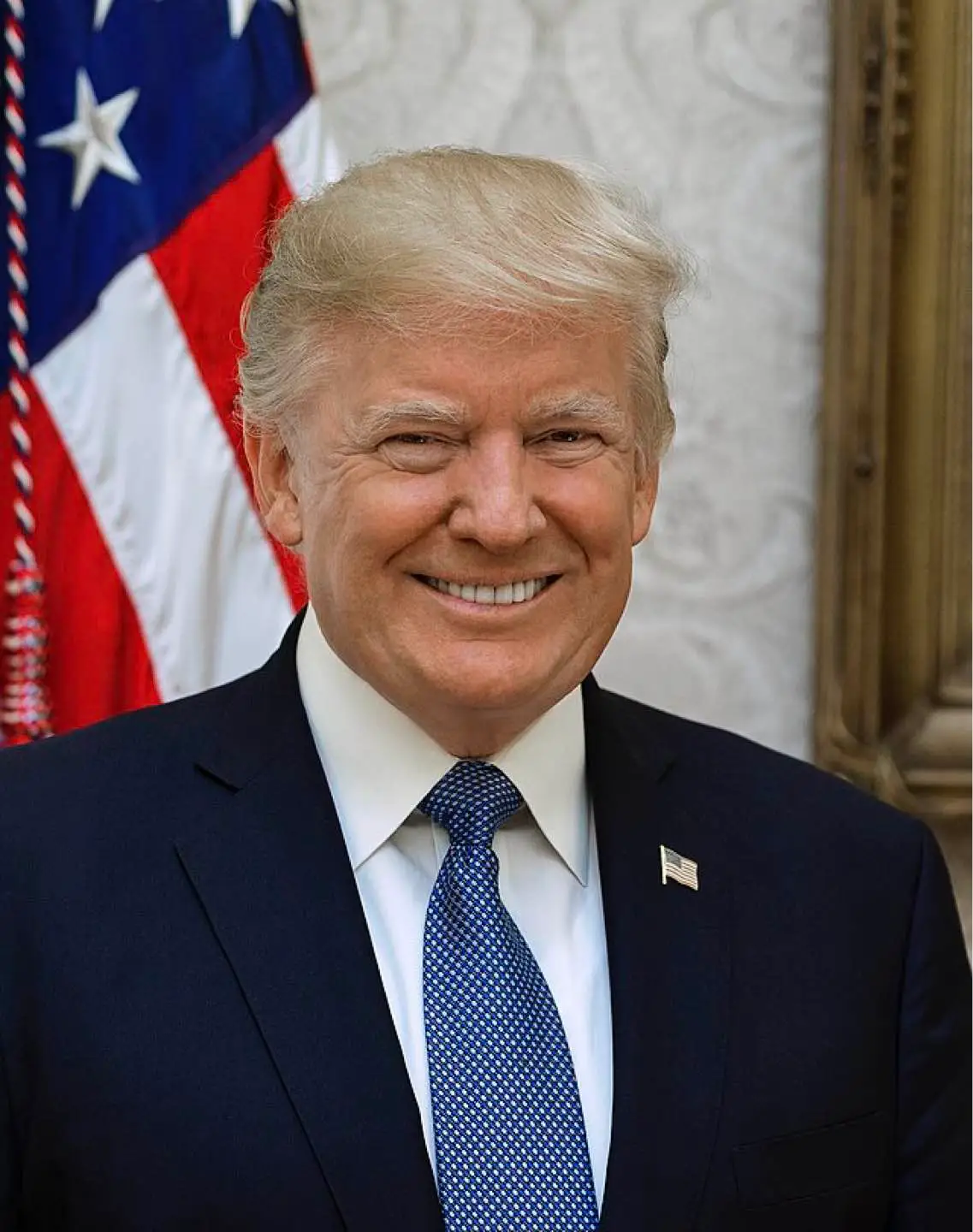
President Donald Trump on Wednesday announced what he called a “historic reset” of federal fuel economy standards, rolling back stricter requirements put in place under the Biden administration and setting up a fresh political clash over the future of US vehicle regulation and the speed of the shift to electric cars.
Speaking at the White House on Wednesday afternoon, Trump said his administration was resetting Corporate Average Fuel Economy, or CAFE, rules in a move that the White House claimed would deliver major savings for car buyers and keep traditional gas-powered vehicles at the center of the US auto market. The announcement, which came after weeks of internal debate and lobbying from the auto industry, immediately underscored how central fuel economy standards have become to the wider fight over climate policy, living costs and consumer choice.
The administration said the new fuel economy standards would save “$109 billion in total” for American families, a figure officials presented as proof that the previous rules were too aggressive and too costly. The White House argued that Biden-era regulations would have raised the average cost of a new car by nearly $1,000 and framed the new CAFE reset as a direct response to those projected price increases.
In the announcement, officials cast the change as a way to shield drivers from higher upfront costs while still allowing gradual gains in fuel efficiency. The administration said Trump’s actions would prevent what it described as an almost $1,000 jump in the sticker price of new vehicles. By tying the reset of fuel economy standards to household budgets, the White House sought to move the debate away from abstract regulatory targets and toward what families might pay at dealerships.
The move marks a sharp departure from the path charted by President Joe Biden, whose administration had boosted fuel efficiency requirements by 8% for 2024 and 2025 model years and 10% for 2026. Those increases were significantly higher than the 1.5% annual rise that Trump finalized during his first term for car model years 2021–2026. By directly contrasting the new CAFE trajectory with Biden’s steeper schedule, Trump officials portrayed the reset as a course correction they say better matches what current technology in gas-powered cars can deliver.
The Trump White House contended that the more aggressive Biden-era fuel economy standards were not feasible to meet with available technologies for gasoline vehicles. According to the administration’s argument on Wednesday, those rules would have effectively pushed both carmakers and drivers toward electric vehicles more quickly than the market might otherwise choose. Officials said the historic reset of fuel economy standards was designed to slow that pressure and keep a wider range of gas vehicles on the road for longer.
Industrial backing for the shift gave the announcement additional weight. Jim Farley, Ford CEO, publicly lined up behind the decision, putting one of the country’s best-known carmakers on the side of the new CAFE reset.
“As America’s largest auto producer, we appreciate President Trump’s leadership in aligning fuel economy standards with market realities. We can make real progress on carbon emissions and energy efficiency while still giving customers choice and affordability. This is a win for customers and common sense,” said Farley.
General Motors, another pillar of the US auto sector, also backed the move and singled out the role of federal safety regulators in the process. The company said:
“GM supports the goals of NHTSA’s proposed CAFE rule and its intention to better align fuel economy standards with market realities. We have long advocated for one national standard that upholds customer choice and provides the auto industry long-term stability.”
By welcoming the shift and stressing the idea of “one national standard,” GM signaled its preference for a single, predictable set of fuel economy rules over a patchwork of stricter and looser regimes.
The presence of top executives at the White House underlined the close coordination between the administration and the industry on the new direction for CAFE rules. Ford’s and Stellantis’ CEOs, as well as General Motors’ plant manager, gathered in the Oval Office for the Wednesday afternoon announcement, giving Trump visible backing from companies that together sell millions of vehicles a year in the United States. Their attendance added corporate heft to the message that fuel economy standards should be reset to what they called “market realities.”
For Trump, the reset is part of a broader offensive against what he and his advisers describe as an attempt to “force” electric vehicles onto US roads. The White House framed Wednesday’s action as another step in a sequence of rollbacks targeting Biden-era vehicle and environmental regulations, arguing that those rules would both drive up costs for drivers and reduce choices in showrooms. In that narrative, the fuel economy standards debate is not just about miles per gallon but about whether the federal government is pushing the country too quickly toward a future dominated by electric cars.
The administration pointed back to Trump’s earlier moves this year as evidence of that broader campaign. In June, Trump signed a joint resolution that ended California’s electric vehicle mandate, including the Biden-era Environmental Protection Agency waiver that mandated at least 80% of vehicles be electric in California by 2035. That resolution directly attacked one of the most ambitious state-level efforts to shift away from internal combustion engines, and Wednesday’s CAFE reset extends that pattern from state rules to nationwide fuel economy standards.
By linking the federal fuel economy reset to the California fight, Trump officials suggested they were pulling in the same direction: reducing what they see as regulatory pressure to adopt electric vehicles and giving drivers more time to decide if and when to switch. Ending a waiver that required at least 80% of vehicles sold in California to be electric by 2035 and then rolling back tighter national fuel economy standards are being presented by the White House as part of a single strategy to slow the EV push.
Consumer costs sat at the center of that strategy’s public justification on Wednesday. The White House argued that the Biden-era approach would have steadily tightened fuel economy standards to a degree that required expensive new technologies in gasoline cars, raising upfront prices and nudging buyers toward electric models that many might not yet want or be able to afford. By contrast, Trump’s “historic reset” of CAFE standards was sold as protection against those cost increases, even as the administration acknowledged more modest gains in efficiency than under Biden’s rules.
For the auto industry, the appeal of the new direction lay as much in regulatory predictability as in the exact numbers written into the CAFE rule. In its statement welcoming the move, General Motors emphasized its long-standing call for “one national standard” and “long-term stability.” Ford’s Jim Farley, in turn, stressed “choice and affordability” for customers and the need to align fuel economy standards “with market realities.” Together, those messages suggested manufacturers were less focused on the precise annual percentage increases and more on having clear, stable and less ambitious targets they believe they can meet without radical shifts in their product lines.
Environmental groups and advocates for faster climate action were not quoted in Wednesday’s announcement, but the contrast between Trump’s 1.5% annual increase for model years 2021–2026 and Biden’s 8% and 10% jumps for 2024–2026 underscored the scale of the divergence. Where Biden sought to ratchet up fuel efficiency quickly, both to cut emissions and to encourage automakers to invest heavily in cleaner technologies, Trump’s reset holds the line closer to the trajectory he set in his first term.
The National Highway Traffic Safety Administration, which oversees the CAFE program, will be central to translating the White House’s “historic reset” into detailed regulatory text and compliance rules. Drivers, automakers and state officials alike will be watching closely as that process unfolds on the NHTSA fuel economy page and in future rule documents, which will spell out exactly how the new standards apply across different model years and vehicle types.
For now, the immediate impact of Wednesday’s announcement is to redraw the political and regulatory map around fuel economy standards. By rolling back Biden’s stricter schedule and resetting CAFE targets to a slower rate of increase, Trump has reinforced his opposition to rapid electrification and placed cost and consumer choice at the heart of his argument. With automakers such as Ford and General Motors publicly backing the move and calling it a “win for customers and common sense,” the battle over how fast US vehicles should become more efficient—and how quickly they should go electric—has entered a new phase, shaped by a historic reset of the rules that govern how far Americans can drive on a tank of fuel.
At a White House event, President Trump announced a reset of CAFE fuel economy standards, reversing Biden-era increases. The administration said the change would save $109 billion for American families and avoid nearly $1,000 higher new-car prices. Major automakers including Ford and GM backed the move, emphasizing one national standard and market-aligned targets. The decision slows the regulatory push toward electric vehicles and directs NHTSA to translate the reset into detailed rules, prompting political and industry debate.