- President Trump proposed Dalilah’s Law to bar undocumented immigrants from obtaining commercial driver’s licenses.
- The legislation is named after a young crash survivor injured by a driver who entered illegally.
- New federal rules require CDL tests in English and restrict eligibility to specific visa holders.
(CALIFORNIA) — President Donald Trump urged Congress to pass “Dalilah’s Law” during his State of the Union address on February 24, 2026, pitching the proposal as a way to stop states from issuing commercial driver’s licenses to undocumented immigrants.
Trump framed the bill around the case of Dalilah Coleman, a 7-year-old first-grade student who attended the address as his guest, and he tied the proposal to a broader push for tighter immigration enforcement.
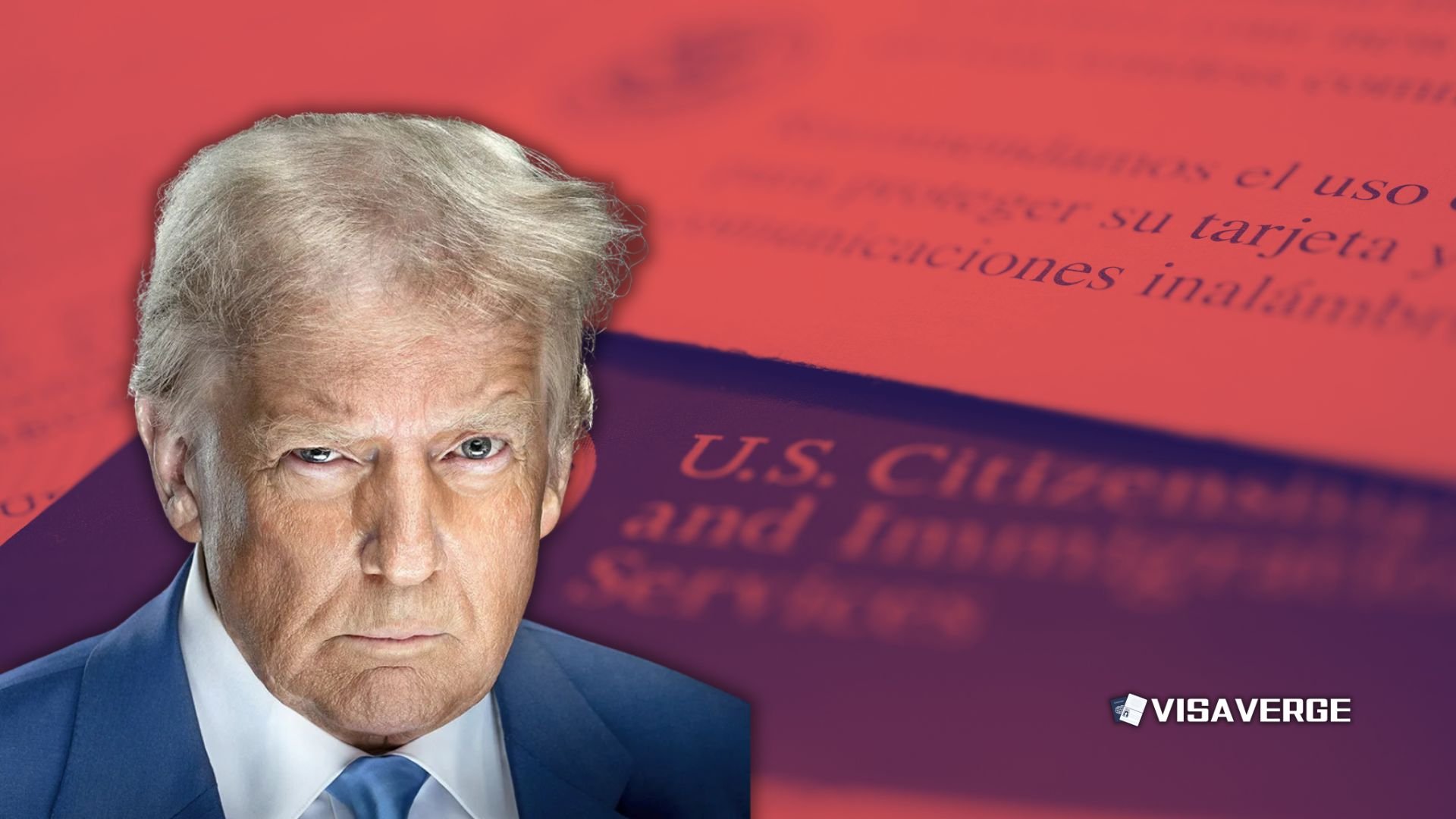
Dalilah’s Law would bar states from granting commercial driver’s licenses, or CDLs, to people without lawful immigration status, moving a licensing fight into a national immigration debate that already involves Immigration and Customs Enforcement and state motor vehicle agencies.
Supporters cast the measure as a public safety response that targets who can operate commercial vehicles, while opponents argue the policy could push more people to drive without training, testing or insurance, rather than bringing them into regulated systems.
Backers of the bill point to a June 2024 crash in California involving a commercial vehicle and allegations about the driver’s immigration status and licensing path through state processes.
In that crash, an 18-wheeler truck driven by Partap Singh struck the Coleman family’s stopped vehicle in a California construction zone at 60 mph or more, according to the account cited by proponents of the bill.
Singh is an Indian national who allegedly entered the U.S. illegally via the southern border in October 2022 and was released under the Biden administration’s policies, then received a CDL from California, according to the same account.
Immigration and Customs Enforcement re-arrested Singh on August 29, 2025, and he remains in custody facing deportation.
Dalilah’s injuries, described by Trump and supporters as central to the legislation’s purpose, became the personal stakes behind the bill’s name and a driver of its political traction.
Dalilah, then 5, spent three weeks in a coma and underwent six months of hospitalization, including a craniectomy, with the account noting she lived four months without half her skull.
Doctors diagnosed her with diplegic cerebral palsy and global developmental delay, and she requires lifelong therapy, though she is now relearning to walk. The crash left her with multiple skull fractures and a broken femur, and she lost the ability to eat orally.
Trump used the State of the Union moment to argue that immigration status and language ability should directly shape CDL eligibility nationwide, even though states issue licenses while federal standards and enforcement pressures shape the conditions states can set.
“Many, if not most, illegal aliens do not speak English and cannot read even the most basic road signs as to direction, speed, danger, or location. That’s why tonight I’m calling on Congress to pass what we will call the Dalilah Law—barring any state from granting Commercial Drivers Licenses to illegal aliens,” Trump said.
Most Republicans rose for a standing ovation after the announcement, while most Democrats remained seated.
Trump’s call for Dalilah’s Law also pointed to a set of executive and regulatory changes his administration has already pursued, with officials describing the steps as a tightening of the rules that govern who can qualify for, keep, and use commercial driving privileges.
Transportation Secretary Sean Duffy announced that all truckers and bus drivers must take CDL tests in English, and failures of roadside English Language Proficiency tests result in out-of-service orders. The change was codified by Trump’s February 3, 2026 bill signing.
Federal regulators have also moved to narrow CDL eligibility for some non-citizens and to tighten verification systems that states use when they issue licenses, creating a parallel track to the legislative push Trump wants Congress to adopt.
The Federal Motor Carrier Safety Administration finalized rules that take effect on the date shown in the effective-date badge, limiting CDLs for non-citizens to H-2A, H-2B, and E-2 visa holders after enhanced vetting and excluding asylum seekers, refugees, and DACA recipients.
Under those rules, states must use the SAVE system for verification, and Employment Authorization Documents are no longer accepted.
Together, the administration’s actions and Dalilah’s Law would pull the CDL debate into a sharper federal posture on immigration status, as Trump and his allies argue that states should not be able to grant commercial driving privileges to people the federal government considers unlawfully present.
Supporters’ arguments hinge on security and safety claims about who can be trusted with large commercial vehicles and on the belief that immigration status should act as a hard stop for CDL issuance, rather than a factor handled through verification systems.
Critics, by contrast, argue that licensing undocumented drivers ensures road rule testing and insurance, while warning that blocking legal access to commercial driver’s licenses could increase unlicensed driving instead of reducing risk.
The licensing fight also spotlights the overlap between federal enforcement and state administrative decisions, because states issue CDLs and set procedures, while immigration enforcement actions can come later and can upend the status of a driver who has already passed through a state licensing pipeline.
That tension sits at the center of Dalilah’s Law: Trump’s proposal seeks to impose a federal restriction that overrides state eligibility decisions by tying CDL issuance directly to lawful immigration status.
The case Trump highlighted also shows the sequence supporters cite when they argue state licensing decisions carry national consequences, because the driver they identify in the crash allegedly entered the country illegally, later obtained a California CDL, and was then re-arrested by Immigration and Customs Enforcement.
As of February 25, 2026, Dalilah’s Law awaits congressional action, leaving its prospects tied to committee movement, floor scheduling, and whether lawmakers pursue companion measures or related legislative vehicles.
State motor vehicle agencies and affected communities are also watching for agency guidance and enforcement messaging that could signal how quickly states will have to adjust policies, what verification steps they will be expected to follow, and how compliance timelines will take shape if Congress acts.